























































































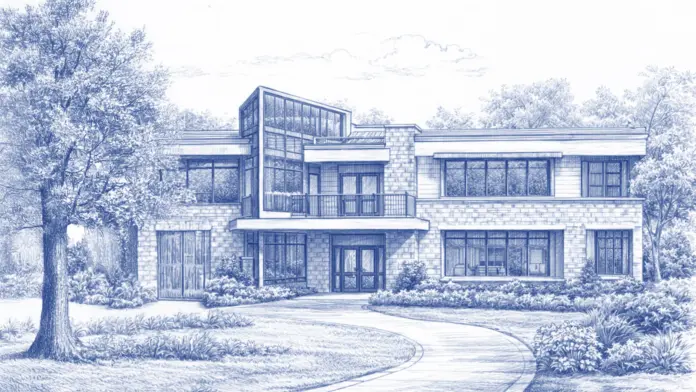
About South Richmond Hill Recovery, LLC / Resolutions Counseling & Family Services
South Richmond Hill Recovery is a drug and alcohol rehab located in Queens, NY. They provide outpatient addiction treatment and DWI assessments.
This facility offers outpatient addiction treatment and DWI screenings and assessments.
Outpatient Treatment
This facility provides evidence-based treatment services incorporating a culturally competent and person-centered approach. As a part of outpatient substance abuse services, this facility also offers batterers accountability, anger management, coping skills, and relapse prevention. Court-mandated or DWI obligations can be completed here within 48 hours. The proper tools, documents, and assessments needed for DWI cases are given. Proper referrals for more intensive addiction treatment and mental health are provided as needed.
Insurance
South Richmond Hill Recovery may work with your provider on treatment services reimbursement. Verify your coverage and out-of-network benefits directly with your provider.

Rehab Score
 Our Methodology


Location
Other Forms of Payment
Private insurance refers to any kind of healthcare coverage that isn't from the state or federal government. This includes individual and family plans offered by an employer or purchased from the Insurance Marketplace. Every plan will have different requirements and out of pocket costs so be sure to get the full details before you start treatment.
Self-pay involves paying for treatment out of your own pocket. You can use savings or credit, get a personal loan, or receive help from family and friends to fund your treatment. If you don't have insurance or your insurance plan doesn't cover a specific program, self-pay can help ensure you still get the care you need.
Financial aid can take many forms. Centers may have grants or scholarships available to clients who meet eligibility requirements. Programs that receive SAMHSA grants may have financial aid available for those who need treatment as well. Grants and scholarships can help you pai for treatment without having to repay.
Medicare is a federal program that provides health insurance for those 65 and older. It also serves people under 65 with chronic and disabling health challenges. To use Medicare for addiction treatment you need to find a program that accepts Medicare and is in network with your plan. Out of pocket costs and preauthorization requirements vary, so always check with your provider.
Medicaid is a state based program that helps lower-income individuals and families pay for healthcare. Medicaid covers addiction treatment so those enrolled can use their coverage to pay for rehab. When a program accepts Medicaid the client often pays very little or nothing out of their own pocket.
Addiction Treatments
Levels of Care
Outpatient Programs (OP) are for those seeking mental rehab or drug rehab, but who also stay at home every night. The main difference between outpatient treatment (OP) and intensive outpatient treatment (IOP) lies in the amount of hours the patient spends at the facility. Most of the time an outpatient program is designed for someone who has completed an inpatient stay and is looking to continue their growth in recovery. Outpatient is not meant to be the starting point, it is commonly referred to as aftercare.
Inpatient rehabs provide a space for clients to focus exclusively on their recovery while receiving intensive supervision and support. Inpatient treatment centers provide housing and food and most offer round-the-clock clinical care. Their primary treatment modalities typically consist of addiction counseling using various psychotherapeutic methods, including CBT, DBT, RBT, and motivational interviewing. Many rehabs also provide specialized services for clients with co-occurring addiction and mental illness. Recovery-focused life skills training and holistic therapies are other common services.
Clients who enroll in an intensive outpatient program (IOP) are typically either in early recovery or are experiencing a crisis that increases their relapse risk. These programs promote clients' sustained sobriety through robust support, including multiple, extended care sessions per week. Intensive outpatient treatment often encompasses an array of services, including psychotherapy, recovery education, and evidence-based holistic therapies, such as acupuncture and meditation. Many outpatient rehabs also offer medication assisted treatment (MAT).
Clients in rehab aftercare programs receive a customized portfolio of services designed to promote their sustained sobriety. These clients have completed high-level treatment, are typically exiting detox and/or intensive inpatient care and are reintegrating into their home, workplace, and community. Rehab aftercare services address addiction disease as a chronic condition requiring continuing care. Clients typically work with case managers and recovery teams to access necessary resources, such as peer coaching and 12 step program induction support.
The ultimate goal of a sober living home in New York is to provide structure and support for those who want to maintain sobriety. Often, sober living homes are a transitional space for those moving from residential treatment to mainstream life. Residents typically stay at least 90 days, with most living in the halfway house for more than six months.
A drug intervention in New York occurs when family members and friends lovingly confront someone with a substance use disorder. The goal of this confrontation is to motivate the person to seek treatment. Loved ones point out how the person's destructive behavior is affecting them in hopes that they will agree to get help. Most inpatient rehab facilities offer intervention services that can help families walk through this process step by step.
Medical detox involves weaning your body off of addictive substances in a medically supervised environment. If you've become dependent on alcohol and/or drugs, quitting on your own can be uncomfortable and even dangerous. In medically assisted detox, a team of licensed medical professionals will help manage potential withdrawal symptoms, ensuring that you're as safe and comfortable as possible. This process typically takes about 5-7 days, although the length will depend on your individual needs.
Programs
Adult rehab programs include therapies tailored to each client's specific needs, goals, and recovery progress. They are tailored to the specific challenges adult clients may face, including family and work pressures and commitments. From inpatient and residential treatment to various levels of outpatient services, there are many options available. Some facilities also help adults work through co-occurring conditions, like anxiety, that can accompany addiction.
Young adulthood can be an exciting, yet difficult, time of transition. Individuals in their late teens to mid-20s face unique stressors related to school, jobs, families, and social circles, which can lead to a rise in substance use. Rehab centers with dedicated young adult programs will include activities and amenities that cater to this age group, with an emphasis on specialized counseling, peer socialization, and ongoing aftercare.
Clinical Services
Cognitive behavioral therapy (CBT) in New York is a short term therapeutic method used to treat substance use and mental health disorders. CBT typically lasts from five to 20 sessions, based on the individual's needs.
Men and women receive emotional support from their peers during group therapy sessions. These are typically people who face the same struggles that you do. This exposure fosters a sense of camaraderie and community while reducing feelings of isolation and loneliness that often accompany addiction.
Men and women in New York undergoing one on one individual therapy for drug and alcohol addiction treatment will address the unique psychological and emotional aspects that are often associated with addiction triggers. Your therapist helps you build a relapse prevention plan and set achievable goals to improve your mental health and achieve long term sobriety.
Introduced in 1983, motivational interviewing is a method to help clients commit to change. It's based on the philosophy that change is hard, and clients must explore their own options and come to their own conclusions rather than receive warnings or advice from the therapist.
Trauma therapy involves working through the psychological and emotional impact of a traumatic event. You learn to identify the triggers and develop coping mechanisms that build a sense of safety and trust in yourself.
You can participate in couples therapy to focus on a specific problem in your relationship or for general strengthening of the relationship. This therapy aims to help you improve communication, address conflict, and grow in affection for one another.
Family therapy helps individual members of the family unit navigate the complexities of addiction. Therapists provide you with the tools you need to improve communication skills and conflict resolution. When families work together, they can support their loved one's recovery and help to restore balance and harmony within the household.
As you recover from addiction, eating the right foods will help you heal and build your health for long term sobriety. Nutrition therapy teaches you about the nutrition your body needs and how to eat the right foods to support your recovery.
Amenities
-
 Residential Setting
 -
 Private Rooms
Accreditations

State Licenses are permits issued by government agencies that allow rehab organizations to conduct business legally within a certain geographical area. Typically, the kind of program a rehab facility offers, along with its physical location, determines which licenses are required to operate legally.
State License: New York
Rehab.com regularly reviews this listing for accuracy but changes may occur between updates. For the most up-to-date information, please contact South Richmond Hill Recovery, LLC / Resolutions Counseling & Family Services.
Contact Information


8808 Liberty Ave
Queens, NY 11417
Sponsored Helpline


