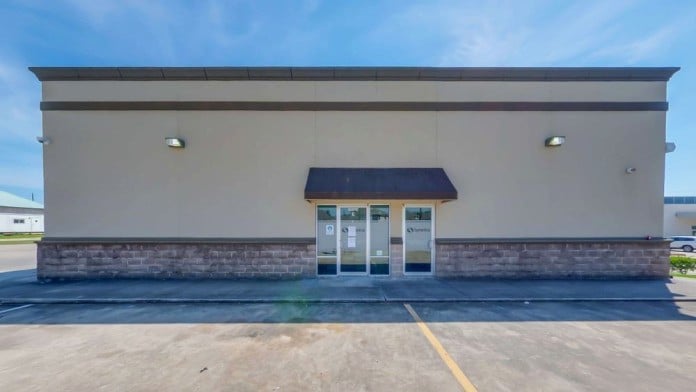
Taylor Recovery Sober Living Center
6
Top 10 Rehab In Houston





































































































Why Choose The Woodlands: Depression & Anxiety Recovery Treatment
We care about you and your path to recovery.
We offer clinically proven therapeutic modalities, such as CBT, DBT, and others.
We work with the patient’s established medical/mental health care providers to allow for continuity of care.
We address the underlying bio-psycho-social-spiritual factors of mental illness, not just the symptoms.
In your progression towards restoration of health you will learn real-life skills for long-term, endurable solutions.
We work with each patient to integrate family and loved ones into treatment so you have a strong, informed support team
We offer treatment from a multidisciplinary team consisting of Licensed Professional Counselors (LPC), Licensed Marriage & Family Therapists (LMFT), Licensed Clinical Social Workers (LCSW) and Registered Dietitians (RD) to address the impact of mental illness on everyday activities such as interpersonal interactions, nutrition, movement, and sleep.

 Our Methodology


Medicare is a federal program that provides health insurance for those 65 and older. It also serves people under 65 with chronic and disabling health challenges. To use Medicare for addiction treatment you need to find a program that accepts Medicare and is in network with your plan. Out of pocket costs and preauthorization requirements vary, so always check with your provider.
Medicaid is a state based program that helps lower-income individuals and families pay for healthcare. Medicaid covers addiction treatment so those enrolled can use their coverage to pay for rehab. When a program accepts Medicaid the client often pays very little or nothing out of their own pocket.
Intensive Outpatient Programs (IOP) are for those who want or need a very structured treatment program but who also wish to live at home and continue with certain responsibilities (such as work or school). IOP substance abuse treatment programs vary in duration and intensity, and certain outpatient rehab centers will offer individualized treatment programs.
Outpatient Programs (OP) are for those seeking mental rehab or drug rehab, but who also stay at home every night. The main difference between outpatient treatment (OP) and intensive outpatient treatment (IOP) lies in the amount of hours the patient spends at the facility. Most of the time an outpatient program is designed for someone who has completed an inpatient stay and is looking to continue their growth in recovery. Outpatient is not meant to be the starting point, it is commonly referred to as aftercare.
Mental health rehabs focus on helping individuals recover from mental illnesses like bipolar disorder, clinical depression, anxiety disorders, schizophrenia, and more. Mental health professionals at these facilities are trained to understand and treat mental health issues, both in individual and group settings.
Clinical Manager
Director

Forever grateful for Shannan & the TWRW staff. If you need help, look no further.

Participating in the depression group was hard at first, as I did not like group settings, but as I continue to go all of the therapists were encouraging and helpful. They helped me find a voice that was lost a long time ago. They help me understand feelings from reality. I often use the tools that I learn from group.
 Back
Back
Sharing your insights and experiences can help others learn more about this rehab center.