





































































































About Bluebonnet Trails Community Services – Crisis Respite Unit
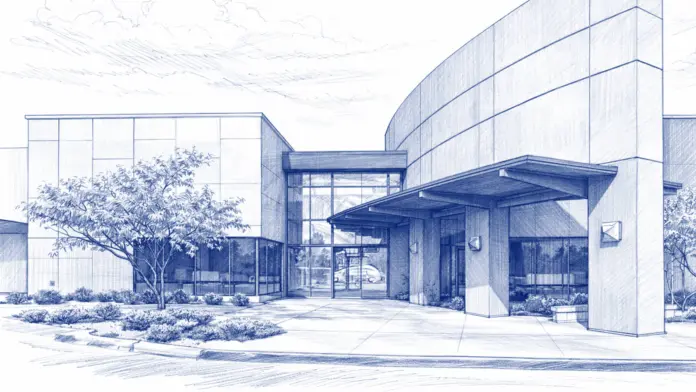
Bluebonnet Trails Community Services Crisis Respite Unit in Georgetown, Texas, is a behavioral health provider offering urgent support for individuals facing mental health challenges or substance use disorders. The facility specializes in crisis stabilization, residential respite care, and outpatient services for adults and adolescents. Their integrated approach combines psychiatric care with addiction counseling to help clients achieve wellness and manage their symptoms effectively.
Addiction and Mental Health Programs in Georgetown
Treatment at the San Gabriel Crisis Center often begins with a short term stay in the 16-bed Adult Crisis Respite Unit, which operates 24 hours a day to provide immediate stabilization. As clients transition from crisis care, they can step down into an intensive outpatient program or a supportive outpatient rehab program to continue their recovery process while living at home.
During their stay or in outpatient sessions, clients can expect thorough psychiatric evaluations, medication management, and clinical therapies. The treatment team provides group skills training, individual counseling, and Medication Assisted Treatment when appropriate to address underlying issues and support sobriety.
Quick Facts About This Facility
- Location: The crisis respite unit is located at 711 North College Street in Georgetown, Texas.
- Levels of care: Services range from short term residential crisis respite to intensive and supportive outpatient programs.
- Populations served: The center treats adults and adolescents experiencing behavioral health or substance use crises.
- Treatment approach: Programs utilize a blend of psychiatric stabilization, group therapy, and skill building exercises.
- Financial assistance: A sliding fee scale is available to help make care affordable based on income and family size.
- Insurance accepted: The facility works with many private insurance plans as well as Medicare and Medicaid.
Getting Started With Bluebonnet Trails
Individuals in need of support can connect with the Bluebonnet Trails Community Services Crisis Respite Unit by calling their 24-hour crisis line or scheduling an appointment for an initial assessment. The admissions team will review your situation, verify your insurance benefits, and help determine the most appropriate level of care for your situation. They strive to place clients in programs that minimize disruption to their daily routines.
Reach out to the Bluebonnet Trails behavioral health team today to learn more about their services and take the first step toward lasting wellness.
Facility Overview
 16
16  8 - 14
Rehab Score
 Our Methodology


Gallery
Accepted Insurance

Other Forms of Payment
Private insurance refers to any kind of healthcare coverage that isn't from the state or federal government. This includes individual and family plans offered by an employer or purchased from the Insurance Marketplace. Every plan will have different requirements and out of pocket costs so be sure to get the full details before you start treatment.
Self-pay involves paying for treatment out of your own pocket. You can use savings or credit, get a personal loan, or receive help from family and friends to fund your treatment. If you don't have insurance or your insurance plan doesn't cover a specific program, self-pay can help ensure you still get the care you need.
Financial aid can take many forms. Centers may have grants or scholarships available to clients who meet eligibility requirements. Programs that receive SAMHSA grants may have financial aid available for those who need treatment as well. Grants and scholarships can help you pai for treatment without having to repay.
Sliding scale payments are based on a client's income and family size. The goal is to make treatment affordable to everyone. By taking these factors into account, addiction recovery care providers help ensure that your treatment does not become a financial burden to you or your family, eliminating one barrier to care.
Medicare is a federal program that provides health insurance for those 65 and older. It also serves people under 65 with chronic and disabling health challenges. To use Medicare for addiction treatment you need to find a program that accepts Medicare and is in network with your plan. Out of pocket costs and preauthorization requirements vary, so always check with your provider.
Military members, veterans, and eligible dependents have access to specific insurance programs that help them get the care they need. TRICARE and VA insurance can help you access low cost or no cost addiction and mental health treatment. Programs that accept military insurance often have targeted treatment focused on the unique challenges military members, veterans, and their families face.
Medicaid is a state based program that helps lower-income individuals and families pay for healthcare. Medicaid covers addiction treatment so those enrolled can use their coverage to pay for rehab. When a program accepts Medicaid the client often pays very little or nothing out of their own pocket.
Addiction Treatments
Levels of Care
Outpatient programs are for those seeking mental rehab or drug rehab, but who also stay at home every night. If you or a loved one is struggling with substance abuse, there is help available. Their outpatient substance use treatment program assists individuals with understanding the reasons why they turn to drugs or alcohol and teaches coping skills so that you or your family member are less likely to try to deal with emotions by drinking or using other substances. Their group sessions allow individuals to enter the treatment cycle at any point in the 9-week cycle. Progress toward goal attainment is evaluated throughout the program to determine transition to the next level of care.
Their intensive outpatient program provides an individualized focus within a program structure providing each consumer with an individualized treatment plan and continued care recommendations. Throughout the treatment experience, consumers actively participate in educational and skill-building groups, process group, one-to-one counseling and positive peer interaction. Consumers receive 10 hours of group each week.
Residential treatment programs are those that offer housing and meals in addition to substance abuse treatment. Rehab facilities that offer residential treatment allow patients to focus solely on recovery, in an environment totally separate from their lives. Some rehab centers specialize in short-term residential treatment (a few days to a week or two), while others solely provide treatment on a long-term basis (several weeks to months). Some offer both, and tailor treatment to the patient's individual requirements.
Completing a drug or alcohol rehab program shouldn’t spell the end of substance abuse treatment. Aftercare involves making a sustainable plan for recovery, including ongoing support. Effective continuing care encourages consumers to assume a greater responsibility for their recoveries and to make lifestyle changes that will support their continued abstinence.
Treatments
The goal of treatment for alcoholism is abstinence. Those with poor social support, poor motivation, or psychiatric disorders tend to relapse within a few years of treatment. For these people, success is measured by longer periods of abstinence, reduced use of alcohol, better health, and improved social functioning. Recovery and Maintenance are usually based on 12 step programs and AA meetings.
During rehab in Texas, you'll deal with underlying issues that contribute to addiction. By addressing these challenges and learning healthy ways to cope with them, you'll develop strategies that help you live a drug-free lifestyle.
Many times, chemical dependency is a symptom of deeper underlying issues masked by substances in order to deal with a mental health disorder. Their integrated approach combines Bluebonnet Trails Community Services outstanding behavioral health team with their team of chemical dependency specialist to provide individualized services which are designed to create healing and recovery with the least disruption to family, school or work schedules by offering day and evening group sessions.
Opioid rehabs specialize in supporting those recovering from opioid addiction. They treat those suffering from addiction to illegal opioids like heroin, as well as prescription drugs like oxycodone. These centers typically combine both physical as well as mental and emotional support to help stop addiction. Physical support often includes medical detox and subsequent medical support (including medication), and mental support includes in-depth therapy to address the underlying causes of addiction.
Substance rehabs focus on helping individuals recover from substance abuse, including alcohol and drug addiction (both illegal and prescription drugs). They often include the opportunity to engage in both individual as well as group therapy.
Programs
Adult rehab programs include therapies tailored to each client's specific needs, goals, and recovery progress. They are tailored to the specific challenges adult clients may face, including family and work pressures and commitments. From inpatient and residential treatment to various levels of outpatient services, there are many options available. Some facilities also help adults work through co-occurring conditions, like anxiety, that can accompany addiction.
Young adulthood can be an exciting, yet difficult, time of transition. Individuals in their late teens to mid-20s face unique stressors related to school, jobs, families, and social circles, which can lead to a rise in substance use. Rehab centers with dedicated young adult programs will include activities and amenities that cater to this age group, with an emphasis on specialized counseling, peer socialization, and ongoing aftercare.
Clinical Services
Group therapy is any therapeutic work that happens in a group (not one-on-one). There are a number of different group therapy modalities, including support groups, experiential therapy, psycho-education, and more. Group therapy involves treatment as well as processing interaction between group members.
In individual therapy, a patient meets one-on-one with a trained psychologist or counselor. Therapy is a pivotal part of effective substance abuse treatment, as it often covers root causes of addiction, including challenges faced by the patient in their social, family, and work/school life.
Trauma therapy addresses traumatic incidents from a client's past that are likely affecting their present-day experience. Trauma is often one of the primary triggers and potential causes of addiction, and can stem from child sexual abuse, domestic violence, having a parent with a mental illness, losing one or both parents at a young age, teenage or adult sexual assault, or any number of other factors. The purpose of trauma therapy is to allow a patient to process trauma and move through and past it, with the help of trained and compassionate mental health professionals.
Life skills trainings involve all the skills a person must have in order to function successfully in the world. These include time management, career guidance, money management, and effective communication. Truly successful addiction recovery is based on the ability to not only live substance-free, but to thrive. Life skills teaches the practical necessities of functioning in society, which sets clients up for success in life, and therefore sobriety.
Amenities
-
 Private Setting
Staff & Accreditations
Staff

Andrea Richardson
Executive Director,CEO
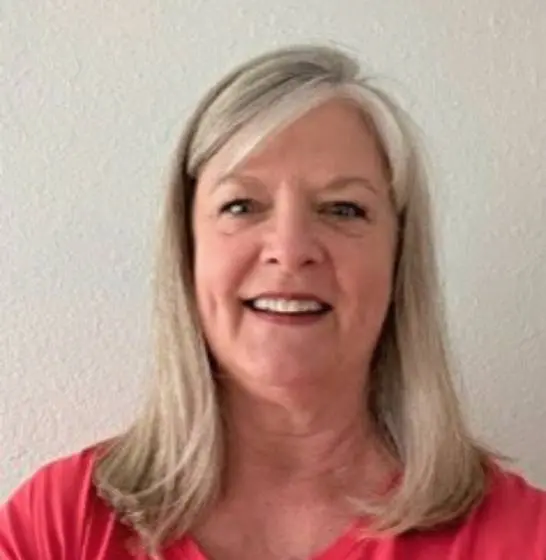
Roxanne Nelson
Board Chairman
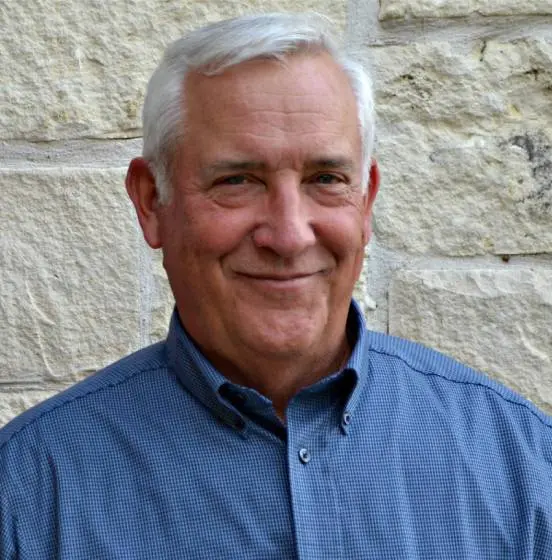
Tom Bonn
Board Vice Chairman
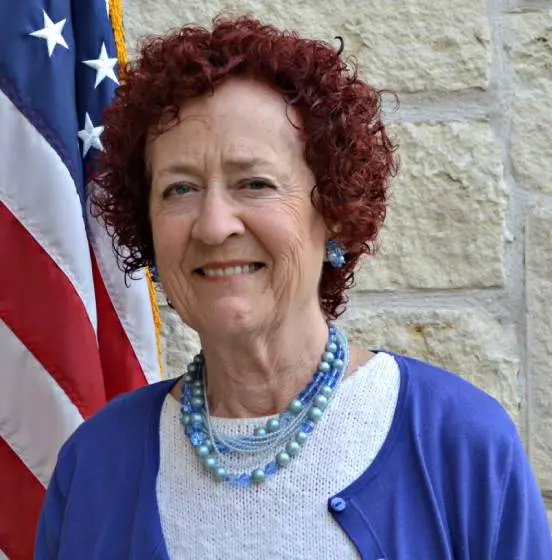
Barbara Bogart
Board Secretary
Accreditations

The Commission on Accreditation of Rehabilitation Facilities (CARF) is a non-profit organization that specifically accredits rehab organizations. Founded in 1966, CARF's, mission is to help service providers like rehab facilities maintain high standards of care.
CARF Accreditation: Yes
Contact Information


711 North College Street
Georgetown, TX 78626
Sponsored Helpline


