





























































































About Vogue Recovery Center
Vogue Recovery Center provides substance abuse treatment for adults. You’ll find ’em located out in Las Vegas, Nevada. Clients have a private, relaxing environment to focus on healing while addressing any co-occurring mental health conditions.
Alternative and Traditional Methods
The team at Vogue Recovery Center uses a combination of alternative and traditional approaches to help you overcome addiction. In addition to talk therapy, they include options like yoga, art therapy, psychodrama, and other holistic practices to focus on the underlying causes of addiction.
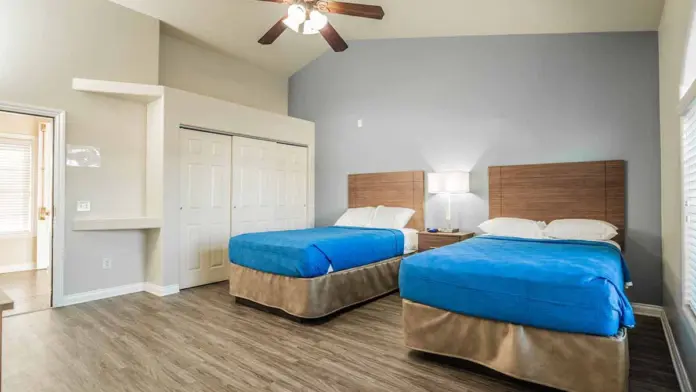
Their facility has a community atmosphere where everyone feels accepted. There are activities and amenities that keep you engaged in treatment and having fun, like game rooms, recreation rooms, and grilling areas. The decor is warm and the natural accents and hardwood floors and tiles can relax your mood and get you in the spirit of community healing.
Vogue understands that addiction affects families, and they include loved ones for visitation and involvement to help mend relationships and create a supportive network for sobriety.
Medically Supervised Detox Services
They offer short and extended medical detox services. They have staff available 24/7 to ensure you are safe and comfortable. Medication assisted treatment (MAT) is available for clients experiencing alcohol or opioid addiction to help lessen withdrawal symptoms and reduce cravings.
Most clients remain in detox for 3 to 11 days, depending on the severity of symptoms. Some situations take longer, and they don’t rush the process.
They have specific treatment plans for first responders and veterans to target the unique challenges they may face when dealing with substance use. Vogue also specializes in treating LGBTQIA members. Everyone is welcome at Vogue and is treated with respect and compassion.
Aftercare is included in the program and may involve support groups, therapy appointments, fitness and nutrition regimens, and Alumni groups.
Latest Reviews



Rehab Score
 Our Methodology


Gallery
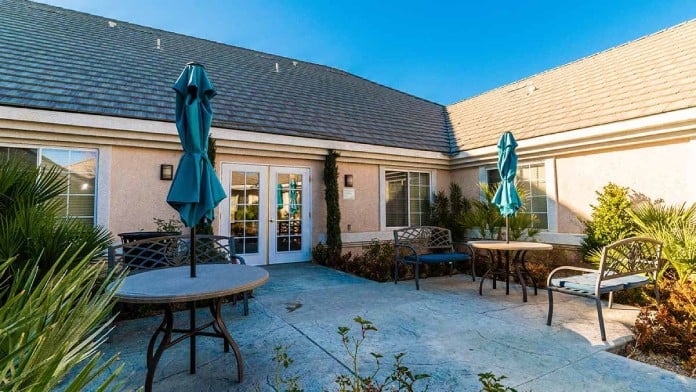

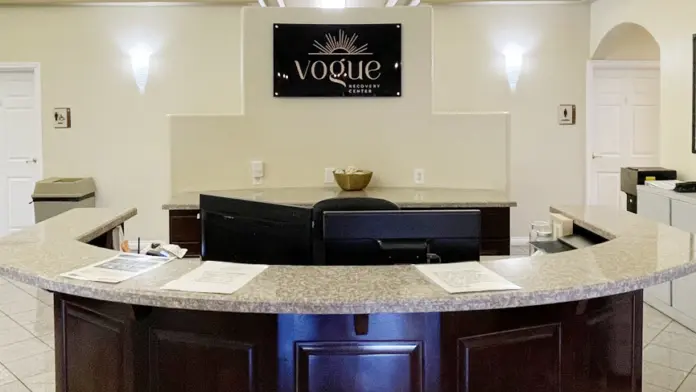
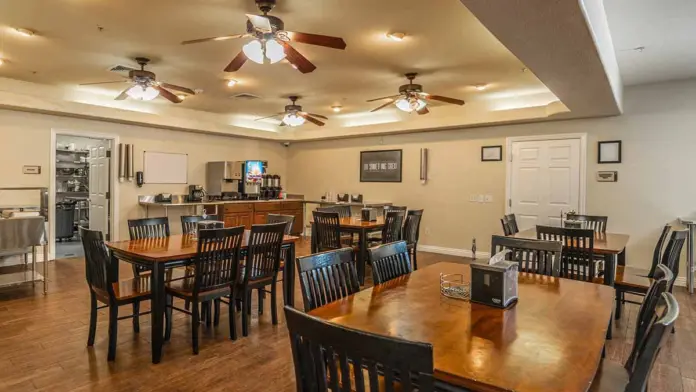
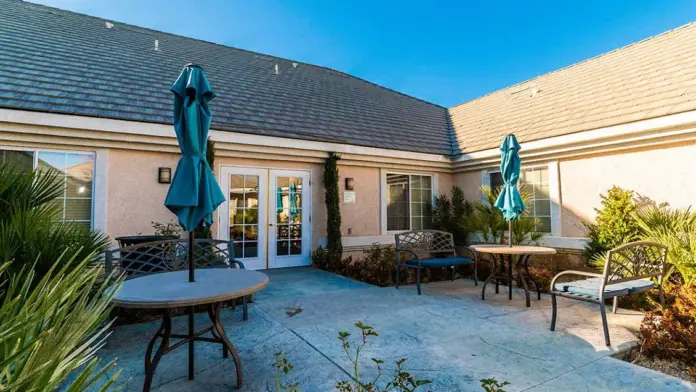
Accepted Insurance
Other Forms of Payment
Private insurance refers to any kind of healthcare coverage that isn't from the state or federal government. This includes individual and family plans offered by an employer or purchased from the Insurance Marketplace. Every plan will have different requirements and out of pocket costs so be sure to get the full details before you start treatment.
Self-pay involves paying for treatment out of your own pocket. You can use savings or credit, get a personal loan, or receive help from family and friends to fund your treatment. If you don't have insurance or your insurance plan doesn't cover a specific program, self-pay can help ensure you still get the care you need.
Financial aid can take many forms. Centers may have grants or scholarships available to clients who meet eligibility requirements. Programs that receive SAMHSA grants may have financial aid available for those who need treatment as well. Grants and scholarships can help you pai for treatment without having to repay.
Addiction Treatments
Levels of Care
Outpatient Programs (OP) are for those seeking mental rehab or drug rehab, but who also stay at home every night. The main difference between outpatient treatment (OP) and intensive outpatient treatment (IOP) lies in the amount of hours the patient spends at the facility. Most of the time an outpatient program is designed for someone who has completed an inpatient stay and is looking to continue their growth in recovery. Outpatient is not meant to be the starting point, it is commonly referred to as aftercare.
Residential treatment programs are those that offer housing and meals in addition to substance abuse treatment. Rehab facilities that offer residential treatment allow patients to focus solely on recovery, in an environment totally separate from their lives. Some rehab centers specialize in short-term residential treatment (a few days to a week or two), while others solely provide treatment on a long-term basis (several weeks to months). Some offer both, and tailor treatment to the patient's individual requirements.
Intensive Outpatient programs are for those who want or need a very structured treatment program but who also wish to live at home and continue with certain responsibilities (such as work or school). IOP substance abuse treatment programs vary in duration and intensity, and certain outpatient rehab centers will offer individualized treatment programs. The Intensive Outpatient Program gives patients the chance to participate in a structured treatment plan part-time while they transition back to home and work or other responsibilities.
A partial hospitalization program (PHP) is a short-term form of intensive rehab, usually for those with acute symptoms that are hard to manage but don’t require 24-hour care. PHPs have structured programming (i.e. individual and/or group therapy), and usually meet 3-5 days a week for around 6 hours (i.e. 9am-3m). Some PHPs are residential (patients sleep on site) and some are not, so patients sleep at home. PHPs can last from 1-6 months, and some offer transportation and meals.
Ridding your body of alcohol and drugs in a medically supervised environment is known as medically supervised detox. During this period of inpatient care, you are monitored by a team of medical professionals whose job it is to help keep you as safe and comfortable as possible while addressing any withdrawal symptoms. Medically supervised detox is typically the first step in the recovery process, and usually takes an average of 5-7 days.
Programs
Adult rehab programs include therapies tailored to each client's specific needs, goals, and recovery progress. They are tailored to the specific challenges adult clients may face, including family and work pressures and commitments. From inpatient and residential treatment to various levels of outpatient services, there are many options available. Some facilities also help adults work through co-occurring conditions, like anxiety, that can accompany addiction.
Young adulthood can be an exciting, yet difficult, time of transition. Individuals in their late teens to mid-20s face unique stressors related to school, jobs, families, and social circles, which can lead to a rise in substance use. Rehab centers with dedicated young adult programs will include activities and amenities that cater to this age group, with an emphasis on specialized counseling, peer socialization, and ongoing aftercare.
Clinical Services
Substance abuse counselors may apply cognitive behavioral therapy in Nevada during individual, family, or group sessions. Using a goal oriented approach, the therapist will help participants change negative thinking and behavioral patterns to address substance use and related challenges.
If you're experiencing substance use disorder, dialectical behavior therapy in Nevada can help you reduce cravings, learn healthier ways to manage stress, and avoid situations that can lead to substance abuse. Treatment includes one on one sessions with your therapist as well as group sessions to practice the skills you're learning.
Group therapy opportunities in Nevada allow you to see how successful recovery behaviors are modeled by your peers. You learn conflict resolution skills and are empowered to recognize your strengths and overcome your addiction.
Individual therapy provides you with a confidential setting to explore the complex factors that contribute to drug and alcohol addiction. Your therapist can provide tailored support and help you develop healthy coping strategies, improve self control, and build a foundation for sustainable sobriety.
 Eye Movement Desensitization And Reprocessing
During family therapy sessions, your therapist facilitates discussions that help members of the family unit understand addiction and how it affects the entire family, providing you with coping strategies that help to strengthen the family unit.
During rehab treatment in Nevada, it may be difficult to put your emotions and thoughts into words. Creative arts therapy provides an alternative form of expression that allows you to communicate your struggles and process your emotions.
Amenities
-
 Gym
Gym -
 Yoga Studio
Staff & Accreditations
Staff
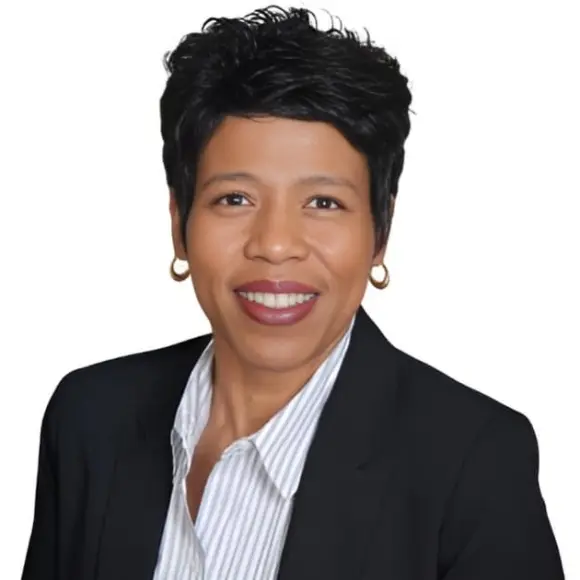
Theresa Brown, RN, MSW
National Director of Nursing
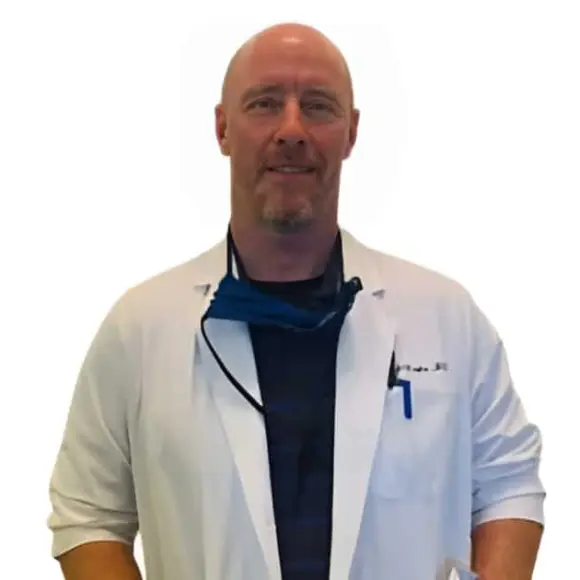
Dr. Westbrook Kaplan, MD
Associate Medical Director

David McGarry
VP of Business Development
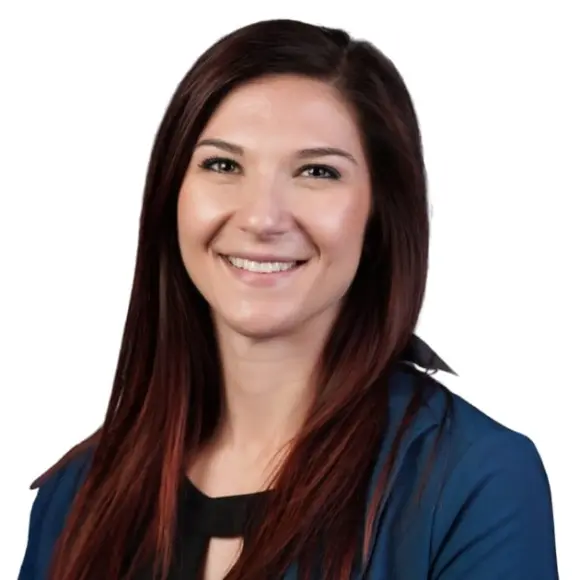
Kylee Briney, MBA
Executive Director
Accreditations

LegitScript has reviewed Vogue Recovery Center as part of their certification program, and has determined that it meets the LegitScript standards for legality, safety and transparency.
LegitScript verified in

The Joint Commission, formerly known as JCAHO, is a nonprofit organization that accredits rehab organizations and programs. Founded in 1951, the Joint Commision's mission is to improve the quality of patient care and demonstrating the quality of patient care.
Joint Commission Accreditation: Yes
Rehab.com regularly reviews this listing for accuracy but changes may occur between updates. For the most up-to-date information, please contact Vogue Recovery Center.
Contact Information


4011 McLeod Drive
Las Vegas, NV 89121
Sponsored Helpline


