










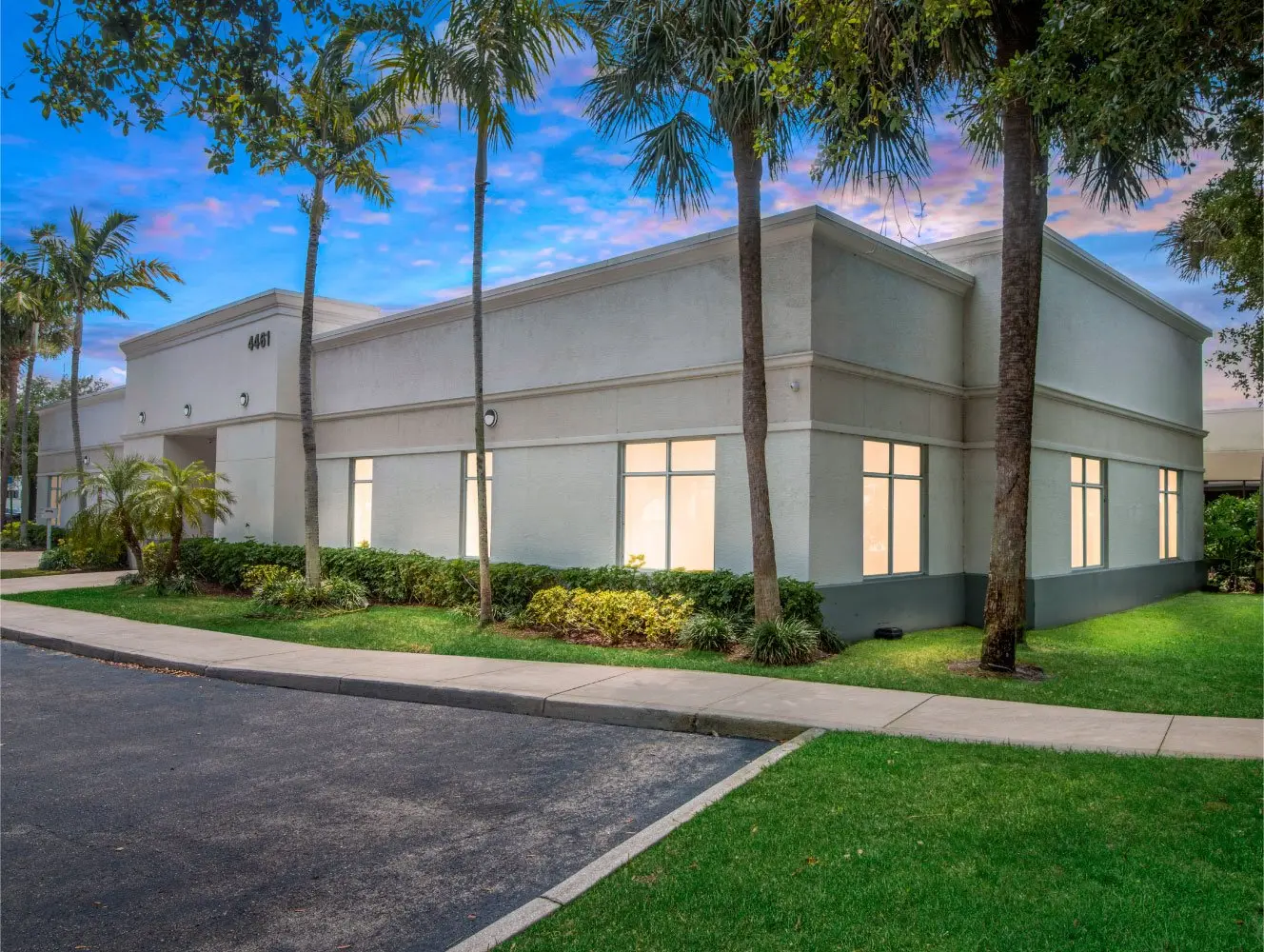
All In Solutions Wellness Center
1
Top 10 Rehab Centers In West Palm Beach




















































































They offered medication assisted treatment (MAT) to ease withdrawal symptoms. While receiving this treatment, clients also attended therapy. The therapy consisted of individual, group and family sessions. During this time, participants learned coping skills and what community resources are available as they started to get involved in the community again. They also learned social skills and dealing with everyday life and the challenges that they may have been confronted with.
This center provided detox from alcohol and other substances. While in detox, you were monitored by a medical staff to help keep you safe and comfortable. After detox, you could enter the residential treatment program. They also offered an outpatient treatment program and an aftercare program. You could meet with your team to decide on the best treatment plan for you and your circumstances.
Former clients have said that this place provided a great start to your rehab and recovery journey. They have said that the staff was genuinely concerned about you and cared about you. They also said the staff were very welcoming, always treated you well, and did their jobs with love.

 Our Methodology


Private insurance refers to any kind of healthcare coverage that isn't from the state or federal government. This includes individual and family plans offered by an employer or purchased from the Insurance Marketplace. Every plan will have different requirements and out of pocket costs so be sure to get the full details before you start treatment.
Self-pay involves paying for treatment out of your own pocket. You can use savings or credit, get a personal loan, or receive help from family and friends to fund your treatment. If you don't have insurance or your insurance plan doesn't cover a specific program, self-pay can help ensure you still get the care you need.
Outpatient rehabs encompass multiple levels of care to facilitate clients' progress through their recovery journey. Clients who are stepping down from inpatient treatment may require intensive outpatient (IOP) treatment, which involves more frequent and substantive therapeutic interventions than does standard outpatient care. Outpatient centers typically provide extensive addiction counseling, including individual, group, and family therapy. Medication assisted treatment programs (MAT) and recovery-focused life skills training are also common in outpatient care.
Residential treatment programs are those that offer housing and meals in addition to substance abuse treatment. Rehab facilities that offer residential treatment allow patients to focus solely on recovery, in an environment totally separate from their lives. Some rehab centers specialize in short-term residential treatment (a few days to a week or two), while others solely provide treatment on a long-term basis (several weeks to months). Some offer both, and tailor treatment to the patient's individual requirements.
Intensive outpatient programs (IOP) involve frequent and robust therapeutic sessions for clients requiring high-level care. Clients may engage in a combination of medication assisted treatment (MAT), addiction counseling, recovery skills training, and holistic therapies for a minimum of nine and a maximum of 20 hours per week. Intensive outpatient rehab is designed primarily for persons in early recovery, those exiting detox or inpatient care, and those at an elevated relapse risk.
12 step programs support recovery through emotional, psychological, and spiritual development to address the root causes of addiction. These programs are peer directed, with participants regularly attending 12 step meetings, which are anonymous, free, and accessible day and night, year-round. Recovery is based on "working the steps" to understand the source of addiction, take accountability for one's life choices, and relinquish control for that which cannot be changed. Age-specific, gender-separate, and other specialized programs are widely available.
Often referred to as "day treatment," a partial hospitalization program (PHP) offers an intensive treatment option that allows individuals to return home at night. PHP treatment typically requires a minimum of 20 hours a week for an average of 90 days. Participants attend daily therapeutic sessions, receive medication management, and have access to skilled medical professionals. While costs can vary, most insurance will fully or partially cover a partial hospitalization program.
Drug and alcohol addiction often takes a heavy toll on one's body. Over time, a physical dependence can develop, meaning the body physiologically needs the substance to function. Detox is the process of removing drugs and/or alcohol from the body, a process that can be lethal if mismanaged. Medical detox is done by licensed medical professionals who monitor vital signs and keep you safe, healthy, and as comfortable as possible as you go through detox and withdrawal. The length of stay at the detoxification program is determined according to the specific needs of the patient.
The goal of treatment for alcoholism is abstinence. Those with poor social support, poor motivation, or psychiatric disorders tend to relapse within a few years of treatment. For these people, success is measured by longer periods of abstinence, reduced use of alcohol, better health, and improved social functioning. Recovery and Maintenance are usually based on 12 step programs and AA meetings.
Drug rehab in Florida provides quality treatment to help individuals overcome dependency related to a wide range of addictive substances. Programs address both the physical and mental aspects of addiction in order to help you make a full recovery.
Opioid rehabs specialize in supporting those recovering from opioid addiction. They treat those suffering from addiction to illegal opioids like heroin, as well as prescription drugs like oxycodone. These centers typically combine both physical as well as mental and emotional support to help stop addiction. Physical support often includes medical detox and subsequent medical support (including medication), and mental support includes in-depth therapy to address the underlying causes of addiction.
Substance rehabs focus on helping individuals recover from substance abuse, including alcohol and drug addiction (both illegal and prescription drugs). They often include the opportunity to engage in both individual as well as group therapy.
Adult rehab programs include therapies tailored to each client's specific needs, goals, and recovery progress. They are tailored to the specific challenges adult clients may face, including family and work pressures and commitments. From inpatient and residential treatment to various levels of outpatient services, there are many options available. Some facilities also help adults work through co-occurring conditions, like anxiety, that can accompany addiction.
Young adulthood can be an exciting, yet difficult, time of transition. Individuals in their late teens to mid-20s face unique stressors related to school, jobs, families, and social circles, which can lead to a rise in substance use. Rehab centers with dedicated young adult programs will include activities and amenities that cater to this age group, with an emphasis on specialized counseling, peer socialization, and ongoing aftercare.
Serving in the military is both mentally and physically challenging, and can result in trauma that persists even after combat ends. Military programs are tailored to the specific and often complex needs of active duty personnel, veterans, and military families. Clients often access these programs through the U.S. Department of Veterans Affairs (VA).
Therapists who apply cognitive behavioral therapy in Florida believe patient thoughts and behaviors are closely linked. They use this treatment method to help clients change their thought patterns so they can also change behaviors and break free from substance abuse.
Dialectical behavior therapy in Florida consists of individual therapy and group instruction. This structured program is a form of psychotherapy that incorporates the development of skills for managing emotions and relationships.
Group therapy provides a safe and supportive environment for people in Florida who are struggling with drug addiction. There you can openly discuss the challenges and progress you're making without fear of judgment from your peers who experience many of the same things you are.
In individual therapy, a patient meets one-on-one with a trained psychologist or counselor. Therapy is a pivotal part of effective substance abuse treatment, as it often covers root causes of addiction, including challenges faced by the patient in their social, family, and work/school life.
As a short term therapeutic method, motivational interviewing in Florida requires only a couple of sessions. During these sessions, you'll have the opportunity to talk about your circumstances and any discrepancies between your current situation and future goals. You'll then decide for yourself what changes you want to make.
During couples therapy in Florida, your therapist will take steps to get to know you, help you identify feelings, explore the past, develop solutions, and help you learn skills to manage relationship challenges. This process will allow you to work through conflict and strengthen your relationship.
During family therapy sessions, you navigate the complexities of addiction and are provided tools to help improve communication and resolve conflicts. When you work together, families can better support their loved one's recovery and restore balance and harmony within the household.
Your mind, body, and emotions interact in complex ways. Experiential therapy addresses all three of these aspects. Interactive and creative activities provide physical sensations and evoke emotional responses. These offer insight into how you interact with the world and any negative patterns you need to change.
 Yoga Studio
  Residential Setting
  Private Rooms
  Spa
Spa 
The Substance Abuse and Mental Health Services Administration (SAMHSA) is a branch of the U.S. Department of Health and Human Services. Established in 1992 by congress, SAMHSA's mission is to reduce the impact of substance abuse and mental illness on American's communities.
SAMHSA Listed: Yes

State Licenses are permits issued by government agencies that allow rehab organizations to conduct business legally within a certain geographical area. Typically, the kind of program a rehab facility offers, along with its physical location, determines which licenses are required to operate legally.
State License: Florida
License Number: 1047355

The Joint Commission, formerly known as JCAHO, is a nonprofit organization that accredits rehab organizations and programs. Founded in 1951, the Joint Commision's mission is to improve the quality of patient care and demonstrating the quality of patient care.
Joint Commission Accreditation: Yes
Rehab.com regularly reviews this listing for accuracy but changes may occur between updates. For the most up-to-date information, please contact 1 Solution Detox.

2901 Broadway Ave
West Palm Beach, FL 33407
Sponsored Helpline

Are you closed permanently??

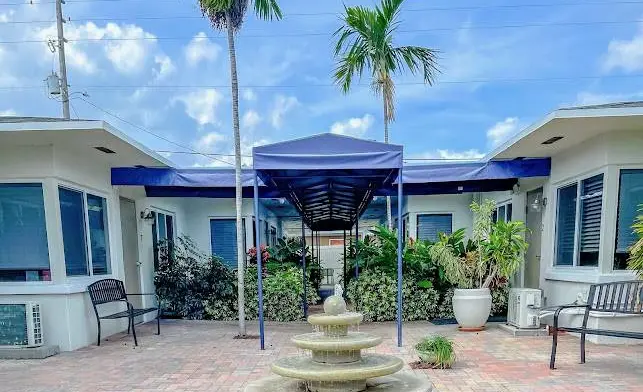
A year ago yesterday Kat picked me up from the airport. In 10 minutes, I'll be going to a meeting to pick up my 1-year chip ❤️ From the moment I picked up the phone and spoke with the rep, Trisha, I had an amazing experience! She and my sister helped me coordinate my trip, as I was in no condition to do so myself. Within hours I had an airplane ticket and a bed. The first week is a daze. But I was comfortable, taken care of, and well fed. They also accommodated my dietary needs. The med staff paid close attention, monitoring vitals, and doing extra check-ins as needed (ex: coming during the night to check blood pressure if too low). The medication made detox comfortable, and made me feel safe (a major reason I chose a center was fear of DTs/death). The staff doctor was great, too. While there, we were offered groups that were very beneficial. These included relaxation/meditation/ mindfulness sessions, communication classes, and chiropractic services. There were fun activities like tiedye and group painting. H & I also came in daily, or was run by house staff. This was my intro to AA, which I've come to love and embrace. The rooms were comfortable, with a TV for each bed (head phones provided). My particular roommate situation was incredible! 3 of us text regularly, and are certain to be lifelong friends. The grounds are beautiful! The courtyard is a lovely place to relax and socialize. The back yard area has activities like corn hole and yard nuts. There's a sandbox that I called my beach, and would lounge and journal with my feet in the sand. Initially, I planned on detox, only, and then returning to Michigan. When I realized that detox was only the first step, they had reps from rehab facilities visit to help coordinate the second step. Shout out to Kenny, Kat. Marissa, Kenith, Rick and Felicai. I'm sure staff has changed, and that I've forgotten many names. But I'll never forget the amazing people that helped me start my road to recovery.

Just spent a well needed 3wks at 1 solution detox. The entire staff is great. Directors , Doctors ,techs ,nurses and therapist all do their job with ❤️. I would definitely recommend treatment there to anybody struggling with a drug/alcohol disease. Rick W

The staff and program helped bring me back to myself, they put me on the right track for a successful recovery and I couldn’t be more grateful for them. They met my needs and more. They made me feel like my life was worth living and that’s all I could ask for, I’m excited for this journey and I’ll definitely be back to visit. Thank you guys so much ❤️
 Back
Back
Sharing your insights and experiences can help others learn more about this rehab center.
 Written By: Linda Dotson
