Get Help Now
Question iconSponsored Helpline
Phone icon 800-784-1361

Able to Change Recovery – Men’s Residential Facility

31501 Rancho Viejo Rd
San Juan Capistrano, CA 92675
Claim Profile
1
Top 10 Rehab in San Juan Capistrano
Rehab Score
Our Rehab Score is designed to make it easier for you to find the best treatment centers. We combine overall ratings with recent feedback to create a score that reflects a center's quality right now.
8.01 / 10
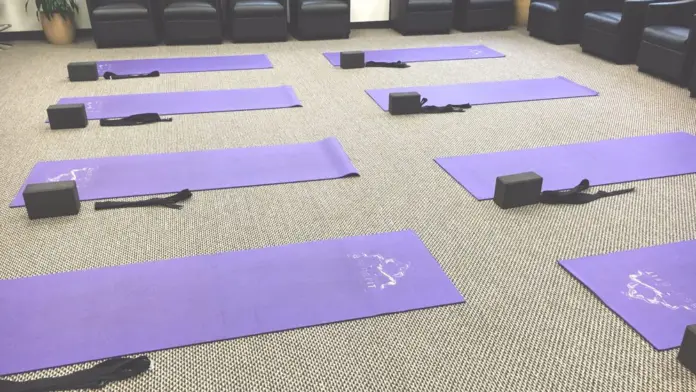
The facilities at Able to Change Recovery - Men's Residential Facility in San Juan Capistrano, CA 3
1
Top 10 Rehab in San Juan Capistrano
Rehab Score
Our Rehab Score is designed to make it easier for you to find the best treatment centers. We combine overall ratings with recent feedback to create a score that reflects a center's quality right now.
8.01 / 10

About Able to Change Recovery – Men’s Residential Facility

Most clients at Able to Change Recovery begin their journey with a partial hospitalization program (PHP). This intensive treatment plan involves 36 hours of addiction care per week, including individual, family, and group therapy, addiciton education, and relapse prevention. The program guides clients through a series of milestone accomplishments in their recovery while clients live at home or a sober living facility.

After completing the partial hospitalization program, Able to Change Recovery clients may progress to the intensive outpatient program (IOP.) This program is less intensive and more flexible than the PHP, with 9-15 hours of substance use treatment per week. Services are similar to the PHP, and the program works around work or school schedules with flexible options like evening therapy sessions and Zoom sessions.

After treatment, clients have access to a long-term outpatient program. This program includes 1-2 days per week of treatment for several months. Able to Change Recovery also offers three gender-exclusive extended care homes for clients who benefit from sober living. There are two Lake Forest homes for men and one Laguna Hills home for women.

Able to Change Recovery may accept insurance from carriers such as Aetna, Cigna, BlueCross/BlueShield, Humana, TRICARE, Wellmark, United Healthcare, and Ambetter. Be sure to check with the insurer to verify out of network benefits and other coverage information.

Similar Rehab Centers

Fact checked and written by:
Rita Milios, LCSW, SAP
Edited by:
Anna Spooner

Latest Reviews

Austin Allen
2 months ago on Google
2
I previously rated this program 5 stars, but after my recent experience I feel compelled to update my rating to 2 stars. The physical facility remains clean and welcoming, but the quality of staffing, structure, and clinical oversight has noticeably declined since my stay two years ago. Nearly all experienced staff from that time have left and been replaced largely by trainees or associate-level employees, many of whom openly identify themselves as such. Historically, this program offered separate groups for mental health and substance use disorders, as well as gender-specific groups. These were extremely valuable and contributed meaningfully to treatment. Unfortunately, those distinctions have been eliminated, resulting in a more generic and less responsive therapeutic experience. At present, there does not appear to be a licensed therapist (LMFT, LCSW, etc.) actively on site providing clinical leadership or supervision. Associate therapists are capable and well-intentioned, but they require licensed supervision, both for ethical care and program integrity. The lack of visible licensed oversight is concerning. Therapist and case manager roles are combined, yet essential case management tasks are not being handled. When I needed assistance with an insurance-related issue, I was told directly, “Sorry, I don’t know anything about that.” I ultimately resolved the issue myself. This reflects systemic shortcomings in training and support, not individual laziness. For a PHP-level program, basic client supports are also missing. The program does not provide food cards or meal support despite long treatment days. Outings are unpaid and poorly structured—often consisting of aimless walks around a mall. Saturday “outings” sometimes consist of simply watching movies at the center, which raises questions about how these qualify as therapeutic or supportive activities at all. Group programming is highly repetitive. One facilitator regularly plays a meditation and recites general information about Acceptance and Commitment Therapy (ACT). While ACT is a valid modality, it is not tailored to client-specific struggles and feels more instructional than therapeutic. This same group occurs multiple times per week. There are, however, staff members worth recognizing: Brooks, the house manager, is extremely hardworking and reliable. He maintains the facility, transports clients, and functions as a backbone of daily operations. This place would collapse without him. Cody, the assistant house manager, brings a joking, lighthearted personality that has genuinely helped lift my mood on difficult days. He cares. Wayne, an associate therapist, clearly cares about clients and is capable in his role as a therapist. However, he is being asked to function without adequate guidance or licensed supervision as a case manager, which ultimately sets him—and clients—up to fail. One particularly troubling incident involved Casen, who confronted me aggressively and unprofessionally during his smoke break rather than in a private or clinical setting. There was no attempt to schedule a meeting or clarify expectations—only raised voice and hostility related to an administrative issue I had already resolved independently. This interaction was inappropriate and indicative of poor staff boundaries. I hope this program can return to the level of care it once provided. At present, it feels like a once-strong program weakened by understaffing, lack of licensed leadership, and cost-cutting at the expense of client care. Significant structural and clinical changes are needed.
Response from the owner1 month ago
Thank you for your feedback. Due to HIPAA regulations, we’re unable to address specific experiences publicly, but we take all concerns seriously and are continuously working to improve. We encourage you to contact us directly so we can address your concerns appropriately and confidentially.
Mark Aguilar
8 months ago on Google
5
My experience at Able 2 Change was amazing! Life changing. It really was first class. The staff was very professional and helpful. Everyone is super nice and friendly. They treat you with respect and kindness. Their integrity is of the highest level. I worked for Trader Joes for 28 years and we were proud of the quality of customer service we provided. I can for sure say that Able 2 Change has the highest level of customer service. Ten stars for sure! It feels so wonderful to be on the receiving end. Brooks is awesome! He is so helpful and friendly. He always has a positive attitude and is such a hard worker. Thank you everyone for such a wonderful journey.
Response from the owner1 month ago
Thank you for such a heartfelt and thoughtful reflection. We’re honored to hear that your experience at Able2Change Orange County Drug & Alcohol Rehab was truly life-changing. Providing a first-class level of care, respect, and integrity is at the core of what we do, and it means a lot coming from someone who knows the value of exceptional service. We’re thrilled that you felt supported every step of the way and that our team helped make your journey such a meaningful one. Wishing you continued growth and wellness!
Tricia O’Brien
10 months ago on Google
3
The therapists are excellent and I’m grateful for the work they did with me. Disruptive clients are tolerated at the expense of people who want to get better. Don’t reach out to them if you need anything after treatment, even if it’s a small amount of support. They’re done with you and moving to the next person at that point.
Response from the owner9 months ago
Thank you for taking the time to share your feedback. We're truly grateful to hear that you had a positive experience with our therapists and that their work was meaningful to you — that means a great deal to us.

We also want to sincerely acknowledge your concerns. We're sorry to hear that you felt unsupported after treatment. It’s never our intention for anyone to feel overlooked or discouraged, especially during such a vulnerable and important time in their recovery journey.

Your feedback is important, and we’ll be taking it to heart as we continue to improve the way we support both our current and alumni clients.
Wishing you continued strength and healing on your path forward.
Rehab.com icon

Rehab Score

Question iconOur Methodology
Scoring is assigned by a proprietary system which helps surface key metrics that determine quality. The 10-point scale factors in categories such as operations, customer satisfaction, and trust metrics. Read Full MethodologyCaret icon
Gauge icon
8 / 10

Accepted Insurance

Please contact to verify your specific insurance provider.

Able to Change Recovery – Men’s Residential Facility works with several private insurance providers, please contact to verify your specific insurance provider.

Other Forms of Payment

Private insurance refers to any kind of healthcare coverage that isn't from the state or federal government. This includes individual and family plans offered by an employer or purchased from the Insurance Marketplace. Every plan will have different requirements and out of pocket costs so be sure to get the full details before you start treatment.

Self-pay involves paying for treatment out of your own pocket. You can use savings or credit, get a personal loan, or receive help from family and friends to fund your treatment. If you don't have insurance or your insurance plan doesn't cover a specific program, self-pay can help ensure you still get the care you need.

Sliding scale payments are based on a client's income and family size. The goal is to make treatment affordable to everyone. By taking these factors into account, addiction recovery care providers help ensure that your treatment does not become a financial burden to you or your family, eliminating one barrier to care.

Addiction Treatments

Levels of Care

Outpatient Programs (OP) are for those seeking mental rehab or drug rehab, but who also stay at home every night. The main difference between outpatient treatment (OP) and intensive outpatient treatment (IOP) lies in the amount of hours the patient spends at the facility. Most of the time an outpatient program is designed for someone who has completed an inpatient stay and is looking to continue their growth in recovery. Outpatient is not meant to be the starting point, it is commonly referred to as aftercare.

Inpatient rehab provides intensive treatment for clients exiting detox, those in early recovery, and those at an elevated risk of relapse. Unlike outpatient drug rehab, clients receiving inpatient care reside at the facility for the duration of the program. The length of stay may range from two weeks to 18 months or more, depending on the client's needs and the program's design. Inpatient treatment typically involves extensive addiction education and recovery-focused life skills training.

Intensive Outpatient Programs (IOP) are for those who want or need a very structured treatment program but who also wish to live at home and continue with certain responsibilities (such as work or school). IOP substance abuse treatment programs vary in duration and intensity, and certain outpatient rehab centers will offer individualized treatment programs.

12-step programs are addiction recovery models based on Alcoholics Anonymous (AA). A number of substance abuse programs (including some drug and alcohol rehab centers) use the 12 steps as a basis for treatment. Beginning steps involve admitting powerlessness over the addiction and creating a spiritual basis for recovery. Middle steps including making direct amends to those who've been hurt by the addiction, and the final step is to assist others in addiction recovery in the same way. 12-Step offshoots including Narcotics Anonymous (NA), Cocaine Anonymous (CA), Dual Recovery Anonymous (DRA), Sex and Love Addicts Anonymous (SLAA) and Gamblers Anonymous (GA).

Commonly known as "day treatment," a partial hospitalization program (PHP) is an intensive form of outpatient treatment where clients meet during the day and return home in the evening. PHP treatment doesn't require 24-hour care and often serves as an alternative to inpatient hospitalization or a step-down after a residential program. With PHP treatment, you can receive daily support for 6 to 8 hours which includes evidence-based therapies and medication management. The cost of PHP treatment typically varies but averages 90 days.

Drug and alcohol addiction often takes a heavy toll on one's body. Over time, a physical dependence can develop, meaning the body physiologically needs the substance to function. Detox is the process of removing drugs and/or alcohol from the body, a process that can be lethal if mismanaged. Medical detox is done by licensed medical professionals who monitor vital signs and keep you safe, healthy, and as comfortable as possible as you go through detox and withdrawal.

Treatments

The goal of treatment for alcoholism is abstinence. Those with poor social support, poor motivation, or psychiatric disorders tend to relapse within a few years of treatment. For these people, success is measured by longer periods of abstinence, reduced use of alcohol, better health, and improved social functioning. Recovery and Maintenance are usually based on 12 step programs and AA meetings.

Drug rehab in California teaches participants constructive ways to stay clean and sober. Treatment revolves around helping individuals stop using the substance they are addicted to and learn healthy habits to avoid relapse.

Many of those suffering from addiction also suffer from mental or emotional illnesses like schizophrenia, bipolar disorder, depression, or anxiety disorders. Rehab and other substance abuse facilities treating those with a dual diagnosis or co-occurring disorder administer psychiatric treatment to address the person's mental health issue in addition to drug and alcohol rehabilitation.

A combined mental health and substance abuse rehab has the staff and resources available to handle individuals with both mental health and substance abuse issues. It can be challenging to determine where a specific symptom stems from (a mental health issue or an issue related to substance abuse), so mental health and substance abuse professionals are helpful in detangling symptoms and keeping treatment on track.

Opioid rehabs specialize in supporting those recovering from opioid addiction. They treat those suffering from addiction to illegal opioids like heroin, as well as prescription drugs like oxycodone. These centers typically combine both physical as well as mental and emotional support to help stop addiction. Physical support often includes medical detox and subsequent medical support (including medication), and mental support includes in-depth therapy to address the underlying causes of addiction.

Programs

Adult rehab programs include therapies tailored to each client's specific needs, goals, and recovery progress. They are tailored to the specific challenges adult clients may face, including family and work pressures and commitments. From inpatient and residential treatment to various levels of outpatient services, there are many options available. Some facilities also help adults work through co-occurring conditions, like anxiety, that can accompany addiction.

Young adulthood can be an exciting, yet difficult, time of transition. Individuals in their late teens to mid-20s face unique stressors related to school, jobs, families, and social circles, which can lead to a rise in substance use. Rehab centers with dedicated young adult programs will include activities and amenities that cater to this age group, with an emphasis on specialized counseling, peer socialization, and ongoing aftercare.

Recovery is most successful when clients feel accepted and validated by their peers and treatment providers. Facilities that offer LGBTQ-inclusive programming are committed to creating a safe space where everyone can grow and recover without fear of judgment or discrimination. They will have dedicated policies in place to create a safe and supportive environment that fosters free expression.

Clinical Services

Cognitive behavioral therapy in California is a method that therapists often use for the effective treatment of substance use disorders. It is based on the principle that substance abuse stems from unhelpful ways of thinking and patterns of behavior, which can be changed by helping the individual learn better ways of coping.

While participating in dialectical behavior therapy in California, you'll focus on four key areas of skill development: mindfulness, interpersonal effectiveness, emotion regulation, and distress tolerance. Treatment includes weekly individual and group sessions.

Group therapy is any therapeutic work that happens in a group (not one-on-one). There are a number of different group therapy modalities, including support groups, experiential therapy, psycho-education, and more. Group therapy involves treatment as well as processing interaction between group members.

In individual therapy, a patient meets one-on-one with a trained psychologist or counselor. Therapy is a pivotal part of effective substance abuse treatment, as it often covers root causes of addiction, including challenges faced by the patient in their social, family, and work/school life.

For clients who are struggling with ambivalence toward change, motivational interviewing in California can help strengthen their commitment to change. Using a conversational method, the therapist helps you explore your motivations and empowers you to make the changes you desire.

Trauma therapy is a structured approach used by therapists to help you heal from a past traumatic event. Your therapist works with you to identify the traumatic memory and process the information so you experience emotional healing and a sense of safety and stability.

The goal of couples therapy in California is to strengthen the couple's relationship. The therapist may take one or more approaches to counseling which may include the Gottman method, emotionally focused therapy, behavioral therapy, and psychodynamic couple's therapy.

Research clearly demonstrates that recovery is far more successful and sustainable when loved ones like family members participate in rehab and substance abuse treatment. Genetic factors may be at play when it comes to drug and alcohol addiction, as well as mental health issues. Family dynamics often play a critical role in addiction triggers, and if properly educated, family members can be a strong source of support when it comes to rehabilitation.

Amenities

  • home-setting iconResidential Setting
  • private-room iconPrivate Rooms

Staff & Accreditations

Staff
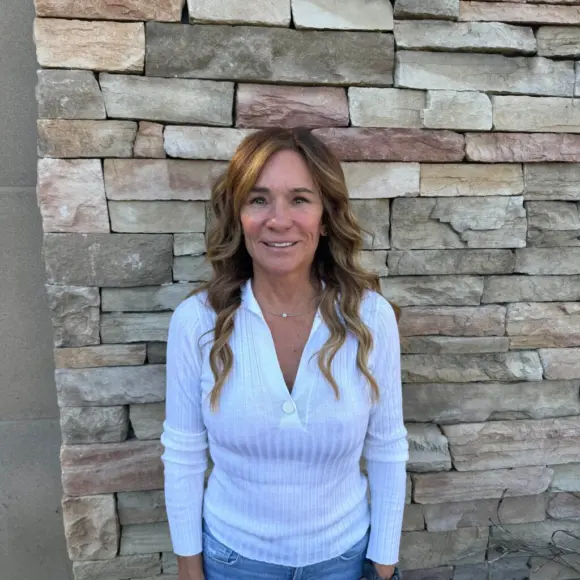
Saralyn Cohen

CEO

Dr. Randall Turner, DO

Medical Director
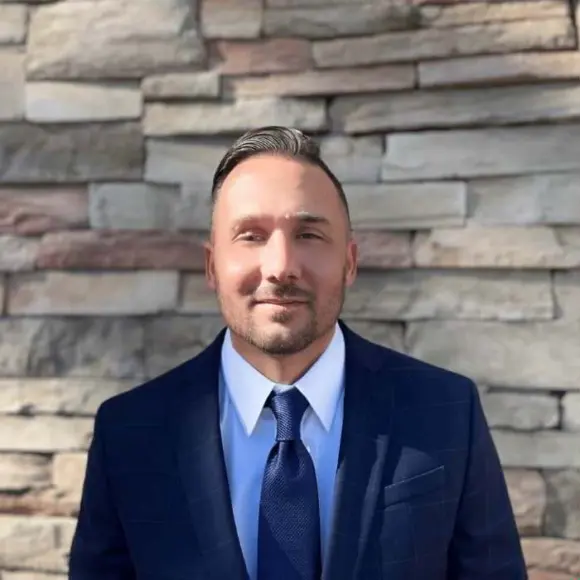
Chris Cramer, MSW, LAADC

Program Director
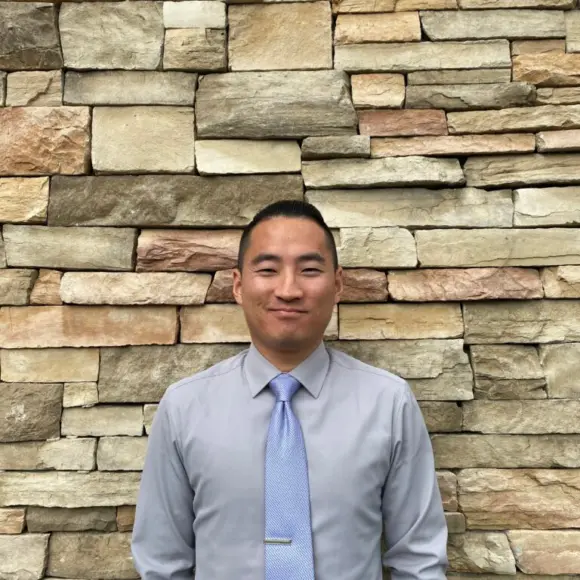
Michael Gallese

Primary Therapist
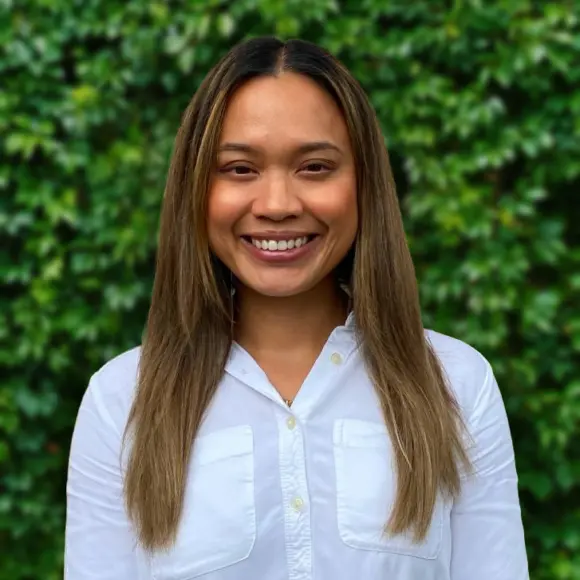
Jessica Nguyen

Primary Therapist
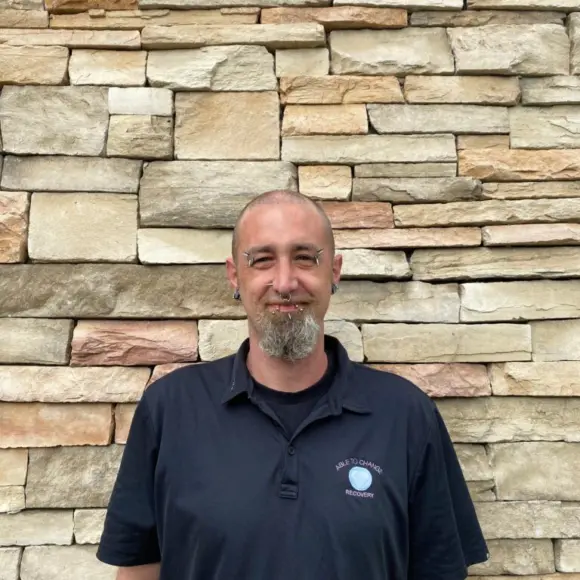
Brooks Kaufman

Operations Manager

Accreditations

The Commission on Accreditation of Rehabilitation Facilities (CARF) is a non-profit organization that specifically accredits rehab organizations. Founded in 1966, CARF's, mission is to help service providers like rehab facilities maintain high standards of care.

CARF Accreditation: Yes

State Licenses are permits issued by government agencies that allow rehab organizations to conduct business legally within a certain geographical area. Typically, the kind of program a rehab facility offers, along with its physical location, determines which licenses are required to operate legally.

State License: California

Contact Information

Building icon

31501 Rancho Viejo Rd
San Juan Capistrano, CA 92675

Reviews of Able to Change Recovery – Men’s Residential Facility

4.6/5 (48 reviews)
0
Staff
0
Amenities
0
Meals
0
Value
0
Cleanliness
5
44
4
0
3
3
2
2
1
4

Reviews

Overall Experience
Date Submitted
Reviewer

Google Reviews

4.6 (48 reviews)
Jane Barnes
3 weeks ago
1

If you want to spend Christmas night on the streets this is the place for you . My experience was absolutely awful . The house manager Bri was very unprofessional and would leave the medicine cabinet unlocked and wide open for any one to have access to others meds .she would often slip out at night and be gone all night on many occasions leaving patients to fend for themselves . Christmas night was an incident when I stuck up for myself against a room mate , Bri threatened police on me and gave me 5 mins to gather my things from 42 days of being there . I was hurried and she refused to give me my meds , also leaving behind clothes shoes and a very expensive pair of prescription glasses . She had no squirms of dropping me off at 11pm on Christmas night . This individual in mine and many’s opinion should be fired immediately. I also had a sneaky suspicion she was high . Another incident was a client relapsed and she would not let her in the house , the poor girl needed immediate medical attention . I and other housemates brought her into the house cleaned her up and called for medical help . If it wasn’t for us that poor girl may of not made it .Bri was only interested about the outcome of her job not a human being . Also no meals were provided at all , not even water . We had a space in the fridge allocated so was very easy for fellow housemates to help themselves to your own paid for food , which happened often. Another incident was I was rushed to ER with severe high blood pressure. When released Bri reluctantly picked me up and refused to take me to get my medicine prescribed urgent from the hospital. She made me wait until the next day which she took me but included a desperate visit to the vape shop, obviously more important to her than my much needed medication The classes consisted of pretty much nothing at all. Including a walk to a bar and vape shop which the classes leader paid for lunch and for people to vape .i have severe asthma and was disgusted that this even took place Please consider somewhere else . This place needs to be sued or closed down period

Response from the owner
We appreciate your feedback and hear your concerns Jane. While we are unable to respond to any specific feedback due to HIPAA, we are consistently striving to provide best-in-class treatment and a high-quality patient experience and looking at ways to improve both. We are available to discuss your feedback and concerns, and suggest contacting us.
Cayson Gallette
1 month ago
5

With 23 Years of Experience you cant go wrong looking to Able to Change For help. Mental Health or Substance use They cover all bases.

James Gray
1 month ago
1

This is the worst place you could send anybody you care about!!!!! My wife was kicked out Christmas Eve with just her suitcase. They kept all her medications that she needed and when I called about her $1,000 prescription glasses that were 2 weeks old they were nowhere to be found. She ended up being dropped off in front of a grocery store and that’s where she spent the whole night until the next morning. I tried calling there several times but nobody ever picks up the phone at this place and if they do they tell you they will call you right back and that’s the last you hear of them.

Response from the owner
We appreciate your feedback and hear your concerns. While we are unable to respond to any specific feedback due to HIPAA, we are consistently striving to provide best-in-class treatment and a high-quality patient experience and looking at ways to improve both. We are available to discuss your feedback and concerns, and suggest contacting us.
Austin Allen
2 months ago
2

I previously rated this program 5 stars, but after my recent experience I feel compelled to update my rating to 2 stars. The physical facility remains clean and welcoming, but the quality of staffing, structure, and clinical oversight has noticeably declined since my stay two years ago. Nearly all experienced staff from that time have left and been replaced largely by trainees or associate-level employees, many of whom openly identify themselves as such. Historically, this program offered separate groups for mental health and substance use disorders, as well as gender-specific groups. These were extremely valuable and contributed meaningfully to treatment. Unfortunately, those distinctions have been eliminated, resulting in a more generic and less responsive therapeutic experience. At present, there does not appear to be a licensed therapist (LMFT, LCSW, etc.) actively on site providing clinical leadership or supervision. Associate therapists are capable and well-intentioned, but they require licensed supervision, both for ethical care and program integrity. The lack of visible licensed oversight is concerning. Therapist and case manager roles are combined, yet essential case management tasks are not being handled. When I needed assistance with an insurance-related issue, I was told directly, “Sorry, I don’t know anything about that.” I ultimately resolved the issue myself. This reflects systemic shortcomings in training and support, not individual laziness. For a PHP-level program, basic client supports are also missing. The program does not provide food cards or meal support despite long treatment days. Outings are unpaid and poorly structured—often consisting of aimless walks around a mall. Saturday “outings” sometimes consist of simply watching movies at the center, which raises questions about how these qualify as therapeutic or supportive activities at all. Group programming is highly repetitive. One facilitator regularly plays a meditation and recites general information about Acceptance and Commitment Therapy (ACT). While ACT is a valid modality, it is not tailored to client-specific struggles and feels more instructional than therapeutic. This same group occurs multiple times per week. There are, however, staff members worth recognizing: Brooks, the house manager, is extremely hardworking and reliable. He maintains the facility, transports clients, and functions as a backbone of daily operations. This place would collapse without him. Cody, the assistant house manager, brings a joking, lighthearted personality that has genuinely helped lift my mood on difficult days. He cares. Wayne, an associate therapist, clearly cares about clients and is capable in his role as a therapist. However, he is being asked to function without adequate guidance or licensed supervision as a case manager, which ultimately sets him—and clients—up to fail. One particularly troubling incident involved Casen, who confronted me aggressively and unprofessionally during his smoke break rather than in a private or clinical setting. There was no attempt to schedule a meeting or clarify expectations—only raised voice and hostility related to an administrative issue I had already resolved independently. This interaction was inappropriate and indicative of poor staff boundaries. I hope this program can return to the level of care it once provided. At present, it feels like a once-strong program weakened by understaffing, lack of licensed leadership, and cost-cutting at the expense of client care. Significant structural and clinical changes are needed.

Response from the owner
Thank you for your feedback. Due to HIPAA regulations, we’re unable to address specific experiences publicly, but we take all concerns seriously and are continuously working to improve. We encourage you to contact us directly so we can address your concerns appropriately and confidentially.
Overall Experience
Date Submitted
No reviews matching the selected filter!
Get Help Now
Question iconSponsored Helpline
Phone icon 800-784-1361
Left arrow iconBack

Write a review for Able to Change Recovery – Men’s Residential Facility

Sharing your insights and experiences can help others learn more about this rehab center.

Title of Your Review
This is a required field
Your Review

Reviews comments must comply with our Review Policy Content Standards. Please do not use names (job titles / positions are acceptable) of any individual or identifying features, abusive remarks, or allegations of negligence or criminal activity.

A minimum of 200 characters and max of 2,000 characters required.
This is a required field
How would you rate the facility on the following?*
Overall Experience
Must select a star rating
Accomodations & Amenities
Must select a star rating
Meals & Nutrition
N/A
Must select a star rating
Treatment Effectiveness
Must select a star rating
Admissions Process
Must select a star rating
Staff & Friendliness
Must select a star rating
Cleanliness
Must select a star rating
Value for Cost
Must select a star rating
What is your connection to this facility?
This is a required field
Your Name*
This is a required field
Your Email*
This is a required field
Spinner icon Submitting your review...
Thumbs up icon Your review was successfully submitted.

Nearby Featured Providers

Get Help Today Phone icon 800-823-7153
Question iconSponsored Helpline