Nice clean friendly place, everyone is really busy but they was helpful, I felt very comfortable while I was there. The programs are very helpful, thorough. The people here make you feel like they really care about you.
About Little Axe Health Center
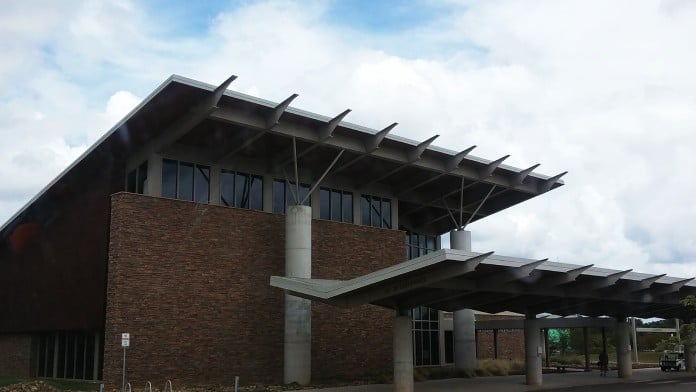
You can find Little Axe Health Center on North Canadian Avenue in Norman, Oklahoma. It’s in a secluded part of town by Hog Creek. It’s part of the Absentee Shawnee Tribal Health network. As a tribal-focused medical center, they provide specialized services to both Native Americans and Alaska Natives and offer unique behavioral care treatments that incorporate culturally-sensitive practices. However, they do not turn away anyone because of their background or heritage. All are welcome at Shawnee.
Multiple Levels of Care, Depending on Your Needs
When you arrive at Shawnee, depending on your condition you will be assessed and screened for treatment. If you are in need of stabilization, they will provide you with a care team to assess and immediately treat and withdrawal symptoms you may be experiencing. They will also provide you with therapy services while in treatment, to ensure your mental wellness is also being addressed.
Therapy in Group Settings for Men and Women
Their outpatient programs provide multiple therapy options for you and your family. If you’re experiencing issues with managing your anger, they offer anger management group and individual counseling support. For those struggling in relationships with family or a partner, they offer marriage & family counseling for all loved ones to work through the challenges of relationships.
They will also provide you with referrals, should you require additional treatment outside of Shawnee. In addition, referrals are available for outside support groups, family and community resources and programs, including vocational and educational programs.
Unique Tribal Wellness Programs
Unique to their program is a sweat lodge. Which includes a small structure used by indigenous people for rituals and steam baths. Typically these are ordained with native motives and provide a culturally-centered space for therapeutic wellness.
They also have their own Tribal Opioid Response (TOR), obtained through a grant that provides opioid treatment and prevention services to Native Americans and indigenous people experiencing opioid addiction. Shawnee offers treatment in-house to you and your family that incorporates culturally-sensitive practices and traditional methods for recovery and support.

Latest Reviews
Rehab Score
Gallery
Other Forms of Payment
Self-pay involves paying for treatment out of your own pocket. You can use savings or credit, get a personal loan, or receive help from family and friends to fund your treatment. If you don't have insurance or your insurance plan doesn't cover a specific program, self-pay can help ensure you still get the care you need.
Financial aid can take many forms. Centers may have grants or scholarships available to clients who meet eligibility requirements. Programs that receive SAMHSA grants may have financial aid available for those who need treatment as well. Grants and scholarships can help you pai for treatment without having to repay.
Medicaid is a state based program that helps lower-income individuals and families pay for healthcare. Medicaid covers addiction treatment so those enrolled can use their coverage to pay for rehab. When a program accepts Medicaid the client often pays very little or nothing out of their own pocket.
Medicare is a federal program that provides health insurance for those 65 and older. It also serves people under 65 with chronic and disabling health challenges. To use Medicare for addiction treatment you need to find a program that accepts Medicare and is in network with your plan. Out of pocket costs and preauthorization requirements vary, so always check with your provider.
Private insurance refers to any kind of healthcare coverage that isn't from the state or federal government. This includes individual and family plans offered by an employer or purchased from the Insurance Marketplace. Every plan will have different requirements and out of pocket costs so be sure to get the full details before you start treatment.
Addiction Treatments
Levels of Care
Completing a drug or alcohol rehab program shouldn't spell the end of substance abuse treatment. Aftercare involves making a sustainable plan for recovery, including ongoing support. This can include sober living arrangements like halfway houses, career counseling, and setting a patient up with community programs like Alcoholics Anonymous (AA) or Narcotics Anonymous (NA).
Treatments
The goal of treatment for alcoholism is abstinence. Those with poor social support, poor motivation, or psychiatric disorders tend to relapse within a few years of treatment. For these people, success is measured by longer periods of abstinence, reduced use of alcohol, better health, and improved social functioning. Recovery and Maintenance are usually based on 12 step programs and AA meetings.
To address the issues of addiction, each drug rehab in Oklahoma is tailored to meet the individual's needs. Treatment may occur in a residential or outpatient setting, and may last from a few days to several months.
A combined mental health and substance abuse rehab has the staff and resources available to handle individuals with both mental health and substance abuse issues. It can be challenging to determine where a specific symptom stems from (a mental health issue or an issue related to substance abuse), so mental health and substance abuse professionals are helpful in detangling symptoms and keeping treatment on track.

Programs
Adult rehab programs include therapies tailored to each client's specific needs, goals, and recovery progress. They are tailored to the specific challenges adult clients may face, including family and work pressures and commitments. From inpatient and residential treatment to various levels of outpatient services, there are many options available. Some facilities also help adults work through co-occurring conditions, like anxiety, that can accompany addiction.
Young adulthood can be an exciting, yet difficult, time of transition. Individuals in their late teens to mid-20s face unique stressors related to school, jobs, families, and social circles, which can lead to a rise in substance use. Rehab centers with dedicated young adult programs will include activities and amenities that cater to this age group, with an emphasis on specialized counseling, peer socialization, and ongoing aftercare.
Clinical Services
Research clearly demonstrates that recovery is far more successful and sustainable when loved ones like family members participate in rehab and substance abuse treatment. Genetic factors may be at play when it comes to drug and alcohol addiction, as well as mental health issues. Family dynamics often play a critical role in addiction triggers, and if properly educated, family members can be a strong source of support when it comes to rehabilitation.
Group therapy is any therapeutic work that happens in a group (not one-on-one). There are a number of different group therapy modalities, including support groups, experiential therapy, psycho-education, and more. Group therapy involves treatment as well as processing interaction between group members.
In individual therapy, a patient meets one-on-one with a trained psychologist or counselor. Therapy is a pivotal part of effective substance abuse treatment, as it often covers root causes of addiction, including challenges faced by the patient in their social, family, and work/school life.


Amenities
-
Private Setting
-
Private Transportation
Staff
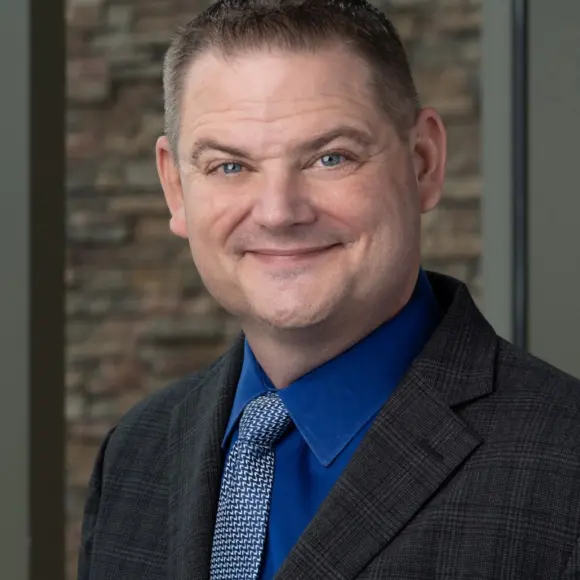
Chris Larkin, MBA, FACHE, CHC
executive Director
Contact Information
15951 Little Axe Drive
Norman, OK 73026