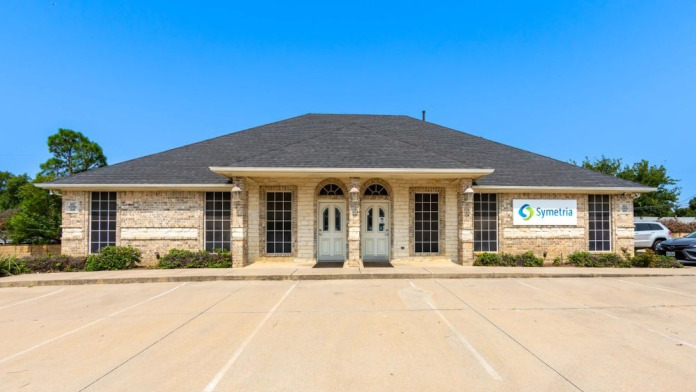
Symetria — Hurst Outpatient Rehab & Suboxone Clinic
1
Top 10 Rehab Centers In Hurst



















































































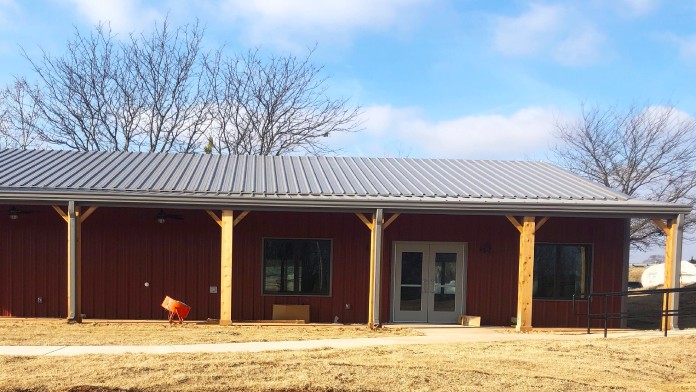
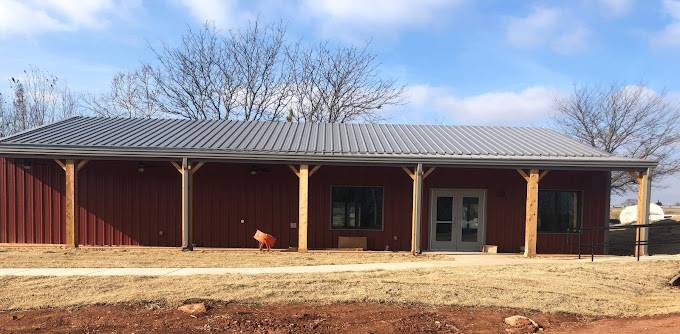
Firstep Women’s Recovery Program is a residential recovery residence in Oklahoma City, Oklahoma, offering long term sober living and work recovery support for women with drug and alcohol addiction.
Using a Social Model approach, the program provides structured community living, employment training and connections to intensive outpatient services and licensed therapists based on individual needs.
Women appreciate the focus on practical life skills, accountability and peer support within a women only environment.
Firstep is not a traditional treatment center but a sober living and work recovery program that emphasizes community living, employment and 12 step participation.
Residents have access to individual counseling, group therapy, relapse prevention, parenting classes and the Women in Transition curriculum, with linkage to outpatient therapy as needed.
The program serves women age 18 and older working on recovery from drug and alcohol addiction. Women who are pregnant or have children are not eligible, as children cannot live on campus, though visitation is addressed through program phases.
Firstep Women’s Recovery Program is located at 12511 S Sooner Rd in Oklahoma City and serves women from all areas of Oklahoma.
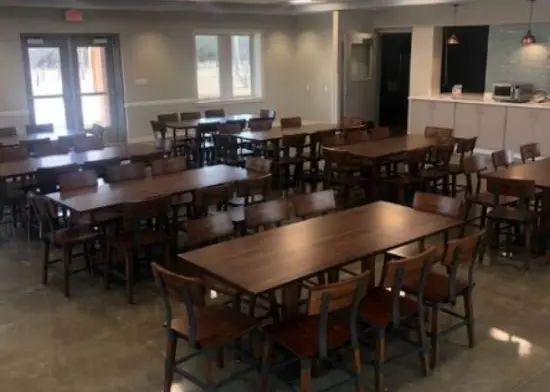
The campus is a closed, confidential residential community with structured routines and onsite work opportunities.
There is no out of pocket cost to residents or families and no insurance is required.
The program is funded through resident income from work training, employer partnerships and donor support, with residents contributing a portion of wages while basic needs are provided.
 122
122 
 Our Methodology


Private insurance refers to any kind of healthcare coverage that isn't from the state or federal government. This includes individual and family plans offered by an employer or purchased from the Insurance Marketplace. Every plan will have different requirements and out of pocket costs so be sure to get the full details before you start treatment.
Self-pay involves paying for treatment out of your own pocket. You can use savings or credit, get a personal loan, or receive help from family and friends to fund your treatment. If you don't have insurance or your insurance plan doesn't cover a specific program, self-pay can help ensure you still get the care you need.
Clients seeking care in an outpatient rehab are often stepping down from intensive inpatient treatment or have chosen to remain in their home while in treatment. Outpatient programs offer a variety of services to provide clients with a full continuum of care. Partial hospitalization (PHP) and intensive outpatient (IOP) programs are high frequency and intensity services for clients who require robust structure, supervision, and support. Outpatient treatment typically consists of psychotherapy, recovery education, and medication assisted treatment (MAT).
Residential treatment programs are those that offer housing and meals in addition to substance abuse treatment. Rehab facilities that offer residential treatment allow patients to focus solely on recovery, in an environment totally separate from their lives. Some rehab centers specialize in short-term residential treatment (a few days to a week or two), while others solely provide treatment on a long-term basis (several weeks to months). Some offer both, and tailor treatment to the patient's individual requirements.
Clients participating in an intensive outpatient program (IOP) receive frequent, high-level care while living at home. Many enter intensive outpatient treatment immediately after leaving inpatient rehab, but some transition directly from detox into IOP. Treatment generally involves nine to 20 therapeutic hours per week and a combination of addiction counseling, recovery-focused life skills training, and evidence-based complementary care. Many outpatient rehabs also offer medication assisted treatment (MAT) for clients with alcohol and/or opioid addiction.
12-step programs are addiction recovery models based on Alcoholics Anonymous (AA). A number of substance abuse programs (including some drug and alcohol rehab centers) use the 12 steps as a basis for treatment. Beginning steps involve admitting powerlessness over the addiction and creating a spiritual basis for recovery. Middle steps including making direct amends to those who've been hurt by the addiction, and the final step is to assist others in addiction recovery in the same way. 12-Step offshoots including Narcotics Anonymous (NA), Cocaine Anonymous (CA), Dual Recovery Anonymous (DRA), Sex and Love Addicts Anonymous (SLAA) and Gamblers Anonymous (GA).
Sober Living Houses (SLHs), aka sober homes or halfway houses, are safe, substance-free, supportive living facilities for those recovering from substance abuse. Ideal for those who've just been through inpatient or outpatient treatment, SLHs are supervised environments with rules that support sobriety, such as curfews, shared chores, and therapeutic meetings. Residents are also often trained on life skills and coping skills to make it easier to transition into society. SLHs also provide a strong sense of community that can lead to the kind of deep and lasting connections with other sober individuals that supports a new, healthy lifestyle.
24-hour clinical care in Oklahoma is highly recommended for those beginning recovery. As your body detoxes, withdrawal from substances such as alcohol, benzos, and opiates can cause severe physical symptoms. Health risks include seizures, hallucinations, heart palpitations, and severe dehydration. A clinical setting offers 24/7 medical care to treat these symptoms and make the detox process more comfortable.
The safest way to remove addictive substances from your body after you've become physically dependent is through a medically assisted detox. Usually performed in an inpatient setting, a team of licensed medical professionals are tasked with monitoring your health and helping to minimize the risks and physical discomfort caused by withdrawal symptoms. Medically assisted detox is often the first step in the recovery process. After your body is safely free of substances, you'll likely transition to an inpatient treatment program to continue your recovery.
Adult rehab programs include therapies tailored to each client's specific needs, goals, and recovery progress. They are tailored to the specific challenges adult clients may face, including family and work pressures and commitments. From inpatient and residential treatment to various levels of outpatient services, there are many options available. Some facilities also help adults work through co-occurring conditions, like anxiety, that can accompany addiction.
Young adulthood can be an exciting, yet difficult, time of transition. Individuals in their late teens to mid-20s face unique stressors related to school, jobs, families, and social circles, which can lead to a rise in substance use. Rehab centers with dedicated young adult programs will include activities and amenities that cater to this age group, with an emphasis on specialized counseling, peer socialization, and ongoing aftercare.
Men and women in group therapy for drug and alcohol addiction experience peer support, including empathy and encouragement from peers who understand their journey. This helps people to better understand and manage addictive behaviors.
Individual therapy in Oklahoma offers men and women customized care that's tailored to their specific needs for drug and alcohol addiction treatment. This can include interventions that promote self discovery, develop coping skills, or uncover the underlying causes of addictive behavior.
Trauma therapy provides you with a safe and supportive environment in which you can confront and address the emotional and physical impacts of traumatic events. Your therapist helps you understand your emotional and physical responses and develop healthier coping skills, which lowers your anxiety level and provides you with greater self confidence.
Couples therapy often focuses on a specific problem, such as addiction, intimacy, jealousy, or finances. Treatment is solution focused and change oriented. The couple works with the therapist to identify goals for therapy and actively participates in learning skills and behaviors to reach those goals.
Family therapy offers a safe space for family members to openly talk about their feelings and the challenges that addiction has triggered. This process helps to improve their understanding of the disease of addiction and supports the family's unified approach to the recovery journey.
 Residential Setting
  Private Rooms
 Rehab.com regularly reviews this listing for accuracy but changes may occur between updates. For the most up-to-date information, please contact Firstep Women’s Recovery Program.

12511 S Sooner Rd
Oklahoma City, OK 73165
Sponsored Helpline

The number online does not work. no way to get ahold of someone. They dropped off a patient to their appointment and just left them with no way to get back, and no working number to contact.

They don’t actually help women. If you’re willing to work for absolutely NOTHING, and get kicked out on the streets, ON A HOLIDAY, for wanting to move into one of their sober homes; this place is definitely NOT RECOMMENDED.

Just an amazing staff and the residents are so courageous. If you need help, can them They care.

What an excellent mission. These are local people with high moral character who are trying to do good work removing women get back on track so they can thrive in life. We know several of the administrators of this program. They care and they work hard. If you know a woman in need of this, there is no better opportunity to get help.
 Back
Back
Sharing your insights and experiences can help others learn more about this rehab center.