
 Sponsored Helpline



































































































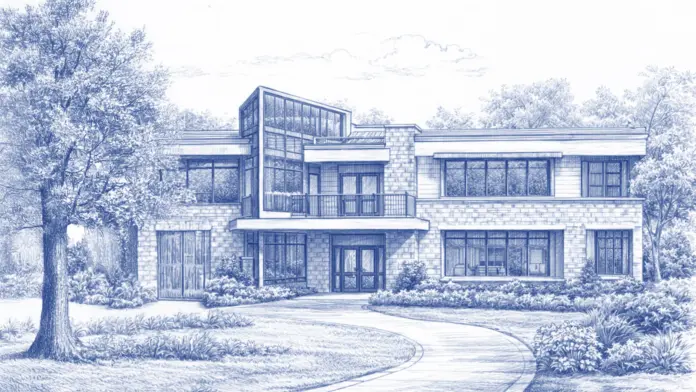
About Amethyst Foundation – Closed
Amethyst Foundation Inc in Claremont, New Hampshire, provided support to court-mandated individuals holding a DUI or DWI, or impaired driving offenses. They’re closed now. Clients could have also been referred here by their employers, attorneys, and out-of-state agencies for educational services and substance use evaluations. Self-pay was accepted, and payment was typically out-of-pocket due to the nature of court-mandated services.
Support For Impaired Driving Offenses in Sullivan County
This facility offered comprehensive substance abuse evaluations, as well as addiction treatment and educational services. If you held a DUI or DWI, you could participate in the center’s impaired driver intervention programs (IDIP) to fulfill your legal requirements. Also provided were risk reduction sessions.
The treatment focus here was largely preventive and educational, as opposed to long-term addiction treatment. However, if you were seeking further drug rehab services, the team could refer you to local outpatient treatment programs to engage in alongside the support you receive here.
Certified and Accessible Support
The center was certified by New Hampshire health authorities, and prided itself on its team of experienced counseling staff. Former clients praised them for their professionalism and organization, noting that the staff were especially knowledgeable. It’s also mentioned how supportive and nonjudgmental the treatment environment felt..
Programming and services were available in-person and online to meet varying client needs, and provide accessible, flexible care options.
Location-wise, you’d find the center near Moody Park, a relaxed green space that’s ideal for reflection and introspection throughout the treatment process. It was also near downtown Claremont, where you’d find various convenient amenities and community resources.
Location
Addiction Treatments
Treatments
The goal of treatment for alcoholism is abstinence. Those with poor social support, poor motivation, or psychiatric disorders tend to relapse within a few years of treatment. For these people, success is measured by longer periods of abstinence, reduced use of alcohol, better health, and improved social functioning. Recovery and Maintenance are usually based on 12 step programs and AA meetings.
Treatment provided at drug rehab in New Hampshire prepares individuals to handle life stressors without using substances. Participants get the tools and support they need to maintain lifelong recovery.
Opioid rehabs specialize in supporting those recovering from opioid addiction. They treat those suffering from addiction to illegal opioids like heroin, as well as prescription drugs like oxycodone. These centers typically combine both physical as well as mental and emotional support to help stop addiction. Physical support often includes medical detox and subsequent medical support (including medication), and mental support includes in-depth therapy to address the underlying causes of addiction.
Substance rehabs focus on helping individuals recover from substance abuse, including alcohol and drug addiction (both illegal and prescription drugs). They often include the opportunity to engage in both individual as well as group therapy.
Programs
Adult rehab programs include therapies tailored to each client's specific needs, goals, and recovery progress. They are tailored to the specific challenges adult clients may face, including family and work pressures and commitments. From inpatient and residential treatment to various levels of outpatient services, there are many options available. Some facilities also help adults work through co-occurring conditions, like anxiety, that can accompany addiction.
Young adulthood can be an exciting, yet difficult, time of transition. Individuals in their late teens to mid-20s face unique stressors related to school, jobs, families, and social circles, which can lead to a rise in substance use. Rehab centers with dedicated young adult programs will include activities and amenities that cater to this age group, with an emphasis on specialized counseling, peer socialization, and ongoing aftercare.
Clinical Services
Group therapy is any therapeutic work that happens in a group (not one-on-one). There are a number of different group therapy modalities, including support groups, experiential therapy, psycho-education, and more. Group therapy involves treatment as well as processing interaction between group members.
