





























































































Family member spent entire night in ER because they said they didn’t have the staff to move them. They were in hospital there for a week. Floor was completely understaffed and said they had run out of so many nonmedical supplies…..pillows, depends, etc…..medical staff ...
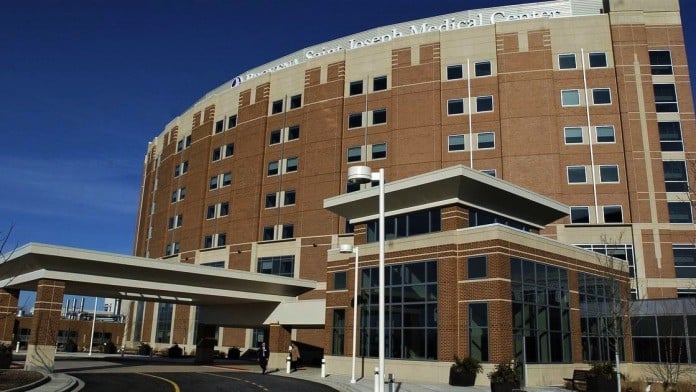
About Saint Joseph Medical Center
Located in Joliet, Illinois, Ascension Saint Joseph Joliet helps individuals experiencing behavioral health and substance use issues get access to the care they need. The hospital has a warm hand off program and provides community based resources.
Appropriate Referrals to Treatment Services
The warm hand off program provides clients with referrals to the necessary treatment they need for their substance use disorder. As an example, individuals who need withdrawal management services may be referred to a detox facility that’s experienced in providing this treatment.
If you have a less severe substance use issue, Ascension Saint Joseph Joliet can refer you to an outpatient treatment center. The hospital can contact info for specific services at specialized facilities.
Community Based Resources for Healing
The hospital can connect you to community resources that can assist you with your recovery. Some community options they may guide you towards include support groups such as Alcoholics Anonymous and Narcotics Anonymous groups. They may also help connect you to educational and vocational resources to create a positive and productive life to support your long term recovery.
Addiction Care Near Chicago
Ascension Saint Joseph Joliet is located less than an hour away from Chicago. When you have time free after your treatment sessions, you can find different new activities to help maintain your sobriety.
One place you might like to visit is The Art Institute of Chicago. It features 300,000 works of art that spans multiple centuries and comes from all over the world.
Latest Reviews
It was a great visit with Dr. Schubert! He is the best doctor!!
Response from the owner3 weeks ago
We’re so glad to hear you had a great visit with Dr. Schubert and consider him the best doctor. Thank you for sharing your kind words!
I love Dr Schubert! He is kind, caring and extremely knowledgeable. He is an asset to your institution
Response from the owner3 weeks ago
Thank you for your kind words about Dr. Schubert! We’re glad to hear that his kindness, care, and extremely knowledgeable nature made such a positive impression.
Had a great experience in the ER, they did many tests and the doctor was awesome. Thank you!
Response from the owner3 weeks ago
We’re glad to hear you had a great ER experience, with thorough testing and an awesome doctor. Thank you for sharing your experience with us! 
Rehab Score
 Our Methodology
Scoring is assigned by a proprietary system which helps surface key metrics that determine quality. The 10-point scale factors in categories such as operations, customer satisfaction, and trust metrics. Read Full Methodology

7.5 / 10
Gallery
Accepted Insurance

Quartz
Devoted Health
Medica

Premera
Other Forms of Payment
Private insurance refers to any kind of healthcare coverage that isn't from the state or federal government. This includes individual and family plans offered by an employer or purchased from the Insurance Marketplace. Every plan will have different requirements and out of pocket costs so be sure to get the full details before you start treatment.
Self-pay involves paying for treatment out of your own pocket. You can use savings or credit, get a personal loan, or receive help from family and friends to fund your treatment. If you don't have insurance or your insurance plan doesn't cover a specific program, self-pay can help ensure you still get the care you need.
Medicaid is a state based program that helps lower-income individuals and families pay for healthcare. Medicaid covers addiction treatment so those enrolled can use their coverage to pay for rehab. When a program accepts Medicaid the client often pays very little or nothing out of their own pocket.
Military members, veterans, and eligible dependents have access to specific insurance programs that help them get the care they need. TRICARE and VA insurance can help you access low cost or no cost addiction and mental health treatment. Programs that accept military insurance often have targeted treatment focused on the unique challenges military members, veterans, and their families face.
Addiction Treatments
Levels of Care
Clients in outpatient rehab receive a variety of services based on their unique and evolving needs. Typical outpatient treatment modalities include individual, group, and family counseling, recovery-focused life skills training, and community reintegration support. Many programs also provide medication assisted treatment (MAT) for clients recovering from alcohol and/or opioid dependency. Clients exiting inpatient treatment or those who are at an elevated risk of relapse may engage in more robust treatment, such as intensive outpatient (IOP) programming.
Residential treatment programs are those that offer housing and meals in addition to substance abuse treatment. Rehab facilities that offer residential treatment allow patients to focus solely on recovery, in an environment totally separate from their lives. Some rehab centers specialize in short-term residential treatment (a few days to a week or two), while others solely provide treatment on a long-term basis (several weeks to months). Some offer both, and tailor treatment to the patient's individual requirements.
Intensive outpatient programs (IOP) enable clients to receive high-level care while living at home. Clients may choose to enter IOP instead of enrolling in inpatient care post-detox or they may transition from an inpatient rehab into IOP. Intensive outpatient treatment involves multiple therapeutic sessions per week and includes a combination of psychotherapy and addiction and recovery education. Many programs also offer medication assisted treatment (MAT) and/or holistic therapies, such as acupuncture and massage.
Addiction treatment often begins with 24-hour clinical care in Illinois. This supervised setting is the best environment for detox.where medical staff can provide 24/7 supervision and responsive care as your body is cleansed of addictive substances. Doctors may prescribe antagonist and partial agonist drugs to counteract the effects of drugs or alcohol, or they may slowly taper down dosages of substances to end physical dependence on the drug.
During the medically supervised detox process, licensed medical professionals monitor your vitals and administer medications meant to help alleviate the physical symptoms of withdrawal. The process can take between five and seven days, although the actual length depends on your individual needs. In most cases, medically assisted detox is partially, if not fully, covered by insurance.
Treatments
Many of those suffering from addiction also suffer from mental or emotional illnesses like schizophrenia, bipolar disorder, depression, or anxiety disorders. Rehab and other substance abuse facilities treating those with a dual diagnosis or co-occurring disorder administer psychiatric treatment to address the person's mental health issue in addition to drug and alcohol rehabilitation.
Mental health rehabs focus on helping individuals recover from mental illnesses like bipolar disorder, clinical depression, anxiety disorders, schizophrenia, and more. Mental health professionals at these facilities are trained to understand and treat mental health issues, both in individual and group settings.
Substance rehabs focus on helping individuals recover from substance abuse, including alcohol and drug addiction (both illegal and prescription drugs). They often include the opportunity to engage in both individual as well as group therapy.
Programs
Adult rehab programs include therapies tailored to each client's specific needs, goals, and recovery progress. They are tailored to the specific challenges adult clients may face, including family and work pressures and commitments. From inpatient and residential treatment to various levels of outpatient services, there are many options available. Some facilities also help adults work through co-occurring conditions, like anxiety, that can accompany addiction.
Young adulthood can be an exciting, yet difficult, time of transition. Individuals in their late teens to mid-20s face unique stressors related to school, jobs, families, and social circles, which can lead to a rise in substance use. Rehab centers with dedicated young adult programs will include activities and amenities that cater to this age group, with an emphasis on specialized counseling, peer socialization, and ongoing aftercare.
Clinical Services
If you engage in cognitive behavioral therapy in Illinois, your therapist will work with you to change your thinking patterns. You'll learn how to recognize faulty thinking and develop skills to deal with stress without using substances.
Dialectical behavior therapy in Illinois typically involves keeping a diary to track actions and emotions. Your therapist will use this diary to determine what to focus on during each session. In addition to individual sessions, you'll also attend group meetings where you are trained in coping skills.
Group therapy is any therapeutic work that happens in a group (not one-on-one). There are a number of different group therapy modalities, including support groups, experiential therapy, psycho-education, and more. Group therapy involves treatment as well as processing interaction between group members.
In individual therapy, a patient meets one-on-one with a trained psychologist or counselor. Therapy is a pivotal part of effective substance abuse treatment, as it often covers root causes of addiction, including challenges faced by the patient in their social, family, and work/school life.
Motivational interviewing in Illinois is person centered and collaborative. This method allows the therapist to come alongside the client to address the issue of ambivalence toward change. By listening and reflecting, the therapist helps the client see the need for change and commit to making changes.
Trauma therapy provides you with a safe and supportive environment so you can address a traumatic experience. Your therapist helps guide you to understand your emotional, mental, and physical responses while developing healthier coping skills. This helps to improve your emotional resilience and ability to function in the community.
During couples therapy in Illinois, you may work on a variety of relationship challenges. Couples therapy can address topics such as finances, children, health, addiction, intimacy, external stressors, and family relationships. You'll develop tools to address these types of challenges in healthy ways.
Research clearly demonstrates that recovery is far more successful and sustainable when loved ones like family members participate in rehab and substance abuse treatment. Genetic factors may be at play when it comes to drug and alcohol addiction, as well as mental health issues. Family dynamics often play a critical role in addiction triggers, and if properly educated, family members can be a strong source of support when it comes to rehabilitation.
Amenities
-
 Residential Setting
 -
 Private Rooms
Staff & Accreditations
Staff

Joseph Impicciche, JD, MHA
CEO
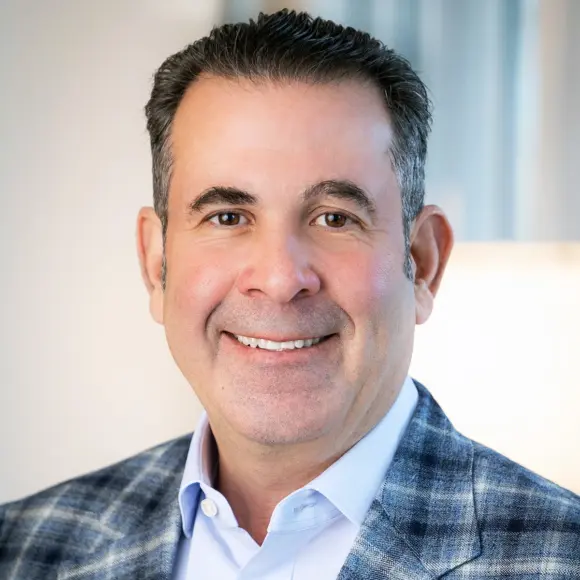
Eduardo Conrado
President

Sally Deitch, MSN, MHA, RN, FACHE
Executive VP of Nursing & Operations Infrastructure
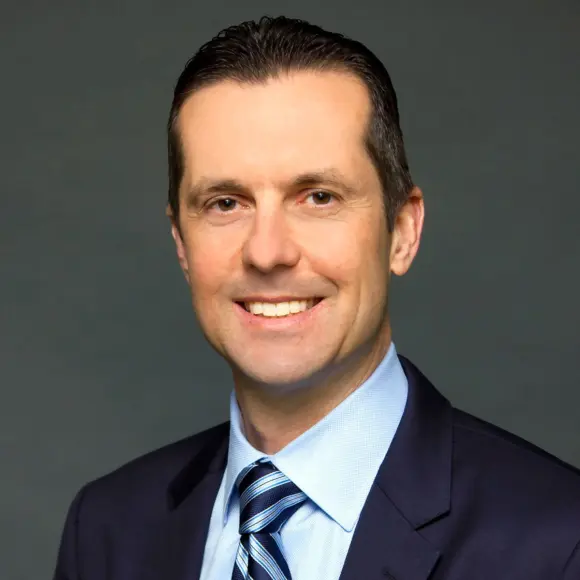
Eric Engler
Executive VP & Chief of Staff

Richard Fogel, MD, FACC, FHRS
Executive VP & CCO

Saurabh Tripathi
Executive VP & CFO

Christine Kocot McCoy, JD
Executive VP & General Counsel

Michelle Kohler, PhD
Executive VP & CHRO
Accreditations

The Joint Commission, formerly known as JCAHO, is a nonprofit organization that accredits rehab organizations and programs. Founded in 1951, the Joint Commision's mission is to improve the quality of patient care and demonstrating the quality of patient care.
Joint Commission Accreditation: Yes
Rehab.com regularly reviews this listing for accuracy but changes may occur between updates. For the most up-to-date information, please contact Saint Joseph Medical Center.
Contact Information

333 N. Madison St
Joliet, IL 60435
Get Help Now - 708-470-6914
Sponsored Helpline
Sponsored Helpline



