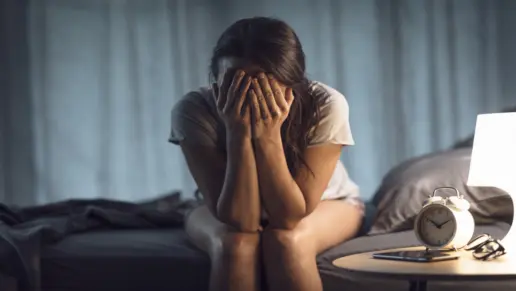
The arts can be highly effective in reducing anxiety and depression, especially in young people. Researchers reviewed 100 randomized controlled trials and found that creative arts programs produced measurable mental health improvements among children and young people.
These programs also showed improvements in overall wellbeing and quality of life. And they reduced the physical markers of stress.
What the Study Found
The review covered trials across 29 countries involving participants ages 5 to 24. Music was the most studied modality. It appeared in 58 of the trials studied.
This was followed by visual arts and crafts, literary arts, theater and performance, dance and media work. Most programs ran about six to eight weeks.
Depression scores fell by an average of 1.06 standard deviations post-intervention, and anxiety scores fell by 0.75. Wellbeing and quality of life improved moderately. Systolic blood pressure dropped an average of 4.04 mmHg and resting heart rate fell 4.53 beats per minute.
The researchers found that the outcomes were similar to those associated with other proven protocols such as talk therapy.
Where the Benefits Were Strongest
The benefits were most significant for kids between the ages of 9 and 13. This is a window the authors flag as an especially responsive developmental period.
Benefits were seen both in arts therapies delivered by qualified therapists and in structured programs delivered by trained others.
What This Adds for Families and Clinicians
For communities where mental health treatment for young people means long waits, arts-based programs offer a real, evidence-backed form of support for young people who would otherwise receive nothing while they wait for or transition into clinical care.
For families already engaged with treatment, the findings support what many clinicians see in practice: creative programming keeps young people engaged, and engagement is what makes treatment work.
The authors are careful to distinguish arts with therapeutic intent from arts therapies delivered by qualified professionals, and both have a place.
The Study’s Limits
Certainty ratings were very low for the depression and anxiety findings due to high heterogeneity and study quality concerns.
When the researchers removed the three studies with implausibly large effects, the depression effect shrank from 1.06 to 0.58 standard deviations, still moderate to large and statistically significant.
Most trials could not blind participants, funnel plots suggested possible publication bias, and head-to-head comparisons against established therapies have not been done.
The right read is that these interventions work on average, not that every program works for every child.
Exploring Treatment Options
When evaluating mental health treatment for a teenager, ask programs what the full weekly schedule looks like beyond individual therapy, and whether creative, physical, and social programming is structured into care.
Rehab.com’s directory includes treatment centers for adolescents and young adults, including programs that integrate creative therapies with clinical care. Call
800-985-8516
(  Sponsored Helpline )
to speak with a treatment specialist.