For people exploring addiction treatment, the finding adds fresh evidence that recovery involves repairing measurable biological damage, not simply overcoming cravings.
The study, published in Pharmacology Biochemistry and Behavior, was conducted by researchers in ASU’s Department of Psychology and Biodesign Institute using a mouse model.
It found that repeated opioid exposure followed by withdrawal altered two genes involved in the work of oligodendrocytes, specialized brain cells that produce myelin.
What the Study Found
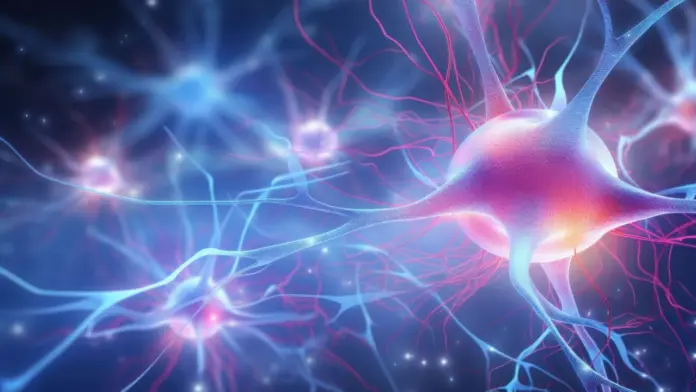
Myelin wraps around nerve fibers the way insulation wraps around an electrical wire, letting neurons send signals quickly and efficiently.
Researchers found that during the first 48 hours of opioid withdrawal, mice showed fewer social interactions alongside reduced activity in two genes tied to myelin production and repair.
One gene, Tcf712, helps trigger the start of myelination. The other, Klk6, supports later stages of the process, including repair.
The changes occurred in the prefrontal cortex, the part of the brain responsible for higher-order thinking, decision-making, and self-control.
Olivia Law, the psychology graduate student who led the study, said the findings suggest opioid use and withdrawal might affect white matter in this region in ways that could influence decision-making and self-control.
Why Support Cells Matter for Addiction Treatment
Much of addiction research has focused on neurons and the brain’s reward pathways. This study points to a broader picture.
Jessica Verpeut, the study’s senior author and an assistant professor of psychology at ASU, said changes in myelin may contribute to addiction by altering how sensitive reward pathways are to drugs of abuse, and that understanding these gene expression changes is critically important.
Jonathan Gewirtz, a professor of psychology involved in the research, said the work highlights that understanding and treating opioid addiction requires looking beyond neurons to the other cell types that support how neurons function.
That broader view could eventually shape how addiction treatment approaches recovery, including strategies aimed at supporting the brain’s natural repair processes during and after withdrawal.
For treatment providers, the study is a reminder that opioid withdrawal protocols are treating an active biological process, not just a set of symptoms to manage until they pass.
Clinical teams already know that early withdrawal is a high-risk window for relapse. Research connecting that window to measurable brain changes may eventually support more targeted approaches to stabilization and aftercare planning during the first days of treatment.
What This Means for Treatment Seekers
For someone considering addiction treatment, this research is a reminder that withdrawal is a physical process with measurable effects on the brain, not a test of willpower.
Medically supervised detox and medication-assisted treatment, which combines FDA-approved medications like buprenorphine with counseling, can help manage the acute symptoms of opioid withdrawal while the brain begins to stabilize.
Research like this may eventually inform new treatments that support brain repair directly, alongside existing therapies.
Exploring Treatment Options
Anyone weighing addiction treatment for opioid use has several evidence-based paths to consider. Comparing rehab centers that offer medically supervised opioid detox is a useful first step.
Understanding how MAT medications like buprenorphine and methadone support withdrawal and long-term recovery can help clarify what to expect. It also helps to ask a treatment center how it addresses both physical and cognitive recovery during early treatment.
Rehab.com’s directory includes verified treatment centers with detox and MAT services. Call
800-985-8516
(  Sponsored Helpline )
to explore opioid addiction treatment options.
Sponsored Helpline )
to explore opioid addiction treatment options.