






























































































These people are the best, really. No one judges you for past actions or the addiction you have. The group I am with is very nice and supportive between each other.
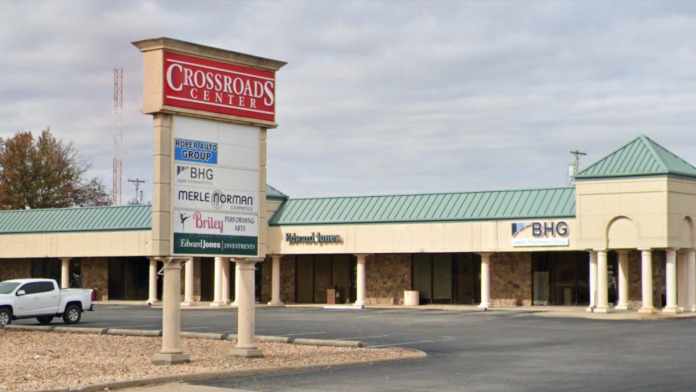
About Behavioral Health Group (BHG) of Joplin
Their mission is to give as many people as possible access to evidence based behavioral and medical therapies for addiction. The treatment they believe to be the most effective in helping their patients is medication assisted treatment (MAT). While medication assists in the treatment process, the Joplin Treatment Center knows that individual and group counseling is also necessary to move patients forward in their recovery.
Your recovery care team will consist of nurses, counselors and other support staff. They’ll advise and guide you through your treatment, striving to be the best possible partner in your recovery. If medication is determined to be necessary for your withdrawal then you’ll have the option of taking methadone or Suboxone. You’ll get your doses of these medications at the facility, with the possibility of earning take home privilges with methadone after you’ve stabilized.
When you have time between treatment sessions, some of the fun things you can do in Joplin include visiting Grand Falls or going to the Route 66 Mural Park. Downtown also has some colorful art galleries and diverse restaurants where you can enjoy some fine dining.
The Joplin Treatment Center knows that co-occurring issues can sometimes affect those with opioid use disorder. Their counselors will help to treat depression, anxiety and any other mental health issues along with treating your opioid use disorder. The facility primarily accepts Medicare and Medicaid with other coverage possibly available.
Latest Reviews
Well, I’ve been with BHG in Joplin for 10 years now, and I really couldn’t ask for a better place to get real treatment.
I’m from California, been on methadone on and off for 30 years. This time I’ve been on it straight since 2008. I moved to Arkansas in 2017 and chose BHG to do my treatment. I’m so happy I chose BHG, it’s honestly the best clinic I’ve ever been to. Ever.
My counselor Nancy is the most amazing beautiful soul I’ve met in my life. She is a blessing to me and to the clinic. Every one of her patients love her.
The nurses are so sweet and respectful. I have been to so many clinics where the nurses are rude, disrespectful and right down mean. That’s not the case at BHG. I love these nurses. It’s literally a joy to go pick up my medication, I always look forward to seeing the nurses and getting my 5 minutes of chat time with them. These ladies are never rude, even when having a bad day, they all keep their smile and always are respectful. Lisa is an amazing director, (I think that’s what her title is, lol. I’m an old lady so please forgive me if I’m wrong) Lisa is a wonderful young lady, I just adore her.
The doctor is one of my favorite people on earth. Every year at my physical, she makes me laugh so much. She is a compassionate and funny soul, and genuinely cares about her patients.
BHG truly is the best clinic to go to for real treatment. Every one who works there is so kind and supportive. They really care how you’re doing. And they are there for you when you’re not doing so well. You can’t get better treatment anywhere else.
Response from the owner1 week ago
Thank you so much for taking the time to share this. It means a great deal to hear that BHG Joplin has made such a positive impact. We'll be sure to share your recognition with our team. 🩵
Helped me out so quickly. Was a God send in my recovery
Response from the owner1 week ago
Thank you for your feedback and glowing review! We are committed to providing timely and supportive care for all patients.
First time I was treated with respect regarding addiction. They are there to help. Awesome staff. I’m very grateful for their expertise, knowledge and understanding. If you’re suffering with addiction, I would highly recommend.
Response from the owner1 week ago
Thank you for your 5-star rating! We’re so grateful for your support. 
Rehab Score
 Our Methodology
Scoring is assigned by a proprietary system which helps surface key metrics that determine quality. The 10-point scale factors in categories such as operations, customer satisfaction, and trust metrics. Read Full Methodology

7.9 / 10
Gallery
Accepted Insurance
Other Forms of Payment
Self-pay involves paying for treatment out of your own pocket. You can use savings or credit, get a personal loan, or receive help from family and friends to fund your treatment. If you don't have insurance or your insurance plan doesn't cover a specific program, self-pay can help ensure you still get the care you need.
Military members, veterans, and eligible dependents have access to specific insurance programs that help them get the care they need. TRICARE and VA insurance can help you access low cost or no cost addiction and mental health treatment. Programs that accept military insurance often have targeted treatment focused on the unique challenges military members, veterans, and their families face.
Medicare is a federal program that provides health insurance for those 65 and older. It also serves people under 65 with chronic and disabling health challenges. To use Medicare for addiction treatment you need to find a program that accepts Medicare and is in network with your plan. Out of pocket costs and preauthorization requirements vary, so always check with your provider.
Medicaid is a state based program that helps lower-income individuals and families pay for healthcare. Medicaid covers addiction treatment so those enrolled can use their coverage to pay for rehab. When a program accepts Medicaid the client often pays very little or nothing out of their own pocket.
Private insurance refers to any kind of healthcare coverage that isn't from the state or federal government. This includes individual and family plans offered by an employer or purchased from the Insurance Marketplace. Every plan will have different requirements and out of pocket costs so be sure to get the full details before you start treatment.
Addiction Treatments
Levels of Care
Outpatient Programs (OP) are for those seeking mental rehab or drug rehab, but who also stay at home every night. The main difference between outpatient treatment (OP) and intensive outpatient treatment (IOP) lies in the amount of hours the patient spends at the facility. Most of the time an outpatient program is designed for someone who has completed an inpatient stay and is looking to continue their growth in recovery. Outpatient is not meant to be the starting point, it is commonly referred to as aftercare.
Drug and alcohol addiction often takes a heavy toll on one's body. Over time, a physical dependence can develop, meaning the body physiologically needs the substance to function. Detox is the process of removing drugs and/or alcohol from the body, a process that can be lethal if mismanaged. Medical detox is done by licensed medical professionals who monitor vital signs and keep you safe, healthy, and as comfortable as possible as you go through detox and withdrawal.
12 step programs are designed to enable participants to understand and address the root causes of their addiction, accept responsibility for their life choices, and relinquish control over that which they cannot change. Participants are expected to regularly attend 12 step meetings and to be mentored in their recovery journey by a self-selected sponsor. Meetings are free, anonymous, and open to the public. A variety of formats are available, including programs for seniors, teens, family members, and nondenominational Christians.
Rehab aftercare programs offer continuing care for clients in the maintenance phase of recovery and are designed to evolve over time. Outpatient treatment is generally categorized as drug rehab aftercare, but many clients continue to receive services after being discharged from formal care. These services are customized to clients' unique recovery goals, but typically include medical, mental health, and social services. Clients' case manager and recovery team play a key role in developing the client's care plan.
Treatments
The goal of treatment for alcoholism is abstinence. Those with poor social support, poor motivation, or psychiatric disorders tend to relapse within a few years of treatment. For these people, success is measured by longer periods of abstinence, reduced use of alcohol, better health, and improved social functioning. Recovery and Maintenance are usually based on 12 step programs and AA meetings.
Drug rehab in Missouri usually involves several phases: detox, rehab, and aftercare. The rehab phase may include a combination of inpatient and outpatient treatments, as the individual moves through a continuum of care on their recovery journey.
Many of those suffering from addiction also suffer from mental or emotional illnesses like schizophrenia, bipolar disorder, depression, or anxiety disorders. Rehab and other substance abuse facilities treating those with a dual diagnosis or co-occurring disorder administer psychiatric treatment to address the person's mental health issue in addition to drug and alcohol rehabilitation.
Opioid rehabs specialize in supporting those recovering from opioid addiction. They treat those suffering from addiction to illegal opioids like heroin, as well as prescription drugs like oxycodone. These centers typically combine both physical as well as mental and emotional support to help stop addiction. Physical support often includes medical detox and subsequent medical support (including medication), and mental support includes in-depth therapy to address the underlying causes of addiction.
Substance rehabs focus on helping individuals recover from substance abuse, including alcohol and drug addiction (both illegal and prescription drugs). They often include the opportunity to engage in both individual as well as group therapy.
Programs
Adult rehab programs include therapies tailored to each client's specific needs, goals, and recovery progress. They are tailored to the specific challenges adult clients may face, including family and work pressures and commitments. From inpatient and residential treatment to various levels of outpatient services, there are many options available. Some facilities also help adults work through co-occurring conditions, like anxiety, that can accompany addiction.
Young adulthood can be an exciting, yet difficult, time of transition. Individuals in their late teens to mid-20s face unique stressors related to school, jobs, families, and social circles, which can lead to a rise in substance use. Rehab centers with dedicated young adult programs will include activities and amenities that cater to this age group, with an emphasis on specialized counseling, peer socialization, and ongoing aftercare.
Clinical Services
Group therapy is any therapeutic work that happens in a group (not one-on-one). There are a number of different group therapy modalities, including support groups, experiential therapy, psycho-education, and more. Group therapy involves treatment as well as processing interaction between group members.
Trauma therapy addresses traumatic incidents from a client's past that are likely affecting their present-day experience. Trauma is often one of the primary triggers and potential causes of addiction, and can stem from child sexual abuse, domestic violence, having a parent with a mental illness, losing one or both parents at a young age, teenage or adult sexual assault, or any number of other factors. The purpose of trauma therapy is to allow a patient to process trauma and move through and past it, with the help of trained and compassionate mental health professionals.
The goal of cognitive behavioral therapy in Missouri is to help clients change their thinking and behavioral patterns. Strategies of treatment include role playing, facing fears, and calming techniques.
Couples therapy in Missouri deals with the problems each partner has within themselves and with each other. Sessions may be held jointly and others individually to address these issues and help each partner learn how to manage challenges in healthy ways.
Family therapy sessions help individual family members in Missouri learn to improve their communication skills and understand how the family dynamic is both affected by addiction and affects their loved one's addiction. Therapists work with individual members to identify and modify negative behaviors which helps create a more supportive home environment.
In Missouri, therapists and patients work closely in individual therapy to address the personal challenges and triggers that drive addictive behavior. Using a customized approach helps foster self awareness so you can make positive changes toward a healthier, substance free life.
Motivational interviewing is a short term method often used during drug rehab in Missouri. It typically lasts one or two sessions, with the goal of facilitating conversation about change. The client should leave the sessions feeling more decisive and secure in their ability to make the changes they desire in their life.
Staff & Accreditations
Staff

Jay Higham
CEO

Julie Koenig
COO

James Hopwood
CFO
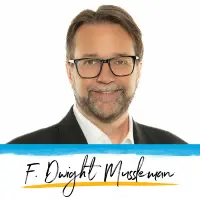
F. Dwight Mussleman
Chief Development Officer
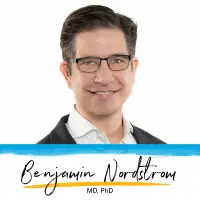
Benjamin Nordstrom, MD, PhD
Chief Medical Officer
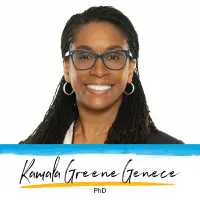
Kamala Greene Geneca, PhD
Chief Clinical Officer
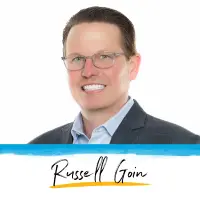
Russell Goin
Chief People Officer

Angela Valchine
Sr. VP, Sales and Marketing
Accreditations

The Joint Commission, formerly known as JCAHO, is a nonprofit organization that accredits rehab organizations and programs. Founded in 1951, the Joint Commision's mission is to improve the quality of patient care and demonstrating the quality of patient care.
Joint Commission Accreditation: Yes

The Substance Abuse and Mental Health Services Administration (SAMHSA) is a branch of the U.S. Department of Health and Human Services. Established in 1992 by congress, SAMHSA's mission is to reduce the impact of substance abuse and mental illness on American's communities.
SAMHSA Listed: Yes
Rehab.com regularly reviews this listing for accuracy but changes may occur between updates. For the most up-to-date information, please contact Behavioral Health Group (BHG) of Joplin.
Contact Information

2919 East 4th street
Joplin MO, 64801
Get Help Now - 417-289-8814
Sponsored Helpline
Sponsored Helpline


