Alcohol and benzodiazepines both slow down your brain and breathing, which is why mixing them can become dangerous faster than many people expect. If you take Xanax, Klonopin, Ativan, or Valium, understanding how alcohol changes their effects can help you avoid overdose, recognize warning signs, and know when to get medical help.
Key Points
- Benzodiazepines and alcohol both depress the central nervous system through the GABA-A receptor, producing additive and sometimes synergistic effects.
- The combination of benzodiazepines and alcohol carries a substantial risk of respiratory depression, severe sedation, blackouts, falls, and fatal overdose.
- The health risk applies to all benzodiazepines, including Xanax (alprazolam), Valium (diazepam), Ativan (lorazepam), and Klonopin (clonazepam).
- Combining benzodiazepines with alcohol is one of the most common patterns in fatal polysubstance overdoses.
- People with alcohol use disorder who use benzodiazepines for anxiety are at especially high risk because tolerance to one substance does not protect against the dangers of combining them.
- Co-occurring alcohol and benzodiazepine use disorders are treatable but require coordinated medical and behavioral care.
Why Mixing Benzodiazepines and Alcohol Is So Dangerous
When you combine benzodiazepines and alcohol, you intensify the effects of GABA, your brain’s main inhibitory neurotransmitter. GABA receptors act like your brain’s brake pedal, slowing nerve activity. When you take both substances together, that braking effect becomes much stronger.1
Both substances act on the GABA-A receptor, but at different binding sites. Benzodiazepines make the receptor more responsive to GABA, while alcohol also enhances GABA-A signaling. This produces a slowing effect on your brain and body than either substance produces on its own.1
This is called additive or synergistic central nervous system depression, meaning each substance amplifies the other’s sedating effect. You can become more drowsy, less coordinated, more confused, and impaired for longer. More seriously, the combination can suppress the automatic functions your brainstem controls, including breathing and heart rate.2
That is the main reason this combination is so often linked to fatal overdoses.3 You may become so deeply sedated that you cannot stay awake, breathe adequately, or respond as your oxygen levels drop.
It is also dangerous to assume that tolerance to one substance protects you from the other. If you tolerate alcohol well, that does not protect you from benzodiazepine overdose. If you tolerate benzodiazepines, that does not protect you from alcohol-related toxicity. Cross-tolerance is only partial and is unpredictable, so the risk remains high even if you have a history of use with one or both.4
Health Risks of Mixing Benzodiazepines and Alcohol
When you combine benzodiazepines and alcohol, you raise your risk of serious harm at nearly every level, from impaired coordination and blackouts to slowed breathing, coma, and death. The danger is even greater if you have a condition that already affects breathing.1,5,6
Respiratory Depression
The most dangerous short-term risk is respiratory depression that may occur due to an alcohol or benzodiazepine overdose. Both substances can slow your breathing, and together they can suppress it enough to cause hypoxia or even respiratory arrest.5,6
The outcome can resemble opioid-related breathing failure, even though the mechanism is different. With opioids, the main effect is through opioid receptors; with benzodiazepines and alcohol, the suppression comes from GABA-related central nervous system depression.5,6,7
Severe Sedation, Falls, and Accidents
You also become much more likely to experience severe sedation, poor balance, and slowed reaction time. That raises your risk of falls, especially if you are older. It also makes motor vehicle crashes more likely because your coordination and judgment decline at the same time. If you black out or drift in and out of consciousness, you also face a greater risk of choking and other accidental injuries.8,9
Blackouts and Memory Loss
Both substances interfere with memory consolidation, so when you combine them, your risk of a blackout rises sharply. In a blackout, you may stay awake and continue saying and doing things but later have no memory of what happened.10 That can put you at risk for unsafe sex, driving, fights, poor financial decisions, or other dangerous situations you cannot fully recall or prevent in the moment.
Overdose and Death
This combination is a major driver of fatal polysubstance overdose. Most deaths labeled as benzodiazepine overdoses involve at least one additional central nervous system depressant, and alcohol is one of the most common. When you mix the two, sedation can deepen quickly, and breathing can slow to a critical level before anyone recognizes the emergency.3,11
Long-Term Brain and Liver Health
Over time, repeated combined use may worsen cognitive impairment, including problems with attention, memory, and processing speed.12 Your liver also must metabolize both substances, so chronic combined use can increase hepatic stress and compound the long-term health burden.13
Withdrawal
Dangers also exist during benzodiazepine and alcohol withdrawal, where symptoms, including seizures and delirium tremens, can be dangerous and even fatal.14 It is crucial to seek supervised detox for either or both substances.
[SINGLE ARTICLE CTA: Benzodiazepine withdrawal risks → /benzodiazepines/withdrawal/risks]
Drug-Specific Notes: How Different Benzodiazepines Interact with Alcohol
While all benzodiazepines interact with alcohol by amplifying central nervous system depression, the degree and timing of that risk can vary depending on the drug taken. If you take Xanax, Valium, Ativan, or Klonopin and alcohol, differences in onset, half-life, and metabolism can change how quickly the effects hit and how long the danger lasts.
Xanax (Alprazolam) and Alcohol
If you mix Xanax and alcohol, the risk can escalate quickly because alprazolam acts fast and wears off relatively quickly compared with longer-acting benzodiazepines. That fast onset means your sedation, impaired coordination, slowed reaction time, and poor judgment can intensify before you fully realize how impaired you are. If you keep drinking as the Xanax peaks, the depressant effects can stack abruptly and raise your risk of blackout, respiratory suppression, overdose, or injury.1,5,6,15
This combination is especially concerning because alprazolam and alcohol are commonly involved in polysubstance use and overdose patterns. Xanax has also been widely prescribed in the United States, which helps explain why it appears so often in misuse and overdose data.1,3,11,16
Valium (Diazepam) and Alcohol
If you combine Valium and alcohol, the danger may feel less immediate than with Xanax, but it can last much longer. Diazepam has a long half-life, usually about 20 to 50 hours, and it also produces active metabolites that can keep affecting you for several days.17 That means diazepam and alcohol can interact not only with the dose you just took but also with diazepam that is still active in your system from earlier doses.
This can be confusing because diazepam is sometimes used medically to treat alcohol withdrawal, but that does not make it safe to mix with alcohol on your own. In a monitored medical setting, clinicians use diazepam in carefully controlled doses to prevent withdrawal complications such as seizures.17 If you drink while taking Valium outside that setting, you still face the same core risks as with any benzodiazepine-alcohol combination: excessive sedation, slowed breathing, confusion, falls, and overdose.1,5,6
Ativan (Lorazepam) and Alcohol
If you mix Ativan and alcohol, you still face a significant risk, even though lorazepam behaves somewhat differently from some other benzodiazepines. Lorazepam has an intermediate half-life, generally around 10 to 20 hours, so its effects may persist longer than you expect.18 When lorazepam and alcohol are mixed, you can experience stronger drowsiness, dizziness, slowed thinking, impaired balance, and dangerous central nervous system (CNS) depression.1
Lorazepam is metabolized primarily by glucuronidation rather than by CYP enzymes, which is one reason it is often preferred in people with liver disease or other medically complex conditions. But that relative advantage does not make Ativan and alcohol safer together. Like diazepam, lorazepam is also used clinically in alcohol withdrawal management, but only in supervised treatment where timing, dose, and monitoring are controlled.18
Klonopin (Clonazepam) and Alcohol
If you mix Klonopin and alcohol, the main danger is often how long clonazepam stays active in your body. Clonazepam has a long half-life, typically around 30 to 40 hours,19 so even what feels like “just a small drink” a day or two after a dose can still produce additive depressant effects.
This matters because combining clonazepam and alcohol is a common real-world risk for people who take the medication regularly for panic disorder or seizure control. You may not feel sedated anymore, but the drug can still be active enough to amplify alcohol’s effects on coordination, alertness, memory, and breathing.1,5,6,19
The Particular Risk for People with Alcohol Use Disorder
Anxiety and alcohol use disorder often overlap, and benzodiazepines can seem to offer fast, reliable relief when anxiety feels unmanageable. However, if you keep drinking while taking a benzodiazepine, you repeatedly compound central nervous system depression day after day, increasing your risk of sedation, falls, blackouts, impaired judgment, respiratory suppression, and overdose.1,19,20 Many people assume tolerance protects them, but it can make you feel less impaired while your breathing, coordination, reaction time, and overdose risk remain dangerously affected.1
There is also a meaningful risk of developing benzodiazepine dependence or benzodiazepine use disorder, or dual diagnosis, while trying to treat anxiety and substance misuse. Because both substances can rapidly become tied to relief, sleep, emotional regulation, and withdrawal avoidance, the cycle can intensify quickly and make each disorder harder to treat in isolation.20,21

Recognizing a Combined Benzo and Alcohol Overdose
A benzodiazepine overdose or alcohol overdose can look like either substance overdose alone, but it is often deeper, longer-lasting, and harder to reverse because both drugs suppress the central nervous system at the same time. Warning signs include extreme drowsiness, slurred speech, loss of coordination, severe confusion, slow or shallow breathing, blue lips or fingertips, and unresponsiveness.5,6
If you think someone has used both substances and shows any of the signs mentioned above, take the following steps22:
- Call 911 or another emergency number immediately.
- Place the person on their side in the recovery position to help keep the airway clear.
- Monitor their breathing closely and perform rescue breathing if you are trained and they are not breathing normally.
- Administer Naloxone if you suspect opioids may be involved.
- Stay with them until help arrives.
It is important to know that naloxone does not reverse benzodiazepine or alcohol effects. However, if opioids might also be involved, give naloxone anyway because it can still reverse the opioid portion of a mixed overdose and may save the person’s life.22 A benzodiazepine reversal drug called flumazenil does exist, but it is rarely used outside hospital settings because it can trigger seizures, especially in people who take benzodiazepines regularly.23
Treatment for Co-Occurring Alcohol and Benzodiazepine Use
Co-occurring alcohol and benzodiazepine use disorders are treatable. This is one of the clearest cases where treatment needs to be both medical and integrated.
Why Combined Detox Requires Medical Supervision
Withdrawal from alcohol can cause seizures, delirium tremens, dangerous spikes in blood pressure and heart rate, and life-threatening confusion. Withdrawal from benzodiazepines can also cause seizures, severe agitation, tremor, insomnia, panic, and, in severe cases, psychosis.24
In addiction medicine, concurrent alcohol and benzodiazepine withdrawal is dangerous because quitting suddenly can produce profound nervous system instability.24 This is not an appropriate outpatient detox situation; it typically requires an inpatient or 24/7 medical detox setting where clinicians can respond quickly if symptoms escalate.
Inpatient Detox and Stabilization
During inpatient detox, you receive around-the-clock monitoring of your vital signs, mental status, hydration, and seizure risk. This level of supervision matters because withdrawal symptoms can intensify quickly and unpredictably, especially if you have been using both substances heavily or for a long time.25
Clinicians often use a cross-taper protocol built around a single long-acting benzodiazepine detox to stabilize the nervous system and manage both withdrawal syndromes in a controlled way. Additional medications may also be used depending on your symptoms and medical needs, including anticonvulsants, beta blockers, thiamine, and magnesium. The goal of this phase is not just to get you through withdrawal, but to do so safely enough that you can move into ongoing treatment with a clear plan.26
Call A Treatment Provider
For a conversation about what treatment options are available to you.
Make a Call
 800-985-8516
 Sponsored Helpline
Integrated Dual-Diagnosis Care
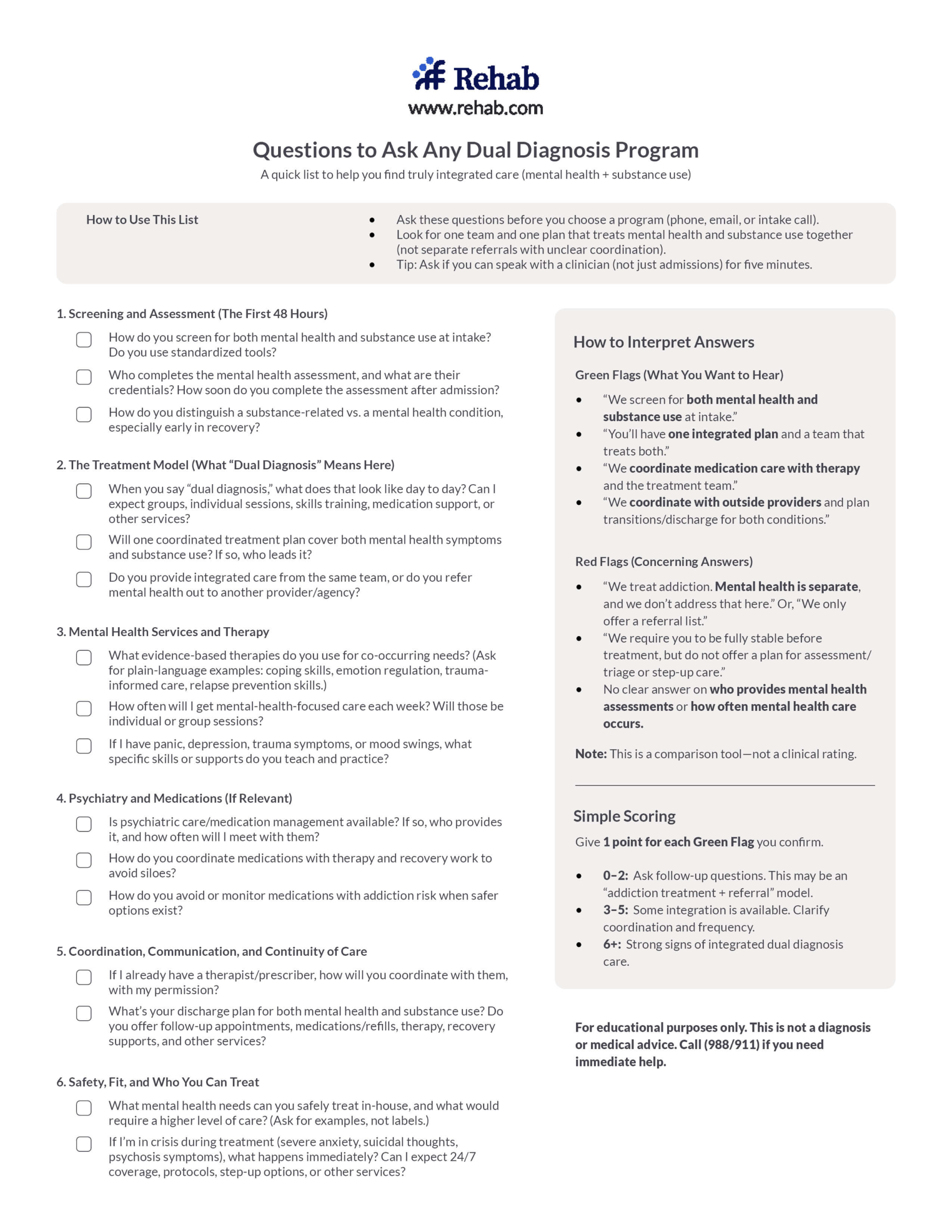
Long-term recovery works best when dual diagnosis treatment addresses both substance use disorders and the anxiety condition together, rather than treating one first and hoping the other resolves on its own.27
Evidence-based care often includes cognitive behavioral therapy (CBT), motivational enhancement therapy, and trauma-focused treatment when trauma is part of the clinical picture. For ongoing anxiety management, clinicians may use non-benzodiazepine medications such as SSRIs, SNRIs, buspirone, or hydroxyzine. If alcohol relapse prevention is part of the plan, alcohol withdrawal medications such as naltrexone or acamprosate may also help reduce the risk of returning to drinking.27
Ongoing Support and Relapse Prevention
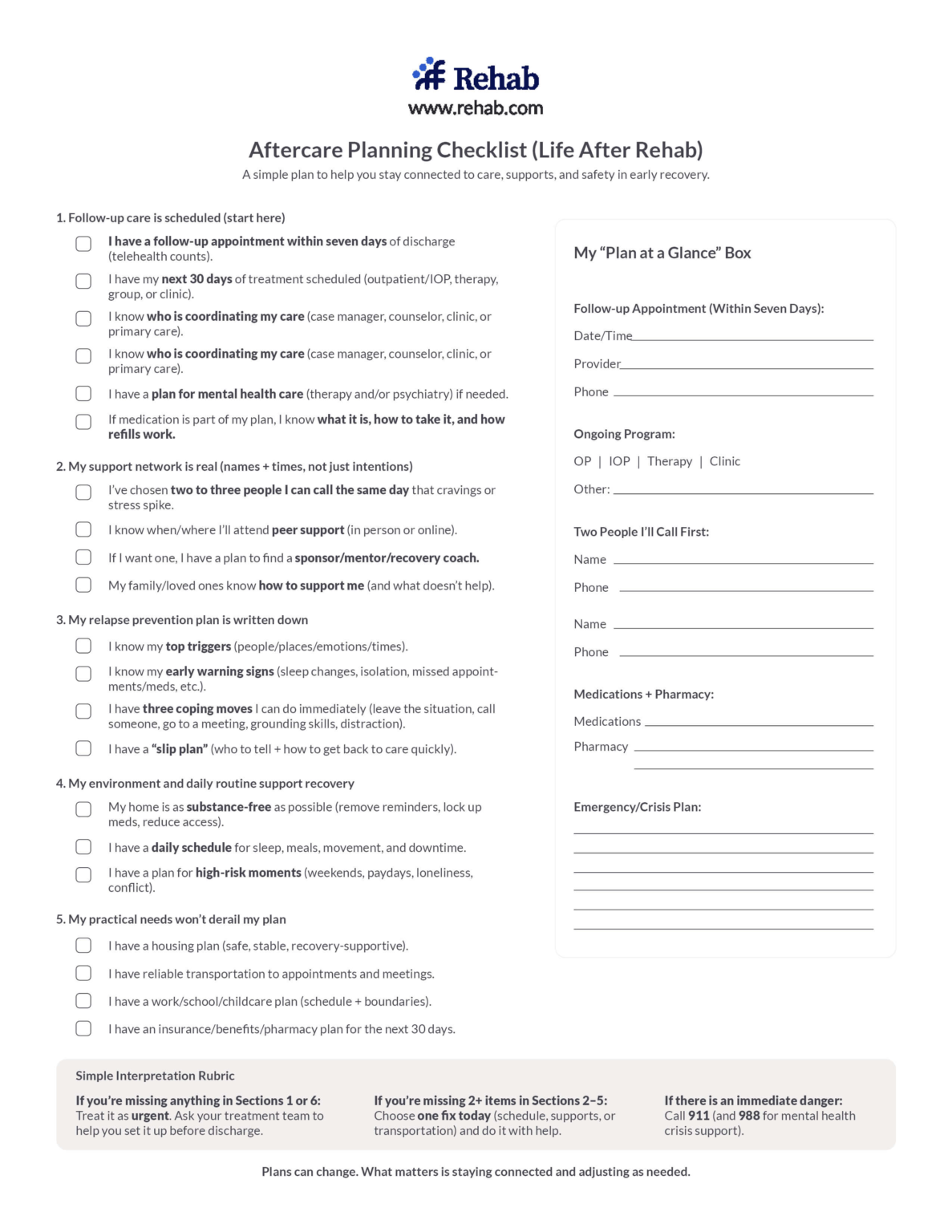
Recovery usually becomes more durable when treatment continues beyond detox. Ongoing therapy, medication management, and structured follow-up help you manage anxiety symptoms, rebuild routines, and respond early to cravings or relapse triggers before they spiral.28
Many people also benefit from community-based support, such as 12-step groups or other peer programs that provide accountability and connection. Family involvement, when appropriate and supportive, can also strengthen recovery by improving communication, reducing enabling patterns, and helping the people around you understand what dual-diagnosis treatment actually requires.28
Frequently Asked Questions
No. There is no universally safe amount of alcohol to mix with a benzodiazepine, and the prescribing information for Xanax, Valium, Ativan, and Klonopin all warn against drinking while taking them.1 Your risk depends on dose, timing, other medications, and your individual response, so if you take a benzodiazepine, ask your prescriber before having any alcohol.
There is no reliable “safe” number of hours to wait. The safer answer is to avoid alcohol entirely while you are taking a benzodiazepine, because even after the obvious effects wear off, enough medication can remain in your bloodstream to interact with alcohol.1 This is especially true for Klonopin and Valium, which can stay active for days after a dose.17,19
Yes, it can. The immediate dangers include death, accidents, and hypoxic brain injury if slowed breathing deprives your brain of oxygen during an overdose.1 Over time, chronic combined use can contribute to cognitive impairment and liver stress,12,13 but the most severe permanent harm often comes from a single near-fatal event rather than gradual damage.
Call 911 immediately. Place the person on their side in the recovery position, watch their breathing closely, and give rescue breathing if you are trained and they are not breathing normally. If opioids might also be involved, give naloxone right away, and stay with the person until emergency services arrive.22
Find Treatment for Combined Benzodiazepine and Alcohol Use
If alcohol and benzodiazepines have become connected to how you cope, sleep, or get through the day, getting help now can prevent a medical emergency and make recovery much safer. Treatment works, and the best next step is to talk with a doctor, addiction specialist, or dual-diagnosis treatment program coordinator who can help you address both substance use and the underlying anxiety at the same time.
You can also reach out to our team of professionals, who can connect you with a provider. Or, use our online treatment directory and use the filters to narrow your search to meet your personal needs.
Sources
- National Institute on Alcohol Abuse and Alcoholism. Alcohol-Medication Interactions: Potentially Dangerous Mixes. NIAAA. 2026. https://www.niaaa.nih.gov/health-professionals-communities/core-resource-on-alcohol/alcohol-medication-interactions-potentially-dangerous-mixes. Accessed June 24, 2026.
- Ram S, Sunil Kumar M. Central Depressant Agent. ScienceDirect. 2026. https://www.sciencedirect.com/topics/chemistry/central-depressant-agent. Accessed June 24, 2026.
- Centers for Disease Control and Prevention. Polysubstance Overdose. CDC. 2024. https://www.cdc.gov/overdose-prevention/about/polysubstance-overdose.html. Accessed June 24, 2026.
- Becker HC, Griffin WC, Lopez MF. Cross-Tolerance. ScienceDirect. 2026. https://www.sciencedirect.com/topics/immunology-and-microbiology/cross-tolerance. Accessed June 24, 2026.
- LaHood AJ, Kok SJ. Ethanol Toxicity. StatPearls [Internet]. 2023. https://www.ncbi.nlm.nih.gov/books/NBK557381/. Accessed June 24, 2026.
- Kang M, Galuska MA, Ghassemzadeh S. Benzodiazepine Toxicity. StatPearls [Internet]. 2023. https://www.ncbi.nlm.nih.gov/books/NBK482238/. Accessed June 24, 2026.
- Bateman JT, Saunders SE, Levitt ES. Understanding and countering opioid-induced respiratory depression. British Journal of Pharmacology. 2023;180(7):813-828. https://doi.org/10.1111/bph.15580. Accessed June 24, 2026.
- Imani MH, Imani AH, Saem A, Niksolat M. Sedative-hypnotic drug use and risk of falls and fractures in elderly patients: a cross-sectional study. BMC Geriatrics. 2025;25(1):954. https://doi.org/10.1186/s12877-025-06624-y. Accessed June 24, 2026.
- National Institute on Alcohol Abuse and Alcoholism. Understanding the Dangers of Alcohol Overdose. NIAAA. 2025. https://www.niaaa.nih.gov/publications/brochures-and-fact-sheets/understanding-dangers-of-alcohol-overdose. Accessed June 24, 2026.
- National Institute on Alcohol Abuse and Alcoholism. Interrupted Memories: Alcohol-Induced Blackouts. NIAAA. 2025. https://www.niaaa.nih.gov/publications/brochures-and-fact-sheets/interrupted-memories-alcohol-induced-blackouts. Accessed June 24, 2026.
- Peppin JF, Raffa RB, Schatman ME. The Polysubstance Overdose-Death Crisis. Journal of Pain Research. 2020;13:3405-3408. https://doi.org/10.2147/JPR.S295715. Accessed June 24, 2026.
- Bourgault Z, Rubin-Kahana DS, Hassan AN, Sanches M, Le Foll B. Multiple Substance Use Disorders and Self-Reported Cognitive Function in U.S. Adults. Frontiers in Psychiatry. 2022;12:797578. https://doi.org/10.3389/fpsyt.2021.797578. Accessed June 24, 2026.
- Robinson K, Coraluzzi LM, Navarro VJ. Liver injury in patients with substance use disorder. Clinical Liver Disease. 2024;23(1):e0220. https://doi.org/10.1097/CLD.0000000000000220. Accessed June 24, 2026.
- Regina AC, Gokarakonda SB, Attia FN. Withdrawal Syndromes. StatPearls [Internet]. 2024. https://www.ncbi.nlm.nih.gov/books/NBK459239/. Accessed June 25, 2026.
- George TT, Tripp J. Alprazolam. StatPearls [Internet]. 2023. https://www.ncbi.nlm.nih.gov/books/NBK538165/. Accessed June 25, 2026.
- Maust DT, Lin LA, Blow FC. Benzodiazepine Use and Misuse Among Adults in the United States. Psychiatric Services. 2019;70(2):97-106. https://doi.org/10.1176/appi.ps.201800321. Accessed June 25, 2026.
- Dhaliwal JS, Rosani A, Saadabadi A. Diazepam. StatPearls [Internet]. Updated 2023 Aug 28. https://www.ncbi.nlm.nih.gov/books/NBK537022/. Accessed June 25, 2026.
- Ghiasi N, Bhansali RK, Marwaha R. Lorazepam. StatPearls [Internet]. Updated 2024 May 25. https://www.ncbi.nlm.nih.gov/books/NBK532890/. Accessed June 25, 2026.
- National Institute on Alcohol Abuse and Alcoholism. Mental Health Issues: Alcohol Use Disorder and Common Co-occurring Conditions. NIAAA. 2025. https://www.niaaa.nih.gov/health-professionals-communities/core-resource-on-alcohol/mental-health-issues-alcohol-use-disorder-and-common-co-occurring-conditions. Accessed June 25, 2026.
- McHugh RK, Votaw VR, Taghian NR, Griffin ML, Weiss RD. Benzodiazepine misuse in adults with alcohol use disorder. Journal of Substance Abuse Treatment. 2020;117:108061. https://doi.org/10.1016/j.jsat.2020.108061. Accessed June 25, 2026.
- Edinoff AN, Nix CA, Hollier J, et al. Benzodiazepines: Uses, Dangers, and Clinical Considerations. Neurology International. 2021;13(4):594-607. https://doi.org/10.3390/neurolint13040059. Accessed June 15, 2026.
- Substance Abuse and Mental Health Services Administration. Overdose Prevention and Response Toolkit. SAMHSA. 2026. https://library.samhsa.gov/product/overdose-prevention-response-toolkit/pep23-03-00-001. Accessed June 25, 2026.
- Sharbaf Shoar N, Bistas KG, Patel P, et al. Flumazenil. StatPearls [Internet]. 2024. https://www.ncbi.nlm.nih.gov/books/NBK470180/. Accessed June 25, 2026.
- Regina AC, Gokarakonda SB, Attia FN. Withdrawal Syndromes. StatPearls [Internet]. 2024. https://www.ncbi.nlm.nih.gov/books/NBK459239/. Accessed June 25, 2026.
- American Society of Addiction Medicine. The ASAM Criteria: Treatment Criteria for Addictive, Substance-related and Co-occurring Conditions. ASAM. n.d. https://www.azahcccs.gov/PlansProviders/Downloads/CurrentProviders/ASAMCriteriaBrochure.pdf. Accessed June 25, 2026.
- Brunner E, Chen CYA, Klein T, et al. Joint Clinical Practice Guideline on Benzodiazepine Tapering: Considerations When Risks Outweigh Benefits. Journal of General Internal Medicine. 2025;40:2814-2859. https://doi.org/10.1007/s11606-025-09499-2. Accessed June 25, 2026.
- Substance Abuse and Mental Health Services Administration. Chapter 7 — Treatment Models and Settings for People With Co-Occurring Disorders. SAMHSA. 2020. https://www.ncbi.nlm.nih.gov/books/NBK571024/. Accessed June 25, 2026.
- National Institute on Drug Abuse. Treatment and Recovery. NIDA. 2020. https://nida.nih.gov/publications/drugs-brains-behavior-science-addiction/treatment-recovery. Accessed June 24, 2026.