



























































































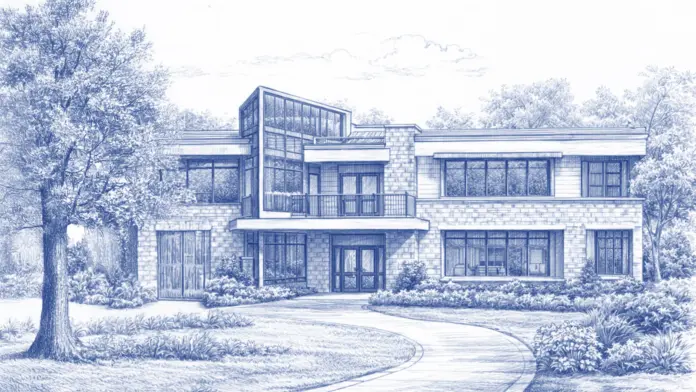
About Buckhead Behavioral Health
Buckhead Behavioral Health is an outpatient addiction treatment center in Atlanta, Georgia offering flexible programs for adults struggling with substance use and co-occurring mental health conditions. Their services range from intensive day treatment to virtual options supported by medication assisted treatment and evidence based therapies. They are Joint Commission accredited.
Detox and Outpatient Programs
Buckhead Behavioral Health offers partial hospitalization and intensive outpatient programs including evening IOP and virtual IOP along with standard outpatient programs. They also provide outpatient detox, a 90 day recovery program, and an alumni program for ongoing support after treatment.
Bilingual Sessions and Specialized Programs
The center serves adults ages 18 and older, including both men and women. Specialized programming is available for veterans, LGBTQ+ clients, professionals, and women seeking gender specific care. Bilingual staff support English and Spanish speaking clients.
Medication Assisted Treatment and Holistic Therapies
Treatment includes individual, group, family, and trauma therapy along with holistic approaches like art therapy, mindfulness, and neurofeedback. Medication assisted treatment options include Sublocade, Vivitrol, and Naltrexone for opioid and alcohol use disorders.

Rehab Score
 Our Methodology


Location
Other Forms of Payment
Private insurance refers to any kind of healthcare coverage that isn't from the state or federal government. This includes individual and family plans offered by an employer or purchased from the Insurance Marketplace. Every plan will have different requirements and out of pocket costs so be sure to get the full details before you start treatment.
Addiction Treatments
Levels of Care
Medical detox is the process of ridding the body of addictive substances in a medically supervised setting. If you become chemically dependent on a substance like alcohol, opioids, or benzodiazepines (like Xanax or Ativan), quitting abruptly can cause uncomfortable or even dangerous side effects. Licensed medical professionals ensure the process goes as safely and comfortably as possible while monitoring you 24/7 and administering any required medications,
Designed for individuals who don't require round-the-clock care, a partial hospitalization program (PHP) is a form of outpatient care with a higher level of support. PHP treatment can be an alternative to inpatient hospitalization or a step-down option. With daily sessions lasting 6 to 8 hours, up to 5 days a week, a partial hospitalization program may offer medication management, relapse prevention techniques, and behavioral therapy interventions. PHP treatment can be fully or partially covered by insurance.
Clients enrolled in an intensive outpatient program (IOP) travel to treatment centers for specialized care multiple times per week. Intensive outpatient treatment allows clients to receive robust care while continuing to live at home. Most programs require between nine and 20 treatment hours per week, with the frequency and intensive of sessions decreasing as clients stabilize. Services generally include a combination of addiction counseling, medication assisted treatment (MAT), recovery-focused life skills training, and holistic therapies.
Outpatient rehab enables clients to receive addiction treatment while continuing to work and reside at home. Many programs offer evening, night, and weekend services so that clients may receive treatment on their own schedule. Outpatient treatment modalities typically include addiction counseling, recovery-focused life skills training, and/or medication assisted treatment (MAT). Many programs also provide step-down care, including partial hospitalization (PHP), intensive outpatient (IOP), and standard outpatient services, to align with clients' evolving needs.
Telehealth lets you attend your appointment from anywhere, so you don't have to travel, take time off work, or find a babysitter. You may also choose a specialist who is far away, since you don't have to go to their office. Lastly, you may be able to schedule an appointment sooner if you choose a telehealth visit.
Treatments
Alcoholism is a pattern of alcohol use that involves continued drinking even when it causes problems. Alcoholism is also characterized by a physical dependence on alcohol, which causes the body to experience withdrawal symptoms when alcohol is not present. Due to this physical dependence, medically-supervised detox is often necessary to safely recover from alcoholism. Alcohol rehab in Georgia offers a three-step process of detox, rehab, and maintenance to help individuals recover from alcohol addiction.
 Opioid Addiction
A quality drug rehab in Georgia can help you overcome addiction. This environment is designed to help you address the complex issues contributing to drug dependence. The goal of treatment is to give you the tools you need to make a full recovery.
Addiction treatment programs in Georgia help individuals to address substance abuse problems. With various programs available, including outpatient, inpatient, and partial hospitalization programs, you can find the right level of care for your specific needs. You can generally expect drug and alcohol rehab to incorporate evidence-based therapies, such as cognitive-behavioral therapy (CBT), skills training, recovery meetings, and mindfulness-based therapy. When combined, these interventions can successfully help you overcome addiction and continue to enjoy long-term mental health.
While in treatment for a substance use disorder, mental health services are provided, and you have access to a mental health counselor or therapist round the clock. Clinical staff constantly monitor your care, and you receive a number of mental health therapies including individual and group counseling, relapse prevention education, and coping skills training. Other mental health offerings will vary by rehab.
In Georgia, specialized dual-diagnosis addiction treatment programs address co-occurring substance use disorders and mental health conditions. Care levels include outpatient, inpatient, and partial hospitalization. Therapies like cognitive behavioral therapy, or dialectical behavioral therapy, equine therapy, mindfulness-based therapy, skills training, and recovery groups — like 12-step — support you in achieving sobriety and sustaining recovery. Developing the tools to establish a solid support system (or strengthen an existing one) will also increase your chances of long-term recovery success.
Programs
Adult rehab programs include therapies tailored to each client's specific needs, goals, and recovery progress. They are tailored to the specific challenges adult clients may face, including family and work pressures and commitments. From inpatient and residential treatment to various levels of outpatient services, there are many options available. Some facilities also help adults work through co-occurring conditions, like anxiety, that can accompany addiction.
Recovery is most successful when clients feel accepted and validated by their peers and treatment providers. Facilities that offer LGBTQ-inclusive programming are committed to creating a safe space where everyone can grow and recover without fear of judgment or discrimination. They will have dedicated policies in place to create a safe and supportive environment that fosters free expression.
Serving in the military is both mentally and physically challenging, and can result in trauma that persists even after combat ends. Military programs are tailored to the specific and often complex needs of active duty personnel, veterans, and military families. Clients often access these programs through the U.S. Department of Veterans Affairs (VA).
Rehabs for women provide a safe, nurturing space for female clients to heal. These treatment programs consider the specific obstacles that women can face during recovery and place a special emphasis on mental, social, physical, and reproductive health. They explore how each woman's experience has shaped the trajectory of their substance use, addressing issues such as sexual abuse and past trauma.
Clinical Services
During family therapy sessions in Georgia, members address the emotional toll that addiction has had on them. Therapists help your family develop coping strategies and improve the family unit's communication. This provides a stable environment that supports the recovery process.
People in Georgia find that group therapy offers a place to share responsibility for each other's recovery. This helps foster a collective commitment to sobriety, which increases your potential for success and creates a network of mutual support that often follows into personal friendships.
Men and women in Georgia may experience Motivational Interviewing techniques while undergoing individual therapy for drug and alcohol addiction treatment. This approach helps you explore how you feel about drug use and it strengthens your commitment to maintaining treatment. It is particularly useful in the early stages of recovery.
In trauma therapy, you address the emotional and psychological effects of traumatic events in your life. Your therapist provides you with the tools you need to process those memories and reduce the symptoms. This helps improve your overall mental health and functioning.
Amenities
-
 Gym
Gym -
 Metropolitan Area
 -
 Yoga Studio
Accreditations

The Joint Commission, formerly known as JCAHO, is a nonprofit organization that accredits rehab organizations and programs. Founded in 1951, the Joint Commision's mission is to improve the quality of patient care and demonstrating the quality of patient care.
Joint Commission Accreditation: Yes
Contact Information


2285 Peachtree Rd, Atlanta, GA 30309
Sponsored Helpline
