






























































































Thorough service from start to finish. Dear staff, your quality and timely care is much appreciated! All the services were quick and efficient.
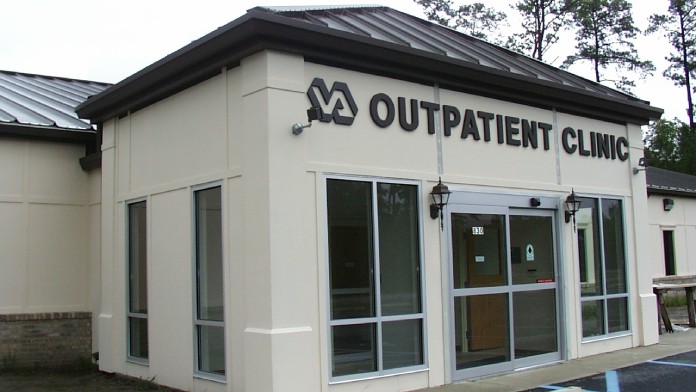
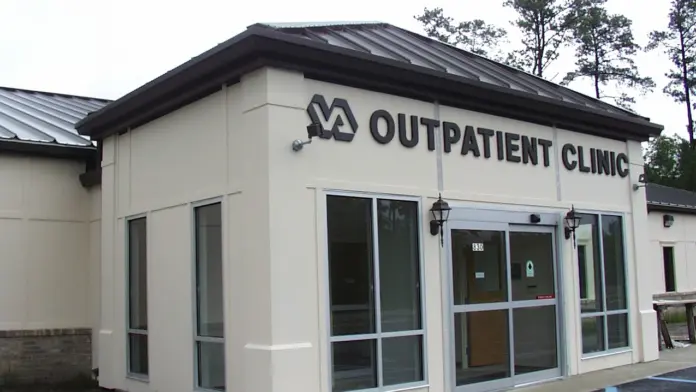
About Cambridge VA Outpatient Clinic
You can call to schedule an appointment and these can often be scheduled within relatively short wait times. As with all VA health care facilities, this center also offers same day help. You might even qualify for it without enrolling in VA health care. Same day appointments are available for urgent issues, as well as telehealth visits, virtual appointments, and walk in express care.
Individuals can get help here for a range of mental and behavioral health issues, including depression, anxiety, PTSD, self-harming behaviors and addiction. Multidisciplinary care here involves a variety of treatment programs, like inpatient/residential and intensive outpatient (IOP) as well as and standard outpatient. These all feature consultation and assessments ahead of treatment.
Some of the things that stand out about this clinic include shuttle services that are available to help veterans get to their appointments as well as the patient advocates that can help you resolve any issues that you have with your care. If you’re new to the VA you can also access new patient orientation that helps you understand what to expect.
Feedback from former clients is mostly positive. Many describe the staff here as kind, helpful, and thorough. Several praise the convenience and flexibility of the appointment systems, as well as the speed and efficiency of their services.
Latest Reviews
Always pleasent staff. Very helpful. Been going out of their way for me.
Over the past year I been dealing with a Rare Blood Disorder called Systemic Mastocytosis. It is a Mast Cell Disease. Local Hospital & John Hopkins both told me, we know what you have, there is
no cure, there is no pill, there is nothing else we can do for you. After 10 years of my own research
I found out I need to take an antihistamine with H1 and H2 blockers to reduce allergic reactions.
Cambridge VA has been over seeing my symptoms, plus psychological therapy. Getting me a new back brace to support my 17 compression fractures. You are greeted very respectful by everyone.
Appointment times run on time. The clinic is 40 miles away from where I live. I rather travel 40 miles, than go the local Doctors. Only 1 of my 8 local doctors that I have, has went out of his way to help me. Cambridge VA go out of their way to help you in anyway possible.
These folks have been taking great care of me since 2010

Rehab Score
 Our Methodology
Scoring is assigned by a proprietary system which helps surface key metrics that determine quality. The 10-point scale factors in categories such as operations, customer satisfaction, and trust metrics. Read Full Methodology

7.1 / 10
Gallery
Other Forms of Payment
Private insurance refers to any kind of healthcare coverage that isn't from the state or federal government. This includes individual and family plans offered by an employer or purchased from the Insurance Marketplace. Every plan will have different requirements and out of pocket costs so be sure to get the full details before you start treatment.
Self-pay involves paying for treatment out of your own pocket. You can use savings or credit, get a personal loan, or receive help from family and friends to fund your treatment. If you don't have insurance or your insurance plan doesn't cover a specific program, self-pay can help ensure you still get the care you need.
Military members, veterans, and eligible dependents have access to specific insurance programs that help them get the care they need. TRICARE and VA insurance can help you access low cost or no cost addiction and mental health treatment. Programs that accept military insurance often have targeted treatment focused on the unique challenges military members, veterans, and their families face.
Sliding scale payments are based on a client's income and family size. The goal is to make treatment affordable to everyone. By taking these factors into account, addiction recovery care providers help ensure that your treatment does not become a financial burden to you or your family, eliminating one barrier to care.
Medicaid is a state based program that helps lower-income individuals and families pay for healthcare. Medicaid covers addiction treatment so those enrolled can use their coverage to pay for rehab. When a program accepts Medicaid the client often pays very little or nothing out of their own pocket.
Addiction Treatments
Levels of Care
Outpatient Programs (OP) are for those seeking mental rehab or drug rehab, but who also stay at home every night. The main difference between outpatient treatment (OP) and intensive outpatient treatment (IOP) lies in the amount of hours the patient spends at the facility. Most of the time an outpatient program is designed for someone who has completed an inpatient stay and is looking to continue their growth in recovery. Outpatient is not meant to be the starting point, it is commonly referred to as aftercare.
Completing a drug or alcohol rehab program shouldn't spell the end of substance abuse treatment. Aftercare involves making a sustainable plan for recovery, including ongoing support. This can include sober living arrangements like halfway houses, career counseling, and setting a patient up with community programs like Alcoholics Anonymous (AA) or Narcotics Anonymous (NA).
Treatments
Mental health rehabs focus on helping individuals recover from mental illnesses like bipolar disorder, clinical depression, anxiety disorders, schizophrenia, and more. Mental health professionals at these facilities are trained to understand and treat mental health issues, both in individual and group settings.
Programs
Adult rehab programs include therapies tailored to each client's specific needs, goals, and recovery progress. They are tailored to the specific challenges adult clients may face, including family and work pressures and commitments. From inpatient and residential treatment to various levels of outpatient services, there are many options available. Some facilities also help adults work through co-occurring conditions, like anxiety, that can accompany addiction.
Recovery is most successful when clients feel accepted and validated by their peers and treatment providers. Facilities that offer LGBTQ-inclusive programming are committed to creating a safe space where everyone can grow and recover without fear of judgment or discrimination. They will have dedicated policies in place to create a safe and supportive environment that fosters free expression.
Serving in the military is both mentally and physically challenging, and can result in trauma that persists even after combat ends. Military programs are tailored to the specific and often complex needs of active duty personnel, veterans, and military families. Clients often access these programs through the U.S. Department of Veterans Affairs (VA).
Young adulthood can be an exciting, yet difficult, time of transition. Individuals in their late teens to mid-20s face unique stressors related to school, jobs, families, and social circles, which can lead to a rise in substance use. Rehab centers with dedicated young adult programs will include activities and amenities that cater to this age group, with an emphasis on specialized counseling, peer socialization, and ongoing aftercare.
Clinical Services
Cognitive Behavioral Therapy (CBT) is a therapy modality that focuses on the relationship between one's thoughts, feelings, and behaviors. It is used to establish and allow for healthy responses to thoughts and feelings (instead of unhealthy responses, like using drugs or alcohol). CBT has been proven effective for recovering addicts of all kinds, and is used to strengthen a patient's own self-awareness and ability to self-regulate. CBT allows individuals to monitor their own emotional state, become more adept at communicating with others, and manage stress without needing to engage in substance abuse.
Whether a marriage or other committed relationship, an intimate partnership is one of the most important aspects of a person's life. Drug and alcohol addiction affects both members of a couple in deep and meaningful ways, as does rehab and recovery. Couples therapy and other couples-focused treatment programs are significant parts of exploring triggers of addiction, as well as learning how to build healthy patterns to support ongoing sobriety.
Eating disorders include anorexia, bulimia, binge eating, and dysfunctional eating patterns. Many psychologists and other mental health professionals consider eating disorders to be food addictions, meaning food is being used in an addictive way (similar to drug or alcohol addiction). Certain substance abuse treatment programs will have treatment for eating disorders as one of the services offered. An eating disorder may also present as a co-occuring disorder or dual diagnosis alongside drug and alcohol addiction.
Experiential therapy is a form of therapy in which clients are encouraged to surface and work through subconscious issues by engaging in real-time experiences. Experiential therapy departs from traditional talk therapy by involving the body, and having clients engage in activities, movements, and physical and emotional expression. This can involve role-play or using props (which can include other people). Experiential therapy can help people process trauma, memories, and emotion quickly, deeply, and in a lasting fashion, leading to substantial and impactful healing.
Research clearly demonstrates that recovery is far more successful and sustainable when loved ones like family members participate in rehab and substance abuse treatment. Genetic factors may be at play when it comes to drug and alcohol addiction, as well as mental health issues. Family dynamics often play a critical role in addiction triggers, and if properly educated, family members can be a strong source of support when it comes to rehabilitation.
Group therapy is any therapeutic work that happens in a group (not one-on-one). There are a number of different group therapy modalities, including support groups, experiential therapy, psycho-education, and more. Group therapy involves treatment as well as processing interaction between group members.
In individual therapy, a patient meets one-on-one with a trained psychologist or counselor. Therapy is a pivotal part of effective substance abuse treatment, as it often covers root causes of addiction, including challenges faced by the patient in their social, family, and work/school life.
Nicotine Replacement Therapy (NRT) is a way of getting nicotine into the bloodstream without smoking. It uses products that supply low doses of nicotine to help people stop smoking. The goal of therapy is to cut down on cravings for nicotine and ease the symptoms of nicotine withdrawal.
Nutrition therapy, aka medical nutrition therapy (MNT), is a way of treating physical, emotional, and medical conditions through diet. Specific dietary plans are designed by professional nutritionists or registered dietitians, and patients follow them in order to positively affect their physical and mental health.
Trauma therapy addresses traumatic incidents from a client's past that are likely affecting their present-day experience. Trauma is often one of the primary triggers and potential causes of addiction, and can stem from child sexual abuse, domestic violence, having a parent with a mental illness, losing one or both parents at a young age, teenage or adult sexual assault, or any number of other factors. The purpose of trauma therapy is to allow a patient to process trauma and move through and past it, with the help of trained and compassionate mental health professionals.
Amenities
-
 Private Transportation
Staff & Accreditations
Staff
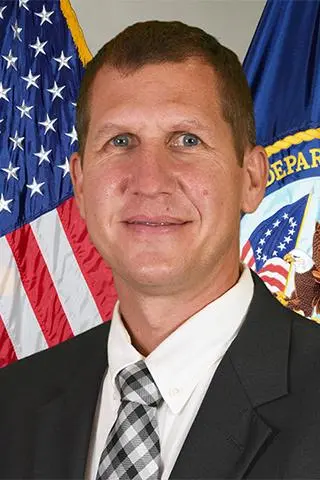
Jonathan R. Eckman, P.E.
Director
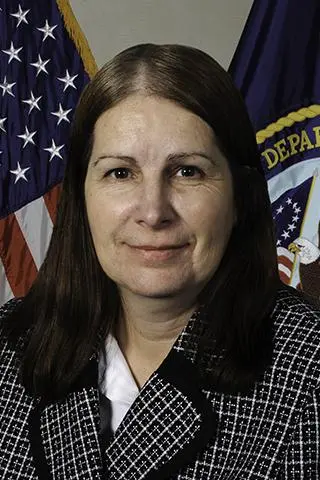
Sandra Marshall, MD
Chief of Staff
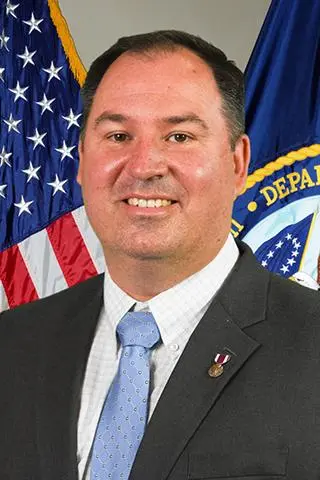
Christopher Buser, LCSW-C
Deputy Director
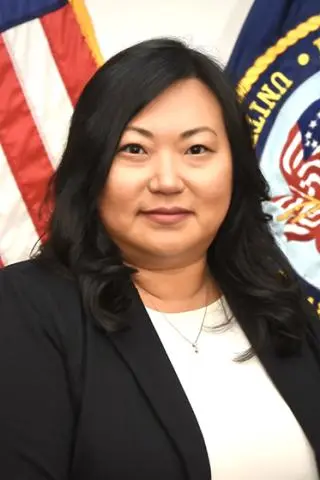
Diana Choi, RN, MSN
Associate Director for Patient Care Services & Chief Nurse Executive
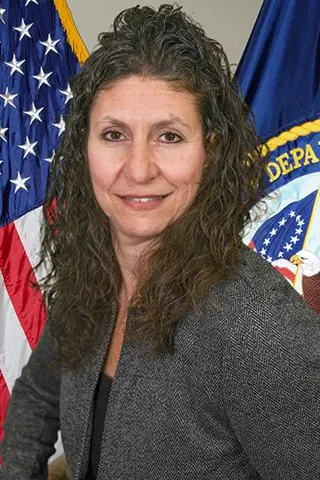
Lori Rosenzweig, MPT, MDT
Associate Director for Operations

Kelley Anthony, LCSW-C
Assistant Director
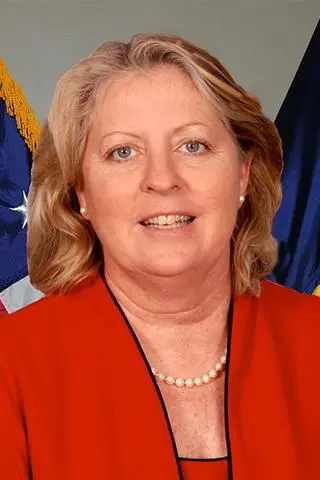
Sheila Bryson-Eckroade, RN, BSN, MEd, NEA-BC
Chief Quality Officer
Accreditations

The Joint Commission, formerly known as JCAHO, is a nonprofit organization that accredits rehab organizations and programs. Founded in 1951, the Joint Commision's mission is to improve the quality of patient care and demonstrating the quality of patient care.
Joint Commission Accreditation: Yes
Accreditation Number: 254126
Rehab.com regularly reviews this listing for accuracy but changes may occur between updates. For the most up-to-date information, please contact Cambridge VA Outpatient Clinic.
Contact Information

830 Chesapeake Drive
Cambridge, MD 21613
Get Help Now - 443-376-8434
Sponsored Helpline
Sponsored Helpline



