Our Rehab Score is designed to make it easier for you to find the best treatment centers. We combine overall ratings with recent feedback to create a score that reflects a center's quality right now.
Our Rehab Score is designed to make it easier for you to find the best treatment centers. We combine overall ratings with recent feedback to create a score that reflects a center's quality right now.
8.03 / 10
About Clearfork Academy |
Teen Boys’ Campus
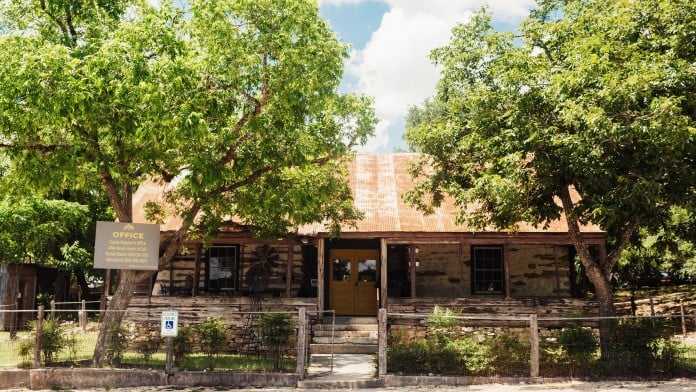
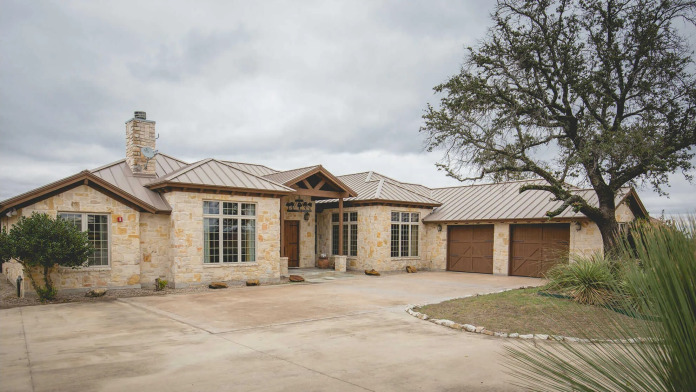
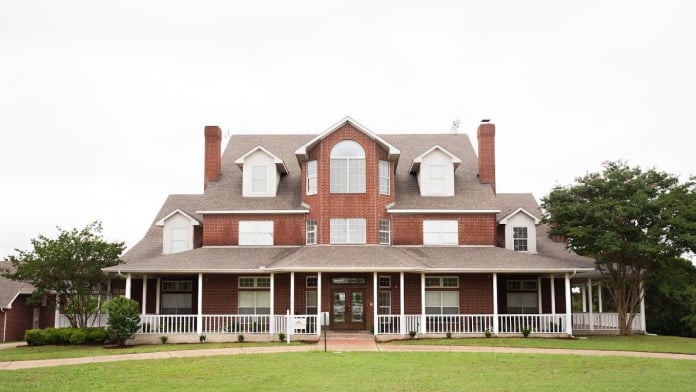
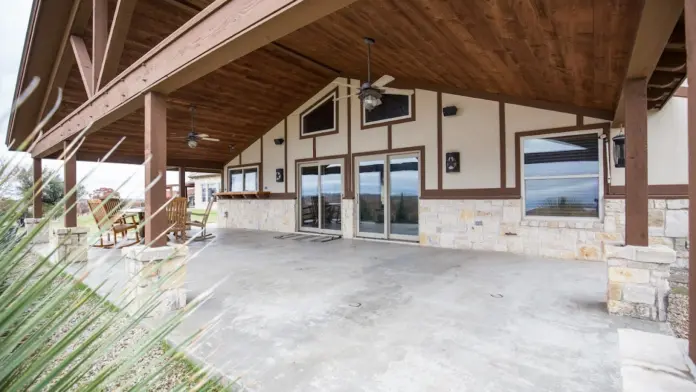
The residential treatment center for teen boys is faith based and located on a spacious ranch. You can expect an outdoor adventure portion of the program that allows for an optimal healing space. The boys will engage in narrative therapy, dialectical behavior therapy, EMDR, and cognitive behavioral therapy.
While the boys are at Clearfork Academy they will eat, learn, play, heal, and pray together. There is also an on-site learning center so your kids can keep up with their academic work while in treatment.
An intensive outpatient program is available and offers a flexible schedule focusing on Christ centered therapy and guidance. Both in person and virtual programming are available.
Former clients and family members say that Clearfork Academy is peaceful and feels like home. They also said the staff members are caring and make a difference in teen boys’ lives.
Clearfork Academy was truly a positive experience for our family and especially for my son. From the beginning, the staff treated him with respect, compassion, and accountability while also giving him the structure and support he needed.
What impressed me most was the growth we saw during his time there. He took the program seriously, worked hard, and ultimately completed the program successfully. The staff recognized his progress and strengths while still challenging him to take responsibility, communicate better, and continue working toward his goals.
I also really appreciated the family involvement. The family sessions gave us an opportunity to have conversations that weren't always easy, but were necessary. We weren't just focused on what he needed to work on. We were also learning how to communicate better and support him as a family once he came home.
Leaving Clearfork didn't feel like simply finishing a treatment program. It felt like he was leaving with accomplishments he could genuinely be proud of and a stronger foundation for what comes next. Several members of the team even offered to provide character letters for him, which meant a great deal to us because it showed that they truly got to know him as a person and recognized how hard he worked.
I am very grateful to the counselors, staff, and everyone at Clearfork who played a part in his time there. Treatment is never something a family hopes their child will need, but if you find yourself in that position, having people who genuinely care about your child's growth makes all the difference. I would absolutely recommend Clearfork Academy to another family looking for that kind of support.
Went here 3 years ago staff was awesome. Learned coping skills when I was there that helped me when I was actually ready to get sober. Don’t expect your kids to come out never wanting to do drugs again that’s their own choice. My only complaint was the favoritism that would go on there besides that pretty solid. The foods great if JT is still the chef I can’t vouch for anyone else’s cooking. Shout out Big Ken, Jeff, Sherrod, JT,
Justin and Mr James much love appreciate everything you did for me
Scoring is assigned by a proprietary system which helps surface key metrics that determine quality. The 10-point scale factors in categories such as operations, customer satisfaction, and trust metrics. Read Full Methodology
8 / 10
Gallery
Accepted Insurance
Please contact to verify your specific insurance provider.
Clearfork Academy |
Teen Boys’ Campus works with several private insurance providers, please contact to verify your specific insurance provider.
Self-pay involves paying for treatment out of your own pocket. You can use savings or credit, get a personal loan, or receive help from family and friends to fund your treatment. If you don't have insurance or your insurance plan doesn't cover a specific program, self-pay can help ensure you still get the care you need.
Military members, veterans, and eligible dependents have access to specific insurance programs that help them get the care they need. TRICARE and VA insurance can help you access low cost or no cost addiction and mental health treatment. Programs that accept military insurance often have targeted treatment focused on the unique challenges military members, veterans, and their families face.
Medicaid is a state based program that helps lower-income individuals and families pay for healthcare. Medicaid covers addiction treatment so those enrolled can use their coverage to pay for rehab. When a program accepts Medicaid the client often pays very little or nothing out of their own pocket.
Private insurance refers to any kind of healthcare coverage that isn't from the state or federal government. This includes individual and family plans offered by an employer or purchased from the Insurance Marketplace. Every plan will have different requirements and out of pocket costs so be sure to get the full details before you start treatment.
Addiction Treatments
Levels of Care
Outpatient Programs (OP) are for those seeking mental rehab or drug rehab, but who also stay at home every night. The main difference between outpatient treatment (OP) and intensive outpatient treatment (IOP) lies in the amount of hours the patient spends at the facility. Most of the time an outpatient program is designed for someone who has completed an inpatient stay and is looking to continue their growth in recovery. Outpatient is not meant to be the starting point, it is commonly referred to as aftercare.
Residential treatment programs are those that offer housing and meals in addition to substance abuse treatment. Rehab facilities that offer residential treatment allow patients to focus solely on recovery, in an environment totally separate from their lives. Some rehab centers specialize in short-term residential treatment (a few days to a week or two), while others solely provide treatment on a long-term basis (several weeks to months). Some offer both, and tailor treatment to the patient's individual requirements.
Intensive Outpatient Programs (IOP) are for those who want or need a very structured treatment program but who also wish to live at home and continue with certain responsibilities (such as work or school). IOP substance abuse treatment programs vary in duration and intensity, and certain outpatient rehab centers will offer individualized treatment programs.
Rehab aftercare programs are based on a model of continuing care and the premise that recovery is a life-long process requiring ongoing client support. Many rehab aftercare services include outpatient care, but clients often continue to receive support after being discharged from formal treatment. Case managers and care teams typically collaborate with clients to design their long-term care plan, which may include peer coaching, career counseling, and 12 step program induction, among other services.
24-hour clinical care in Texas provides a safe environment for medical detox. This setting is crucial to provide medical care during withdrawal. Certain withdrawal symptoms can cause life-threatening conditions, but patients in a supervised clinical setting have treatment readily available to address any symptoms before they become severe. Treatment can also be provided for co-occurring physical and mental health issues.
Ridding the body of harmful, addictive substances, also known as detoxification, is usually the first phase of recovery. Those going through medically assisted detox can be administered medications by a team of medical professionals who are on-site 24/7 to provide different types of therapies that help mitigate withdrawal symptoms.
Commonly known as "day treatment," a partial hospitalization program (PHP) offers intensive addiction treatment while allowing you to return home each day. It can serve as an alternative to inpatient hospitalization or as a step-down option. Depending on your needs, PHP treatment typically averages 90 days with a weekly requirement of 6-8 hours a day. PHP treatment offers a variety of therapeutic interventions such as individual counseling, group therapy, and psychoeducation. Oftentimes PHP treatment can be fully covered by insurance.
Treatments
The goal of treatment for alcoholism is abstinence. Those with poor social support, poor motivation, or psychiatric disorders tend to relapse within a few years of treatment. For these people, success is measured by longer periods of abstinence, reduced use of alcohol, better health, and improved social functioning. Recovery and Maintenance are usually based on 12 step programs and AA meetings.
During rehab in Texas, you'll deal with underlying issues that contribute to addiction. By addressing these challenges and learning healthy ways to cope with them, you'll develop strategies that help you live a drug-free lifestyle.
Many of those suffering from addiction also suffer from mental or emotional illnesses like schizophrenia, bipolar disorder, depression, or anxiety disorders. Rehab and other substance abuse facilities treating those with a dual diagnosis or co-occurring disorder administer psychiatric treatment to address the person's mental health issue in addition to drug and alcohol rehabilitation.
A combined mental health and substance abuse rehab has the staff and resources available to handle individuals with both mental health and substance abuse issues. It can be challenging to determine where a specific symptom stems from (a mental health issue or an issue related to substance abuse), so mental health and substance abuse professionals are helpful in detangling symptoms and keeping treatment on track.
Opioid rehabs specialize in supporting those recovering from opioid addiction. They treat those suffering from addiction to illegal opioids like heroin, as well as prescription drugs like oxycodone. These centers typically combine both physical as well as mental and emotional support to help stop addiction. Physical support often includes medical detox and subsequent medical support (including medication), and mental support includes in-depth therapy to address the underlying causes of addiction.
Substance abuse treatment is available in Texas for anyone who's struggling with drug or alcohol addiction. These programs usually provide a comprehensive assessment and individualized treatment plan, and include evidence-based treatments, like therapies such as cognitive-behavioral therapy (CBT) to reframe unhelpful coping strategies, and dialectical behavior therapy (DBT) to help with emotional regulation and stress.
Programs
Teen programs are designed to address the unique pressures teens face, pressures that can drive them to experiment with dangerous, addictive substances. They need programs that meet them exactly where they are and give them tools for long-term recovery. Therapy can help teenagers understand and work through underlying issues so they can reclaim the life ahead of them.
Clinical Services
Cognitive Behavioral Therapy (CBT) is a therapy modality that focuses on the relationship between one's thoughts, feelings, and behaviors. It is used to establish and allow for healthy responses to thoughts and feelings (instead of unhealthy responses, like using drugs or alcohol). CBT has been proven effective for recovering addicts of all kinds, and is used to strengthen a patient's own self-awareness and ability to self-regulate. CBT allows individuals to monitor their own emotional state, become more adept at communicating with others, and manage stress without needing to engage in substance abuse.
Dialectical Behavior Therapy (DBT) is a modified form of Cognitive Behavioral Therapy (CBT), a treatment designed to help people understand and ultimately affect the relationship between their thoughts, feelings, and behaviors. DBT is often used for individuals who struggle with self-harm behaviors, such as self-mutilation (cutting) and suicidal thoughts, urges, or attempts. It has been proven clinically effective for those who struggle with out-of-control emotions and mental health illnesses like Borderline Personality Disorder.
Equine Therapy
Group therapy is any therapeutic work that happens in a group (not one-on-one). There are a number of different group therapy modalities, including support groups, experiential therapy, psycho-education, and more. Group therapy involves treatment as well as processing interaction between group members.
In individual therapy, a patient meets one-on-one with a trained psychologist or counselor. Therapy is a pivotal part of effective substance abuse treatment, as it often covers root causes of addiction, including challenges faced by the patient in their social, family, and work/school life.
Motivational Interviewing (MI) is a clinical approach to helping people with substance abuse issues and other conditions shift behavior in positive ways. It is more goal-oriented than traditional psychotherapy, as MI counselors directly attempt to get clients to consider making behavioral change (rather than wait for them to come to conclusions themselves). Its primary purpose is to resolve ambivalence and help clients become able to make healthy choices freely.
Trauma therapy addresses traumatic incidents from a client's past that are likely affecting their present-day experience. Trauma is often one of the primary triggers and potential causes of addiction, and can stem from child sexual abuse, domestic violence, having a parent with a mental illness, losing one or both parents at a young age, teenage or adult sexual assault, or any number of other factors. The purpose of trauma therapy is to allow a patient to process trauma and move through and past it, with the help of trained and compassionate mental health professionals.
Couples therapy helps couples learn to control emotions, trust each other, and communicate more effectively. It can be useful for short term intervention for a specific issue or for working on the relationship long term.
Eye Movement Desensitization And Reprocessing
Research clearly demonstrates that recovery is far more successful and sustainable when loved ones like family members participate in rehab and substance abuse treatment. Genetic factors may be at play when it comes to drug and alcohol addiction, as well as mental health issues. Family dynamics often play a critical role in addiction triggers, and if properly educated, family members can be a strong source of support when it comes to rehabilitation.
What you eat has a significant effect on your mental and physical health. That's why many addiction recovery programs in Texas incorporate nutrition therapy in their treatment. This therapy teaches you how addiction affects nutrition, what foods are best to eat during recovery, and how to shop for and prepare healthy meals.
Creativity is inherently healing, and can help those in recovery express thoughts or feelings they might not otherwise be able to. Creative arts therapy can include music, poetry/writing, painting, sculpting, dance, theater, sandplay, and more. Unlike traditional art, the final product matters far less than the experience of creation and expression itself.
Experiential therapy in Texas can look different for each person. You may engage in fitness activities, community service, culinary arts, or art therapy, for example. The goal is to provide a safe setting where you can interact with your environment and work through emotions and experiences with the help of that activity and the guidance of a therapist.
Amenities
Wifi
Residential Setting
Hiking
Lakeside
Staff & Accreditations
Staff
Austin Davi, LPC-S
Founder & CEO
Jeff Pattison
VP of Outreach & Marketing
Stacey Durr
COO
Chalee Rivers, BSN, RN
CCO
Accreditations
The Joint Commission, formerly known as JCAHO, is a nonprofit organization that accredits rehab organizations and programs. Founded in 1951, the Joint Commision's mission is to improve the quality of patient care and demonstrating the quality of patient care.
Rehab.com regularly reviews this listing for accuracy but changes may occur between updates. For the most up-to-date information, please contact Clearfork Academy |
Teen Boys’ Campus.
Clearfork academy got me a new life otherwise i was spoiled with alcohol and drugs. I got my relation fixed with my parents. I love the alumini meets ups. I was in there girls campus and at first everything seemed very nasty around but gradually I have learned the meaning o ...
Read More
N.
Reviewed on 6/9/2026
Staff
5
Amenities
5
Meals
5
Value
5
Cleanliness
5
1
CFA sucks
I attended CFA not too long ago. It baffles me how this facility writes fake reviews on how good this place is. I would like to spread the reality of this facility on behalf of the clients who do not have the ability to express how bad this place is because they are not allo ...
Read More
Glenn R.
Reviewed on 3/8/2025
Staff
1
Amenities
1
Meals
1
Value
1
Cleanliness
1
1
Not a safe place for my child
I sent my son to Clearfork because he suffers from PTSD and they ensured he would receive a plethora of therapies. My son had just turned 14 yo and had tried alcohol and marijuana a handful of times to help cope with intrusive thoughts. Clearfork is a drug rehab. Not a menta ...
Read More
I was there for 28 days, they barely were in contact with my probation officer. I was sexually assaulted there and wrote a statement and nothing was done about it. They fired all of the good staff and left the new staff to deal with the issues that they weren't aware about. Nothing was done about the drugs and shanks that where there. It was cold in all of the rooms and at night it got worse, you were left freezing in you're bunk at night. I honestly would've rather been in Juvie, this place and made me want to relapse on harder drugs after I left.
Jude Hayes Carmen Sosolik
1 week ago
5
Clearfork Academy was truly a positive experience for our family and especially for my son. From the beginning, the staff treated him with respect, compassion, and accountability while also giving him the structure and support he needed.
What impressed me most was the growth we saw during his time there. He took the program seriously, worked hard, and ultimately completed the program successfully. The staff recognized his progress and strengths while still challenging him to take responsibility, communicate better, and continue working toward his goals.
I also really appreciated the family involvement. The family sessions gave us an opportunity to have conversations that weren't always easy, but were necessary. We weren't just focused on what he needed to work on. We were also learning how to communicate better and support him as a family once he came home.
Leaving Clearfork didn't feel like simply finishing a treatment program. It felt like he was leaving with accomplishments he could genuinely be proud of and a stronger foundation for what comes next. Several members of the team even offered to provide character letters for him, which meant a great deal to us because it showed that they truly got to know him as a person and recognized how hard he worked.
I am very grateful to the counselors, staff, and everyone at Clearfork who played a part in his time there. Treatment is never something a family hopes their child will need, but if you find yourself in that position, having people who genuinely care about your child's growth makes all the difference. I would absolutely recommend Clearfork Academy to another family looking for that kind of support.
SEO Blogify
2 weeks ago
5
Antonio
1 month ago
4
Went here 3 years ago staff was awesome. Learned coping skills when I was there that helped me when I was actually ready to get sober. Don’t expect your kids to come out never wanting to do drugs again that’s their own choice. My only complaint was the favoritism that would go on there besides that pretty solid. The foods great if JT is still the chef I can’t vouch for anyone else’s cooking. Shout out Big Ken, Jeff, Sherrod, JT,
Justin and Mr James much love appreciate everything you did for me
Written By: Kelly JuncoCPC, CPRC, BA, BS Certified Professional Coach, Certified Professional Recovery Coach, Author
Kelly Fitzgerald Junco is an author, marketing consultant, and Certified Recovery Coach. She is 10 years’ sober and best known for her personal award-winning blog, The Adventures of a Sober Señorita.
By calling the helpline you agree to the terms of use. We do not receive any commission or fee that is dependent upon which treatment provider a caller chooses. There is no obligation to enter treatment.
Calls to numbers on a specific treatment center listing will be routed to that treatment center. Calls to any general helpline could be forwarded to SAMHSA or a verified treatment provider.
If you wish to connect with non-sponsor centers, you can browse top-rated listings, visit our homepage and browse by state, or visit SAMHSA.

 Sponsored Helpline





























































































 16-30
16-30  31 - 60








 Wifi
Wifi  Residential Setting
  Hiking
  Lakeside