





























































































About Cliffside Malibu: Luxury Rehab & Detox
The Stages Of Change Model was created based on a continuum of stages of drug rehabilitation. The therapy addresses your needs at the stage in which you seek substance use treatment. The individualized treatment plan is based on your comprehensive evaluation and includes evidence based treatment modalities such as cognitive behavioral therapy and dialectical behavior therapy. They also offer experiential and holistic therapies such as yoga, acupuncture and massage. The relapse prevention program helps you learn how to recognize the warning signs of relapse and take steps before returning to your addictive behaviors. The causes of addiction vary from one person to another, so the focus of your treatment begins with discovering your triggers so you can be freed from the pain and destruction of addiction.
Their outpatient treatment center can help you receive the care you need during the day but still be able to return home in the evening. This enables you to maintain some of your family, work, and academic responsibilities. This flexibility is recommended for people who have a new or mild addiction and have a supportive home environment. Outpatient treatment programs also provide varying levels of intensity, which supports long term treatment as your customized program becomes less intense over time.
Facility Overview
 $790
$790 Latest Reviews



Rehab Score
 Our Methodology


Gallery








Accepted Insurance


Other Forms of Payment
Private insurance refers to any kind of healthcare coverage that isn't from the state or federal government. This includes individual and family plans offered by an employer or purchased from the Insurance Marketplace. Every plan will have different requirements and out of pocket costs so be sure to get the full details before you start treatment.
Self-pay involves paying for treatment out of your own pocket. You can use savings or credit, get a personal loan, or receive help from family and friends to fund your treatment. If you don't have insurance or your insurance plan doesn't cover a specific program, self-pay can help ensure you still get the care you need.
Private insurance refers to any kind of healthcare coverage that isn't from the state or federal government. This includes individual and family plans offered by an employer or purchased from the Insurance Marketplace. Every plan will have different requirements and out of pocket costs so be sure to get the full details before you start treatment.
Addiction Treatments
Levels of Care
Intensive Outpatient Programs (IOP) are for those who want or need a very structured treatment program but who also wish to live at home and continue with certain responsibilities (such as work or school). IOP substance abuse treatment programs vary in duration and intensity, and certain outpatient rehab centers will offer individualized treatment programs.
Sunset Malibu provides medically supervised detoxification as the initial phase of its comprehensive residential treatment continuum in Malibu.
Residential treatment in a luxury setting at Sunset Malibu, providing 24-hour care with individualized, evidence-based and holistic therapies for addiction and mental health.
Comprehensive aftercare planning and alumni support services provided by Sunset Malibu to facilitate long-term recovery following residential treatment.
PHP level of care at Cliffside Malibu provides intensive treatment while allowing clients to return home daily.
Outpatient services at Cliffside Malibu support long-term recovery through flexible, office-based treatment.
Treatments
The goal of treatment for alcoholism is abstinence. Those with poor social support, poor motivation, or psychiatric disorders tend to relapse within a few years of treatment. For these people, success is measured by longer periods of abstinence, reduced use of alcohol, better health, and improved social functioning. Recovery and Maintenance are usually based on 12 step programs and AA meetings.
Drug rehab in California teaches participants constructive ways to stay clean and sober. Treatment revolves around helping individuals stop using the substance they are addicted to and learn healthy habits to avoid relapse.
Many of those suffering from addiction also suffer from mental or emotional illnesses like schizophrenia, bipolar disorder, depression, or anxiety disorders. Rehab and other substance abuse facilities treating those with a dual diagnosis or co-occurring disorder administer psychiatric treatment to address the person's mental health issue in addition to drug and alcohol rehabilitation.
Mental health rehabs focus on helping individuals recover from mental illnesses like bipolar disorder, clinical depression, anxiety disorders, schizophrenia, and more. Mental health professionals at these facilities are trained to understand and treat mental health issues, both in individual and group settings.
Opioid rehabs specialize in supporting those recovering from opioid addiction. They treat those suffering from addiction to illegal opioids like heroin, as well as prescription drugs like oxycodone. These centers typically combine both physical as well as mental and emotional support to help stop addiction. Physical support often includes medical detox and subsequent medical support (including medication), and mental support includes in-depth therapy to address the underlying causes of addiction.
Substance rehabs focus on helping individuals recover from substance abuse, including alcohol and drug addiction (both illegal and prescription drugs). They often include the opportunity to engage in both individual as well as group therapy.
Sunset Malibu treats both addiction and co-occurring mental health conditions together, helping clients identify and address underlying trauma and mood disorders that accompany substance use.
Programs
Adult rehab programs include therapies tailored to each client's specific needs, goals, and recovery progress. They are tailored to the specific challenges adult clients may face, including family and work pressures and commitments. From inpatient and residential treatment to various levels of outpatient services, there are many options available. Some facilities also help adults work through co-occurring conditions, like anxiety, that can accompany addiction.
Young adulthood can be an exciting, yet difficult, time of transition. Individuals in their late teens to mid-20s face unique stressors related to school, jobs, families, and social circles, which can lead to a rise in substance use. Rehab centers with dedicated young adult programs will include activities and amenities that cater to this age group, with an emphasis on specialized counseling, peer socialization, and ongoing aftercare.
Sunset Malibu specializes in luxury residential addiction and mental health treatment in Malibu, emphasizing privacy, high-end accommodations, and individualized clinical care in an upscale retreat setting.
Family therapy is integrated into Sunset Malibu's treatment approach, addressing relational dynamics and supporting loved ones as part of comprehensive addiction and mental health care.
Sunset Malibu incorporates holistic and experiential therapies such as yoga, meditation, and mindfulness practices alongside evidence-based modalities in its comprehensive treatment program.
Treatment programming at Cliffside Malibu serves men addressing substance use disorders and mental health concerns.
Cliffside Malibu provides gender-specific programming for women in recovery from addiction and co-occurring conditions.
Clinical Services
Cognitive Behavioral Therapy (CBT) is a therapy modality that focuses on the relationship between one's thoughts, feelings, and behaviors. It is used to establish and allow for healthy responses to thoughts and feelings (instead of unhealthy responses, like using drugs or alcohol). CBT has been proven effective for recovering addicts of all kinds, and is used to strengthen a patient's own self-awareness and ability to self-regulate. CBT allows individuals to monitor their own emotional state, become more adept at communicating with others, and manage stress without needing to engage in substance abuse.
Dialectical Behavior Therapy (DBT) is a modified form of Cognitive Behavioral Therapy (CBT), a treatment designed to help people understand and ultimately affect the relationship between their thoughts, feelings, and behaviors. DBT is often used for individuals who struggle with self-harm behaviors, such as self-mutilation (cutting) and suicidal thoughts, urges, or attempts. It has been proven clinically effective for those who struggle with out-of-control emotions and mental health illnesses like Borderline Personality Disorder.
Eating disorders include anorexia, bulimia, binge eating, and dysfunctional eating patterns. Many psychologists and other mental health professionals consider eating disorders to be food addictions, meaning food is being used in an addictive way (similar to drug or alcohol addiction). Certain substance abuse treatment programs will have treatment for eating disorders as one of the services offered. An eating disorder may also present as a co-occuring disorder or dual diagnosis alongside drug and alcohol addiction.
EMDR is a therapeutic modality originally developed to help process trauma. In an EMDR session, a patient is prompted to undergo eye movements that mimic those of REM sleep. This is accomplished by watching a therapist's finger move back and forth across, or following a bar of light. The goal is repetitive sets of eye movements that help the brain reprocess memory, which can significantly reduce the intensity of remembered traumatic incidents. Associated memories can heal simultaneously, leaving patients significantly calmer, more stable, and more emotionally relaxed.
Research clearly demonstrates that recovery is far more successful and sustainable when loved ones like family members participate in rehab and substance abuse treatment. Genetic factors may be at play when it comes to drug and alcohol addiction, as well as mental health issues. Family dynamics often play a critical role in addiction triggers, and if properly educated, family members can be a strong source of support when it comes to rehabilitation.
Group therapy is any therapeutic work that happens in a group (not one-on-one). There are a number of different group therapy modalities, including support groups, experiential therapy, psycho-education, and more. Group therapy involves treatment as well as processing interaction between group members.
In individual therapy, a patient meets one-on-one with a trained psychologist or counselor. Therapy is a pivotal part of effective substance abuse treatment, as it often covers root causes of addiction, including challenges faced by the patient in their social, family, and work/school life.
Moral Reconation Therapy (MRT) is a modality based on strengthening moral reasoning, that can be used in substance abuse treatment. Originally created to help criminal offenders stop committing crimes, it is a structured approach that includes both group and individual counseling, as well as homework exercises. The MRT workbook is structured around 16 steps (units) focusing on 7 treatment issues, including building a healthy, positive identity; developing a higher frustration tolerance; and forming a strong moral belief structure. Participants meet 1-2 times weekly in groups, and can complete all steps of the MRT program in 3-6 months.
Motivational Interviewing (MI) is a clinical approach to helping people with substance abuse issues and other conditions shift behavior in positive ways. It is more goal-oriented than traditional psychotherapy, as MI counselors directly attempt to get clients to consider making behavioral change (rather than wait for them to come to conclusions themselves). Its primary purpose is to resolve ambivalence and help clients become able to make healthy choices freely.
Recreational therapy (aka therapeutic recreation) uses creative and fun activities to help with addiction recovery. Recreational therapists lead patients in entertaining and engaging activities like sports or games; art (drawing, painting, sculpture); drama, music, and dance; and/or community outings (field trips) to improve patients' physical, social, and emotional well-being.
Trauma therapy addresses traumatic incidents from a client's past that are likely affecting their present-day experience. Trauma is often one of the primary triggers and potential causes of addiction, and can stem from child sexual abuse, domestic violence, having a parent with a mental illness, losing one or both parents at a young age, teenage or adult sexual assault, or any number of other factors. The purpose of trauma therapy is to allow a patient to process trauma and move through and past it, with the help of trained and compassionate mental health professionals.
Evidence-based therapeutic modality offered as a core component of Sunset Malibu's individualized treatment approach for addiction and co-occurring mental health conditions.
Specialized evidence-based therapy provided by Sunset Malibu clinicians to support clients addressing emotional regulation and behavioral change during recovery.
Trauma-focused therapy offered by Sunset Malibu to help clients process underlying trauma-related drivers of addiction.
Holistic therapeutic practices including yoga, meditation, and mindfulness incorporated into Sunset Malibu's evidence-based treatment to support recovery.
Yoga offered as a holistic, experiential therapy to support whole-person healing at Cliffside Malibu.
Meditation practices integrated into holistic services at Cliffside Malibu for stress reduction and wellness.
Fitness and exercise programs available as holistic modalities supporting recovery at Cliffside Malibu.
Amenities
-
 Private Setting
 -
 Private Transportation
 -
 Luxury Accommodations
 -
 Private Rooms
 -
 Oceanfront Views
 -
 Yoga Studio
 -
 Gym
Gym -
 Meditation Room
Staff & Accreditations
Staff

Kelly Stephenson
CEO

Dane Fisher
COO

Matthew Ruble, MD
Chief Medical Officer

Karen Rubenstein
Chief Clinical Officer
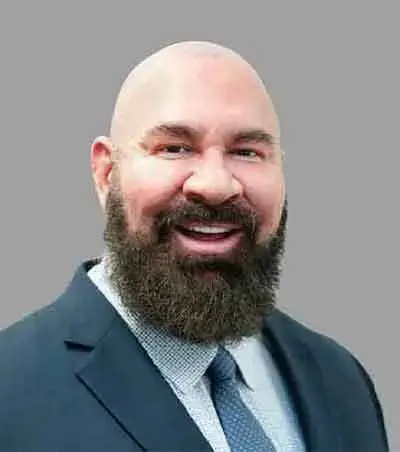
Mathew Malloy
Director of Operations
Accreditations

The Joint Commission, formerly known as JCAHO, is a nonprofit organization that accredits rehab organizations and programs. Founded in 1951, the Joint Commision's mission is to improve the quality of patient care and demonstrating the quality of patient care.
Joint Commission Accreditation: Yes

LegitScript has reviewed Cliffside Malibu: Luxury Rehab & Detox as part of their certification program, and has determined that it meets the LegitScript standards for legality, safety and transparency.
LegitScript verified in July 2020
Rehab.com regularly reviews this listing for accuracy but changes may occur between updates. For the most up-to-date information, please contact Cliffside Malibu: Luxury Rehab & Detox.
Contact Information


29160 Heathercliff Road, Suite 100, Malibu, CA 90265
Sponsored Helpline


