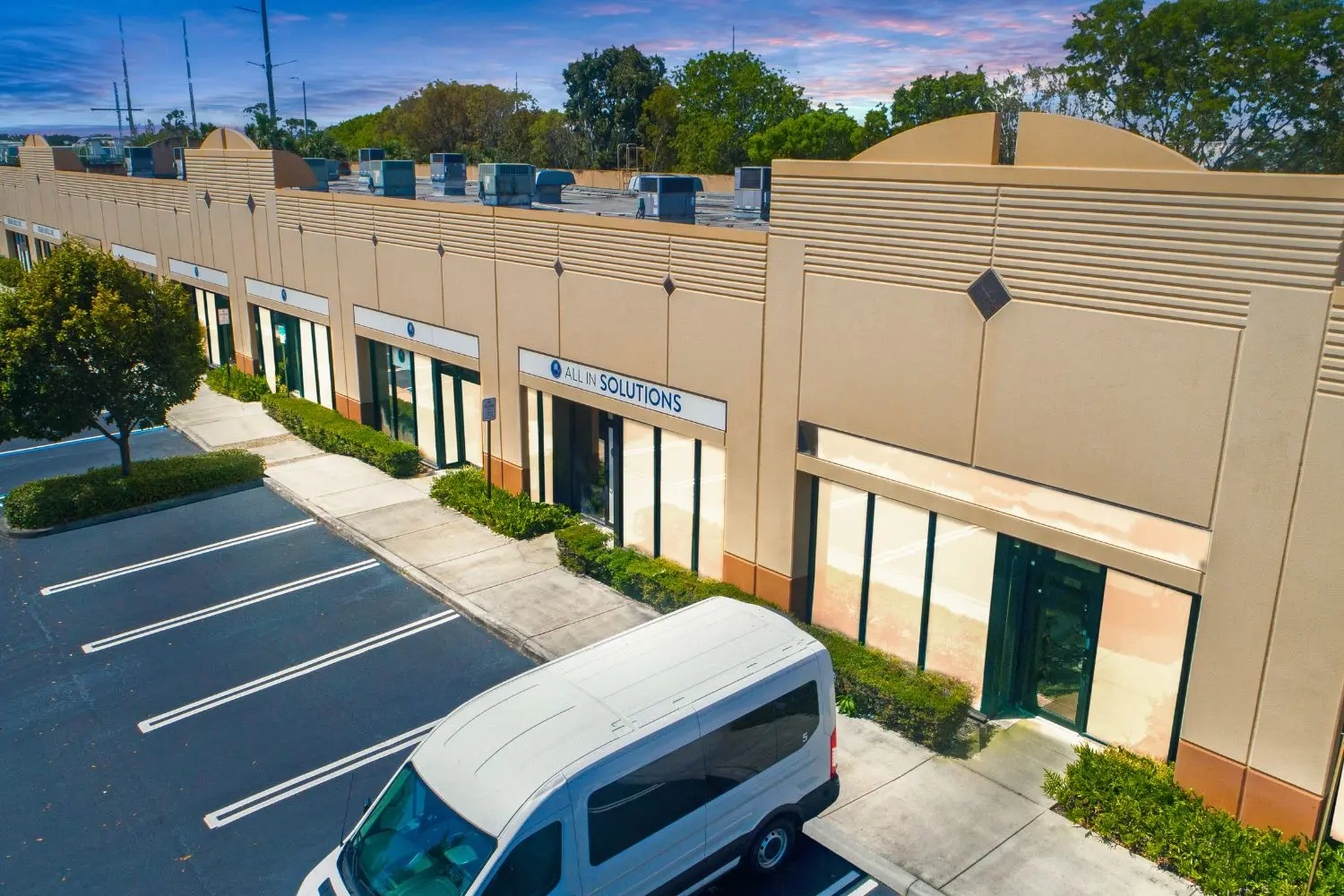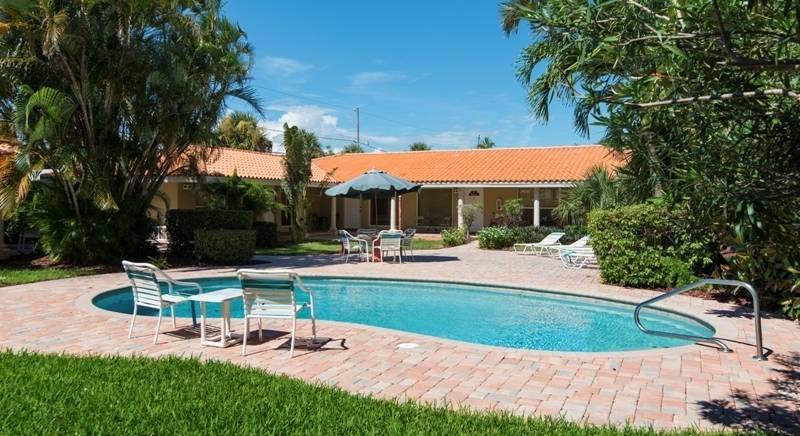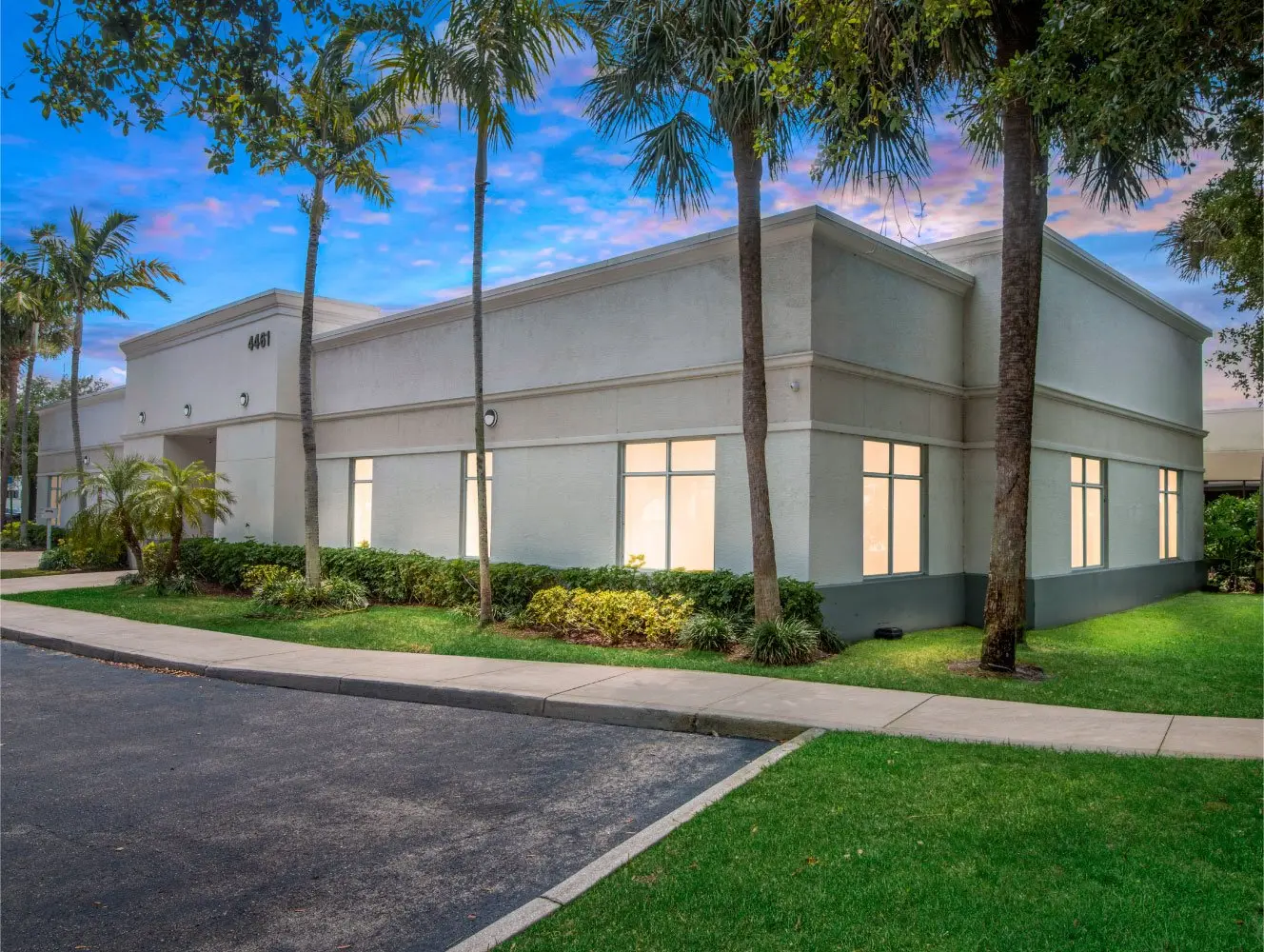
All In Solutions Wellness Center
1
Top 10 Rehab Centers In West Palm Beach



















































































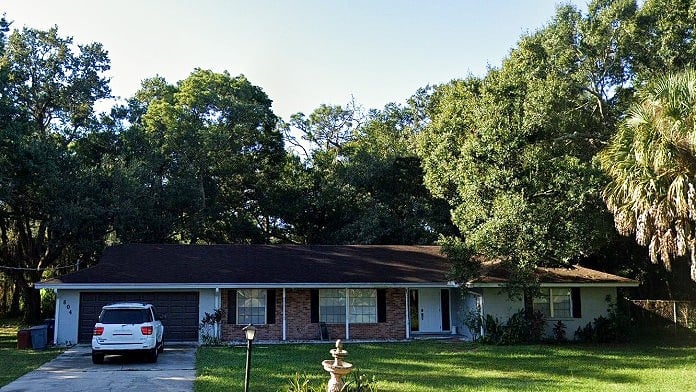
Coastal Behavioral Healthcare FACT Team is an outpatient addiction treatment and behavioral health provider in Bradenton, Florida, serving adults who need support for substance use disorders and co-occurring mental health conditions.
Located on Avenue East, the program allows clients to live at home while engaging in structured outpatient care.
With a dual diagnosis focus and specialty tracks for men, women and individuals using sign language or adapted communication, the FACT Team takes an inclusive, person centered approach to recovery.
Treatment at Coastal Behavioral Healthcare FACT Team typically begins with an assessment to determine clinical needs and the right outpatient pathway. The program is designed for adults seeking flexible care that fits into daily life while still addressing both addiction and mental health concerns.
Throughout the process, there are speciality tracks for individuals using sign language or adapted communication.
Clients can expect a blend of individual, group, couples and family therapy, supported by evidencebased approaches such as Cognitive Behavioral Therapy (CBT) and trauma-focused care.
The dual diagnosis framework helps clients address substance use and mental health challenges together for more sustainable recovery.
 10
10 
 Our Methodology


Outpatient Programs (OP) are for those seeking mental rehab or drug rehab, but who also stay at home every night. The main difference between outpatient treatment (OP) and intensive outpatient treatment (IOP) lies in the amount of hours the patient spends at the facility. Most of the time an outpatient program is designed for someone who has completed an inpatient stay and is looking to continue their growth in recovery. Outpatient is not meant to be the starting point, it is commonly referred to as aftercare.
Many of those suffering from addiction also suffer from mental or emotional illnesses like schizophrenia, bipolar disorder, depression, or anxiety disorders. Rehab and other substance abuse facilities treating those with a dual diagnosis or co-occurring disorder administer psychiatric treatment to address the person's mental health issue in addition to drug and alcohol rehabilitation.
Mental health rehabs focus on helping individuals recover from mental illnesses like bipolar disorder, clinical depression, anxiety disorders, schizophrenia, and more. Mental health professionals at these facilities are trained to understand and treat mental health issues, both in individual and group settings.
Adult rehab programs include therapies tailored to each client's specific needs, goals, and recovery progress. They are tailored to the specific challenges adult clients may face, including family and work pressures and commitments. From inpatient and residential treatment to various levels of outpatient services, there are many options available. Some facilities also help adults work through co-occurring conditions, like anxiety, that can accompany addiction.
Cognitive Behavioral Therapy (CBT) is a therapy modality that focuses on the relationship between one's thoughts, feelings, and behaviors. It is used to establish and allow for healthy responses to thoughts and feelings (instead of unhealthy responses, like using drugs or alcohol). CBT has been proven effective for recovering addicts of all kinds, and is used to strengthen a patient's own self-awareness and ability to self-regulate. CBT allows individuals to monitor their own emotional state, become more adept at communicating with others, and manage stress without needing to engage in substance abuse.
Whether a marriage or other committed relationship, an intimate partnership is one of the most important aspects of a person's life. Drug and alcohol addiction affects both members of a couple in deep and meaningful ways, as does rehab and recovery. Couples therapy and other couples-focused treatment programs are significant parts of exploring triggers of addiction, as well as learning how to build healthy patterns to support ongoing sobriety.
Research clearly demonstrates that recovery is far more successful and sustainable when loved ones like family members participate in rehab and substance abuse treatment. Genetic factors may be at play when it comes to drug and alcohol addiction, as well as mental health issues. Family dynamics often play a critical role in addiction triggers, and if properly educated, family members can be a strong source of support when it comes to rehabilitation.
Group therapy is any therapeutic work that happens in a group (not one-on-one). There are a number of different group therapy modalities, including support groups, experiential therapy, psycho-education, and more. Group therapy involves treatment as well as processing interaction between group members.
In individual therapy, a patient meets one-on-one with a trained psychologist or counselor. Therapy is a pivotal part of effective substance abuse treatment, as it often covers root causes of addiction, including challenges faced by the patient in their social, family, and work/school life.
Trauma therapy addresses traumatic incidents from a client's past that are likely affecting their present-day experience. Trauma is often one of the primary triggers and potential causes of addiction, and can stem from child sexual abuse, domestic violence, having a parent with a mental illness, losing one or both parents at a young age, teenage or adult sexual assault, or any number of other factors. The purpose of trauma therapy is to allow a patient to process trauma and move through and past it, with the help of trained and compassionate mental health professionals.
Rehab.com regularly reviews this listing for accuracy but changes may occur between updates. For the most up-to-date information, please contact Coastal Behavioral Healthcare – FACT Team.

804 36th ave east
Bradenton, FL 34208
Sponsored Helpline

I cannot say enough wonderful things about Kaley O., the admissions coordinator who helped us through the admission process. From the very beginning, Kaley was incredibly helpful, responsive, compassionate, and efficient. This was an extremely stressful and emotional process for me, and she made me feel like I wasn’t doing it alone. She answered my questions, kept me informed, helped me understand what needed to be done, and worked incredibly hard to help make the admission happen. There were so many moving pieces, paperwork, records, and insurance authorization involved, and Kaley was on top of everything. She went above and beyond to help us get through the process and never made me feel like I was just another admission. Because of her dedication and willingness to help, my child is now getting the level of care he desperately needs. Kaley, thank you for everything you did for our family. You were absolutely amazing throughout this entire process, and I will always be grateful that you were the person on the other end of the phone helping me make this happen. ❤️ Having someone like Kaley helping you through the admissions process makes an incredibly difficult situation a little easier. I am truly grateful for everything she did for us. -Rachel S

Terrible

Hi i discharged about 2 months ago and I think this is a okay place some staff care some staff dont but I made a lot of freinds and certain staff helped me through a lot of things so I do think palm shores isn’t terrible it just sucks being stuck in a place from away from your family I did enjoy ripping down the ceilings that one day tho lol anyway that’s all I have oh also much love to ms Sophie the best staff there! Byeee

I was a patient there and It helped me a lot the therapist helped me a lot and taught me how to controll my emotion and actions the correct way. And how to cope the appropriate way.
 Back
Back
Sharing your insights and experiences can help others learn more about this rehab center.