






























































































Come here if you need affordable treatment but don't expect to get something spectacular from your money. The therapy is very standard and I think they could rely more on evidence-based treatment that would result in long-term recovery.
About Counseling Plus Inc- DUI/DWI Program.
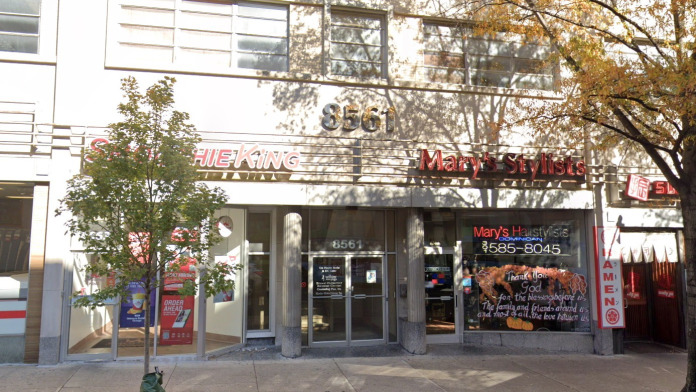
Located in Silver Spring, Maryland, is Counseling Plus Inc – DUI/DWI Program. This is a counseling organization that provides support to adults who have experienced challenges in life because of their substance use struggles. They offer DUI/DWI programs as well as mental health and addiction outpatient care.
DUI and DWI Substance Abuse Programs
They offer state certified and MVA approved programs for individuals navigating the legal system because of their struggles with substance use. You’ll first undergo an evaluation if one has not been done elsewhere, like through the court system, and you’ll get paired with one of the two DUI/DWI treatment programs provided here.
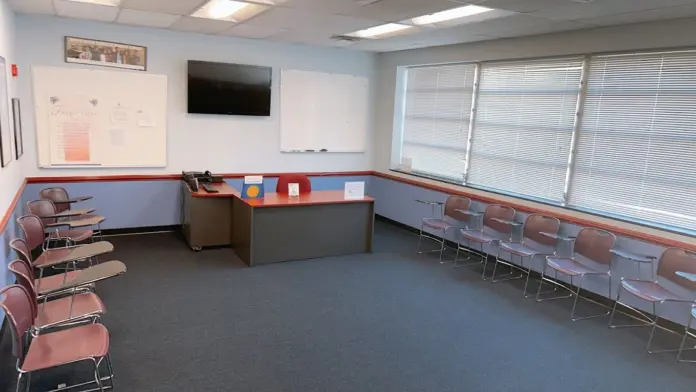
They offer a 12-hour drug and alcohol education program that teaches participants about the early signs of substance use disorder. This is a six-week program.
Their second DUI service is a 26-session DUI treatment program. You can complete this in the full 26 weeks or finish it in just 13 weeks.
Addiction and Dual Diagnosis Outpatient Support
If you have addiction and co-occurring mental health struggles, these issues will be addressed through their outpatient program. You’ll work with experienced counselors who will help you work through the complex emotions you’re experiencing. From there, evidence based therapies will be used to help you identify triggers and the root cause of your struggles. They will put a plan in place to help you get through recovery.
Anger Management Support
At Counseling Plus you’ll also find specialized anger management support. This curriculum will help you overcome challenges you’re facing with anger. You’ll reflect on how these behaviors have impacted your life and, most importantly, you’ll learn the skills you need to lead a healthy life.
Latest Reviews
Great company!!
Muy amables l@s doctores que imparten las clases explican bien dan buenos consejos y My buena enseñanza estoy agradecido por como me trataron muchas gracias
Muy lindo las charla ledan y lotranta biem y lea yuda uno

Rehab Score
 Our Methodology
Scoring is assigned by a proprietary system which helps surface key metrics that determine quality. The 10-point scale factors in categories such as operations, customer satisfaction, and trust metrics. Read Full Methodology

7.4 / 10
Gallery
Other Forms of Payment
Private insurance refers to any kind of healthcare coverage that isn't from the state or federal government. This includes individual and family plans offered by an employer or purchased from the Insurance Marketplace. Every plan will have different requirements and out of pocket costs so be sure to get the full details before you start treatment.
Self-pay involves paying for treatment out of your own pocket. You can use savings or credit, get a personal loan, or receive help from family and friends to fund your treatment. If you don't have insurance or your insurance plan doesn't cover a specific program, self-pay can help ensure you still get the care you need.
Financial aid can take many forms. Centers may have grants or scholarships available to clients who meet eligibility requirements. Programs that receive SAMHSA grants may have financial aid available for those who need treatment as well. Grants and scholarships can help you pai for treatment without having to repay.
Medicaid is a state based program that helps lower-income individuals and families pay for healthcare. Medicaid covers addiction treatment so those enrolled can use their coverage to pay for rehab. When a program accepts Medicaid the client often pays very little or nothing out of their own pocket.
Military members, veterans, and eligible dependents have access to specific insurance programs that help them get the care they need. TRICARE and VA insurance can help you access low cost or no cost addiction and mental health treatment. Programs that accept military insurance often have targeted treatment focused on the unique challenges military members, veterans, and their families face.
Addiction Treatments
Levels of Care
Outpatient Programs (OP) are for those seeking mental rehab or drug rehab, but who also stay at home every night. The main difference between outpatient treatment (OP) and intensive outpatient treatment (IOP) lies in the amount of hours the patient spends at the facility. Most of the time an outpatient program is designed for someone who has completed an inpatient stay and is looking to continue their growth in recovery. Outpatient is not meant to be the starting point, it is commonly referred to as aftercare.
Intensive Outpatient Programs (IOP) are for those who want or need a very structured treatment program but who also wish to live at home and continue with certain responsibilities (such as work or school). IOP substance abuse treatment programs vary in duration and intensity, and certain outpatient rehab centers will offer individualized treatment programs.
Clients receiving support in a rehab aftercare program typically partner with their case manager and care team to identify and access the services that best align with their recovery needs and goals. Rehab aftercare services are designed to evolve with clients' changing needs to promote their long-term sobriety. Care modalities are highly customized and may include a range of medical, mental health, and social service resources, including peer coaching, career counseling, and 12 step program induction.
12 step programs provide accessible peer coaching for participants at all stages of their recovery journey. Meetings are peer-led, anonymous, free, and available multiple times per day in most communities. Participants also receive one-on-one mentoring by a self-selected sponsor. 12 step recovery is based on spiritual principles, which enable participants to understand their disease, accept responsibility for their choices, and relinquish control over that which is unchangeable. Religious affiliation isn't required and specialized formats are available.
If you think a loved one needs help with substance abuse, but they are not seeking treatment, it may be time for a drug intervention in Maryland. Intervention services can help you with this effort. During the intervention, loved ones share how their addiction-related behavior has affected them and encourage the individual to get treatment. The intervention specialist helps facilitate the conversation and explain how treatment can help.
Treatments
The goal of treatment for alcoholism is abstinence. Those with poor social support, poor motivation, or psychiatric disorders tend to relapse within a few years of treatment. For these people, success is measured by longer periods of abstinence, reduced use of alcohol, better health, and improved social functioning. Recovery and Maintenance are usually based on 12 step programs and AA meetings.
Once a person has become addicted to a substance, drug rehab in Maryland is often necessary to overcome that addiction. These programs provide the tools individuals need to manage the physical, mental, and emotional issues involved and begin a successful recovery journey.
Opioid rehabs specialize in supporting those recovering from opioid addiction. They treat those suffering from addiction to illegal opioids like heroin, as well as prescription drugs like oxycodone. These centers typically combine both physical as well as mental and emotional support to help stop addiction. Physical support often includes medical detox and subsequent medical support (including medication), and mental support includes in-depth therapy to address the underlying causes of addiction.
Substance rehabs focus on helping individuals recover from substance abuse, including alcohol and drug addiction (both illegal and prescription drugs). They often include the opportunity to engage in both individual as well as group therapy.
Programs
Adult rehab programs include therapies tailored to each client's specific needs, goals, and recovery progress. They are tailored to the specific challenges adult clients may face, including family and work pressures and commitments. From inpatient and residential treatment to various levels of outpatient services, there are many options available. Some facilities also help adults work through co-occurring conditions, like anxiety, that can accompany addiction.
Young adulthood can be an exciting, yet difficult, time of transition. Individuals in their late teens to mid-20s face unique stressors related to school, jobs, families, and social circles, which can lead to a rise in substance use. Rehab centers with dedicated young adult programs will include activities and amenities that cater to this age group, with an emphasis on specialized counseling, peer socialization, and ongoing aftercare.
Clinical Services
Cognitive behavioral therapy in Maryland emphasizes your current life rather than what has happened in the past. Your therapist will help you develop methods to deal with current and future challenges so you can cope in healthy ways that don't involve substances.
Group therapy is any therapeutic work that happens in a group (not one-on-one). There are a number of different group therapy modalities, including support groups, experiential therapy, psycho-education, and more. Group therapy involves treatment as well as processing interaction between group members.
Individualized one on one therapy allows the therapist to focus on your specific challenges and strengths. Using a personalized approach enables the therapist to help you develop effective coping mechanisms and build a more stable and fulfilling substance free life.
Four key principles guide motivational interviewing. These are empathy, self efficacy, rolling with resistance, and developing discrepancy. These techniques allow the client to examine their motivations for change, identify discrepancies in their current situation and future goals, and feel empowered to make changes to reach their goals.
The focus of trauma therapy is to heal the emotional wounds that occurred when you witnessed or experienced a traumatic event. Therapy helps you process this trauma emotionally and mentally so you develop healthier coping skills and improve your quality of life.
When you participate in couples therapy, you learn how to understand each other better, improve your communication skills, resolve conflict, and improve relationship satisfaction. Your therapist will help you develop skills in each of these areas to strengthen your relationship.
Families in Maryland address the impact of addiction during family therapy. Your therapist fosters open communication between family members to help resolve conflicts and create a supportive environment. By improving relationships, you aid the recovery of the individual struggling with addiction.
Staff & Accreditations
Staff
Eugenio Cid
Director
Yaneth A. Limas
Administrative Coordinator
Wanda E. Celis
Administrative Assistan
Giovanni Tejada
Administrative Assistant
Accreditations

The Commission on Accreditation of Rehabilitation Facilities (CARF) is a non-profit organization that specifically accredits rehab organizations. Founded in 1966, CARF's, mission is to help service providers like rehab facilities maintain high standards of care.
CARF Accreditation: Yes
Rehab.com regularly reviews this listing for accuracy but changes may occur between updates. For the most up-to-date information, please contact Counseling Plus Inc- DUI/DWI Program..
Contact Information

8561 Fenton Street
Suite 230
Silver Spring, MD 20910
Get Help Now - 443-376-8434
Sponsored Helpline
Sponsored Helpline


