St. Christopher's Addiction Wellness Center
1
Top 10 Rehab Centers In Baton Rouge





































































































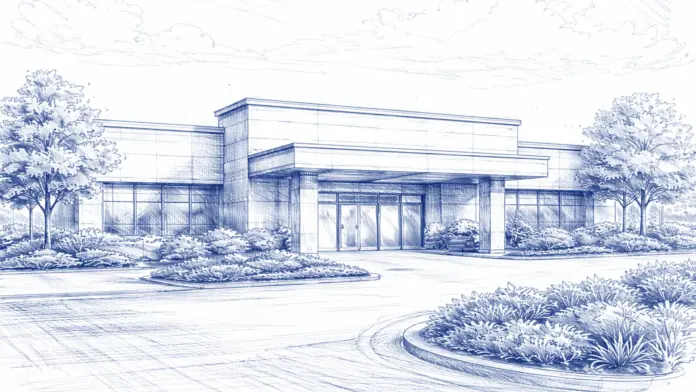
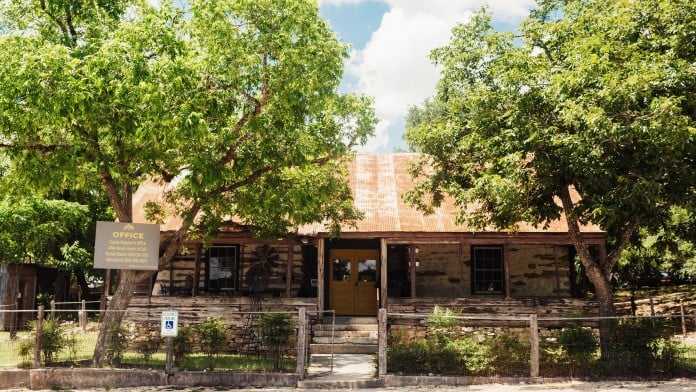
Crestone Wellness is located in Taylor, Texas and is a CARF accredited drug and alcohol rehab center. They offer medical detoxification and inpatient addiction and mental health treatment. You can pay for services with most major health insurance plans, including TRICARE.
The programs are for adults 18 and over and they also offer medication assisted treatment (MAT) when appropriate. The facility is easily accessible and conveniently located near State Highway 95.
A unique aspect of this treatment center is the high medical acuity program. This program is for clients with complicated or serious medical conditions with co-occurring substance use disorder (SUD). Clients receive specialized intensive medical care while undergoing detox and SUD treatment.
Some of the medical conditions they can address include endocrine and metabolic disorders, cardiovascular and circulatory conditions, neurological conditions, mobility problems and autoimmune disorders. Additionally, they treat clients with HIV/AIDS, sexually transmitted diseases and cancer.
The clinicians emphasize personalized, compassionate care and stress the importance of treating co-occurring conditions for better long term recovery. Clients have highlighted the individualized attention, caring staff and supportive environment.
Many clients have mentioned the high quality of the counseling and holistic treatment approach. Others have noted that they felt safe and comfortable in a well maintained and clean facility.
There are private rooms available and the treatment setting is modern and conducive to healing. Clients enjoy chef prepared meals, outdoor spaces and serene lounge areas. The team embraces holistic therapies, such as yoga, wellness and nutritional support, as part of the program.


 15 - 30
 Our Methodology


Private insurance refers to any kind of healthcare coverage that isn't from the state or federal government. This includes individual and family plans offered by an employer or purchased from the Insurance Marketplace. Every plan will have different requirements and out of pocket costs so be sure to get the full details before you start treatment.
Self-pay involves paying for treatment out of your own pocket. You can use savings or credit, get a personal loan, or receive help from family and friends to fund your treatment. If you don't have insurance or your insurance plan doesn't cover a specific program, self-pay can help ensure you still get the care you need.
Ridding the body of harmful, addictive substances, also known as detoxification, is usually the first phase of recovery. Those going through medically assisted detox can be administered medications by a team of medical professionals who are on-site 24/7 to provide different types of therapies that help mitigate withdrawal symptoms.
Inpatient rehab programs are geared toward clients in early recovery. They also provide intensive support for clients in crisis and those at an increased relapse risk. Clients receive housing and meals while in inpatient care, allowing them to focus solely on their recovery. Most programs prioritize addiction counseling but may draw on various psychotherapeutic modalities, including CBT, DBT, RBT, trauma therapy, and motivational interviewing. Life skills training and holistic therapies are also common in inpatient care.
Rehab aftercare programs are based on a model of continuing care and the premise that recovery is a life-long process requiring ongoing client support. Many rehab aftercare services include outpatient care, but clients often continue to receive support after being discharged from formal treatment. Case managers and care teams typically collaborate with clients to design their long-term care plan, which may include peer coaching, career counseling, and 12 step program induction, among other services.
Alcoholism occurs when a person becomes physically and psychologically dependent on alcohol. Attending a professional alcohol rehab in Texas can provide customized intervention methods to address the physical, mental, and relational challenges of addiction.
During rehab in Texas, you'll deal with underlying issues that contribute to addiction. By addressing these challenges and learning healthy ways to cope with them, you'll develop strategies that help you live a drug-free lifestyle.
Texas's specialized dual-diagnosis addiction treatment programs prioritize comprehensive care for individuals with co-occurring substance use disorders and mental health conditions. These programs offer diverse levels of care, including outpatient, inpatient, and partial hospitalization options. Evidence-based therapies, trauma-informed care, group work, and educational workshops help treat both conditions at the same time and give you the tools to sustain mental health and sobriety.
Substance abuse treatment is available in Texas for anyone who's struggling with drug or alcohol addiction. These programs usually provide a comprehensive assessment and individualized treatment plan, and include evidence-based treatments, like therapies such as cognitive-behavioral therapy (CBT) to reframe unhelpful coping strategies, and dialectical behavior therapy (DBT) to help with emotional regulation and stress.
Adult rehab programs include therapies tailored to each client's specific needs, goals, and recovery progress. They are tailored to the specific challenges adult clients may face, including family and work pressures and commitments. From inpatient and residential treatment to various levels of outpatient services, there are many options available. Some facilities also help adults work through co-occurring conditions, like anxiety, that can accompany addiction.
The goal of cognitive behavioral therapy (CBT) in Texas is to change thought patterns, which leads to changes in behavior. Specific techniques during CBT can include self talk, SMART goals, journaling, and positive activities.
Treatment that takes a dialectical behavior therapy approach focuses on four strategies. Distress tolerance will help you accept and tolerate intense emotions. Emotional regulation will teach you to manage those emotions. Mindfulness will keep you in the present moment instead of regret or worry. Interpersonal effectiveness will teach you to manage your relationships.
 Eye Movement Desensitization And Reprocessing
Peer support is an important aspect of group therapy sessions for drug and alcohol addiction. As you and your peers share stories and encourage each other, it fosters a sense of community and belonging that helps you process your feelings and reduces the sense of isolation that is associated with addiction.
Therapy sessions that incorporate motivational interviewing focus on OARS: open questions, affirmation, reflections, and summarizing. This facilitates an exchange of information and an empowering of the client to decide for themselves what changes might need to be made in their lives.
 Luxury Accommodations
  Meditation Room
  Gym
Gym  Private Rooms
  Recreation Room
  WiFi
WiFi 
The Commission on Accreditation of Rehabilitation Facilities (CARF) is a non-profit organization that specifically accredits rehab organizations. Founded in 1966, CARF's, mission is to help service providers like rehab facilities maintain high standards of care.
CARF Accreditation: Yes

301 Highland Drive
Taylor Texas 76574
Sponsored Helpline

They lie to get you here. First off they send an uber to pick you up and don’t inform them that they’re way in Taylor,TX. They don’t have outdoor activities and you spend 90% of the time in a small building. It is NOT a dual-diagnoses facility and emphasizes on the 12-steps of AA with little psychiatric support. They’re just in it for the insurance money. Sad to say. They got me sober but they’re mostly in it for the money.

the level of care provided here goes above and beyond many treatment centers i’ve seen. speaking as someone with 11 years sober

Crestone wellness helped me get my life back. The staff could absolutely relate, has walked the sobriety path themselves, and there was a genuine care and consideration for the clients. I would absolutely recommend them to anyone struggling with addiction issues in any capacity.

 Back
Back
Sharing your insights and experiences can help others learn more about this rehab center.