All In Solutions Counseling Center
1
Top 10 Rehab Centers In Boynton Beach





































































































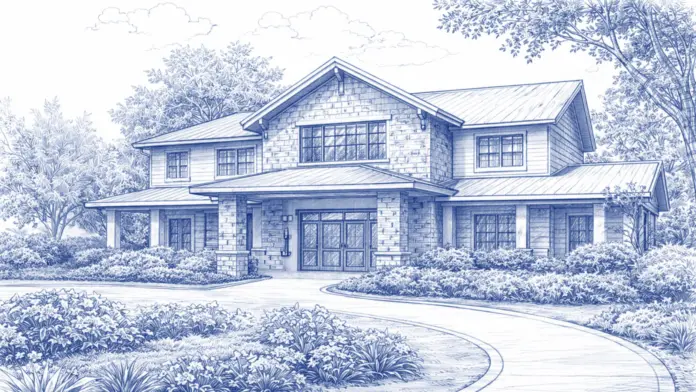
The facilities outpatient program completes an assessment and evaluation to help assist with the best level of care would be appropriate and most beneficial to your journey of healing. They assist in referrals and provide psycho educational services as well. This provides your child and family a better understanding of symptoms and diagnosis to better understand their individual needs. Raising awareness along with parent education courses and child parent psychotherapy can strengthen family dynamics.
Their full case management services help assist both the child and family to coordinate the best level of care for your child. Medical care, dental, mental health counseling, and psychiatric counseling provides the family encouragement and reassurance by having that extra support from care management. Monthly home visits alone, supervised visits, and the child’s well-being will be monitored and prioritized to help you and your child move forward.
The parenting education program offered at this facility helps educate the family with developing healthier communication skills and coping techniques. This provides insight on healthy parenting and decreasing chances of child abuse or cycles of abuse re-occurring in the family house hold.


 Our Methodology


Outpatient Programs (OP) are for those seeking mental rehab or drug rehab, but who also stay at home every night. The main difference between outpatient treatment (OP) and intensive outpatient treatment (IOP) lies in the amount of hours the patient spends at the facility. Most of the time an outpatient program is designed for someone who has completed an inpatient stay and is looking to continue their growth in recovery. Outpatient is not meant to be the starting point, it is commonly referred to as aftercare.
Intensive Outpatient Programs (IOP) are for those who want or need a very structured treatment program but who also wish to live at home and continue with certain responsibilities (such as work or school). IOP substance abuse treatment programs vary in duration and intensity, and certain outpatient rehab centers will offer individualized treatment programs.
Completing a drug or alcohol rehab program shouldn't spell the end of substance abuse treatment. Aftercare involves making a sustainable plan for recovery, including ongoing support. This can include sober living arrangements like halfway houses, career counseling, and setting a patient up with community programs like Alcoholics Anonymous (AA) or Narcotics Anonymous (NA).
Mental health rehabs focus on helping individuals recover from mental illnesses like bipolar disorder, clinical depression, anxiety disorders, schizophrenia, and more. Mental health professionals at these facilities are trained to understand and treat mental health issues, both in individual and group settings.
Adult rehab programs include therapies tailored to each client's specific needs, goals, and recovery progress. They are tailored to the specific challenges adult clients may face, including family and work pressures and commitments. From inpatient and residential treatment to various levels of outpatient services, there are many options available. Some facilities also help adults work through co-occurring conditions, like anxiety, that can accompany addiction.
Young adulthood can be an exciting, yet difficult, time of transition. Individuals in their late teens to mid-20s face unique stressors related to school, jobs, families, and social circles, which can lead to a rise in substance use. Rehab centers with dedicated young adult programs will include activities and amenities that cater to this age group, with an emphasis on specialized counseling, peer socialization, and ongoing aftercare.
Research clearly demonstrates that recovery is far more successful and sustainable when loved ones like family members participate in rehab and substance abuse treatment. Genetic factors may be at play when it comes to drug and alcohol addiction, as well as mental health issues. Family dynamics often play a critical role in addiction triggers, and if properly educated, family members can be a strong source of support when it comes to rehabilitation.
Group therapy is any therapeutic work that happens in a group (not one-on-one). There are a number of different group therapy modalities, including support groups, experiential therapy, psycho-education, and more. Group therapy involves treatment as well as processing interaction between group members.
In individual therapy, a patient meets one-on-one with a trained psychologist or counselor. Therapy is a pivotal part of effective substance abuse treatment, as it often covers root causes of addiction, including challenges faced by the patient in their social, family, and work/school life.
Life skills trainings involve all the skills a person must have in order to function successfully in the world. These include time management, career guidance, money management, and effective communication. Truly successful addiction recovery is based on the ability to not only live substance-free, but to thrive. Life skills teaches the practical necessities of functioning in society, which sets clients up for success in life, and therefore sobriety.
Executive Director

1393 SW 1st St
Miami, FL 33135
Sponsored Helpline

There is no drop-off area in the building, and there are altercations with other vehicles entering the building. 👎👎👎👎👎👎

I want to try this program

Excelente servicio, desde que llegamos hasta que salimos.

Very good person working there
 Back
Back
Sharing your insights and experiences can help others learn more about this rehab center.