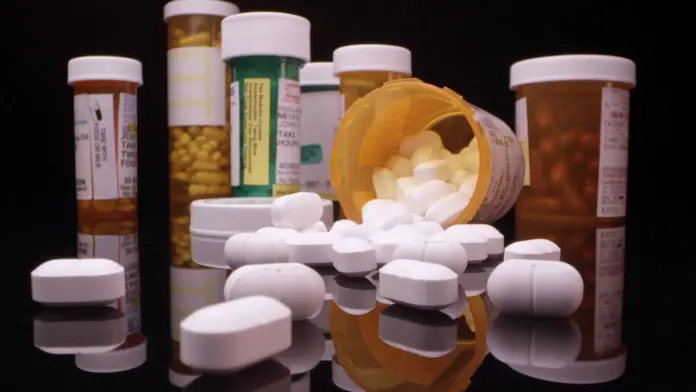
On September 9, 2026 the U.S. Food and Drug Administration held a hybrid public meeting with the Reagan Udall Foundation. The meeting gave the public a chance to comment on how officials should go about regulating opioid medications.
The outcome won’t change anything overnight. But the questions could affect how rehab centers prescribe medications and which treatment options remain available.
What the FDA Asked the Public
The agency had invited patients, family members, caregivers, healthcare providers and drug developers to address three topics. The first focused on scientific evidence about conditions of use, safety concerns and benefit risk assessments for opioid medications.
The second topic covered how the FDA regulates these medications. The third asked what additional actions the agency should consider.
The meeting ran from 12:30 p.m. to 4:30 p.m. Eastern. People could attend at the FDA White Oak Campus in Silver Spring Maryland or watch online by webcast.
The deadline to request a speaking slot was August 27, 2026. The agenda also featured a federal partner panel on managing pain and addiction.
Why Opioid Regulation Remains Contested
Opioid regulation sits between groups with competing needs. The FDA structured the meeting to hear from both sides.
People living with chronic or acute pain have raised concerns about prescribing restrictions. Clinicians who treat them say those limits can leave patients undertreated. It may also lead to abrupt tapering.
Public health advocates and families affected by overdose raise a different concern. They point to prescription opioids’ role in the early overdose crisis and argue for tighter controls.
Both positions appeared in the comment process. The FDA hasn’t signaled a preferred outcome and hasn’t proposed a regulatory change because of the meeting.
What This Means for Treatment Seekers
For someone researching drug rehab right now eligibility and coverage haven’t changed. The regulatory environment around treatment medications could shift over time.
Medication assisted treatment combines FDA approved medications such as buprenorphine methadone or naltrexone with counseling. FDA SAMHSA and DEA rules govern different parts of that process.
Reviews like this one provide an opportunity to revisit those rules. If you’re choosing a program because it offers a specific medication, confirm directly with the facility that the medication remains available and covered by your plan.
How to Compare Addiction Treatment Programs
When comparing addiction treatment options ask each program which medications it prescribes. Find out whether the rehab manages those medications on site or refers patients elsewhere.
Verify insurance coverage for rehab before admission rather than afterward. You should also confirm that the facility’s credentials and accreditations remain current.
Rehab.com’s directory lets you filter verified treatment centers by level of care, insurance accepted and whether medication assisted treatment is available. That can help you narrow your search based on how you plan to pay and the type of care you need. Call
800-985-8516
(  Sponsored Helpline )
to get more information about your treatment options.
Sponsored Helpline )
to get more information about your treatment options.