Fentanyl test strips detect fentanyl in drugs before use. This article describes how they work and how to use them step by step. You’ll also learn where to get them and what they can’t detect.
Key Points
- Fentanyl test strips detect fentanyl and most analogs in a drug sample for about $1 per strip.
- One line on the strip means fentanyl is detected; two lines means fentanyl was not detected above the threshold.
- Test strips do not detect nitazenes, xylazine, or medetomidine, and these gaps are a critical limitation.
- A negative result does not mean a drug is safe to use.
- Strips are available for free through harm reduction programs and can be ordered online.
- Fentanyl test strips work best as part of a layered harm reduction approach that includes carrying naloxone.
What Are Fentanyl Test Strips?
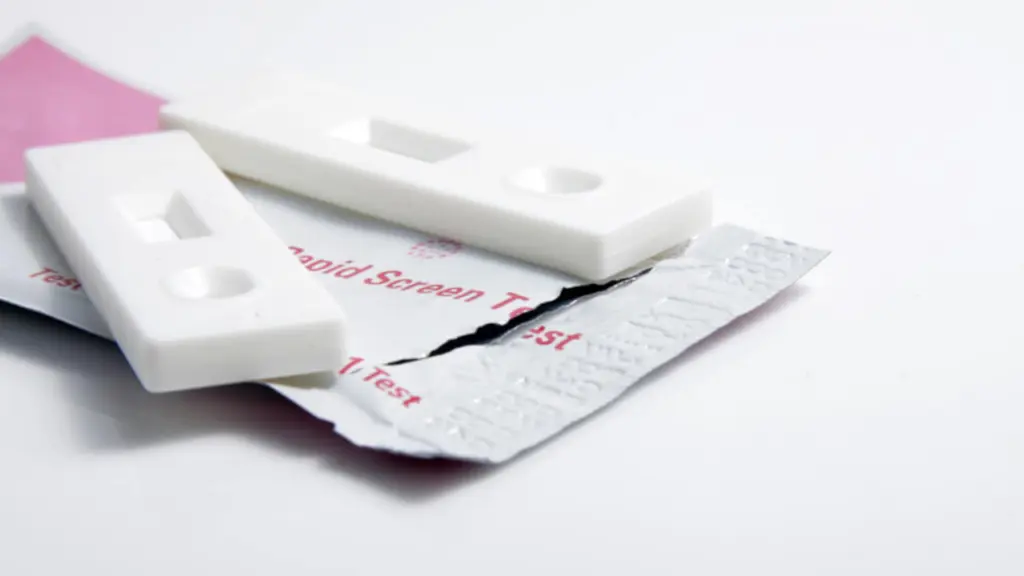
Fentanyl test strips are small, inexpensive paper strips that detect the presence of fentanyl and many of its analogs in a drug sample before a person uses it. Results appear as colored lines similar to pregnancy or COVID tests.
These test strips were originally designed for forensic purposes to detect the drug in urine but harm reduction advocates discovered they could be used to test drugs directly before use.
A fentanyl test strip will tell you whether fentanyl is present above the strip’s detection threshold commonly cited around 200 ng/ml. The tests can indicate the presence of fentanyl but they will not tell you the amount of fentanyl that is present. They cost around $1 per strip so they are an inexpensive yet extremely useful harm reduction tool.
It is critical to remember that the strips have significant gaps. They do not detect other dangerous adulterants such as nitazenes which are potent synthetic opioids, xylazine and medetomidine.
~$1 Per Strip
Fentanyl test strips cost around $1 per strip, making them an inexpensive yet extremely useful harm reduction tool.
200 ng/mL
The commonly cited detection threshold for fentanyl test strips. Fentanyl below this concentration may not trigger a positive result.
How Do Fentanyl Test Strips Work?
Fentanyl test strips work through a lateral flow immunoassay. This is the same principle as a pregnancy or COVID test.
In terms of FTS, when tested, a dissolved sample of the drug travels up the test strip and interacts with antibodies that are designed to bind to fentanyl. If it’s detected then you will get a positive test result.
ONE Line = Positive
A single line means fentanyl was detected above the threshold. This is the opposite of how most lateral flow tests work.
TWO Lines = Negative
Two lines means fentanyl was not detected above the detection threshold. A negative result does not mean the drug is safe.
FTS detect fentanyl and a range of fentanyl analogs. However, the detection of some analogs such as carfentanil varies from test to test. It is important to know that they do not detect non-fentanyl adulterants like nitazenes, xylazine or medetomidine.

How to Use Fentanyl Test Strips: Step by Step
Here is the step by step process for using fentanyl test strips.
- Prepare the sample. Dissolve a small amount of the drug in water. The drug can be a cooker residue, a portion of a crushed pill or powder. Test just a residue or a small portion of the drug and not your whole supply when possible.
- The amount of water in the sample matters. Be sure to use the brand’s recommended water volume. Too little or too much will affect the test’s accuracy. Too much water can dilute fentanyl below the detection threshold and cause a false negative.
- Dip the strip. Hold the strip by the solid end and submerge the wavy end in the liquid for about 15 seconds.
- Lay it flat. Place the strip on a flat surface.
- Wait and read. Be sure to read the instructions for the specified waiting time as this likely differs from brand to brand. Once you have waited the instructed amount of time, read the lines to get your result.
It is critical that you make sure you use clean utensils and follow all instructions on your test kit. Fentanyl can be unevenly distributed in a drug supply or have “hot spots” so a negative result on one portion does not guarantee the rest is fentanyl free.
Call A Treatment Provider
For a conversation about what treatment options are available to you.
Make a Call
 800-985-8516
 Sponsored Helpline
What Fentanyl Test Strips Cannot Detect
Fentanyl test strips typically detect fentanyl and most of its analogs. This is substantial but a negative test result does not mean a drug is safe to take. One reason for this is that they do not detect other dangerous adulterants.
Nitazenes
Standard fentanyl test strips do NOT detect nitazenes. Nitazenes are a growing class of synthetic opioids that can be far more potent than fentanyl. This and other emerging adulterants create a big gap in testing as the supply evolves.
Xylazine
This adulterant is not detected by fentanyl strips but there are separate xylazine test strips that exist.
Medetomidine
This is a newer non-opioid sedative that is not detected by standard strips.
While fentanyl test strips do detect most analogs of fentanyl, carfentanil and some other analogs are not always detected with every test. Fentanyl can also be unevenly distributed in a batch so testing one portion does not guarantee the rest is safe. This can be a false negative risk even when the strip works correctly.
The use of FTS does reduce risk but not eliminate it. It is best to pair testing with the other harm reduction steps in the next section.
Fentanyl Test Strip Brands
Most fentanyl test strips come from just a few widely used and well studied makers. No matter which reputable brand you use remember that they all have the same basic limitations.
BTNX Rapid Response
This is the most studied brand. It is known for its verified consistency although older lots showed some lot to lot variability and cross reactivity.
DanceSafe
This is a harm reduction organization whose strips are laboratory assessed for drug checking (not just urine). They come individually packaged with instructions and a microscoop. You can get them by mail.
These are two reputable options but other strips also exist through various vendors. Be sure to use strips from a reputable harm reduction source and follow that product’s specific instructions. Bear in mind that all fentanyl strips share the same core limitations: they do not detect nitazenes, xylazine or medetomidine. Brand choice does not change the need for the other harm reduction steps.
Where to Get Fentanyl Test Strips
You can get fentanyl test strips for free through many harm reduction organizations and can be ordered by mail and purchased online.
Free Sources
Harm reduction organizations, syringe service programs and some state and community programs distribute FTS for free often alongside naloxone and other harm reduction supplies.
Mail and Online
DanceSafe and other vendors sell strips online. Programs like NEXT Distro mail harm reduction supplies sometimes including test strips for free. If you are purchasing test strips, you can expect to pay around $1 per strip.
Federal Funding Note
As of 2026, federal grant funding for the public distribution of test strips has been restricted and this has led to strain on some harm reduction programs. State funding, settlement funds and community access channels continue to provide tests for people in need.
If you are looking for resources in your area then you can check out harm reduction directories such as the NHRC resource finder and state health department resources to keep you up to date on programs in your area.
Call A Treatment Provider
For a conversation about what treatment options are available to you.
Make a Call
800-985-8516Sponsored Helpline
Fentanyl Test Strips Are One Tool and Not a Guarantee
Fentanyl test strips reduce your risk but do not eliminate it. This is largely because of detection gaps and uneven mixing. Using FTS is an important part of a layered harm reduction approach and works best when combined with other steps.
Other core harm reduction steps include:
- Always carry naloxone and know how to use it
- Avoid mixing substances
- Start with a small tester amount of the substance
- Go slowly and be mindful of what you are doing
- Do not use alone. Call the Never Use Alone hotline.
The Never Use Alone hotline (800-484-3731) is a free and confidential helpline that stays on the phone with a person using alone and alerts EMS if they stop responding.
Remember that a negative test does not mean the drug is safe. Use these other steps regardless of the test result to reduce potential harm and overdose.

Frequently Asked Questions
FTS are generally reliable for detecting fentanyl. Their accuracy largely depends on using the correct technique when testing. They can also produce false positives (with meth or MDMA) and false negatives from uneven mixing or too much water.
They detect fentanyl and most analogs. However, the detection of some analogs like carfentanil is variable and they do not detect non-fentanyl adulterants like nitazenes, xylazine or medetomidine.
Yes. They can test powders, pills and residue from substances. This includes cocaine, methamphetamine and counterfeit pills. Always follow the directions for use correctly as some substances need more water to reduce false positives.
Fentanyl test strips cost about $1 per strip. They are also available for free through many harm reduction programs.
No. A negative result only means fentanyl was not detected in the portion that was tested. Always keep in mind that they cannot rule out the presence of nitazenes, xylazine, medetomidine or unevenly mixed fentanyl.
FTS can make use safer but there are no tests available to make drug use 100% safe.
Find Addiction Treatment Centers
Finding facilities near you…