Naloxone is a medication that reverses opioid overdoses quickly, and it is available without a prescription at most pharmacies across the country. This guide explains how naloxone works, which forms and brands are available, how and when to use it, and what legal protections apply when you step in to help.
Key Points
- Naloxone reverses opioid overdoses by blocking opioids from brain receptors, restoring normal breathing within minutes.
- Narcan and RiVive nasal sprays are available over the counter; no prescription is needed to purchase or carry them.
- Naloxone effects last only 30 to 90 minutes, so an overdose can return after the medication wears off.
- If you suspect an opioid overdose, give naloxone even if you are not certain which substance is involved.
- Most states have Good Samaritan laws protecting people who administer naloxone or call 911 during an overdose.
- Anyone who may witness or experience an opioid overdose should carry naloxone, not just medical professionals.
Naloxone is one of the most effective tools available for opioid overdose reversal and preventing deaths. Sold under brand names like Narcan, this medication can rapidly restore normal breathing in someone experiencing an opioid overdose, often within minutes.
Since it’s easy to use, widely available and safe for bystanders to administer, naloxone has become a cornerstone of overdose prevention efforts across the United States. Its growing availability is making a measurable difference in harm reduction. After years of record-high overdose deaths, the United States experienced its steepest one-year decline on record in 2024.
Public health experts credit several factors for helping save thousands of lives, including expanded access to naloxone, increased availability of treatment and other harm reduction strategies. While opioids like illicit fentanyl continue to drive most overdose deaths, getting naloxone into more people’s hands remains one of the most effective ways to reduce preventable fatalities.
Whether you’re looking for naloxone because you use prescription opioids, have a loved one at risk of overdose, work in your community, or simply want to be prepared for an emergency, understanding how it works can help you respond with confidence. This guide explains what naloxone vs Narcan is, how it reverses an opioid overdose, where to get it, who should carry it, how to use it and the legal protections that may apply when you help someone during an overdose.
What Is Naloxone?
Naloxone is a medication that rapidly reverses the life-threatening effects of an opioid overdose. It is an opioid antagonist, which means it temporarily blocks opioids from attaching to receptors in the brain, allowing normal breathing to resume. Naloxone is used to treat known or suspected overdoses involving opioids such as heroin, fentanyl, morphine, oxycodone, hydrocodone and methadone.
You may know naloxone by its most recognizable brand name, Narcan. Narcan is a nasal spray that contains the active ingredient naloxone, but it is not the only product available. Other brands and formulations exist, including additional nasal sprays and injectable versions. While the products differ in their delivery method or dose, they all include the active ingredient naloxone to reverse the effects of an opioid overdose.
Naloxone is not a controlled substance, has no potential for misuse or addiction and cannot produce a “high.” It works only when opioids are present in the body. If someone is not experiencing an opioid overdose, giving naloxone will not harm them, which is why healthcare professionals recommend administering it whenever an opioid overdose is suspected, even if you’re not completely certain opioids are involved.
Carrying naloxone can be an important part of participating in community harm reduction plans. Since every minute without oxygen increases the risk of permanent brain injury or death, naloxone has become one of the most important tools in harm reduction. When combined with a call to 911 and prompt medical care, it can give someone the time they need to survive an overdose and receive further treatment.
How Does Naloxone Work?
Opioids work by attaching to opioid receptors in the brain. While this can relieve pain, it can also slow or stop breathing when too much is taken. During an opioid overdose, respiratory depression is the greatest immediate danger because the brain and other organs are no longer getting enough oxygen.
Naloxone works by binding to those same opioid receptors more strongly than opioids do. It quickly displaces the opioids from the receptors and temporarily blocks them from attaching again. As a result, the effects of the opioids are reversed, allowing the person’s breathing to return to normal.
Naloxone typically begins working within two to five minutes when given as a nasal spray or injection, although some people require additional doses before they respond. Since today’s illicit drug supply often contains highly potent synthetic opioids such as fentanyl, one dose of naloxone is sometimes not enough. If the person does not begin breathing normally or respond within two to three minutes, another dose should be given while waiting for emergency medical services to arrive.
How Long Does Naloxone Last?
30 to 90 Minutes
How long a dose of naloxone stays active in the body. Many opioids last longer, so overdose can return after they wear off (NIDA, 2025).
2 to 5 Minutes
How quickly naloxone typically restores breathing after administration.
Although naloxone works quickly, its effects are temporary. In most people, it remains active for 30 to 90 minutes before the body clears it. Many opioids, including fentanyl and methadone, can stay in the body much longer than naloxone, which means the overdose can return after the medication wears off.
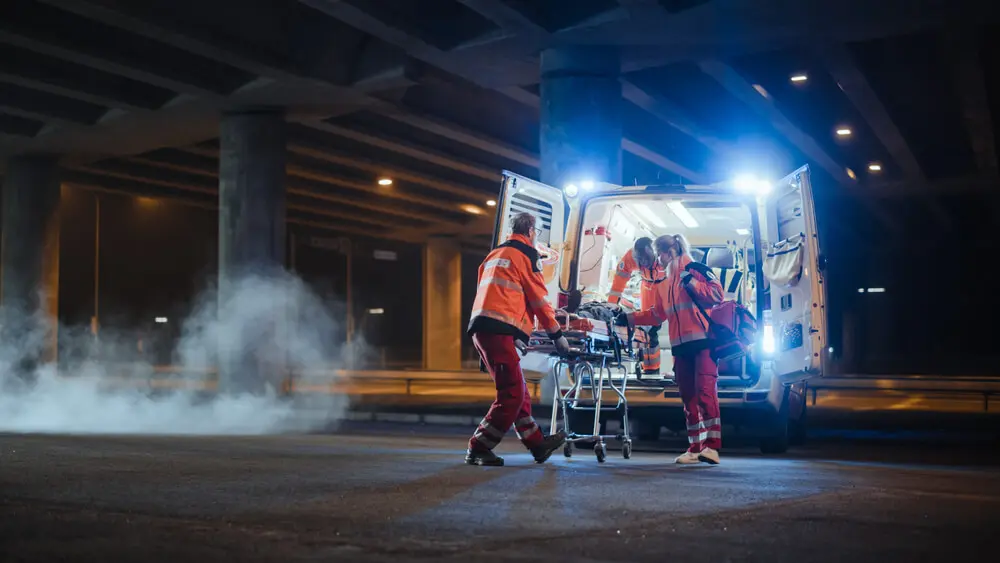
This is why understanding how to use naloxone and how to administer the drug is only the first step. The person still needs emergency medical evaluation, continued monitoring and sometimes additional doses of naloxone until the opioids have worn off. Even if someone appears to recover completely, you should always call 911 and remain with them until help arrives.
Why Naloxone Matters Now
Naloxone has become one of the most important public health tools in the fight against the opioid overdose crisis. After years of record-high overdose deaths, the United States experienced its largest single-year decline on record in 2024.1
Public health experts attribute this encouraging trend to several factors, including wider naloxone availability, expanded access to treatment for opioid use disorder and broader harm reduction efforts. While no single intervention deserves all the credit, getting naloxone into more people’s hands has played a significant role in saving lives.
The estimated drop in U.S. drug overdose deaths from 2023 to 2024, the steepest one-year decline on record (CDC, 2024).
The share of 2024 overdose deaths that involved opioids, with illicit fentanyl the largest single contributor (CDC, 2024).
At the same time, the overdose crisis is far from over. Opioids are involved in the majority of overdose deaths, with illicit fentanyl continuing to be the leading driver. Today’s illicit drug supply is also increasingly unpredictable, with fentanyl and other emerging adulterants in the drug supply frequently found in counterfeit pills and mixed with stimulants and other substances.
This means people may be exposed to opioids even when they don’t intentionally seek them out. The encouraging news is that naloxone works. It can rapidly reverse the effects of an opioid overdose, allowing someone to survive long enough to receive emergency medical care.
As naloxone has become available over the counter and through community distribution programs, more family members, friends, coworkers and bystanders have been able to intervene before it’s too late. Although overdose deaths have declined, they remain well above pre-pandemic levels.
Continuing to expand access to naloxone, treatment and harm reduction services will be essential to sustaining this progress. Every additional person who carries naloxone increases the chance that someone experiencing an opioid overdose will receive lifesaving care in time.
Naloxone Forms and Brands at a Glance
Although people often use the names Narcan and naloxone interchangeably, Narcan is just one brand of naloxone. All naloxone products contain the same active ingredient, naloxone hydrochloride. The main differences are how the medication is administered, the dose, whether it’s available over the counter or by prescription, and its cost.
For most people, an over-the-counter nasal spray is the easiest option to carry and use during an emergency. Here’s a quick comparison of the most commonly available naloxone products:2
| Product | Form | Dose | Availability | Typical Use |
|---|---|---|---|---|
| Narcan | Nasal spray | 4 mg | Over the counter | The most common option for the public |
| RiVive | Nasal spray | 3 mg | Over the counter | Alternative to Narcan |
| Kloxxado | Nasal spray | 8 mg | Prescription | Higher-dose nasal spray |
| Zimhi | Auto-injector | 5 mg | Prescription | Guided injectable device |
| Generic naloxone | Injection (vial/syringe) | 0.4 mg/mL | Prescription | Hospitals, EMS, syringe service programs |
Nasal sprays such as Narcan and ReVive are designed for use by people with little or no medical training. Injectable naloxone can be just as effective, but it requires additional steps and is more commonly used by healthcare professionals or people taught how to use it.
When comparing naloxone brands, it’s smart to choose the one you feel most comfortable using in an emergency. You may also hear about nalmefene (brand name Opvee), another medication that reverses opioid overdoses. Although it works similarly to naloxone and lasts longer in the body, it is a different medication and is not considered a replacement for naloxone as the standard first-line opioid reversal agent.
What Naloxone Can and Cannot Reverse
Naloxone is highly effective at reversing opioid overdoses, but it is not a universal antidote for every type of drug overdose. It works only by blocking opioids from attaching to opioid receptors in the brain. This allows the drug to reverse overdoses involving opioids such as fentanyl, heroin, morphine, oxycodone, hydrocodone, methadone and buprenorphine.
Since potent synthetic opioids like fentanyl bind strongly to opioid receptors, some overdoses may require multiple doses of naloxone before the person’s breathing returns to normal. Naloxone does not reverse overdoses caused solely by non-opioid substances such as xylazine (commonly known as tranq) and other non-opioid drugs like benzodiazepines, cocaine, methamphetamine, or alcohol.
That said, today’s illicit drug supply is increasingly unpredictable. Fentanyl is frequently found in counterfeit pills and mixed with stimulants and other drugs, sometimes without the person’s knowledge. As a result, someone who appears to have overdosed on a non-opioid substance like xylazine may also have opioids in their system.
This is one reason healthcare professionals recommend giving naloxone whenever an opioid is known or suspected, even if you aren’t sure which substance was involved. Naloxone will not harm someone who has not taken opioids, but if opioids are contributing to the overdose, administering it quickly can restore breathing and save a life while emergency medical services are on the way.
If you’re ever unsure, remember this simple rule: when in doubt, give naloxone and call 911. The medication may not reverse every substance involved in the overdose, but it can still be lifesaving if opioids are part of the picture.
Where to Get Naloxone
Naloxone is easier to obtain than many people realize. Since 2023, Narcan and ReVive nasal sprays have been available over the counter nationwide. This means you can purchase them without a prescription at most pharmacies, grocery stores with pharmacies, big-box retailers and many online stores. You do not need to show identification or complete any special training to buy or carry naloxone.
If cost is a concern, free naloxone is also available through many community programs. State and local health departments, harm reduction organizations, syringe service programs, community outreach groups and mail-order programs distribute naloxone at no cost in many areas. Some communities have also installed naloxone vending machines to make the medication even more accessible.
Insurance can also help lower the cost. While over-the-counter naloxone is widely available, many private insurance plans, Medicaid and Medicare Part D will cover naloxone when prescribed by a healthcare provider. Depending on your insurance coverage, obtaining a prescription may cost less than purchasing it over the counter.9
Where you get naloxone often depends on where you live and what resources are available in your community. Our complete guide explains where to get free Narcan, how mail-order programs work and how to locate distribution programs near you.
Call A Treatment Provider
For a conversation about what treatment options are available to you.
Make a Call
 800-985-8516
 Sponsored Helpline
How to Use Naloxone
One of the biggest advantages of naloxone is that it’s designed for everyday people to use during an emergency. The most common products are nasal sprays that require only three basic steps: peel, place and press. Each device contains a single dose, so no measuring or assembly is required. If you suspect an opioid overdose, administering naloxone promptly is far safer than waiting.
Understanding how to use naloxone after you’ve recognized a potential opioid overdose is simple. After giving the first dose, call 911 immediately if someone hasn’t already done so. Continue watching the person’s breathing and responsiveness. If they do not wake up or begin breathing normally after two to three minutes, administer a second dose using a new naloxone device.
Once the person is breathing on their own and no longer requires rescue breathing, place them in the recovery position to help keep their airway clear while waiting for emergency medical services.
If you’re trained and willing, rescue breathing can help provide oxygen while naloxone takes effect. Even if you aren’t comfortable providing rescue breaths, giving naloxone and calling 911 are the two most important actions you can take. Emergency responders can provide additional treatment and monitor the person because the overdose may return after the naloxone wears off.
Naloxone Side Effects and Safety
Naloxone has an excellent safety profile and has been used for decades to reverse opioid overdoses. It is not addictive, cannot produce a high and will not harm someone who has not taken opioids. The consequences of an untreated opioid overdose can be fatal and healthcare professionals recommend administering naloxone whenever an opioid overdose is suspected.
Understanding naloxone side effects and what to expect can help you prepare for what may happen in the moments after you administer it. The most common reaction after naloxone is administered is precipitated withdrawal in someone who is physically dependent on opioids.
Since naloxone rapidly removes opioids from the brain’s receptors, the person may suddenly experience nausea, vomiting, sweating, chills, muscle aches, anxiety, irritability, or restlessness. Although these symptoms can be uncomfortable and sometimes alarming to witness, they are generally not life-threatening. In fact, they indicate that the medication has successfully reversed the opioid overdose.
It’s also important to remember that naloxone’s effects are temporary. Most doses remain active for 30 to 90 minutes, while many opioids continue affecting the body much longer. This is one reason emergency medical evaluation is essential after every overdose reversal, even if the person appears to recover completely.
The possibility of withdrawal should never discourage someone from giving naloxone. The temporary discomfort of withdrawal is far less dangerous than an untreated opioid overdose.
Who Should Carry Naloxone?
Anyone who may witness or experience an opioid overdose should consider carrying naloxone. That includes people who use opioids, family members, friends, caregivers and roommates, as well as people prescribed long-term opioid pain medications. Since overdoses often happen at home or around loved ones, the first person available to respond is frequently someone without medical training.
Having naloxone nearby can provide the critical time needed until emergency medical services arrive and offer medication-assisted treatment, if necessary, for withdrawal symptoms. People in recovery from opioid use disorder should also consider carrying naloxone. After a period of abstinence, opioid tolerance decreases, which means a return to opioid use carries a much higher risk of overdose than before.
Likewise, people prescribed higher doses of opioids for chronic pain or those who take opioids alongside medications such as benzodiazepines may also benefit from having naloxone readily available.
Even people who primarily use stimulants may want to carry naloxone, as fentanyl is increasingly found in counterfeit pills and mixed into cocaine, methamphetamine and other illicit drugs. In addition, people who use opioids alone face unique risks because they may not be able to administer naloxone to themselves if they become unconscious.
Resources such as the Never Use Alone hotline (1-800-484-3731) can provide an added layer of safety by ensuring someone can call for emergency help if an overdose occurs. You do not need a prescription, license, or formal training to carry naloxone. The more people who have it available and know how to use it, the more opportunities there are to prevent fatal opioid overdoses.
Legal Protections for Using Naloxone
Many people hesitate to call 911 or administer naloxone because they worry about getting into legal trouble. Fortunately, the vast majority of states have naloxone access laws that protect people who possess and administer naloxone in good faith, along with Good Samaritan laws that provide some protection from certain low-level drug possession charges when someone seeks emergency medical help during a suspected overdose.
These laws were created to encourage people to act quickly without fear of unnecessary legal consequences. Although the details vary by state, Good Samaritan laws commonly protect both the person who calls 911 and the person experiencing the overdose. However, these laws do not provide blanket immunity.
Most do not protect against outstanding warrants, drug trafficking or distribution charges, or unrelated crimes discovered at the scene. Since state laws differ, it’s important to understand the protections where you live. The most important message is this: don’t let fear of legal consequences stop you from saving a life.
In most states, the law is designed to encourage people to seek emergency medical assistance during an overdose. If you suspect someone is overdosing, administer naloxone, call 911 immediately and follow the instructions of emergency responders.
Call A Treatment Provider
For a conversation about what treatment options are available to you.
Make a Call
800-985-8516Sponsored Helpline
Frequently Asked Questions
Almost. Naloxone is the generic name of the medication, while Narcan is the best-known brand name. Narcan contains naloxone, but other brands and generic naloxone products are also available.
Yes, Narcan and ReVive nasal sprays are available over the counter throughout the United States, so you do not need a prescription to purchase them. Many community organizations and state programs also provide naloxone free of charge.
Yes, Naloxone can reverse overdoses involving fentanyl, but because fentanyl is highly potent, some people may require multiple doses before they begin breathing normally. After giving naloxone, always call 911 and continue monitoring the person until emergency medical services arrive.
No, Naloxone works only when opioids are present in the body. If someone is not experiencing an opioid overdose, administering naloxone is not expected to cause harm, which is why healthcare professionals recommend giving it whenever an opioid overdose is suspected.
Naloxone typically remains active for 30 to 90 minutes. Since many opioids remain in the body longer than naloxone, the overdose can return after the medication wears off. This is why emergency medical evaluation is necessary even if the person wakes up and appears to recover.
Get Help for Opioid Use Disorder
Naloxone can save a life during an opioid overdose, but it is not a treatment for opioid use disorder. If you or someone you care about has experienced an overdose, needed naloxone, or is struggling with opioid use, professional treatment can help address the underlying addiction and reduce the risk of future overdoses.
Treatment may include medical detox, medication-assisted treatment (MAT), inpatient or outpatient rehabilitation, counseling, behavioral therapies and ongoing recovery support. The right approach depends on each person’s needs, medical history and recovery goals.
If you’re ready to take the next step, Rehab.com can help you explore evidence-based treatment options and connect with programs that fit your situation. Recovery is possible, and seeking help today can be the first step toward a healthier, safer future.
Find Addiction Treatment Centers
Finding facilities near you…
References
- Garnett MF, Miniño AM. Drug Overdose Deaths in the United States, 2023-2024. NCHS Data Brief. 2026 Jan;(549):1-13. https://www.cdc.gov/nchs/data/databriefs/db549.pdf. Accessed July 13, 2026.