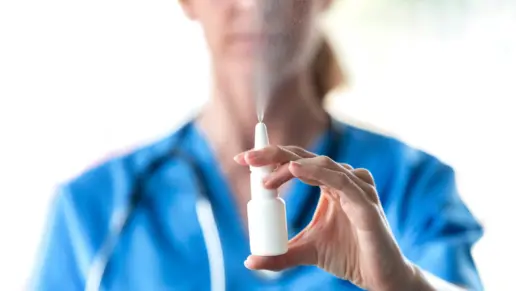
Narcan can save a life in minutes, but many people still hesitate because they are not sure what it works on. Does Narcan work on fentanyl? Can it reverse the effects of heroin, Xanax, alcohol, cocaine, xylazine or newer adulterants like nitazenes and medetomidine?
The most important thing to know is that naloxone reverses opioids, not non-opioids. However, in any suspected overdose, you should still give it to someone who is overdosing. Today’s drug supply is unpredictable and may be adulterated with other opioids and fentanyl. Naloxone does no harm if opioids are not present.
Below, you will find what Narcan does and does not reverse, why multiple doses are sometimes needed and what to do while waiting for emergency help. You’ll discover when to use naloxone and what to do next.
Key Points
- Naloxone reverses opioid overdoses including fentanyl, heroin, and prescription opioids, but not non-opioids.
- Fentanyl overdoses often require multiple doses of naloxone because its effects can outlast a single dose.
- Xylazine, medetomidine, benzodiazepines, stimulants, and alcohol cannot be reversed by naloxone, which only acts on opioids.
- Always give naloxone in any suspected overdose: today’s drug supply is often mixed with fentanyl and other opioids.
- After giving naloxone, call 911, support breathing, and continue dosing every two to three minutes if needed.
- Carry more than one dose of Narcan, as fentanyl and nitazenes may require several doses before breathing returns.
The Short Answer: When in Doubt, Give Narcan
Naloxone reverses opioid overdoses, including fentanyl, heroin and prescription opioids. It does not reverse overdoses caused only by non-opioids such as xylazine, benzodiazepines, or stimulants. But that does not mean you don’t use it. If no opioids are present, naloxone has no harmful effect. If opioids are present, they can restore breathing and save a life.
When you question whether you should use naloxone or the brand name Narcan, the short answer is, when in doubt, give it. You should give naloxone for any suspected overdose if there is any chance that opioids are involved. Give it even if you are not sure what the person took and even if you think the overdose involves something else.
This is important because opioids, especially fentanyl, are now present in much of the illicit drug supply, including stimulants, counterfeit pills and combinations with sedatives or additives such as xylazine and medetomidine. In a real overdose, you often cannot know what is in the drug or whether opioids are part of it.
Always follow the rule that if someone may be overdosing, you should give naloxone, call for emergency help and support breathing. Here you will learn, substance by substance, what naloxone does and does not reverse and what to do in each situation.
Does Narcan Work on Fentanyl?
Yes, does naloxone work on fentanyl. Fentanyl is an opioid and naloxone can reverse the slowed or stopped breathing that makes a fentanyl overdose life-threatening.
What makes fentanyl different is not that naloxone fails, but that more than one dose is often needed. Fentanyl is highly potent and its effects can outlast the time that naloxone is effective. Naloxone usually works for about 30 to 90 minutes, while fentanyl can continue depressing breathing after an initial dose wears off. In some overdoses, a single dose is also not enough to overcome the amount or potency involved.
That is why you need to know how to give naloxone, including a second dose and the importance of always calling for emergency medical help. If the person does not respond or breathing does not improve after the first dose, it is safe to keep giving additional doses as needed. Your goal is not necessarily to make the person fully awake right away. Your goal is to help them breathe again.
It is crucial to follow the protocol of administering naloxone, calling emergency services and supporting breathing while you monitor for improvement. If the person is still not breathing normally, you give another dose in two to three minutes and continue until breathing returns or help arrives.
Because fentanyl is the leading driver of overdose deaths and is so common in the drug supply, it is smart to carry more than one dose of Narcan.
Does Narcan Work on Heroin and Prescription Opioids?
Yes, naloxone works on heroin and all other opioids. If an overdose involves heroin, oxycodone, hydrocodone, morphine, or similar opioids, naloxone can reverse the opioid effects that slow or stop breathing.
It’s essential to remember that naloxone does not last very long. Its effects usually wear off within about 30 to 90 minutes and the overdose can return. This is especially important when longer-acting opioids, such as methadone, are involved.
Naloxone can reverse a methadone overdose, but methadone can outlast it, so the person may become sleepy again or stop breathing again after seeming to improve. Buprenorphine is also reversible, though it may respond less dramatically and still requires close monitoring and repeat doses if breathing does not improve.
Regardless of which opioid is involved, give naloxone, call 911, support breathing and stay with the person. If they do not respond or their breathing is still not normal, give another dose.
Does Narcan Work on Xylazine (Tranq)?
When you’re questioning does Narcan work on Tranq, the short answer is no. Naloxone does not reverse xylazine itself. Xylazine is not an opioid. It is a veterinary sedative and naloxone does not undo the sedation that xylazine triggers.
But you should still give naloxone right away in any suspected xylazine overdose. This is because xylazine is very often mixed with fentanyl in the street supply. In a public safety announcement from the Drug Enforcement Administration, it was reported that in 2022, emerging adulterants were in the drug supply, with approximately 23% of fentanyl powder and 7% of fentanyl pills seized by the DEA containing xylazine.1
Of fentanyl powder samples seized by the DEA in 2022 tested positive for xylazine, per a DEA public safety announcement.
Of fentanyl pills seized by the DEA in 2022 contained xylazine, meaning pill users may also be unknowingly exposed.
The street term “tranq” often includes xylazine plus an opioid, not xylazine alone. If fentanyl or another opioid is involved, naloxone can reverse the opioid part of the overdose and help restore breathing.
After you give naloxone, the person may start breathing better but still seem heavily sedated. That does not mean naloxone failed. It may mean the opioid effect has been reversed, while the remaining sedation is from xylazine, which naloxone cannot reverse. As long as they are breathing, you don’t have to keep giving more naloxone.
What matters most in a suspected xylazine overdose is supporting breathing. Call 911 immediately, give rescue breaths if the person is not breathing normally and put them in the recovery position if you need to leave them briefly or if they are breathing on their own but remain unresponsive. Xylazine overdose is a medical emergency and may require care beyond naloxone.
Does Narcan Work on Nitazenes?
Yes, naloxone works on nitazenes. Nitazenes such as isotonitazene, metonitazene and protonitazene are emerging adulterants that are synthetic opioids, so naloxone can reverse the opioid effects that slow or stop breathing.
The dangerous myth is that nitazenes are naloxone resistant opioids. However, this is false. They are not resistant to naloxone. The real issue is potency. Some nitazenes are extremely strong, even stronger than fentanyl in some cases, so a person may need more naloxone doses before breathing improves.
This is why a single dose may not be enough and why you should keep giving additional doses every two to three minutes if the person is not responding or not breathing normally. Nitazenes have appeared in the drug supply in recent years and can be hard to identify. Therefore, do not give up on naloxone.
If you suspect a nitazene overdose, give naloxone right away, call 911, support breathing and continue dosing until the person responds or emergency help arrives. Your goal is to restore adequate breathing, not necessarily to make the person fully awake immediately.
Does Narcan Work on Medetomidine?
No, naloxone does not reverse medetomidine itself. Medetomidine is a non-opioid sedative, not an opioid. It is in the same general family as xylazine and clonidine, working through alpha-2 receptors, but it is more potent. That means naloxone does not undo the sedation or slow heart rate that medetomidine can cause.
But you should still give naloxone right away in any suspected medetomidine overdose. So far, medetomidine has been found in real-world overdose clusters alongside fentanyl and other opioids, not by itself. In other words, naloxone may not address the effects of medetomidine, but it can still reverse the opioid overdose symptoms and help the person breathe.
What should you expect? A person may breathe better after naloxone but remain deeply sedated and they may have bradycardia, meaning a slow heart rate. That does not mean naloxone failed. It can mean the opioid effect has been reversed, while the remaining sedation comes from medetomidine—a drug that naloxone cannot reverse.
The same logic applies if bromazolam or another sedative is also involved. The practical response is the same for xylazine and all emerging adulterants, including metetomidine: give naloxone, call 911, support breathing and stay with the person.
If breathing is not normal, continue rescue breaths and give additional naloxone every two to three minutes as needed for possible opioid effects. If breathing improves but the person stays very sedated, place them in the recovery position and wait for emergency help.
Does Narcan Work on Benzodiazepines?
No, naloxone does not reverse the effects of benzodiazepines. Drugs like alprazolam (Xanax), clonazepam (Klonopin), diazepam (Valium) and illicit designer benzos such as bromazolam are sedatives, not opioids, so Narcan does not undo their sedating effects.
A benzodiazepine overdose by itself usually causes heavy sedation, confusion and poor coordination. The bigger danger comes when benzodiazepines are combined with opioids, because that combination greatly increases the risk of slowed or stopped breathing. That is why you should still give naloxone if opioids may be involved.
With the rise of counterfeit pills or adulterants in street drugs, you often cannot know whether an opioid is part of the mix. There is a benzodiazepine reversal drug called flumazenil, but it is not a bystander tool like naloxone. It is used only selectively in medical settings because, in mixed or unknown overdoses, it can trigger seizures and other serious complications.
If someone may be experiencing an overdose, give naloxone, call 911 and support breathing. If the person is not breathing normally, give rescue breaths. If they are breathing but remain unresponsive, place them in the recovery position and stay with them until help arrives.
Call A Treatment Provider
For a conversation about what treatment options are available to you.
Make a Call
 800-985-8516
 Sponsored Helpline
Does Narcan Work on Stimulants Like Cocaine and Meth?
No, naloxone does not reverse stimulant overdoses. Cocaine and methamphetamine are stimulants, not opioids, so Narcan does not undo their direct effects. There is also no equivalent reversal medication for a stimulant overdose.
While Narcan is not effective for a meth overdose, you should still give naloxone if someone may be overdosing after using cocaine, meth, or another stimulant. That is because the stimulant supply is increasingly contaminated with fentanyl. What looks like a stimulant overdose may also involve an opioid and naloxone can reverse that part. If no opioids are present, naloxone does not cause harm.
A stimulant overdose often looks different from an opioid overdose. Instead of slowed breathing and pinpoint pupils, you may see agitation, panic, chest pain, a very fast heart rate, high body temperature, tremors, or seizures. People sometimes call this overamping. It is still a medical emergency and the response is mostly supportive care – which is why you should call 911 right away.
Even though the answer to “Does Narcan work on cocaine?” is no, give naloxone anyway. Then call 911 and stay with the person. If they are not breathing normally, support breathing. If they are having a seizure, protect them from injury and wait for emergency help.
A harm reduction step is to use fentanyl test strips whenever possible because contamination is common and often invisible.
Does Narcan Work on Alcohol?
No, naloxone does not reverse alcohol poisoning. Alcohol is not an opioid, so Narcan has no direct effect on alcohol intoxication or overdose.
However, during an overdose, you should still give naloxone if opioids may also be involved. Alcohol is often used with opioids or other depressants and that combination can make slowed or stopped breathing much more likely. If opioids are part of the overdose, naloxone can reverse the opioid effects and it won’t harm the person if no opioids are involved.
Alcohol poisoning is still a medical emergency on its own. Warning signs can include confusion, repeated vomiting, slow or irregular breathing, trouble waking up, blue or pale skin and unconsciousness. If you see those signs, call 911 immediately.
Your response should be the same: if there is any chance opioids are involved, call 911 and keep the person on their side in the recovery position. Do not leave them alone. If they are not breathing normally, support breathing and wait for emergency help.
Frequently Asked Questions
There is no fixed number. You give one dose, then give another every two to three minutes if the person is not responding or not breathing normally. Some fentanyl overdoses need several doses, which is why carrying more than one matters.
If the person’s breathing improves but they remain very sedated, a non-opioid such as xylazine or medetomidine may also be involved. Naloxone can reverse the opioid part of the overdose, but it cannot reverse the sedatives, so you keep supporting breathing and wait for emergency help.
No, Nitazenes are opioids, so naloxone does work on them. The confusion comes from their high potency: some overdoses need multiple doses of Narcan, but that is not the same as resistance.
No, naloxone only works if opioids are present. If they are not, it has no harmful effect, which is why you should give it in any suspected overdose.
If Narcan doesn’t appear to be working, you keep going: give rescue breaths, administer naloxone every two to three minutes, place the person in the recovery position if they are breathing on their own and stay until EMS arrives. If breathing improves but the person does not fully wake up, that can mean a non-opioid sedative is involved, not that naloxone failed.
Find Addiction Treatment Centers
Finding facilities near you…
References
- Drug Enforcement Administration. DEA Reports Widespread Threat of Fentanyl Mixed with Xylazine. US Drug Enforcement Administration. Published 2022. Accessed July 10, 2026. https://www.dea.gov/alert/dea-reports-widespread-threat-fentanyl-mixed-xylazine