Many people assume naloxone is only for first responders or people with opioid use disorder. In reality, anyone who might witness an opioid overdose can carry naloxone, including family members, caregivers, parents, people taking opioid pain medications and individuals in recovery. Since opioid overdoses often happen at home or around loved ones, having naloxone nearby can mean the difference between life and death. Knowing who should carry Narcan can be a matter of life or death.
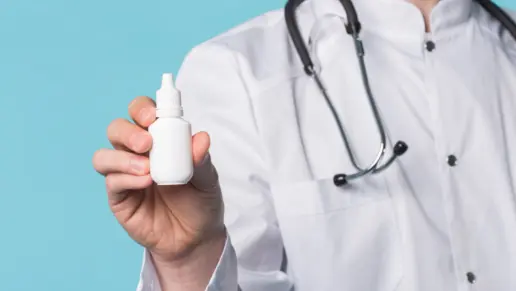
Naloxone (commonly known by the brand name Narcan) is a medication that rapidly reverses the effects of an opioid overdose by restoring normal breathing. It is available over the counter throughout the United States and does not require special training to carry. It is safe to administer even if it turns out the person is not experiencing an opioid overdose.
Narcan is often given out for free or at a low cost by nonprofits and community organizations. When administered promptly and followed by a 911 call, naloxone can save lives.
In this guide, we’ll explain who should consider carrying naloxone. We’ll also answer common questions about carrying and using naloxone so you can make an informed decision about whether it’s right for you.
Key Points
- Anyone who might witness an opioid overdose should consider carrying naloxone, not just people who use opioids.
- Family members and caregivers of people using opioids are among the most important groups to carry Narcan.
- Parents of teenagers should keep naloxone at home because counterfeit pills containing fentanyl can cause fatal overdoses.
- People in recovery face a higher overdose risk after periods of abstinence; reduced tolerance makes any return to use more dangerous.
- Naloxone is available over the counter nationwide with no prescription required, and no formal training is needed to use it.
- Carrying naloxone is a safety precaution, not an assumption that someone will use drugs or relapse.
Should You Carry Naloxone?
For many people, the answer is yes. Naloxone is recommended not only for people who use opioids, but also for those who are most likely to witness an overdose. This includes family members, caregivers and anyone else who spends time around someone who is at risk of an opioid overdose.
The Office of the Surgeon General has advised that people at risk for an opioid overdose, as well as the people close to them, keep naloxone readily available and know how to use it. This recommendation reflects an important reality: Opioid overdoses often happen in homes or other familiar settings where a loved one is the first person able to respond.
Carrying naloxone is also a low-risk precaution. It only works if opioids are present in the body, so it will not harm someone who is not experiencing an opioid overdose.
It is available over the counter nationwide, meaning you do not need a prescription, medical license, or formal training to purchase or carry it. While learning how to recognize an overdose and administer naloxone is encouraged, the medication is designed to be used by everyday people in an emergency.
The sections below explain who should carry Narcan in different situations, including families of people who use opioids, parents of teenagers, pregnant individuals, chronic pain patients and people in recovery. If you’re wondering whether naloxone belongs in your home, purse, car or medicine cabinet, this guide can help you decide.
Naloxone for Families of People Who Use Opioids
If someone in your family uses opioids, whether they’re prescribed for pain, used recreationally, or taken as part of treatment for opioid use disorder, you should strongly consider carrying naloxone. Family members and close friends are often the first people to recognize an overdose and having naloxone nearby can buy valuable time until emergency medical services arrive.
Many opioid overdoses happen at home, where a spouse, parent, sibling, adult child, or roommate is the first person to respond. Keeping Narcan for families in an easily accessible location and making sure everyone in the household knows where it is can help ensure that someone is prepared to act quickly in an emergency.
It’s also helpful for everyone in the home to learn the signs of an opioid overdose and how to use naloxone. Most people can learn to use a naloxone nasal spray in just a few minutes, and no formal medical training is required. Being prepared in advance can make it easier to respond calmly in a stressful situation.
Some families worry that keeping naloxone at home sends the wrong message or suggests they expect their loved one to overdose. In reality, carrying naloxone is an act of preparedness and compassion, much like keeping a fire extinguisher or automated external defibrillator (AED) nearby. It doesn’t encourage drug use. It simply means you’re prepared to respond if an emergency happens.
There are many options for getting free Narcan for families. In most states, it’s available without a prescription, and many community organizations, pharmacies and public health programs provide it at little or no cost.
Naloxone for Parents and Caregivers of Teens
Many parents assume naloxone is only necessary if they know their child uses opioids. Unfortunately, today’s overdose risks are more complicated than that.
Counterfeit pills sold online, through social media, or by friends may look like legitimate prescription medications but contain fentanyl, a synthetic opioid that can cause a fatal overdose in very small amounts. In many cases, teens and young adults do not realize the pills they’re taking contain fentanyl at all.
This means a teenager who would never consider themselves an opioid user can still experience an opioid overdose after taking what they believe is a prescription medication for anxiety, ADHD, or pain. Since fentanyl is colorless, odorless, and impossible to detect without specialized testing, it’s often impossible to tell whether a pill is counterfeit simply by looking at it.
For that reason, it’s a good idea for parents and caregivers to keep Narcan for teens in the home, even if they don’t believe their child is at risk. Having it available is a practical safety measure, much like keeping a first-aid kit, smoke detector, or fire extinguisher. It doesn’t mean you expect your teen to misuse drugs. It means you’re prepared to respond if an emergency occurs.
If you choose to keep naloxone at home, make sure everyone who may need to use it knows where it is stored and understands the basic steps for responding to a suspected overdose. Acting quickly by administering naloxone and calling 911 could save a teen’s life.
Naloxone During Pregnancy
Pregnancy can make decisions about medications feel more complicated, but the recommendation for naloxone is clear. If you are at risk of an opioid overdose, you should carry Narcan.
According to the American College of Obstetricians and Gynecologists (ACOG), naloxone can save your life during an overdose, and pregnant individuals at risk should have it available. In a suspected overdose, the priority is to save the pregnant mother’s life by administering naloxone immediately and calling 911.
Although naloxone can trigger opioid withdrawal, the danger of an untreated overdose is far greater. Without prompt treatment, an opioid overdose can deprive both the pregnant woman and the baby of oxygen, potentially leading to permanent injury or death. For this reason, concerns about withdrawal should never delay naloxone administration in an emergency.
It’s also important to distinguish between who should carry Narcan for emergency overdose treatment and taking medication for opioid use disorder. Rescue naloxone is intended only for reversing an overdose.
If you are experiencing opioid use disorder during pregnancy, do not stop taking opioids or attempt to detox on your own. ACOG recommends treatment under medical supervision, typically medication-assisted treatment such as methadone or buprenorphine. This is because sudden opioid withdrawal during pregnancy can increase the risk of complications, including relapse and preterm labor.
Is Naloxone Safe During Pregnancy?
Yes. The benefits of administering naloxone during a suspected opioid overdose outweigh the potential risks. In an overdose emergency, delaying treatment can be life-threatening for both the pregnant woman and the baby. If an overdose is suspected, administer naloxone immediately, call 911, and follow the instructions of emergency responders.
Naloxone and Breastfeeding
Narcan for pregnant women is appropriate after delivery because the risk of opioid overdose does not end when pregnancy does. ACOG encourages breastfeeding for many individuals receiving stable treatment for opioid use disorder, provided there are no other medical complications and illicit drug use has stopped.
If you have questions about naloxone, breastfeeding, or medications used to treat opioid use disorder, speak with your healthcare provider so you can make decisions based on your individual circumstances.
[SINGLE ARTICLE CTA: Rehab programs for pregnant and postpartum mothers → /specialty/pregnant-postpartum]
Narcan for Chronic Pain Patients on Long-Term Opioids
If you take prescription opioids to manage chronic pain, you may benefit from carrying naloxone, even if you always use your medication exactly as prescribed. Opioid medications can slow or stop breathing, particularly at higher doses or when they’re combined with other substances that cause sedation. Having naloxone available provides an added layer of protection in the event of an accidental overdose.
The risk of overdose increases for people taking higher opioid doses, those who combine opioids with medications such as benzodiazepines, or those who drink alcohol or take other sedating drugs while using prescription opioids. The Centers for Disease Control and Prevention (CDC) recommends that healthcare providers offer naloxone to patients at increased risk of overdose.
The U.S. Surgeon General has also encouraged people taking higher-dose opioid medications, as well as their family members and caregivers, to keep naloxone on hand.
Another concern is “dose stacking,” which can happen when opioid medications are taken too close together or when opioids from multiple sources overlap in the body. Even when medications are prescribed, taking more than intended or combining them with other sedating substances can increase the risk of an overdose.
Carrying naloxone is not a sign that you are misusing your medication. Instead, it’s a practical safety measure, much like carrying an epinephrine auto-injector for a severe allergy or a rescue inhaler for asthma.
If you take long-term opioid medications, talk with your healthcare provider or pharmacist about whether naloxone is right for you. In some cases, obtaining it through your healthcare provider may also reduce your out-of-pocket cost or allow you to get free Narcan for chronic pain patients.
Call A Treatment Provider
For a conversation about what treatment options are available to you.
Make a Call
 800-985-8516
 Sponsored Helpline
Narcan for People in Recovery
If you’re in recovery from opioid use disorder, carrying naloxone is still important, even if you have no intention of using opioids ever again. One of the highest-risk periods for an overdose is after a period of abstinence, when your body’s tolerance to opioids has decreased. If a person returns to opioid use and takes the same amount they used before, that dose can become life-threatening.
This increased risk is especially significant during the weeks following detox, discharge from a treatment program, hospitalization, or release from jail or prison. During these transitions, tolerance may have dropped substantially, making a relapse far more dangerous than it would have been before. For this reason, many public health experts recommend that people leaving these settings carry naloxone and make sure those around them know where it is and how to use it.
Keeping naloxone nearby is not a sign that you expect to relapse. Narcan for people in recovery is a safety measure that recognizes that recovery isn’t always a straight line.
If a return to opioid use does happen, having naloxone available can prevent a setback from becoming a fatal overdose. Family members, friends, roommates, and others in your support system should also know how to recognize an overdose and administer naloxone.
If you’re receiving medication-assisted treatment (MAT) with medications such as methadone, buprenorphine, or naltrexone, continuing your treatment can significantly reduce your risk of overdose. Even so, carrying naloxone remains a wise precaution, particularly during major life transitions or periods when your risk may be higher.
Naloxone for People Who Use Drugs Alone
If you plan to use opioids, carrying naloxone is essential, but it’s only one part of an overdose safety plan. Unlike someone who is with another person, you may not be able to administer naloxone to yourself if you lose consciousness. That means it’s important to think ahead about how to recognize an opioid overdose and how help will reach you if an overdose occurs.
One resource that can help is Never Use Alone, a free, confidential, 24/7 overdose response service. Never Use Alone can be reached at 1-800-484-3731 (you can also call a secondary number at 1-877-696-1996).
Before using drugs, you can call the hotline and speak with a trained volunteer who will stay on the phone with you while you use. If you become unresponsive, the volunteer can contact emergency medical services using the location information you provided. The service is designed to reduce the risk of fatal overdoses for people who would otherwise be using alone and is not affiliated with law enforcement.
Even if you plan to use the hotline, you should still keep naloxone nearby and visible so that emergency responders or anyone who finds you can administer it immediately.
Other harm reduction strategies include avoiding mixing opioids with alcohol or other sedating drugs, using a small test amount first if the source of the drug is unknown, and leaving doors unlocked so emergency responders can reach you quickly if needed.
No strategy can completely eliminate the risk of an overdose, but planning ahead can make a life-saving difference. If you or someone you know uses opioids alone, saving the Never Use Alone number in your phone and carrying naloxone are two simple steps that can help reduce the risk of a fatal overdose.
Naloxone for People Who Use Stimulants
Even if you do not intentionally use opioids, carrying naloxone may still be a good idea if you use stimulants such as cocaine or methamphetamine. In recent years, fentanyl has increasingly been found in the illicit stimulant supply, sometimes without the knowledge of the person using the drug. As a result, someone who never intended to take an opioid can still experience a life-threatening opioid overdose.
This contamination has contributed to a rise in overdose deaths involving both stimulants and fentanyl. A person may believe they are experiencing the effects of cocaine or methamphetamine when, in reality, fentanyl is also present. Since naloxone specifically reverses opioid overdoses, having it available can save a life even when opioid use was unexpected.
Carrying naloxone is one part of a broader harm reduction strategy. If you use stimulants obtained outside of a pharmacy, consider using fentanyl test strips when they are legal and available in your area. Testing drugs before use and carrying naloxone together can help reduce the risk of an accidental opioid overdose caused by fentanyl contamination.
Since naloxone has no effect if opioids are not present, there is little downside to carrying it. Narcan does not work on stimulants, but it can help if you or someone else has taken stimulants alongside opioids. If you or someone nearby experiences a suspected overdose, administer naloxone, call 911 immediately, and follow the instructions of emergency responders.
Can You Give Narcan to a Child?
Yes. It’s safe to administer Narcan to a child if you suspect they are experiencing an opioid overdose. The same naloxone nasal spray used for adults can be used in children, and in an emergency, it’s always better to give naloxone than to delay treatment while trying to determine exactly what caused the child’s symptoms.
Children can experience opioid overdoses for several reasons. Young children may accidentally swallow a parent or caregiver’s prescription opioid medication, while older children and teenagers may unknowingly take counterfeit pills containing fentanyl. In either situation, recognizing the signs of an opioid overdose and acting quickly can save a life.
If you suspect a child has overdosed on opioids, administer naloxone immediately, call 911, and follow the instructions of emergency responders. If the child is not breathing normally, provide rescue breathing or CPR if you are trained to do so, and stay with them until help arrives.
Since naloxone’s effects can wear off before the opioids leave the body, emergency medical evaluation is always necessary, even if the child appears to recover.
One reason naloxone is widely recommended is that it has an excellent safety profile. If it turns out the child was not experiencing an opioid overdose, naloxone will not cause harm simply because opioids are absent. When an opioid overdose is suspected, the risk of delaying treatment is far greater than the risk of giving naloxone.
Who Else Should Carry Narcan?
Naloxone isn’t just for people who use opioids or their families. As opioid overdoses have become a widespread public health issue, many professionals, organizations and community members are now among those who should carry Narcan because they are more likely to witness an overdose.
The more people who have naloxone readily available, the greater the chance someone can respond before emergency medical services arrive.
People who are especially encouraged to carry naloxone include harm reduction workers, peer support specialists, syringe service program staff and outreach workers who regularly interact with people at risk of an opioid overdose. First responders, including police officers, firefighters and emergency medical personnel, also routinely carry naloxone as part of their emergency equipment.
Increasingly, schools, libraries, hotels, shelters and other public-facing organizations are making naloxone available for staff members. Some communities have also encouraged or required certain venues to stock naloxone because overdoses can occur in virtually any public setting.
Ultimately, you don’t have to fit into a specific category to be among those who should carry Narcan. If you spend time around people who may use opioids, work in a setting where an overdose could occur, or simply want to be prepared for an emergency, carrying naloxone is a reasonable precaution. It is easy to carry, simple to administer, and has the potential to save a life when every minute counts.
Call A Treatment Provider
For a conversation about what treatment options are available to you.
Make a Call
800-985-8516Sponsored Helpline
Frequently Asked Questions
No. Naloxone is available over the counter throughout the United States, so you do not need a prescription to purchase or carry it. Some insurance plans may cover naloxone when it is prescribed by a healthcare provider, and many community organizations and public health programs offer it for free or at a low cost.
No formal training is required to carry or administer naloxone. Most naloxone nasal sprays are designed to be used by bystanders during an emergency and include simple instructions. Even so, learning how to recognize the signs of an opioid overdose and use naloxone can help you respond more confidently during an emergency.
Possibly. If you have a family member or friend who uses opioids, take care of someone who is taking opioid medications, or work or volunteer in a setting where an overdose could occur, carrying naloxone is a reasonable precaution. Since naloxone does not harm someone who is not experiencing an opioid overdose, there is little downside to being prepared.
Yes. According to the American College of Obstetricians and Gynecologists (ACOG), naloxone should be administered during a suspected opioid overdose in pregnancy because saving the pregnant person’s life is the top priority. If an overdose is suspected, give naloxone immediately, call 911, and seek emergency medical care.
Yes. In fact, that’s one of the primary reasons naloxone is recommended. Family members, friends, caregivers, coworkers, and even strangers may be the first people able to respond to an opioid overdose. Plus, most state Good Samaritan laws protect people who administer naloxone in good faith during an emergency.
Get Help for Opioid Use Disorder
Carrying naloxone can save a life during an opioid overdose, but it does not treat opioid use disorder or address the underlying causes of addiction. If you or someone you love has experienced an overdose, needed naloxone, or is struggling to stop using opioids, professional treatment can provide the support needed for long-term recovery.
Whether you’re concerned about yourself or someone you care about, reaching out for help is an important first step. Rehab.com can help you learn about your treatment options and connect with programs that provide compassionate, evidence-based care. Recovery is possible, and getting help today could save a life tomorrow.
Find Addiction Treatment Centers
Finding facilities near you…