If someone is experiencing an opioid overdose, acting quickly can save their life. Naloxone (commonly known by the brand name Narcan) is designed for everyday people and healthcare professionals alike to administer during an emergency. You don’t need a prescription, special equipment, or formal medical training to know how to use Narcan, and giving it promptly is far safer than waiting if you suspect an opioid overdose.
Most opioid overdoses happen outside of hospitals or healthcare settings, which means family members, friends, coworkers, or even strangers are often the first people in a position to help. Knowing how to recognize an overdose, administer naloxone correctly and care for the person until emergency medical services arrive can make the difference between life and death.
This guide provides step-by-step instructions on how to give Narcan, using naloxone nasal spray, how injectable naloxone differs, covers rescue breathing and the recovery position after Narcan and answers common questions about what happens after someone wakes up. Whether you’re preparing for the future or responding to an emergency right now, these instructions can help you act with confidence.
Key Points
- Naloxone (Narcan) is safe to administer without a prescription, special equipment, or formal medical training.
- Signs of an opioid overdose include unconsciousness, slow or stopped breathing, and pinpoint pupils.
- Administer naloxone nasal spray and call 911 right away, even if you’re unsure opioids are involved.
- Give a second dose every two to three minutes if the person does not respond or begin breathing normally.
- Naloxone lasts 30 to 90 minutes; stay with the person until EMS arrives because the overdose can return.
- Most states have Good Samaritan laws that provide some legal protection when calling 911 during a suspected overdose.
Before You Begin: Recognizing an Opioid Overdose
Before giving naloxone, take a few seconds to determine whether the person may be experiencing an opioid overdose. The most common signs include being unconscious or being unable to wake up, very slow, irregular, or stopped breathing, pinpoint pupils and blue or gray lips, fingertips, or nail beds, which are caused by poor oxygen supply. You may also hear choking, gurgling, or loud snoring sounds, which can indicate that the person’s airway is partially blocked.
To check whether the person is responsive, shout their name, firmly shake their shoulders and rub your knuckles up and down the center of their chest (called a sternal rub). If they do not wake up or respond normally, treat the situation as a medical emergency.
If you’re unsure whether opioids are involved, it’s still best to act. Naloxone will not harm someone who is not experiencing an opioid overdose, but delaying treatment during a true opioid overdose can quickly become life-threatening. When in doubt, administer naloxone, call 911 and begin the overdose response steps below.
How to Use Narcan Nasal Spray: Step by Step
If you suspect someone is experiencing an opioid overdose, follow these steps as quickly as possible. The instructions below follow the standard procedure for administering naloxone nasal spray. Even if you’re unsure whether opioids are involved, it’s safer to give naloxone than to wait. Follow these steps when giving Narcan:
- Check for a response. Shout the person’s name, shake their shoulders and firmly rub your knuckles up and down the center of their chest (a sternal rub). If they do not respond or are not breathing normally, proceed immediately.
- Lay the person on their back. Positioning them flat on their back makes it easier to administer the nasal spray correctly.
- Peel back the tab. Remove the naloxone nasal spray from its box and peel back the tab to open the device. Do not prime or test the spray beforehand. Each device contains a single dose and cannot be reused.
- Place the device in position. Hold the device with your thumb on the bottom of the plunger and your first and middle fingers on either side of the nozzle. Gently tilt the person’s head back, support their neck and insert the nozzle tip into one nostril until your fingers touch the bottom of the nose.
- Press the plunger. Press firmly to deliver the entire dose, then remove the device from the person’s nose.
- Call 911 immediately. If someone else is nearby, have them call while you administer naloxone. If you are alone, call as soon as the first dose has been given. Tell the dispatcher that the person is unresponsive and not breathing normally and provide your exact location.
- Wait two to three minutes. Watch the person’s breathing and responsiveness. If they do not wake up, begin breathing normally, or respond to voice or touch after two to three minutes, give a second dose using a new naloxone device in the opposite nostril. Continue giving additional doses every two to three minutes if needed until emergency medical services arrive.
- Place the person in the recovery position after Narcan when possible. If the person begins breathing on their own or if you need to step away briefly, roll them onto their side with their top knee bent and their head supported. This helps keep the airway open and reduces the risk of choking if they vomit.
Peel
Peel back the tab with the circle to open the device. Do not test it first; one device is one full dose.
Place and Press
Insert the nozzle into one nostril until your fingers meet the nose, then press the plunger firmly to release the dose.
Throughout the overdose response, stay with the person until emergency responders arrive. Even if they wake up and say they feel fine, naloxone is only temporary and the overdose can return after the medication wears off.

How to Give Narcan Injectable
Although naloxone nasal spray is the most common form carried by the public, injectable naloxone is also available. You may encounter it in community overdose response kits, syringe service programs, healthcare settings, or emergency response kits.
Regardless of which form you use, the overall response is the same: administer naloxone, call 911, support the person’s breathing and stay with them until emergency medical services arrive.
There are two main types of injectable naloxone. Some kits include a vial or ampule of naloxone and a separate syringe. These require you to draw the medication into the syringe before giving the injection, so they are typically provided along with brief training on how to use them. Another option is an auto-injector device, which is designed to be simple for bystanders to use. Injectable naloxone is typically given into the muscle of the outer thigh and can be administered through clothing if necessary.
After giving the injection, follow the same steps used for naloxone nasal spray: Call 911 if you haven’t already, monitor the person’s breathing, provide rescue breathing if needed and give another dose after two to three minutes if they do not respond or their breathing does not improve. Once they begin breathing on their own, place them in the recovery position and remain with them until emergency responders arrive.
Call A Treatment Provider
For a conversation about what treatment options are available to you.
Make a Call
 800-985-8516
 Sponsored Helpline
Give Rescue Breaths If the Person Is Not Breathing
The most immediate danger during an opioid overdose is that the person’s breathing slows or stops. Naloxone works by reversing the effects of opioids, but it can take a few minutes to restore normal breathing. Rescue breathing helps keep oxygen flowing to the brain and other vital organs while you wait for the medication to take effect.
If you’re willing and able to provide rescue breaths:
- Lay the person flat on their back.
- Tilt their head back and lift their chin to open the airway by pulling the jaw forward on both sides under the ears.
- Pinch their nose closed.
- Give two slow, normal breaths, watching to make sure the chest rises with each breath.
- After that, continue giving one breath every five seconds until the person begins breathing on their own or emergency responders take over.
If you’re alone and your naloxone kit isn’t immediately within reach, give a few rescue breaths first, then retrieve the naloxone and administer it as quickly as you can. If another person is with you, one person can call 911 and give naloxone while the other provides rescue breathing. Working together can help ensure the person receives oxygen while the medications begin working.
Continue rescue breathing between naloxone doses if a person is still not breathing normally. If a second dose of naloxone is needed after two to three minutes, continue providing breaths while waiting for the medication to take effect.
Although rescue breathing is recommended during an opioid overdose, not everyone has been trained or feels comfortable performing it. If you’re unable to provide rescue breaths, don’t let that stop you from helping.
Administer naloxone, call 911 immediately and follow any instructions the emergency dispatcher gives you. Taking action, even if it’s only giving naloxone and calling for help, is far better than doing nothing.
What to Expect After You Give Narcan
As you learn how to use Narcan, it’s important to recognize the expected response. After receiving naloxone, a person may wake up quickly, or it may take several minutes and additional doses before they respond.
When they do regain consciousness, they may be confused, frightened, or unsure of what happened. These symptoms are not naloxone side effects. Instead, they are a sign that the medicine is working.
They may not remember overdosing or understand why emergency responders have been called. Staying calm and reassuring them while continuing to monitor their breathing can help keep the situation as safe as possible for everyone.
Why the Person May Wake Up in Withdrawal
If the person is physically dependent on opioids, naloxone can trigger precipitated withdrawal by rapidly removing opioids from the brain’s receptors. They may suddenly experience nausea, vomiting, sweating, chills, muscle aches, anxiety, restlessness, or irritability.
Although these symptoms can be intense and alarming, they are generally not life-threatening. In fact, they are a sign that the naloxone has successfully reversed the opioid overdose. Some people may also become upset or want to leave immediately because they feel sick.
Try to reassure them by explaining that they overdosed, you administered naloxone and medical help is on the way. If they’re vomiting or are drowsy, keep them on their side in the recovery position to help protect their airway.
When to Give a Second Dose of Narcan
Even after someone wakes up, the emergency is not necessarily over. Naloxone typically lasts 30 to 90 minutes, but many opioids, including fentanyl and methadone, remain active in the body much longer. As the naloxone wears off, the opioids can begin affecting breathing again, causing the person to slip back into an overdose.
This is why it’s so important to call 911, stay with the person, and continue monitoring them until emergency medical services arrive. Someone who is experiencing withdrawal may also want to use opioids again to relieve their symptoms, but doing so before the naloxone has completely worn off can significantly increase the risk of another overdose. Encourage them to wait for medical evaluation and continue offering reassurance while they recover.
Why You Must Call 911 Even After a Successful Reversal
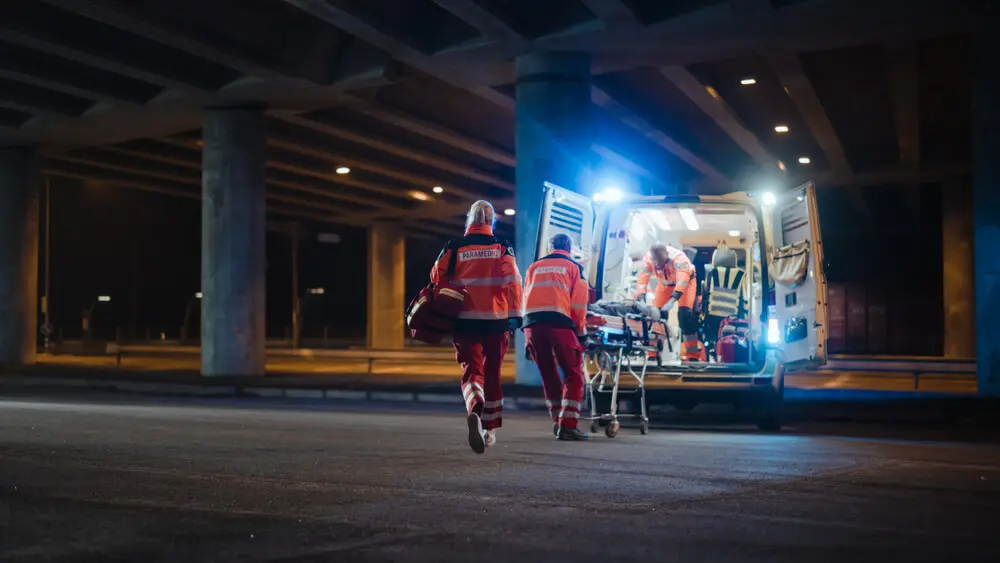
Even if someone wakes up after receiving naloxone and says they feel fine, you should still call 911. Naloxone has temporary effects that buy time by reversing the effects of opioids, but it does not remove the opioids from the person’s body. As the naloxone wears off, the overdose can return if opioids are still active in their system.
Emergency medical evaluation is also important because the person may have complications that aren’t immediately obvious. For example, they may stop breathing again, inhale vomit into their lungs, or have taken multiple substances that require additional treatment. Healthcare professionals can continue monitoring the person and provide additional naloxone or other medical care if needed.
Some people hesitate to call 911 because they worry about legal consequences. Fortunately, most states have Good Samaritan laws covering naloxone that provide some protection from certain low-level drug possession charges for people who seek emergency medical assistance in good faith during a suspected overdose.
Although these laws vary by state and are not unlimited, they exist to encourage people to call for help without delaying lifesaving care. The bottom line is simple: always call 911 after giving naloxone. Naloxone is a bridge to emergency medical care, not a replacement for it. Even if the person appears to recover, staying with them and ensuring they receive medical attention can help prevent a second overdose and improve their chances of a full recovery.
Call A Treatment Provider
For a conversation about what treatment options are available to you.
Make a Call
800-985-8516Sponsored Helpline
Frequently Asked Questions
You can give additional doses of naloxone every two to three minutes if the person does not wake up, respond, or begin breathing normally. Each naloxone nasal spray contains only one dose, so use a new device for each additional dose. Some overdoses, particularly those involving fentanyl or other potent synthetic opioids, may require multiple doses before the person responds. Carrying multiple doses of naloxone is smart if you may encounter someone experiencing an overdose.
Yes, naloxone is safe to administer to a child who is experiencing a suspected opioid overdose. If you think a child has overdosed, give naloxone immediately, call 911 and stay with the child until emergency medical services arrive.
Naloxone will not harm someone who is not experiencing an opioid overdose. It works only when opioids are present in the body, so if another medical emergency is causing the person’s symptoms, naloxone simply won’t have the intended effect. When in doubt, it’s safer to administer naloxone than to delay treatment during a possible opioid overdose.
Yes, naloxone usually remains active for 30 to 90 minutes, but many opioids stay in the body far longer. Once the naloxone wears off, the person can still experience another overdose if opioids are still affecting their breathing. This is why calling 911, monitoring the person closely and staying with them until help arrives are so important.
Yes, you can safely help someone who is overdosing on fentanyl. Casual skin contact with fentanyl is not enough to cause an overdose, so you should not let fears about touching the person prevent you from responding. If you suspect an opioid overdose, administer naloxone, call 911 and follow the emergency response steps described above.
Get Help for Opioid Use Disorder
If you or someone you love has experienced an opioid overdose, it may be a sign that additional support is needed. Naloxone can save a life during an emergency, but it is not a treatment for opioid use disorder or the underlying cause of addiction.
Effective treatment may include medical detox, medication-assisted treatment (MAT), inpatient or outpatient rehabilitation, counseling and ongoing recovery support. The right combination of services depends on each person’s unique needs and recovery goals.
If you’re ready to take the next step, Rehab.com can help you learn about your treatment options and connect with evidence-based programs in your area. Seeking help after an overdose can be the beginning of lasting recovery.
Find Opioid Treatment Centers Near You
Finding facilities near you…