You are with someone and you think you see signs of an opioid overdose, or you want to be ready if it ever happens. You need to act fast and stay calm. This page gives you a step-by-step guide for what you should do in the first few minutes of a suspected opioid overdose. When you act quickly, you can help keep the person breathing and save their life.
What to Do If Someone Is Overdosing on Opioids
- Call 911. Say the person is unresponsive and not breathing normally.
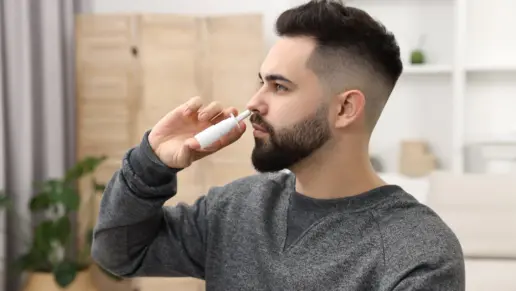
- Give naloxone (Narcan), if available. Administer one spray in one nostril. Give a second dose after two to three minutes if there is no response.
- Support breathing. If they are not breathing, give one rescue breath every five seconds.
- Stay with them. Once breathing returns, place them on their side. Do not leave them alone because naloxone can wear off, leading to a return of overdose symptoms.
Key Points
- Opioid overdose kills by stopping breathing. The body can go from slowed breathing to cardiac arrest within minutes, but most overdoses are reversible if naloxone arrives in time.
- The three classic signs of opioid overdose are pinpoint pupils, unresponsiveness, and very slow or stopped breathing. Snoring or gurgling sounds during unconsciousness are common and frequently missed.
- Naloxone is safe to give even if you are wrong about opioids being involved. Give it when in doubt.
- One dose of naloxone may not be enough for a fentanyl overdose. Be ready to give a second or third dose if breathing does not return in two to three minutes.
- Good Samaritan laws in most U.S. states protect both the caller and the person who overdosed from minor drug-related charges.
How to Recognize Signs of an Opioid Overdose
There are many signs of opioid overdose. However, you can often recognize an opioid overdose by three classic signs: pinpoint pupils, unresponsiveness and slow or stopped breathing.
The following are symptoms commonly associated with the opioid overdose triad:
3 Classic Signs
Pinpoint pupils, unresponsiveness, and slow or stopped breathing make up the opioid overdose triad.
Act Without Hesitation
If you see blue lips or irregular breathing, do not wait to be sure. Treat it as an overdose.
- Pinpoint pupils. You see that the dark center of the eye is a tiny dot, even in dim light.
- Unresponsive. The person does not wake up when you shout their name or shake them.
- Slow or stopped breathing. The person takes fewer than 10 breaths a minute, has gaps of 10 seconds or more between breaths or is not breathing at all.
You may also notice other common signs of opioid overdose. If you suspect an overdose, be on the lookout for the following:
- Blue or gray lips, fingertips or fingernails
- A bluish or gray tint inside the lips, the gums and under the nails
- Snoring, gurgling or choking sounds, sometimes called the “death rattle”
- Pale, cold, clammy skin
- A limp body
- A slack jaw
- Vomit in the mouth or nose, especially if the person is unconscious
To tell an overdose apart from sleep or heavy opioid use, try to wake the person. Shout their name. Rub your knuckles firmly into the center of the chest on the breastbone. This is referred to as a sternal rub.
If the person is asleep or very high, they usually respond in some way. If the person is overdosing, they may not respond at all. If you see blue lips or irregular breathing, do not wait to be sure. Treat it as an overdose.
The Four Steps to Respond to an Overdose
There are critical actions to take when you see signs of opioid overdose, including four important steps.
Step 1: Call 911
Call 911 immediately, before anything else, unless naloxone is already in your hand. Tell the operator that the person is unresponsive and not breathing normally. You do not need to say “overdose” or name the drug.
Give the address clearly and stay on the line if asked. If you cannot reach 911, call poison control at 1-800-222-1222, as they may be able to dispatch help.
Acting quickly matters because naloxone’s effects are temporary. It can reverse the effects of opioids, but it often wears off within 30 to 90 minutes. So, even if the person wakes up, they still need paramedics and likely hospital observation because symptoms of opioid overdose can return.
Step 2: Give Naloxone
Give naloxone right away. Spray one dose into one nostril and press the plunger all the way down. Do not test it first because each device is single-use. Wait two to three minutes. If the person is still unresponsive or not breathing, give a second dose in the other nostril.
If there is still no response, keep giving naloxone every two to three minutes until they start breathing or EMS arrives. Keep dosing if needed because a fentanyl overdose may require three or more doses.
If you are not sure opioids are involved, give naloxone anyway. It will not harm someone who has not used opioids. This is especially important because fentanyl-contaminated cocaine, meth, or counterfeit pills are common. In this case, giving Narcan can save their life.
Step 3: Support Breathing
Support breathing while you wait for the EMS. If the person is not breathing or is breathing very slowly, give rescue breaths immediately.
Tilt the head back, lift the chin and pinch the nose shut. Seal your mouth over theirs and give one breath every 5 seconds. Watch for the chest to rise. If you have a pocket mask or face shield, use it. If you do not, rescue breaths still help.
Breathing comes first, as respiratory arrest, not cardiac arrest, typically presents during an opioid overdose. In an opioid overdose, the immediate problem is a lack of oxygen. Rescue breaths help to keep oxygen moving until the medication works and emergency responders arrive.
Use hands-only chest compressions if the person has no pulse.
Step 4: Recovery Position and Stay Until Help Arrives
Once the person starts breathing on their own, roll them onto their side. Bend the top knee forward for support and tilt the head slightly back to keep the airway open. This helps prevent choking if they vomit.
Do not give food, water, or anything by mouth. Stay with them and watch their breathing until help arrives. If breathing slows again, give another dose of naloxone. Do not let them get up or leave, even if they say they feel better. Overdose symptoms can return after naloxone wears off.
Call A Treatment Provider
For a conversation about what treatment options are available to you.
Make a Call
 800-985-8516
 Sponsored Helpline
What Not to Do
It is just as important to know what not to do in an overdose situation. Do not rely on myths or panic responses:
- Do not use cold water or try to shock them awake. Baths, showers, slapping and shaking will not reverse an overdose and can cause harm.
- Do not give them anything except naloxone. Home remedies like saltwater, milk or stimulants do not work and may make things worse.
- Do not leave them in a position where they could choke. Once they are breathing on their own, place them on their side.
- Do not let them leave or stay alone. The overdose can return after naloxone wears off, so stay with them until EMS arrives.
Most importantly, do not panic and avoid calling for help. Good Samaritan laws in most states protect both you and the person who overdoses from arrest, so hesitation can be more dangerous than the call itself.
When You Suspect a Non-Opioid Overdose
If you suspect someone is overdosing, but are not sure on which substance, give naloxone anyway. This is especially important if the person is unresponsive and not breathing normally.
Use the same decision rule every time: if they are not waking up and their breathing is slow, irregular or absent, give naloxone.
This matters because illicit stimulants and counterfeit pills are often contaminated with fentanyl. Even when someone thinks they took only cocaine or methamphetamine, an opioid may be the real reason they stop breathing. Naloxone will not reverse stimulant overdose symptoms, but it can still reverse any opioid component, which may be what keeps them alive.
Your response in this situation does not change: Call 911, give naloxone, support breathing if needed and stay with the person.
The same rule applies to Xylazine, sometimes called “tranq.” Xylazine does not respond to naloxone, but the fentanyl that often accompanies it does. Always give naloxone.
Good Samaritan Laws and Calling 911 Without Fear
Know this: Good Samaritan laws are state laws that can protect you and the person overdosing when you call 911 and other emergency numbers to report signs of an opioid overdose.
In most states, these laws give some level of legal immunity from minor drug possession charges for the person who called and the person who overdosed. However, the exact coverage depends on the state, as some laws are broad, while others are narrower or limited to specific situations.
Understand the limits, too. These laws do not typically protect against outstanding warrants, drug trafficking charges, weapons charges or probation or parole violations. Even so, in almost every overdose situation, calling 911 is still the right move. Waiting costs minutes, which are crucial when someone is not breathing.
If you want to understand the specifics, look up your state’s overdose Good Samaritan law on your state attorney general’s website.
Where to Get Naloxone (Narcan)
Naloxone is much easier to get than it used to be. Since the FDA approved Narcan nasal spray for over-the-counter sale in 2023, you can buy it without a prescription at most pharmacies and many independent drugstores. Generic naloxone nasal sprays are also widely available.
$40 to $50
Out-of-pocket cost for a two-dose box of Narcan nasal spray at most pharmacies. Many insurance plans and Medicaid programs cover naloxone at little or no cost.
OTC Since 2023
The FDA approved Narcan nasal spray for over-the-counter sale in 2023. No prescription is needed to buy it at most pharmacies and many independent drugstores.
Out of pocket, a two-dose box typically costs between $40 and $50. Many insurance plans cover naloxone, and Medicaid or state overdose prevention programs often make it available at no cost.
You can also get free naloxone through harm reduction groups, syringe service programs, state health departments and some public libraries. In many areas, NEXT Distro can help connect people to free naloxone by mail.
Carry naloxone if you use opioids, live with someone who does or could realistically be the first person on scene. For step-by-step instructions, see our guide on how to use Narcan.
What Happens After You See Signs of an Opioid Overdose
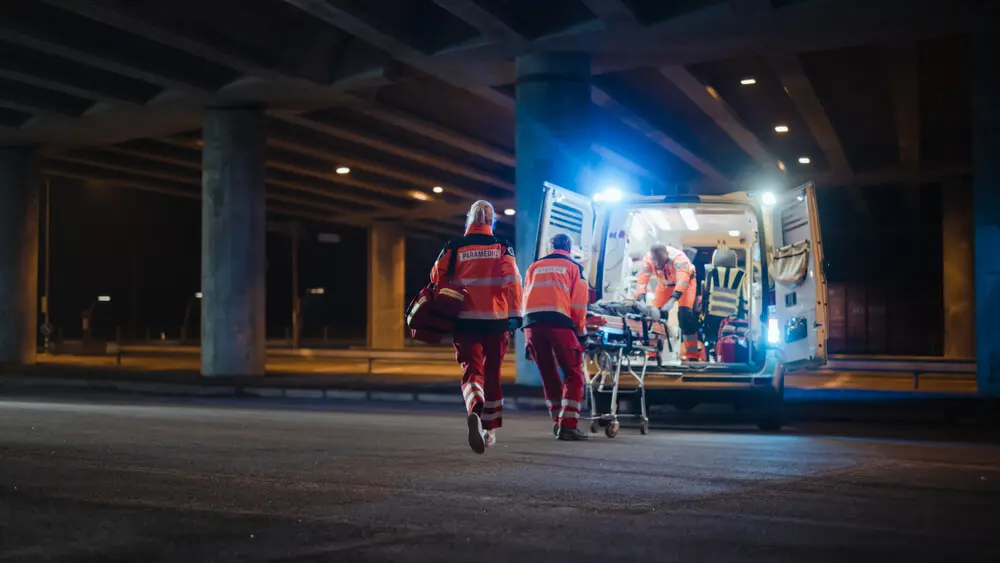
Reversing an opioid overdose with naloxone is the first step. In some cases, especially when a long-acting opioid is involved, the effect of naloxone can wear off within 30 to 90 minutes, so an additional dose may be required. This is why the person who has overdosed needs to stay with paramedics or in the hospital until the opioid has fully cleared the body.
It is important to keep in mind that naloxone can trigger precipitated withdrawal in someone with opioid dependence. This typically results in sudden nausea, sweating, vomiting, agitation and body aches. While harsh, the symptoms are not dangerous. Giving the naloxone was still the right call. Encourage them to stay for medical care, even if they want to leave.
30 to 90 Minutes
How long before naloxone can wear off. Long-acting opioids and fentanyl can outlast the medication, making hospital observation essential even after the person wakes up.
4 to 6 Minutes
The window before oxygen deprivation can begin to injure the brain. Most survivors recover fully when naloxone and rescue breathing arrive quickly.
Time matters because a lack of oxygen can injure the brain within roughly four to six minutes. The faster naloxone and rescue breathing arrive, the lower the chance of lasting harm. In fact, most survivors recover fully when help comes quickly.
The days after an overdose are critical, as this is a period of highest receptivity for treatment. Many times, just after an overdose, people are open to starting care, whether through detox, inpatient or outpatient programs. As well, starting a medication-assisted treatment (MAT) program that utilizes FDA-approved medications such as buprenorphine or methadone can reduce the risk of another overdose.
Frequently Asked Questions (FAQs)
Try to wake them. Shout their name. Rub your knuckles firmly into the breastbone (sternal rub). Someone very high will respond, even if slowly. Someone overdosing on opioids will not. If their lips are blue, their breathing is slow or stopped or they will not respond to a sternal rub, treat it as an overdose and call 911.
Yes. Naloxone does not affect someone who has not used opioids. If you are not sure what the person took, give naloxone anyway. The cost of being wrong is zero. The cost of waiting is sometimes a life.
Start with one dose. Wait two to three minutes. If there is no response, give a second dose in the other nostril. Modern fentanyl overdoses sometimes require three or more doses. Keep giving naloxone every two to three minutes until breathing returns or EMS arrives.
Use a phone first. Call 911 from wherever you are. Only leave the person if no phone is available and you have no other option. Place them on their side first, give naloxone if you have it, and then go.
In most U.S. states, no. Good Samaritan laws protect both the caller and the person who overdosed from minor drug possession charges. These laws do not cover outstanding warrants, trafficking charges or weapons charges. But for most overdose situations, calling is the right call.
Yes. Naloxone wears off in 30 to 90 minutes. Long-acting opioids and fentanyl can keep working after naloxone has worn off, and the overdose can return. This is why staying with the person until EMS arrives or getting them to the hospital is part of the response and not optional.
Find Treatment for Opioid Use Disorder
An opioid overdose is a serious warning sign that an opioid use disorder is out of control. However, treatment can be started quickly, and recovery is possible. The days right after an overdose are often when a person is most open to help, so this window matters.
Insurance coverage for opioid use disorder treatment is widely available, including through many private plans and Medicaid. If you are ready to take the next step, use our treatment center directory to find programs that can begin care quickly, including options with rapid intake and same-day buprenorphine initiation.
Find Opioid Addiction Treatment Centers
Finding facilities near you…