











Five stars! They really know how to make you feel renovated. You never feel judged, the staff is very knowledgeable and kind.
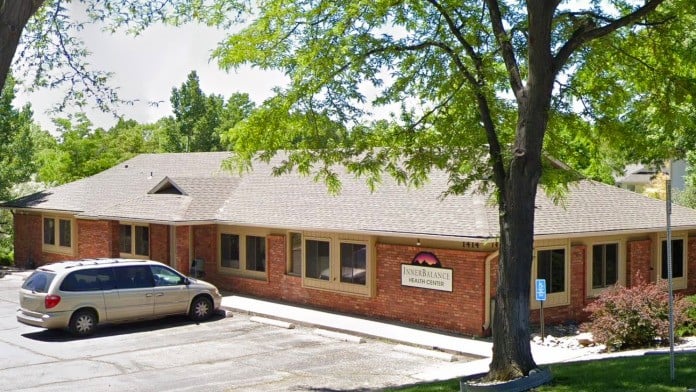
InnerBalance Health Center
1
Top 10 Rehab Centers In Loveland



















































































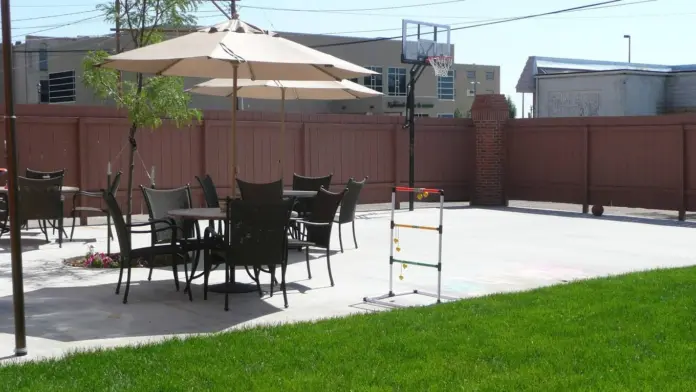
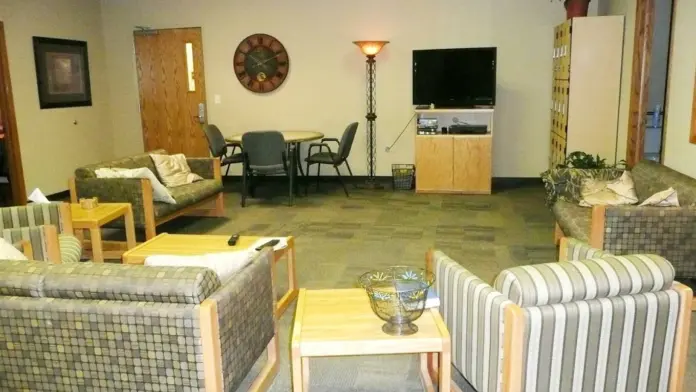
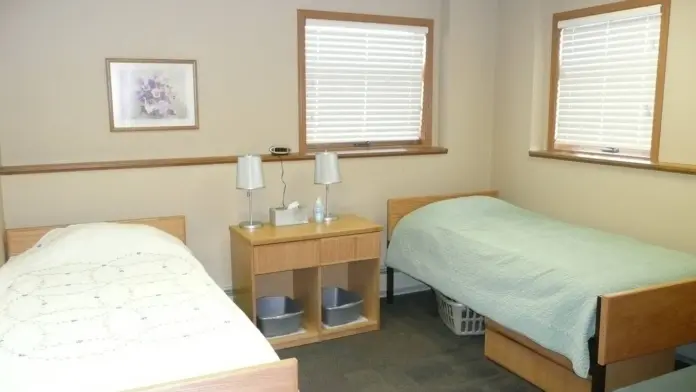
The residential facility has room for 16 beds. Please note that there may be a waitlist. When a bed opens, you might only have a few hours or a day to report. Once you check in, there’ll be an assessment and an individualized treatment plan set up for you. The mornings may be devoted to group therapy, AA meetings, and other types of counseling. After lunch, you’ll have some free time for self healing. Church centered programs and anger management classes are typical examples of the services that clients opt for. Depending on the program equine therapy may be available. There is also a rec center, dining hall, and gym.
The outpatient program can have sessions spanning a half a day, usually in the mornings. Or they may last just an hour, depending on your needs. If you have shorter sessions, you’ll be able to attend in the evenings, if that works better for your schedule. You’ll be eligible for medication assisted treatment to help control urges and prevent relapse.
 29
29 
 Our Methodology


Medicare is a federal program that provides health insurance for those 65 and older. It also serves people under 65 with chronic and disabling health challenges. To use Medicare for addiction treatment you need to find a program that accepts Medicare and is in network with your plan. Out of pocket costs and preauthorization requirements vary, so always check with your provider.
Medicaid is a state based program that helps lower-income individuals and families pay for healthcare. Medicaid covers addiction treatment so those enrolled can use their coverage to pay for rehab. When a program accepts Medicaid the client often pays very little or nothing out of their own pocket.
Private insurance refers to any kind of healthcare coverage that isn't from the state or federal government. This includes individual and family plans offered by an employer or purchased from the Insurance Marketplace. Every plan will have different requirements and out of pocket costs so be sure to get the full details before you start treatment.
Self-pay involves paying for treatment out of your own pocket. You can use savings or credit, get a personal loan, or receive help from family and friends to fund your treatment. If you don't have insurance or your insurance plan doesn't cover a specific program, self-pay can help ensure you still get the care you need.
Military members, veterans, and eligible dependents have access to specific insurance programs that help them get the care they need. TRICARE and VA insurance can help you access low cost or no cost addiction and mental health treatment. Programs that accept military insurance often have targeted treatment focused on the unique challenges military members, veterans, and their families face.
Private insurance refers to any kind of healthcare coverage that isn't from the state or federal government. This includes individual and family plans offered by an employer or purchased from the Insurance Marketplace. Every plan will have different requirements and out of pocket costs so be sure to get the full details before you start treatment.
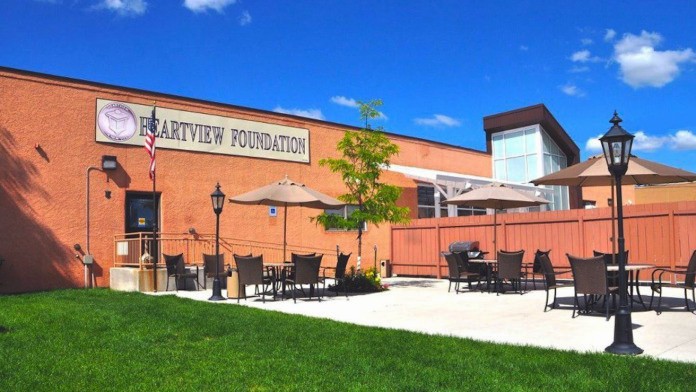
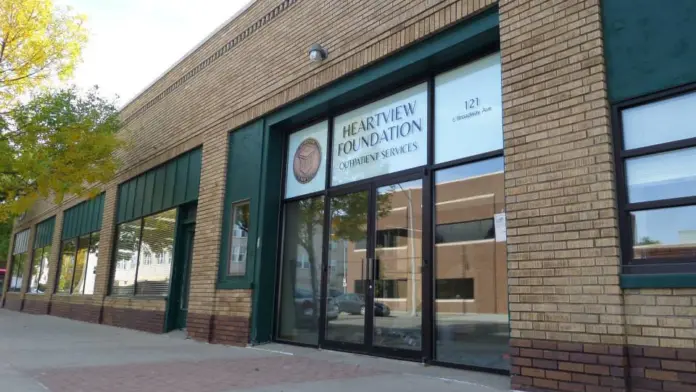
Outpatient services are for patients 14 years and older who are able to live sober in their home environment and come to Heartview on a regular basis for treatment. This level of care is highly individualized, and is usually for patients who completed treatment at one time, and need additional followup care. This service may consist of a limited number of individual or group counseling sessions, relapse prevention, education, family programming or other care as needed.
Drug and alcohol addiction often takes a heavy toll on one's body. Over time, a physical dependence can develop, meaning the body physiologically needs the substance to function. Detox is the process of removing drugs and/or alcohol from the body, a process that can be lethal if mismanaged. Medical detox is done by licensed medical professionals who monitor vital signs and keep you safe, healthy, and as comfortable as possible as you go through detox and withdrawal.
This program is a step down from Partial Hospitalization/Day Treatment. Patients in this level attend treatment three or four days per week. A day or evening option is available. Treatment includes group therapy, lectures, nursing evaluation and followup, acupuncture (if desired) and chaplain services. Treatment is scheduled on Monday 8 – 3pm, Tuesday through Thursday 8 – noon and Fridays (optional) from 8-noon. Most patients attend 20 sessions of day treatment. An evening option is available, which meets Monday, Tuesday and Thursday evenings from 6:00 pm to 9:00 pm. Most patients attend 24 sessions of evening treatment.
Residential treatment programs are those that offer housing and meals in addition to substance abuse treatment. Rehab facilities that offer residential treatment allow patients to focus solely on recovery, in an environment totally separate from their lives. Some rehab centers specialize in short-term residential treatment (a few days to a week or two), while others solely provide treatment on a long-term basis (several weeks to months). Some offer both, and tailor treatment to the patient's individual requirements.
12-step programs are addiction recovery models based on Alcoholics Anonymous (AA). A number of substance abuse programs (including some drug and alcohol rehab centers) use the 12 steps as a basis for treatment. Beginning steps involve admitting powerlessness over the addiction and creating a spiritual basis for recovery. Middle steps including making direct amends to those who've been hurt by the addiction, and the final step is to assist others in addiction recovery in the same way. 12-Step offshoots including Narcotics Anonymous (NA), Cocaine Anonymous (CA), Dual Recovery Anonymous (DRA), Sex and Love Addicts Anonymous (SLAA) and Gamblers Anonymous (GA).
This service is highly recommended after you have completed one or more of the service levels. The purpose is to help you maintain sobriety on a long-term basis. Aftercare groups meet once per week. The full aftercare program is 20 sessions in length. There are several day and evening options available.
In a partial hospitalization program (PHP), you'll experience intensive rehab with the ability to return home each day. PHP treatment is recommended for those with moderate to severe addictions that don't require 24/7 care. A partial hospitalization program serves as an alternative to inpatient hospitalization or as a step-down option. Throughout the week, you'll attend meetings for 4-8 hours each day, up to 3-5 days a week, for an average of 90 days. Medication management, evidence-based therapies, and relapse prevention are typical components of PHP treatment.
The goal of treatment for alcoholism is abstinence. Those with poor social support, poor motivation, or psychiatric disorders tend to relapse within a few years of treatment. For these people, success is measured by longer periods of abstinence, reduced use of alcohol, better health, and improved social functioning. Recovery and Maintenance are usually based on 12 step programs and AA meetings.
The goal of drug rehab in North Dakota is to help individuals overcome addiction. These programs provide treatment for both mind and body and teach participants how to live healthy, productive lives without drug abuse.
Opioid rehabs specialize in supporting those recovering from opioid addiction. They treat those suffering from addiction to illegal opioids like heroin, as well as prescription drugs like oxycodone. These centers typically combine both physical as well as mental and emotional support to help stop addiction. Physical support often includes medical detox and subsequent medical support (including medication), and mental support includes in-depth therapy to address the underlying causes of addiction.
Substance rehabs focus on helping individuals recover from substance abuse, including alcohol and drug addiction (both illegal and prescription drugs). They often include the opportunity to engage in both individual as well as group therapy.
Adult rehab programs include therapies tailored to each client's specific needs, goals, and recovery progress. They are tailored to the specific challenges adult clients may face, including family and work pressures and commitments. From inpatient and residential treatment to various levels of outpatient services, there are many options available. Some facilities also help adults work through co-occurring conditions, like anxiety, that can accompany addiction.
Young adulthood can be an exciting, yet difficult, time of transition. Individuals in their late teens to mid-20s face unique stressors related to school, jobs, families, and social circles, which can lead to a rise in substance use. Rehab centers with dedicated young adult programs will include activities and amenities that cater to this age group, with an emphasis on specialized counseling, peer socialization, and ongoing aftercare.
Family programming is an essential part of all treatment categories at Heartview. They understand that addiction profoundly affects the family (or significant others), and healing must occur for both the patient and the family. Family members are often involved in the assessment process, helping them understand your alcohol or drug use and the problems it has caused. Once you are in treatment, they support and educate your family members as they deal with understanding your disease, treatment, and healing process. At the point you are ready, Your family members (or significant others) will come to Heartview and receive help in understanding addiction.
Group therapy is any therapeutic work that happens in a group (not one-on-one). There are a number of different group therapy modalities, including support groups, experiential therapy, psycho-education, and more. Group therapy involves treatment as well as processing interaction between group members.
In individual therapy, a patient meets one-on-one with a trained psychologist or counselor. Therapy is a pivotal part of effective substance abuse treatment, as it often covers root causes of addiction, including challenges faced by the patient in their social, family, and work/school life.
Unlike some therapeutic methods, cognitive behavioral therapy in North Dakota focuses on the present rather than the past. The goal is to move forward with new patterns of thinking and behavior that are healthy and productive.
Motivational interviewing helps you find internal motivation to change. If you're feeling insecure about your ability to change or ambivalent about the need for change, this method can help you explore your options and motivations.
Trauma therapy aims to help you heal from the emotional and physical effects that are common after witnessing or experiencing a traumatic event. Working with a therapist, you learn to process the experience and develop healthy coping strategies that reduce your anxiety and improve your self confidence.
Your dialectical behavior therapy sessions in North Dakota will include individual and group formats. During group sessions, you may participate in group exercises such as role play. You'll also have homework assignments each week to practice the skills you're learning and to keep a diary of your emotions. Diary entries will guide your weekly one on one sessions.
 Private Transportation
  Residential Setting
  Private Rooms
Executive Director
Chief Clinical Officer
Medical Director
CFO

The Joint Commission, formerly known as JCAHO, is a nonprofit organization that accredits rehab organizations and programs. Founded in 1951, the Joint Commision's mission is to improve the quality of patient care and demonstrating the quality of patient care.
Joint Commission Accreditation: Yes
Rehab.com regularly reviews this listing for accuracy but changes may occur between updates. For the most up-to-date information, please contact Heartview.

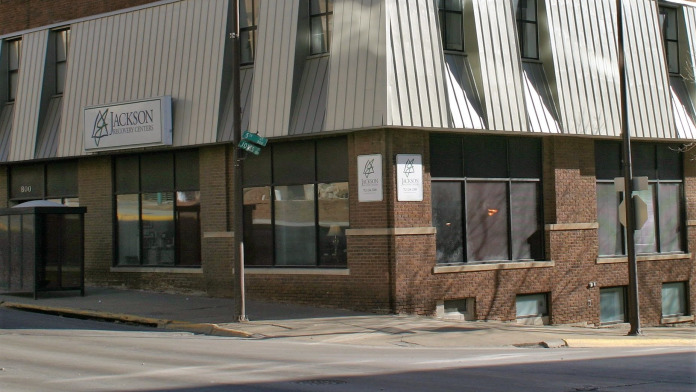
101 East Broadway Avenue
Bismarck, ND 58501
Sponsored Helpline
Five stars! They really know how to make you feel renovated. You never feel judged, the staff is very knowledgeable and kind.

I already posted, but I was reading over the other ones and yes, six and seven years ago the place was amazing.I went there and got sober before I relapsed this last time.But now it is the worst treatment facility I have ever been to.And I have been to a few. so do not go there people. go to the bismarck facility instead


They make it next to impossible to get in. Unless you are falling down drunk when you walk in the door, don't bother trying.
 Back
Back
Sharing your insights and experiences can help others learn more about this rehab center.
 Written By: Peter Lee
PhD
Written By: Peter Lee
PhD