






























































































Every time I went for my appointments, the receptionists acted as if I was a burden. I always waited more than 30 mins before asking one more time for my doctor and only then being informed he had some complications and would come 2 hrs later or not even come. No nutrition p ...
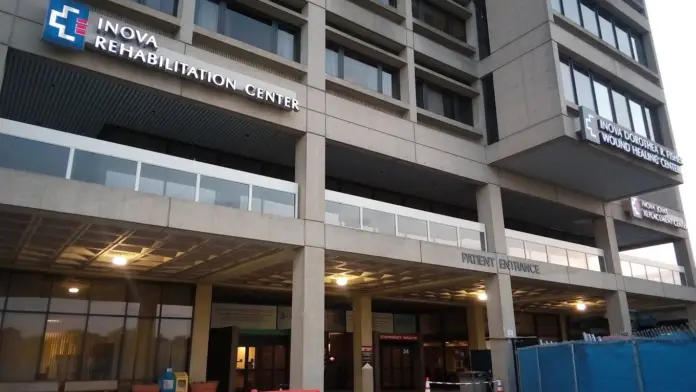
About Inova Mount Vernon Hospital
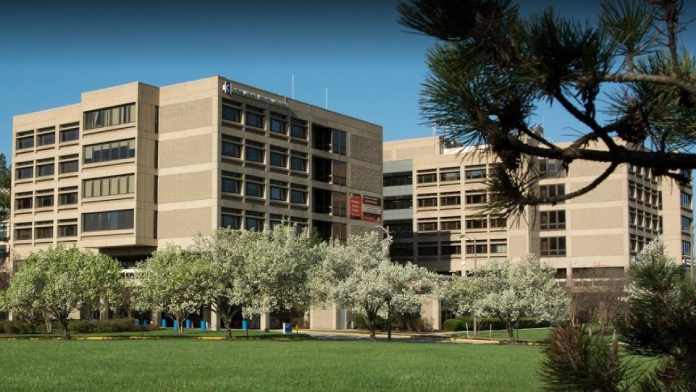
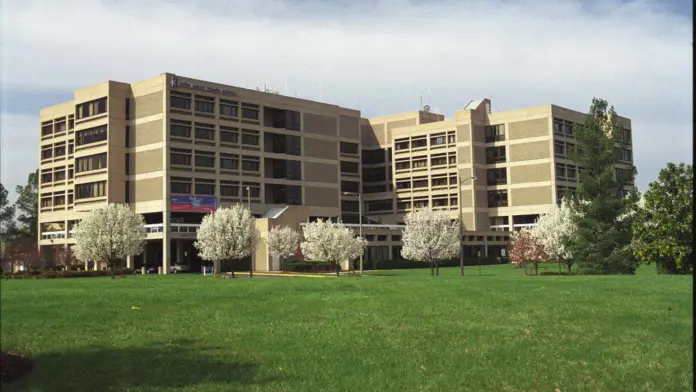
Inova Mount Vernon Hospital is a substance use treatment provider in Alexandria, Virginia offering hospital based behavioral health care as part of the larger Inova health system.
The hospital provides inpatient behavioral health services around the clock connecting to Inova’s Comprehensive Addiction Treatment Services (CATS) program for detox and outpatient care as well as medication assisted treatment.
As a regional behavioral health leader within a full service medical hospital it’s a strong option for adults with co-occurring medical needs.
What addiction treatment programs are offered?
Inova Behavioral Health Services provides inpatient detox with 24-hour medical monitoring and symptom management, group and client therapy, and family education.
The CATS program adds outpatient care and partial hospitalization, intensive outpatient programming and relapse prevention, early recovery support, sober living support, and medication-assisted treatment.
Who can get help here?
The CATS program treats adults with substance use disorders including those establishing sobriety with or without other mental health diagnoses. Care is patient-centered, and family-focused, evidence-based, and trauma-informed.
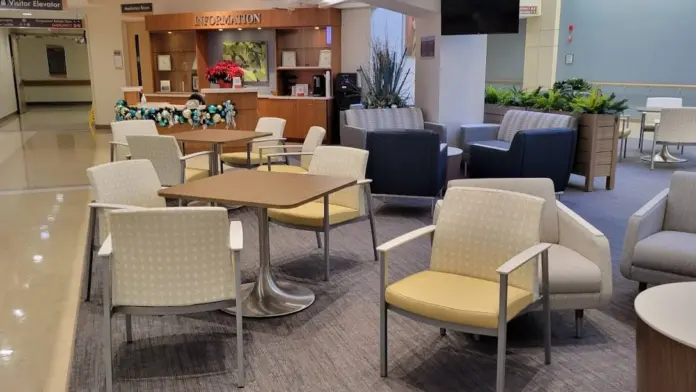
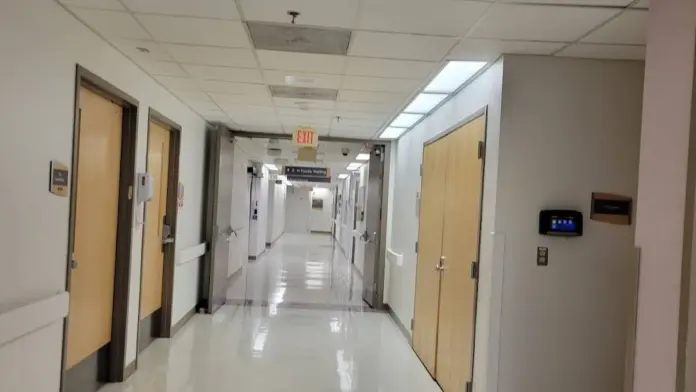
The hospital offers free parking and a meditation room, a cafeteria, and a quiet healing environment. It is open 24 hours a day seven days a week.
Do they take insurance or self-pay?
Inova provides charge transparency tools so patients can estimate out-of-pocket costs. Uninsured patients who don’t qualify for financial assistance may still be eligible for a self pay discount on most inpatient and outpatient services.
Facility Overview
 237
237 Number of Available Beds
Latest Reviews
I cannot say enough good about the staff at this hospital. They were patient, compassionate, attentive and went above and beyond for me during my stay after another hospital AND an urgent care failed me. I arrived feeling hopeless, let down and incredibly sick and left feeling hopeful, cared for and immensely better within only a few days.
Response from the owner1 week ago
Our team aims to deliver the highest quality patient care. We love to hear about these positive experiences. Thanks for sharing this feedback with us.
My five star rating is based on my observation and communication while my 93 years old mom (who doesn't remember much of anything) was being treated for UTI and pneumonia. The staff was phenomenal. The staff in the emergency were great, but special thanks goes to the staff on the 4th floor. Dr. Molla, the nurses (Fraoi, Michelle, Elizabeth, Ramata, Lineth), the techs (Tammie and Mireille). Also, thanks to the kind people taking food orders and those that delivered it. And the cleaning ladies were also very polite. I'm sure I forgot a few but thanks to everyone.
Response from the owner1 week ago
We strive to provide the highest quality in patient care. Thank you so much for taking the time to share your feedback.
My husband had Spinal Surgery by Dr. Mo on June 30 , 2026, Spinal Fusion and Laminectoy L3 to S1. My husband was hesitant to have surgery done as he was expecting a painful recovery . I was glad they gave him around the clock high dose of narcotics and muscle relaxants. Stayed in the hospital for 3 days and pain medication cut down to half a dose upon discharge .Pain medicine was tapered down to off after 25 days . Now 6 weeks after still getting stronger walking with walker and switching to cane sometimes . He is comfortable recuperating . Dr Mo is a very competent surgeon . The hospital is very clean . Nurses were great I was glad the surgery was done as my husband was in severe discomfort which was getting worst and epidural steroids was not holding on one month prior to the surgery . .
Response from the owner1 week ago
We strive to provide the highest quality in patient care. Thank you so much for taking the time to share your feedback. 
Rehab Score
 Our Methodology
Scoring is assigned by a proprietary system which helps surface key metrics that determine quality. The 10-point scale factors in categories such as operations, customer satisfaction, and trust metrics. Read Full Methodology

7.1 / 10
Gallery

Accepted Insurance
Other Forms of Payment
Private insurance refers to any kind of healthcare coverage that isn't from the state or federal government. This includes individual and family plans offered by an employer or purchased from the Insurance Marketplace. Every plan will have different requirements and out of pocket costs so be sure to get the full details before you start treatment.
Self-pay involves paying for treatment out of your own pocket. You can use savings or credit, get a personal loan, or receive help from family and friends to fund your treatment. If you don't have insurance or your insurance plan doesn't cover a specific program, self-pay can help ensure you still get the care you need.
Financial aid can take many forms. Centers may have grants or scholarships available to clients who meet eligibility requirements. Programs that receive SAMHSA grants may have financial aid available for those who need treatment as well. Grants and scholarships can help you pai for treatment without having to repay.
Medicare is a federal program that provides health insurance for those 65 and older. It also serves people under 65 with chronic and disabling health challenges. To use Medicare for addiction treatment you need to find a program that accepts Medicare and is in network with your plan. Out of pocket costs and preauthorization requirements vary, so always check with your provider.
Medicaid is a state based program that helps lower-income individuals and families pay for healthcare. Medicaid covers addiction treatment so those enrolled can use their coverage to pay for rehab. When a program accepts Medicaid the client often pays very little or nothing out of their own pocket.
Military members, veterans, and eligible dependents have access to specific insurance programs that help them get the care they need. TRICARE and VA insurance can help you access low cost or no cost addiction and mental health treatment. Programs that accept military insurance often have targeted treatment focused on the unique challenges military members, veterans, and their families face.
Addiction Treatments
Levels of Care
Outpatient rehabs offer community-based addiction treatment, enabling clients to remain in their homes while in recovery. Their levels of care typically include partial hospitalization (PHP), intensive outpatient (IOP), standard outpatient, and sober living programming. Most outpatient facilities offer addiction counseling and recovery-focused life skills training. Integrative programs include evidence-based holistic therapies, such as meditation, music therapy, and massage. Facilities specializing in alcohol and/or opioid addiction may also provide medication assisted treatment (MAT).
Residential treatment programs are those that offer housing and meals in addition to the mental health treatment. Their inpatient treatment provides a safe environment for residents to recover. The staff include psychiatrists, nurse practitioners, counselors, and case managers. Additionally, ECT is provided on a case by case basis.
A partial hospitalization program (PHP) offers a structured environment for intensive treatment of behavioral and substance use disorders. PHP treatment can consist of sessions ranging from 6-8 hours per day for an average of 90 days. You can often expect to engage in behavioral therapies, such as cognitive-behavioral therapy (CBT) and dialectical behavior therapy (DBT), and receive medication. PHP treatment is often covered either fully or partially by insurance providers.
Known as the first step of the addiction recovery process, medical detox is the removal of addictive drugs and alcohol from your body and helping manage physical withdrawal. Medically assisted detox takes place in an inpatient setting where you will be closely monitored by a team of medical professionals to ensure your maximum health and safety. Medications like Suboxone or Vivitrol may be administered if needed to alleviate any potential withdrawal symptoms. This process is typically at least partially covered by most insurance plans.
Treatments
Mental health rehabs focus on helping individuals recover from mental illnesses like bipolar disorder, clinical depression, anxiety disorders, schizophrenia, and more. Mental health professionals at these facilities are trained to understand and treat mental health issues, both in individual and group settings.
Programs
Adult rehab programs include therapies tailored to each client's specific needs, goals, and recovery progress. They are tailored to the specific challenges adult clients may face, including family and work pressures and commitments. From inpatient and residential treatment to various levels of outpatient services, there are many options available. Some facilities also help adults work through co-occurring conditions, like anxiety, that can accompany addiction.
Young adulthood can be an exciting, yet difficult, time of transition. Individuals in their late teens to mid-20s face unique stressors related to school, jobs, families, and social circles, which can lead to a rise in substance use. Rehab centers with dedicated young adult programs will include activities and amenities that cater to this age group, with an emphasis on specialized counseling, peer socialization, and ongoing aftercare.
Clinical Services
Group therapy is any therapeutic work that happens in a group (not one-on-one). There are a number of different group therapy modalities, including support groups, experiential therapy, psycho-education, and more. Group therapy involves treatment as well as processing interaction between group members.
In individual therapy, a patient meets one-on-one with a trained psychologist or counselor. Therapy is a pivotal part of effective substance abuse treatment, as it often covers root causes of addiction, including challenges faced by the patient in their social, family, and work/school life.
Nutrition therapy teaches you what to eat and not eat, how to grocery shop, how to cook easy nutritious meals, and how to use food as medicine to address your health issues. These skills will help speed up your recovery process and reduce the risk of relapse.
Recreational therapy (aka therapeutic recreation) uses creative and fun activities to help with addiction recovery. Recreational therapists lead patients in entertaining and engaging activities like sports or games; art (drawing, painting, sculpture); drama, music, and dance; and/or community outings (field trips) to improve patients' physical, social, and emotional well-being.
Amenities
-
 Private Rooms
Staff & Accreditations
Staff
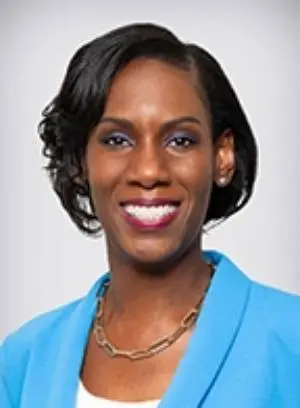
Roberta A. Tinch, MHA, FACHE
President
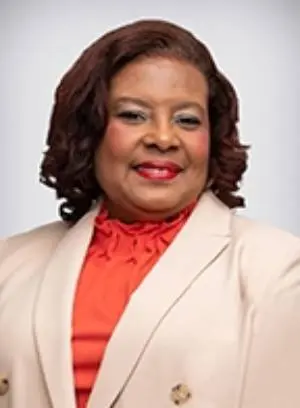
Alquietta Brown, RN, BSN, MHSA, PhD
Chief Nursing Officer

Ibrahim "Pete" Hanna, MD, FACS
Chief Medical Officer
Accreditations

State Licenses are permits issued by government agencies that allow rehab organizations to conduct business legally within a certain geographical area. Typically, the kind of program a rehab facility offers, along with its physical location, determines which licenses are required to operate legally.
State License: Virginia

The Joint Commission, formerly known as JCAHO, is a nonprofit organization that accredits rehab organizations and programs. Founded in 1951, the Joint Commision's mission is to improve the quality of patient care and demonstrating the quality of patient care.
Joint Commission Accreditation: Yes
Rehab.com regularly reviews this listing for accuracy but changes may occur between updates. For the most up-to-date information, please contact Inova Mount Vernon Hospital.
Contact Information

2501 Parkers Lane
Alexandria, VA 22306
Get Help Now - 703-214-2471
Sponsored Helpline
Sponsored Helpline

