



























































































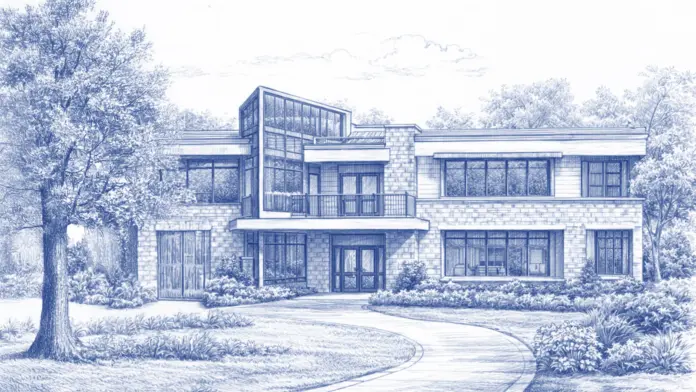
About Landmark Recovery of Richmond – Closed
Landmark Recovery of Richmond, Virginia offered a full continuum of care to individuals with co-occurring mental health and substance use disorders. In addition to accepting most private insurance, they worked with clients to offer financial guidance and assistance with navigating insurance coverage.
Staff focused on providing personalized care and a commitment to long term recovery. Landmark Recovery of Richmond is now closed.
Effective Treatment Modalities and Facility Amenities
This facility offered individual, group and family counseling through their inpatient, outpatient, intensive outpatient and partial hospitalization programs. Medically supervised detox was available to assist clients through withdrawal symptoms safely and comfortably. They provided medication assisted treatment (MAT) for both opioid and alcohol dependencies.
Modalities such as cognitive behavioral therapy (CBT), dialectical behavioral therapy (DBT) and 12 step facilitation were employed. I like that there was a focus on aftercare and relapse prevention planning as well as a strong alumni support program. Facility amenities included private and semiprivate rooms, recreational and lounge spaces, nutritious meals prepared onsite, and opportunities for fitness and exercise.
Compassionate Staff and Supportive Environment
I noticed that former clients praised the compassionate staff and supportive environment. They highlighted the quality of care, clean facilities and post treatment support received. Several described the experience as life changing.
Richmond is home to a variety of outdoor spaces that supplemented a client’s recovery journey. James River Park offered clients a place for fishing, birdwatching, mountain biking and hiking, as well as guided rafting and tubing adventures on the water. Individuals were also able to enjoy Maymont, which is a picturesque 33 room estate on 100 acres of land, featuring an arboretum, an Italian garden, a Japanese garden, and a children’s farm.

Rehab Score
 Our Methodology


Gallery
Other Forms of Payment
Self-pay involves paying for treatment out of your own pocket. You can use savings or credit, get a personal loan, or receive help from family and friends to fund your treatment. If you don't have insurance or your insurance plan doesn't cover a specific program, self-pay can help ensure you still get the care you need.
Private insurance refers to any kind of healthcare coverage that isn't from the state or federal government. This includes individual and family plans offered by an employer or purchased from the Insurance Marketplace. Every plan will have different requirements and out of pocket costs so be sure to get the full details before you start treatment.
Addiction Treatments
Levels of Care
Outpatient rehabs offer community-based addiction treatment, enabling clients to remain in their homes while in recovery. Their levels of care typically include partial hospitalization (PHP), intensive outpatient (IOP), standard outpatient, and sober living programming. Most outpatient facilities offer addiction counseling and recovery-focused life skills training. Integrative programs include evidence-based holistic therapies, such as meditation, music therapy, and massage. Facilities specializing in alcohol and/or opioid addiction may also provide medication assisted treatment (MAT).
Residential treatment programs are those that offer housing and meals in addition to substance abuse treatment. Rehab facilities that offer residential treatment allow patients to focus solely on recovery, in an environment totally separate from their lives. Some rehab centers specialize in short-term residential treatment (a few days to a week or two), while others solely provide treatment on a long-term basis (several weeks to months). Some offer both, and tailor treatment to the patient's individual requirements.
Once involved in a 12 step recovery program, clients can commit to a model of life-long recovery rooted in spiritual growth and intensive peer support. 12 step meetings are anonymous, peer-led, free, and accessible day and night, year-round, in most communities. Self-selected sponsors provide one-on-one coaching as participants work through the steps of recovery. These steps are based on spiritual principles used to address the origins of the addiction and to encourage self-compassion, forgiveness, acceptance, and accountability.
A partial hospitalization program (PHP) is a short-term form of intensive rehab, usually for those with acute symptoms that are hard to manage but don’t require 24-hour care. PHPs have structured programming (i.e. individual and/or group therapy), and usually meet 3-5 days a week for around 6 hours (i.e. 9am-3m). Some PHPs are residential (patients sleep on site) and some are not, so patients sleep at home. PHPs can last from 1-6 months, and some offer transportation and meals.
Drug and alcohol addiction often takes a heavy toll on one's body. Over time, a physical dependence can develop, meaning the body physiologically needs the substance to function. Detox is the process of removing drugs and/or alcohol from the body, a process that can be lethal if mismanaged. Medical detox is done by licensed medical professionals who monitor vital signs and keep you safe, healthy, and as comfortable as possible as you go through detox and withdrawal. The length of stay at the detoxification program is determined according to the specific needs of the patient.
Treatments
Substance rehabs focus on helping individuals recover from substance abuse, including alcohol and drug addiction (both illegal and prescription drugs). They often include the opportunity to engage in both individual as well as group therapy.
Programs
Adult rehab programs include therapies tailored to each client's specific needs, goals, and recovery progress. They are tailored to the specific challenges adult clients may face, including family and work pressures and commitments. From inpatient and residential treatment to various levels of outpatient services, there are many options available. Some facilities also help adults work through co-occurring conditions, like anxiety, that can accompany addiction.
Clinical Services
Group therapy is any therapeutic work that happens in a group (not one-on-one). There are a number of different group therapy modalities, including support groups, experiential therapy, psycho-education, and more. Group therapy involves treatment as well as processing interaction between group members.
In individual therapy, a patient meets one-on-one with a trained psychologist or counselor. Therapy is a pivotal part of effective substance abuse treatment, as it often covers root causes of addiction, including challenges faced by the patient in their social, family, and work/school life.
Accreditations

The Joint Commission, formerly known as JCAHO, is a nonprofit organization that accredits rehab organizations and programs. Founded in 1951, the Joint Commision's mission is to improve the quality of patient care and demonstrating the quality of patient care.
Joint Commission Accreditation: Yes
