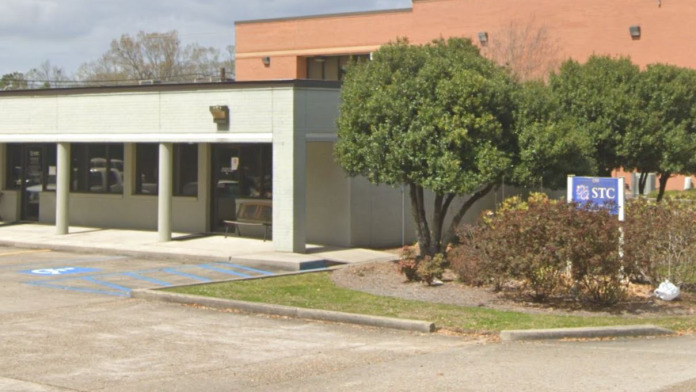
St. Christopher's Addiction Wellness Center
1
Top 10 Rehab Centers In Baton Rouge































































































Lucent Recovery and Wellness provides a comprehensive suite of mental health outpatient services in Austin, Texas. With offering including PHP, IOP, transitional services, and housing we provide individualized care for a broad spectrum of mental health disorders.



 Our Methodology


Private insurance refers to any kind of healthcare coverage that isn't from the state or federal government. This includes individual and family plans offered by an employer or purchased from the Insurance Marketplace. Every plan will have different requirements and out of pocket costs so be sure to get the full details before you start treatment.
Self-pay involves paying for treatment out of your own pocket. You can use savings or credit, get a personal loan, or receive help from family and friends to fund your treatment. If you don't have insurance or your insurance plan doesn't cover a specific program, self-pay can help ensure you still get the care you need.
Commonly known as "day treatment," a partial hospitalization program (PHP) offers intensive addiction treatment while allowing you to return home each day. It can serve as an alternative to inpatient hospitalization or as a step-down option. Depending on your needs, PHP treatment typically averages 90 days with a weekly requirement of 6-8 hours a day. PHP treatment offers a variety of therapeutic interventions such as individual counseling, group therapy, and psychoeducation. Oftentimes PHP treatment can be fully covered by insurance.
Intensive outpatient programs offer high-level care for clients as an increased risk of relapse, including those in early recovery, those with a strong history of relapse, and those experiencing a crisis. Intensive outpatient treatment typically requires clients to engage in nine to 20 hours of care weekly, with treatment modalities that combine psychotherapy and recovery education, and holistic therapies, such as acupuncture and animal therapy. Medication assisted treatment (MAT) is also common in alcohol and/or opioid recovery.
After completing some form of inpatient care, many clients transition or step down to an outpatient rehab, while some choose to transition from detox directly into outpatient care. High-intensity outpatient programming, including partial hospitalization (PHP) and intensive outpatient (IOP) is widely available for clients in early recovery, those leaving detox, and those at an elevated relapse risk. Clients in outpatient care generally engage in robust addiction counseling and recovery education, and some also receive medication assisted treatment (MAT).
Rehab aftercare programs are based on a model of continuing care and the premise that recovery is a life-long process requiring ongoing client support. Many rehab aftercare services include outpatient care, but clients often continue to receive support after being discharged from formal treatment. Case managers and care teams typically collaborate with clients to design their long-term care plan, which may include peer coaching, career counseling, and 12 step program induction, among other services.
With a co-occurring drug or alcohol addiction and a mental health disorder, you'll want to seek out a dual diagnosis treatment center. These specialized rehabs offer services to address both conditions at the same time, including 24/7 access to medical and mental health professionals. By treating both disorders at the same time, it drastically increases your chances of successful long-term recovery.
Adult rehab programs include therapies tailored to each client's specific needs, goals, and recovery progress. They are tailored to the specific challenges adult clients may face, including family and work pressures and commitments. From inpatient and residential treatment to various levels of outpatient services, there are many options available. Some facilities also help adults work through co-occurring conditions, like anxiety, that can accompany addiction.
Young adulthood can be an exciting, yet difficult, time of transition. Individuals in their late teens to mid-20s face unique stressors related to school, jobs, families, and social circles, which can lead to a rise in substance use. Rehab centers with dedicated young adult programs will include activities and amenities that cater to this age group, with an emphasis on specialized counseling, peer socialization, and ongoing aftercare.
The goal of cognitive behavioral therapy (CBT) in Texas is to change thought patterns, which leads to changes in behavior. Specific techniques during CBT can include self talk, SMART goals, journaling, and positive activities.
Treatment that takes a dialectical behavior therapy approach focuses on four strategies. Distress tolerance will help you accept and tolerate intense emotions. Emotional regulation will teach you to manage those emotions. Mindfulness will keep you in the present moment instead of regret or worry. Interpersonal effectiveness will teach you to manage your relationships.
Experiential therapy in Texas can look different for each person. You may engage in fitness activities, community service, culinary arts, or art therapy, for example. The goal is to provide a safe setting where you can interact with your environment and work through emotions and experiences with the help of that activity and the guidance of a therapist.
The purpose of family therapy is to create a supportive and understanding family dynamic within the family unit. Therapists help individual members to identify and change harmful behavior patterns and improve communication. This provides a stable foundation for the family and their loved one's recovery.
Peer support is an important aspect of group therapy sessions for drug and alcohol addiction. As you and your peers share stories and encourage each other, it fosters a sense of community and belonging that helps you process your feelings and reduces the sense of isolation that is associated with addiction.
Individual therapy offers you a confidential space to address the complexities of your drug or alcohol addiction. Your therapist guides these personalized sessions to help develop self awareness and manage stress. This promotes sustained sobriety and overall well being.
The right life skills training will help you build the skills you need for recovery. You'll learn how to solve problems, improve your social life, enhance your mental health, and make good decisions. This is a key component of drug rehab programs in Texas.
Therapy sessions that incorporate motivational interviewing focus on OARS: open questions, affirmation, reflections, and summarizing. This facilitates an exchange of information and an empowering of the client to decide for themselves what changes might need to be made in their lives.
Together with an experienced trauma therapist, you work on healing emotional wounds from traumatic experiences within a trauma therapy environment. Your therapist will help you process the experience of the trauma, which promotes emotional healing and improves your overall mental health.

The Joint Commission, formerly known as JCAHO, is a nonprofit organization that accredits rehab organizations and programs. Founded in 1951, the Joint Commision's mission is to improve the quality of patient care and demonstrating the quality of patient care.
Joint Commission Accreditation: Yes

4807 Spicewood Springs Rd.
Suite 1100
Austin, TX 78759
Sponsored Helpline

Staff peaked as middle school bullies and it shows. Refuses to take responsibility for treating patient as a means to gain a 'sale' rather than a person, and shifts to the manipulation tactics of a narcissist; claiming to be victim when called out.

My experience with lucent showcases the professional, ethical, and personal failures from lucent employees. I had multiple very traumatic experiences with inpatients and out patients, and chose to look into lucent after I was told by one of their intake personnel that they provide one on one coaching that does not require iop or php to join, but it may be extremely expensive. I said that’s fine but there is no way I will be going to an iop or php since my previous experiences, the intake personnel clearly and adamantly expressed that iop or php would not be brought up at all since I had made it clear it wasn’t an option I would even consider. Well while doing an intake after an hour of having to describe my worst traumas and most recent traumas, they tell me I can’t do coaching without iop and just do the iop blah blah blah, and I got mad and told her no I clearly said that wasn’t an option I would consider and don’t even mention it. And I asked them why they thought it was professionally, medically, ethically, or personally beneficial, and they only kept saying that insurance wouldn’t cover coaching on its own, disregarding my question around why they thought it was ok to break my trust/promise immediately after activations my ptsd for a whole hour. They continued to refuse to answer over and over until they just started yelling and repeating. “I’m the bad guy I get it I’m the bad guy”. Over and over so that u would t get a word in edgewise. Honestly now it makes me laugh, the levels of immaturity it takes in order to think that was a professional or even just ok way to react. That sort of behavior is extremely childish and laughable. But this whole experience paints a bad light on lucent and its staff, really showcased a lack of maturity and personal responsibility which are both some of the top wanted traits for a staff member at a facility like this. It really feels like this place just wants to make the sale with you, i bet they get commission.

I am writing this review as the parent of a client. It is difficult and heartbreaking to see your loved one struggle with mental health issues and addiction. Trying to find them the right help can be equally difficult. Finding Lucent has been a God send. Taylor in admissions has made the process of transitioning my daughter into the program so stress free. I can tell that Taylor, and the rest of the Lucent team, sincerely want to see my daughter on the road to recovery and are lovingly helping her along that path. Thank you from the bottom of my heart!

This place did wonders for my brother who was struggling with mental health. Very grateful for these men and women and what the do for people suffering from mental health disorders.
 Back
Back
Sharing your insights and experiences can help others learn more about this rehab center.