















































































































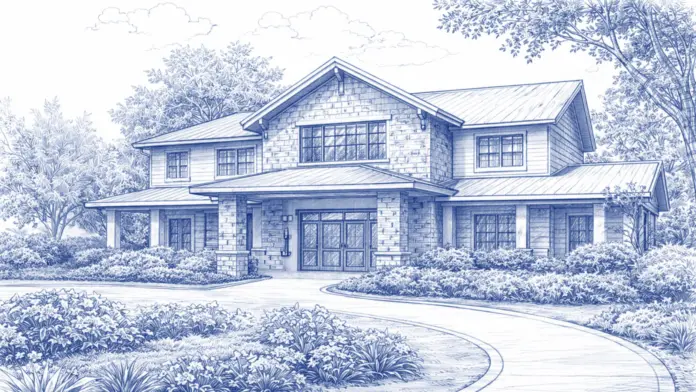
About Men & Women in Prison Ministries – MWIPM
Men & Women in Prison Ministries (MWIPM) is also known as Transforming Reentry Services and is a community based nonprofit in Chicago providing reentry support and harm reduction services in addition to behavioral health resources for formerly incarcerated clients and their families.
The organization serves returning citizens and at-risk populations as well as clients with substance use needs through health screenings, overdose prevention, and workforce readiness programming.
MWIPM uses a “First Step Model” to connect participants to basic needs like housing and food, identification restoration, and employment supports alongside wellness services that address the whole person.
Reentry Support and Harm Reduction Services in Chicago
MWIPM is the first Black woman led Syringe Access Program in Illinois offering harm reduction services including syringe access, naloxone kit distribution, and overdose prevention education for clients who inject drugs. The organization provides HIV and Hepatitis C screening, case management, and health promotion sessions focused on risk reduction and minority health concerns.
Services integrate reentry resources like job search support, mock interviews, GED preparation, and family reunification programming. Behavioral health counseling is available at no cost through referral partnerships connecting participants to culturally competent care tailored to their recovery and reintegration goals.
Health Equity and Community Wellness
The Queens’ Care program addresses health disparities affecting Black women with focused HIV prevention, care coordination, and wellness education. MWIPM also operates Building Bridges Through The Mail providing service information and support to people still incarcerated and preparing for release.

Rehab Score
 Our Methodology


Location
Other Forms of Payment
Medicaid is a state based program that helps lower-income individuals and families pay for healthcare. Medicaid covers addiction treatment so those enrolled can use their coverage to pay for rehab. When a program accepts Medicaid the client often pays very little or nothing out of their own pocket.
Medicare is a federal program that provides health insurance for those 65 and older. It also serves people under 65 with chronic and disabling health challenges. To use Medicare for addiction treatment you need to find a program that accepts Medicare and is in network with your plan. Out of pocket costs and preauthorization requirements vary, so always check with your provider.
Addiction Treatments
Levels of Care
Outpatient Programs (OP) are for those seeking mental rehab or drug rehab, but who also stay at home every night. The main difference between outpatient treatment (OP) and intensive outpatient treatment (IOP) lies in the amount of hours the patient spends at the facility. Most of the time an outpatient program is designed for someone who has completed an inpatient stay and is looking to continue their growth in recovery. Outpatient is not meant to be the starting point, it is commonly referred to as aftercare.
Treatments
Mental health rehabs focus on helping individuals recover from mental illnesses like bipolar disorder, clinical depression, anxiety disorders, schizophrenia, and more. Mental health professionals at these facilities are trained to understand and treat mental health issues, both in individual and group settings.
Programs
Adult rehab programs include therapies tailored to each client's specific needs, goals, and recovery progress. They are tailored to the specific challenges adult clients may face, including family and work pressures and commitments. From inpatient and residential treatment to various levels of outpatient services, there are many options available. Some facilities also help adults work through co-occurring conditions, like anxiety, that can accompany addiction.
Clinical Services
Whether a marriage or other committed relationship, an intimate partnership is one of the most important aspects of a person's life. Drug and alcohol addiction affects both members of a couple in deep and meaningful ways, as does rehab and recovery. Couples therapy and other couples-focused treatment programs are significant parts of exploring triggers of addiction, as well as learning how to build healthy patterns to support ongoing sobriety.
In individual therapy, a patient meets one-on-one with a trained psychologist or counselor. Therapy is a pivotal part of effective substance abuse treatment, as it often covers root causes of addiction, including challenges faced by the patient in their social, family, and work/school life.
Life skills trainings involve all the skills a person must have in order to function successfully in the world. These include time management, career guidance, money management, and effective communication. Truly successful addiction recovery is based on the ability to not only live substance-free, but to thrive. Life skills teaches the practical necessities of functioning in society, which sets clients up for success in life, and therefore sobriety.
Amenities
-
 Private Setting
Staff

Doris J.Green, JD, CCHP
President & Founder
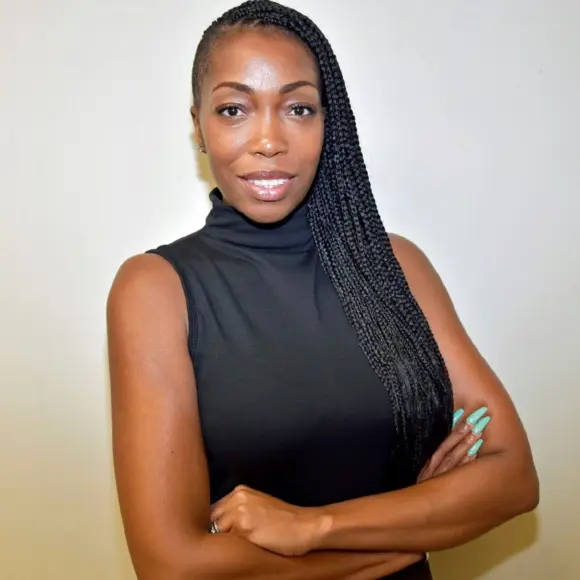
Kimberly Wallace- Hutson
Executive Director
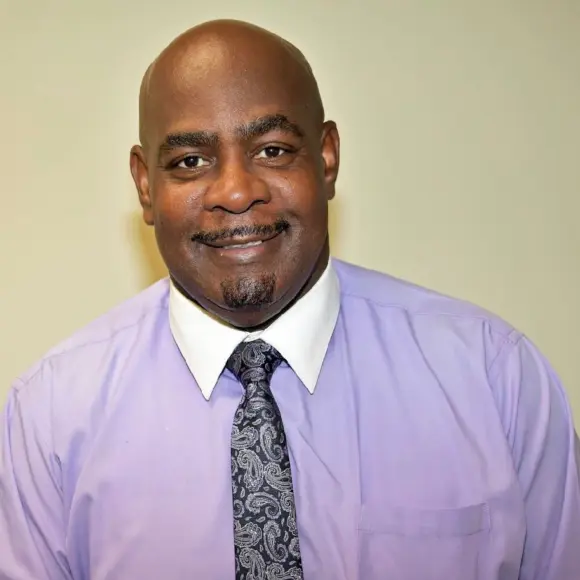
Russell Jackson
Deputy Director
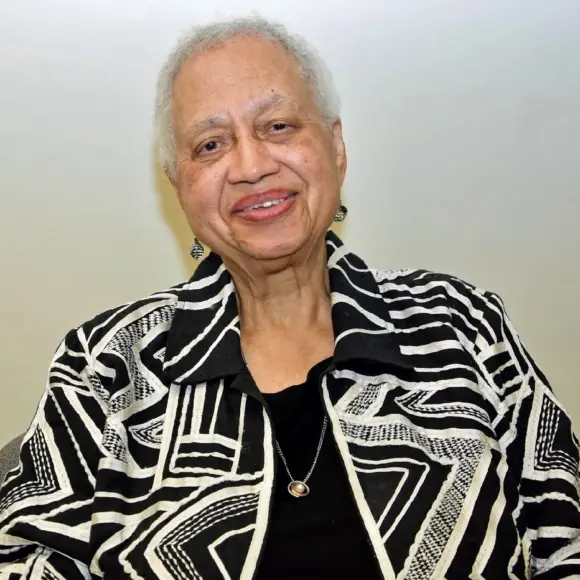
Hilda Richards, EdD
Vice President, Board of Directors
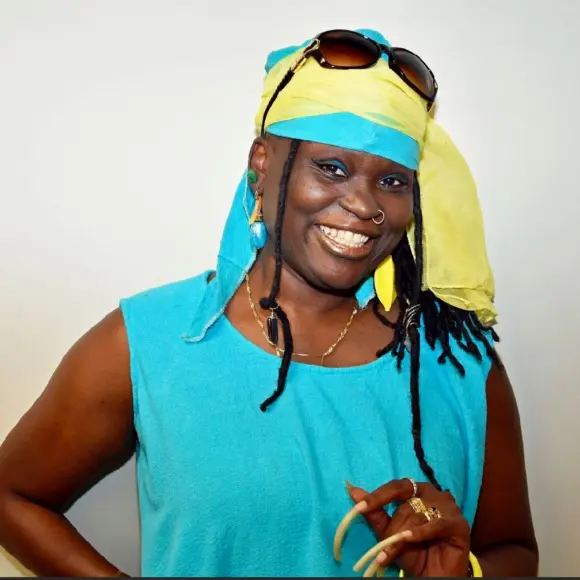
Yaa Simpson, MPH
General Board Member, Board of Directors
Contact Information


10 West 35th street
Chicago, IL 60616
Sponsored Helpline
