































































































this place is a nightmare! my brother went there on his own accord to get help with his alcohol addiction and they treated him like a criminal and a dog. He would get less than five minutes to eat food and could barely eat more than a bite. He would ask for water, and the ...
About Mirror Lake Recovery Center
They offer a 14 day medical detoxification before you start your recovery journey. Even through the medical detox you’ll begin group and individual therapy sessions. Getting through detox is the beginning of your recovery after which you’ll transition to the residential program.
In the residential program, you’ll live on the campus while receiving support for co-occurring disorders such as anxiety, bipolar, depression, and psychosis. In addition to individual and group therapy, you’ll have access to yoga, art, and equine therapies.
There’s a faith based track if you want to incorporate Christian values into your recovery. These include Bible study, meditation, journaling, and prayer.
If you’re a veteran of the military or on active duty, they have a program that caters to you. It’s run through the VA and the Community Care Network or CCN.
When you’re ready, you can step down to a partial hospitalization program that offers a less structured schedule than the inpatient program. After completing the partial program you’ll receive continued support with their aftercare programs.
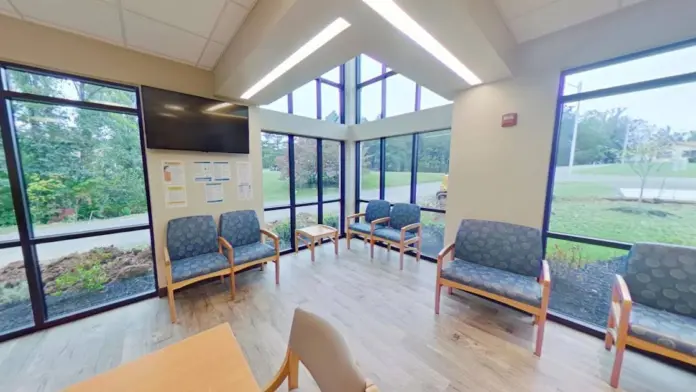
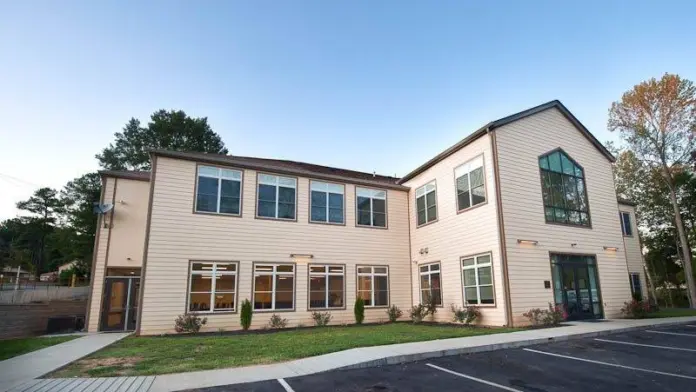
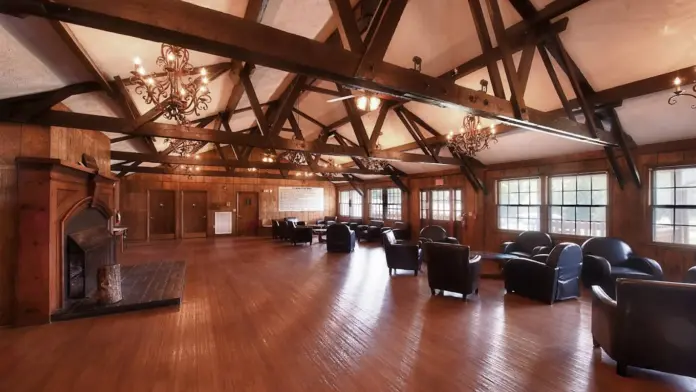
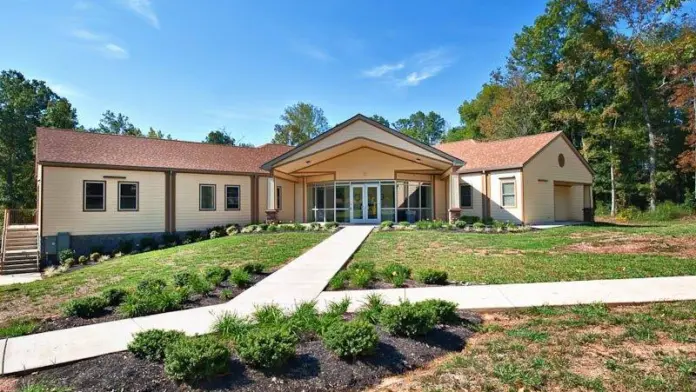
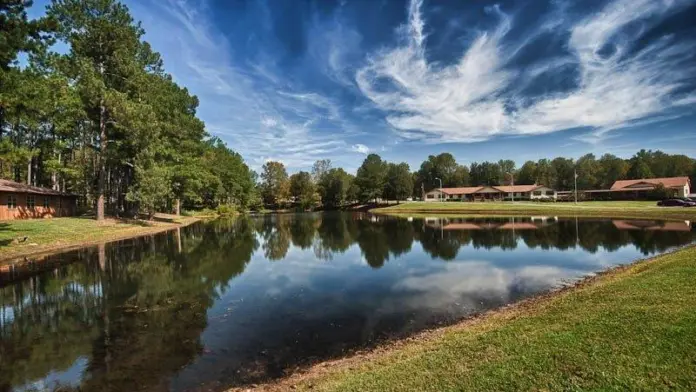
One former client mentioned that the recovery center grounds are beautiful and the staff is great. Another client said it was tough work but the staff was caring and it was well worth it.
Facility Overview
 $400
$400 Avg Cost per Day
Latest Reviews
I received treatment at mirror lake and I had a great experience. The staff and counselors are super helpful and have been through addiction themselves so they can really relate to the clients. Jasmine in the business office is such a sweetheart and does her job so well!! If you’re looking for a place to get into treatment you should consider mirror lake!!
Response from the owner3 weeks ago
We're so happy you took the time to offer feedback! Thank you! We remain steadfast in our goal to provide clinically excellent care that has a meaningful impact.
Amazing staff who care!
Response from the owner3 weeks ago
We appreciate your generous comment! Since the day we opened, we have been committed to providing personalized, life-affirming care within a safe and supportive environment.
Mirror Lake has been a blessing to me I'm lucky to have come here staff and the girls are great thank you mirror lake
Response from the owner3 weeks ago
Thank you so much for sharing your perspective with us! We are committed to providing personalized care and comprehensive support within a safe and respectful environment.

Rehab Score
 Our Methodology
Scoring is assigned by a proprietary system which helps surface key metrics that determine quality. The 10-point scale factors in categories such as operations, customer satisfaction, and trust metrics. Read Full Methodology

8.2 / 10
Gallery
Accepted Insurance
Other Forms of Payment
Private insurance refers to any kind of healthcare coverage that isn't from the state or federal government. This includes individual and family plans offered by an employer or purchased from the Insurance Marketplace. Every plan will have different requirements and out of pocket costs so be sure to get the full details before you start treatment.
Self-pay involves paying for treatment out of your own pocket. You can use savings or credit, get a personal loan, or receive help from family and friends to fund your treatment. If you don't have insurance or your insurance plan doesn't cover a specific program, self-pay can help ensure you still get the care you need.
Addiction Treatments
Levels of Care
Residential treatment programs are those that offer housing and meals in addition to substance abuse treatment. Rehab facilities that offer residential treatment allow patients to focus solely on recovery, in an environment totally separate from their lives. Some rehab centers specialize in short-term residential treatment (a few days to a week or two), while others solely provide treatment on a long-term basis (several weeks to months). Some offer both, and tailor treatment to the patient's individual requirements.
Clients receiving support in a rehab aftercare program typically have abstained from drugs or alcohol for a period of weeks or months and have completed high-level (often inpatient) treatment. Drug rehab aftercare is designed to support clients in maintaining their sobriety as they re-engage with their ordinary lives at home, in the workplace, and in the community. Services are highly individualized and evolve with clients' changing needs, but generally include peer coaching and relapse prevention.
12-step programs are addiction recovery models based on Alcoholics Anonymous (AA). A number of substance abuse programs (including some drug and alcohol rehab centers) use the 12 steps as a basis for treatment. Beginning steps involve admitting powerlessness over the addiction and creating a spiritual basis for recovery. Middle steps including making direct amends to those who've been hurt by the addiction, and the final step is to assist others in addiction recovery in the same way. 12-Step offshoots including Narcotics Anonymous (NA), Cocaine Anonymous (CA), Dual Recovery Anonymous (DRA), Sex and Love Addicts Anonymous (SLAA) and Gamblers Anonymous (GA).
A partial hospitalization program (PHP) is a short-term form of intensive rehab, usually for those with acute symptoms that are hard to manage but don’t require 24-hour care. PHPs have structured programming (i.e. individual and/or group therapy), and usually meet 3-5 days a week for around 6 hours (i.e. 9am-3m). Some PHPs are residential (patients sleep on site) and some are not, so patients sleep at home. PHPs can last from 1-6 months, and some offer transportation and meals.
Drug and alcohol addiction often takes a heavy toll on one's body. Over time, a physical dependence can develop, meaning the body physiologically needs the substance to function. Detox is the process of removing drugs and/or alcohol from the body, a process that can be lethal if mismanaged. Medical detox is done by licensed medical professionals who monitor vital signs and keep you safe, healthy, and as comfortable as possible as you go through detox and withdrawal.
Clients in intensive outpatient programs (IOP) receive robust, personalized care to support their reintegration into their community. Clients stepping down from inpatient treatment frequently enroll in IOP before entering standard outpatient care or community-based recovery programs, such as AA. Intensive outpatient treatment generally involves between nine and 20 therapeutic hours weekly, with the frequency and duration of sessions decreasing as clients stabilize. IOP services commonly include counseling, recovery education, holistic therapies, and medication assisted treatment (MAT).
A sober living home in Tennessee, also known as a halfway house, refers to a group residence for men or women who are recovering from addiction. These are usually privately owned homes or houses owned by a nonprofit or business. Most are located in quiet residential areas. Residents have their own rooms or share a room with one roommate, and they share common areas. Each resident pays rent and helps with household maintenance.
Treatments
Many of those suffering from addiction also suffer from mental or emotional illnesses like schizophrenia, bipolar disorder, depression, or anxiety disorders. Rehab and other substance abuse facilities treating those with a dual diagnosis or co-occurring disorder administer psychiatric treatment to address the person's mental health issue in addition to drug and alcohol rehabilitation.
Substance rehabs focus on helping individuals recover from substance abuse, including alcohol and drug addiction (both illegal and prescription drugs). They often include the opportunity to engage in both individual as well as group therapy.
Alcohol use disorder (AUD) is a treatable condition characterized by uncontrolled consumption of alcohol which continues despite negative consequences. Treatment options for alcohol addiction include inpatient or outpatient alcohol rehab in Tennessee. Therapeutic methods include group and individual therapy, medication, and holistic therapies. Aftercare is often provided through 12-step support groups, which offer ongoing accountability and encouragement.
When your day-to-day life is taken over by drug use, this is known as substance use disorder. If you abruptly stop using your drug of choice, you experience withdrawal symptoms. To overcome this cycle, professional drug rehab in Tennessee is usually needed.
 Mental Health And Substance Abuse
 Opioid Addiction
Substance abuse treatment in Tennessee is available in addiction treatment centers, where experienced addiction professionals can treat both substance use disorders. Typically, clinicians use a range of evidence-based therapies such as a biopsychosocial assessment, cognitive-behavioral therapy, and motivational interviewing to get a complete picture of your mental health, support systems, and motivation to change. Through an individualized treatment plan, you'll receive the support you need to achieve long-term sobriety through new skills and relapse prevention strategies.
Programs
Adult rehab programs include therapies tailored to each client's specific needs, goals, and recovery progress. They are tailored to the specific challenges adult clients may face, including family and work pressures and commitments. From inpatient and residential treatment to various levels of outpatient services, there are many options available. Some facilities also help adults work through co-occurring conditions, like anxiety, that can accompany addiction.
Clinical Services
Experiential therapy is a form of therapy in which clients are encouraged to surface and work through subconscious issues by engaging in real-time experiences. Experiential therapy departs from traditional talk therapy by involving the body, and having clients engage in activities, movements, and physical and emotional expression. This can involve role-play or using props (which can include other people). Experiential therapy can help people process trauma, memories, and emotion quickly, deeply, and in a lasting fashion, leading to substantial and impactful healing.
Research clearly demonstrates that recovery is far more successful and sustainable when loved ones like family members participate in rehab and substance abuse treatment. Genetic factors may be at play when it comes to drug and alcohol addiction, as well as mental health issues. Family dynamics often play a critical role in addiction triggers, and if properly educated, family members can be a strong source of support when it comes to rehabilitation.
Group therapy is any therapeutic work that happens in a group (not one-on-one). There are a number of different group therapy modalities, including support groups, experiential therapy, psycho-education, and more. Group therapy involves treatment as well as processing interaction between group members.
In individual therapy, a patient meets one-on-one with a trained psychologist or counselor. Therapy is a pivotal part of effective substance abuse treatment, as it often covers root causes of addiction, including challenges faced by the patient in their social, family, and work/school life.
Typical cognitive behavioral therapy in Tennessee involves recognizing negative thinking and learning techniques to change that thinking and create new, positive behaviors. Strategies may include SMART goals, journaling, and situation exposure.
Amenities
-
 Yoga Studio
 -
 Private Rooms
 -
 Lakeside
Staff & Accreditations
Staff

Jake Duke, MBA
CEO
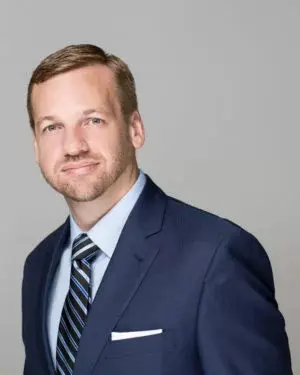
Chad D. Elkin, MD
Medical Director
Accreditations

The Commission on Accreditation of Rehabilitation Facilities (CARF) is a non-profit organization that specifically accredits rehab organizations. Founded in 1966, CARF's, mission is to help service providers like rehab facilities maintain high standards of care.
CARF Accreditation: Yes

State Licenses are permits issued by government agencies that allow rehab organizations to conduct business legally within a certain geographical area. Typically, the kind of program a rehab facility offers, along with its physical location, determines which licenses are required to operate legally.
State License: Tennessee
Rehab.com regularly reviews this listing for accuracy but changes may occur between updates. For the most up-to-date information, please contact Mirror Lake Recovery Center.
Contact Information

999 Girl Scout Road
Burns, TN 37029
Get Help Now - 615-437-0407
Sponsored Helpline
Sponsored Helpline



