Get Help Now
Question iconSponsored Helpline
Phone icon 800-641-8351

Monarch – Halfway House

2310 West Broadway Street
Muskogee, OK 74401
Claim Profile
Monarch - Halfway House OK 74401

About Monarch – Halfway House

The Monarch Halfway House is a nurturing and tobacco-free residential program for pregnant and parenting women continuing their recovery journey after completing detox or inpatient treatment. Those who meet social detox criteria are also accepted.

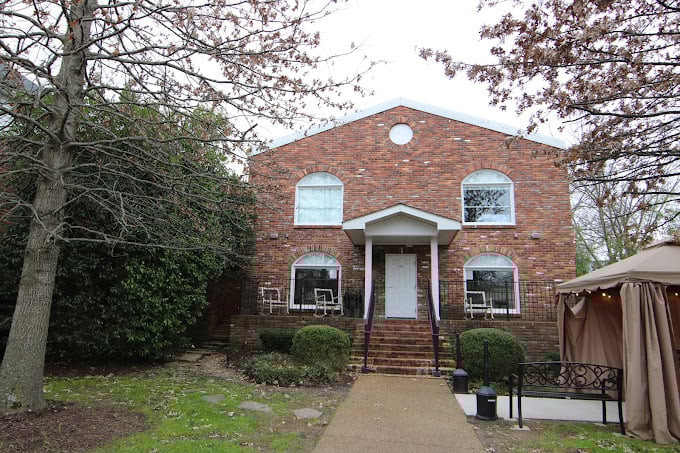
The facility is in western Muskogee, Oklahoma. They’re about 2.5 miles west of the Three Rivers Museum and southwest of River Country Water Park. They boast two separate dorm units, each with its own living room, kitchen, and laundry room. In most cases, moms and their children have their own room.

The program offers a supportive and structured environment where women rediscover their strength and grow into the kind of mothers they want to be. Parenting moms can live onsite with their kids under 11 to heal together.

Children living onsite attend local public schools or daycare during weekdays as parents navigate recovery. Residents meet DSM-5 criteria for substance use disorder, ASAM criteria for Halfway House level of care, and be pregnant or parenting a dependent child. You must also be an Oklahoma resident, capable of self-care, and actively participate in all activities.

A New Start for Women in Recovery

Monarch offers 6+ hours of intense activities weekly including group and individual therapy. Therapy is trauma-sensitive and tailored to address past trauma which may fuel substance dependence.

Family counseling, parenting education and developmentally appropriate parent-child bonding activities are integral. This includes local 12 Step meetings with AA/NA. Assistance is provided in arranging primary medical care, including prenatal care and immunization for children. They also provide referral or testing for HIV/AIDS, STDs and Hepatitis.

The average length of stay is 60 days depending on individualized needs and progress. Case managers will help you find employment and basic needs as you rejoin the community.

Similar Rehab Centers

Fact checked and written by:
Chika Uchendu
Edited by:
Peter Lee, PhD

Facility Overview

Calendar icon 31 - 60
Avg Length of Stay in Days

Latest Reviews

Poppy
4 months ago on Google
5
I attended monarch many years ago probably 7 to 10 years ago didn't want to be there but they were such an excellent facility not only did we learn so much about all kinds of addiction things nicotine addiction facts they gave help me with my parenting courses helped me literally get to the root of my problem not just my addiction but of myself love and and triggers and just all kinds of different things I thought it looking back now was 100% an excellent facility
Abbie
7 months ago on Google
5
I very much enjoyed my time at monarch. I learned more about myself and my addiction and how to cope. Appreciate the staff and made life long friends
E. Leigh Dugan (Aqua Lei)
8 months ago on Google
5
I very much enjoyed the time I had at this established enter. Kindness above all, allowed me to take in the best of myself and my recovery. It was well worth the effort, to get myself into a new place, for a betterment of managing addiction with the knowledge provided.
Rehab.com icon

Rehab Score

Question iconOur Methodology
Scoring is assigned by a proprietary system which helps surface key metrics that determine quality. The 10-point scale factors in categories such as operations, customer satisfaction, and trust metrics. Read Full MethodologyCaret icon
Gauge icon
6.1 / 10

Other Forms of Payment

Financial aid can take many forms. Centers may have grants or scholarships available to clients who meet eligibility requirements. Programs that receive SAMHSA grants may have financial aid available for those who need treatment as well. Grants and scholarships can help you pai for treatment without having to repay.

Sliding scale payments are based on a client's income and family size. The goal is to make treatment affordable to everyone. By taking these factors into account, addiction recovery care providers help ensure that your treatment does not become a financial burden to you or your family, eliminating one barrier to care.

Self-pay involves paying for treatment out of your own pocket. You can use savings or credit, get a personal loan, or receive help from family and friends to fund your treatment. If you don't have insurance or your insurance plan doesn't cover a specific program, self-pay can help ensure you still get the care you need.

Private insurance refers to any kind of healthcare coverage that isn't from the state or federal government. This includes individual and family plans offered by an employer or purchased from the Insurance Marketplace. Every plan will have different requirements and out of pocket costs so be sure to get the full details before you start treatment.

Addiction Treatments

Levels of Care

Women and their children participate in a minimum of six treatment hours per week. Persons served engage in life skills and recreational activities, self-help supportive meetings, and other therapies. Treatment length is based on individualized needs and progress made with an average stay of 180 days.

Sober Living Houses (SLHs), aka sober homes or halfway houses, are safe, substance-free, supportive living facilities for those recovering from substance abuse. Ideal for those who've just been through inpatient or outpatient treatment, SLHs are supervised environments with rules that support sobriety, such as curfews, shared chores, and therapeutic meetings. Residents are also often trained on life skills and coping skills to make it easier to transition into society. SLHs also provide a strong sense of community that can lead to the kind of deep and lasting connections with other sober individuals that supports a new, healthy lifestyle.

12-step programs are addiction recovery models based on Alcoholics Anonymous (AA). A number of substance abuse programs (including some drug and alcohol rehab centers) use the 12 steps as a basis for treatment. Beginning steps involve admitting powerlessness over the addiction and creating a spiritual basis for recovery. Middle steps including making direct amends to those who've been hurt by the addiction, and the final step is to assist others in addiction recovery in the same way. 12-Step offshoots including Narcotics Anonymous (NA), Cocaine Anonymous (CA), Dual Recovery Anonymous (DRA), Sex and Love Addicts Anonymous (SLAA) and Gamblers Anonymous (GA).

Completing a drug or alcohol rehab program shouldn't spell the end of substance abuse treatment. Aftercare involves making a sustainable plan for recovery, including ongoing support. This can include sober living arrangements like halfway houses, career counseling, and setting a patient up with community programs like Alcoholics Anonymous (AA) or Narcotics Anonymous (NA).

Treatments

The goal of treatment for alcoholism is abstinence. Those with poor social support, poor motivation, or psychiatric disorders tend to relapse within a few years of treatment. For these people, success is measured by longer periods of abstinence, reduced use of alcohol, better health, and improved social functioning. Recovery and Maintenance are usually based on 12 step programs and AA meetings.

To address the issues of addiction, each drug rehab in Oklahoma is tailored to meet the individual's needs. Treatment may occur in a residential or outpatient setting, and may last from a few days to several months.

Opioid rehabs specialize in supporting those recovering from opioid addiction. They treat those suffering from addiction to illegal opioids like heroin, as well as prescription drugs like oxycodone. These centers typically combine both physical as well as mental and emotional support to help stop addiction. Physical support often includes medical detox and subsequent medical support (including medication), and mental support includes in-depth therapy to address the underlying causes of addiction.

Substance rehabs focus on helping individuals recover from substance abuse, including alcohol and drug addiction (both illegal and prescription drugs). They often include the opportunity to engage in both individual as well as group therapy.

Programs

Adult rehab programs include therapies tailored to each client's specific needs, goals, and recovery progress. They are tailored to the specific challenges adult clients may face, including family and work pressures and commitments. From inpatient and residential treatment to various levels of outpatient services, there are many options available. Some facilities also help adults work through co-occurring conditions, like anxiety, that can accompany addiction.

Young adulthood can be an exciting, yet difficult, time of transition. Individuals in their late teens to mid-20s face unique stressors related to school, jobs, families, and social circles, which can lead to a rise in substance use. Rehab centers with dedicated young adult programs will include activities and amenities that cater to this age group, with an emphasis on specialized counseling, peer socialization, and ongoing aftercare.

Clinical Services

Experiential therapy is a form of therapy in which clients are encouraged to surface and work through subconscious issues by engaging in real-time experiences. Experiential therapy departs from traditional talk therapy by involving the body, and having clients engage in activities, movements, and physical and emotional expression. This can involve role-play or using props (which can include other people). Experiential therapy can help people process trauma, memories, and emotion quickly, deeply, and in a lasting fashion, leading to substantial and impactful healing.

Research clearly demonstrates that recovery is far more successful and sustainable when loved ones like family members participate in rehab and substance abuse treatment. Genetic factors may be at play when it comes to drug and alcohol addiction, as well as mental health issues. Family dynamics often play a critical role in addiction triggers, and if properly educated, family members can be a strong source of support when it comes to rehabilitation.

Group therapy is any therapeutic work that happens in a group (not one-on-one). There are a number of different group therapy modalities, including support groups, experiential therapy, psycho-education, and more. Group therapy involves treatment as well as processing interaction between group members.

In individual therapy, a patient meets one-on-one with a trained psychologist or counselor. Therapy is a pivotal part of effective substance abuse treatment, as it often covers root causes of addiction, including challenges faced by the patient in their social, family, and work/school life.

Life skills trainings involve all the skills a person must have in order to function successfully in the world. These include time management, career guidance, money management, and effective communication. Truly successful addiction recovery is based on the ability to not only live substance-free, but to thrive. Life skills teaches the practical necessities of functioning in society, which sets clients up for success in life, and therefore sobriety.

Nutrition therapy, aka medical nutrition therapy (MNT), is a way of treating physical, emotional, and medical conditions through diet. Specific dietary plans are designed by professional nutritionists or registered dietitians, and patients follow them in order to positively affect their physical and mental health.

Trauma therapy addresses traumatic incidents from a client's past that are likely affecting their present-day experience. Trauma is often one of the primary triggers and potential causes of addiction, and can stem from child sexual abuse, domestic violence, having a parent with a mental illness, losing one or both parents at a young age, teenage or adult sexual assault, or any number of other factors. The purpose of trauma therapy is to allow a patient to process trauma and move through and past it, with the help of trained and compassionate mental health professionals.

Amenities

  • home-setting iconResidential Setting
  • private iconPrivate Setting

Accreditations

The Commission on Accreditation of Rehabilitation Facilities (CARF) is a non-profit organization that specifically accredits rehab organizations. Founded in 1966, CARF's, mission is to help service providers like rehab facilities maintain high standards of care.

CARF Accreditation: Yes

Rehab.com regularly reviews this listing for accuracy but changes may occur between updates. For the most up-to-date information, please contact Monarch – Halfway House.

Contact Information

Building icon

2310 West Broadway Street
Muskogee, OK 74401

Explore Other Centers Near Muskogee

Reviews of Monarch – Halfway House

3.62/5 (21 reviews)
0
Staff
0
Amenities
0
Meals
0
Value
0
Cleanliness
5
11
4
3
3
0
2
2
1
5

Reviews

5

It's a nice place to go, the environment really helps and the staff is very attentive and caring. One of the best!

Reviewed on 3/4/2019
Overall Experience
Date Submitted
Reviewer

Google Reviews

3.55 (20 reviews)
Matthew Trower
2 months ago
1

Insurance covers the cost of treatment they sign you up for food stamps to pay for your meals but I never got a card when I left so I have no clue what the deal with that is. Doesn't seem right to me. Every item I brought that wasn't sealed and brand new was thrown away during intake. My phone and watch were placed in storage but other items weren't for some reason; because of this I didn't have any soap, shampoo, toothpaste, etc. These necessary items were not provided to me so i had to basically just rinse off and brush my teeth with nothing. Without my vape I thought my nicotine gum would be fine but they threw that away as well. Once again no patches or lozenges were available for me. I was told disposable vapes are permitted however upon arrival it was thrown away because it was a Foger brand so don't bring one of those. Geekbars are permitted though. The facility itself is very cold, dismal, uninviting, and projects feelings of dread and negativity. Not warm, comforting, and welcoming like I imagined. The facility is too small to accommodate 30 men. It is ridiculously loud so forget having a moment of peace and quiet. You are required to get up every day at 6 am. You are not allowed any extensive sleep to detox which was my entire reason for going. I had a manic episode because of this which I warned staff it was about to happen but was ignored. I was then reprimanded having to write three pages on appropriate behavior while in treatment. Again; I got in trouble for flipping out when I was detoxing from drugs. I feel staff should be accustomed to that. You are required to sign up every day to take any prescribed medication you bring and if you're on time you will wait 20-30 minutes and if you're late they won't give you your meds for the day. So basically you'll always be late for breakfast but that doesn't matter because everyone will have eaten everything before you can have a single bite. They make a few pitchers of coffee in the morning but again good luck getting any. No more coffee is made until the next day. Breakfast is at 7 am then classes until 12 pm when lunch is served then back to class at 1 pm concluding at 2:30 pm with breaks throughout. There is a TV room with couches which is nice but I felt uncomfortable with the content people were always watching. Just me honestly. They have a workout area that's the size of a large closet. Six sets of dumbbells, one exercise bicycle, one flat bench. Doesn't incline and no bar for bench presses. I run everyday so I had to resort to running laps around the backyard trying to avoid people as best as I could. There is a volleyball net but only a flat ball, a basketball but no goal, and cornhole but with bags leaking sand. There are 10 rooms with 3 twin beds each, a dresser for each person and a cork board above each bed but again no push pins are provided so there's no reason for it to be there essentially. They have a small laundry facility with two washers and two dryers if I remember correctly. The food that is prepared is heavily processed, never fresh, comes from a can, and prepared by the kindest woman you can imagine that is being berated constantly by residents complaining about literally everything. Staff picks and chooses what rules they want to enforce and if you receive four write-ups you are discharged. Major issues were ignored while minor infractions were given constantly. I was the only resident that was there on my own accord and actually seeking treatment. Everyone else is there because of legal matters and doesn't take anything seriously. Very frustrating when you are trying to actually learn something and get help. Drug use is rampant and ignored by staff. You are unable to use the phone the first week. They have trips to Dollar General and a local thrift store weekly but again you must be there a week before you are allowed to do anything. They have one pop machine that malfunctions constantly and they state they are not responsible of course. There is a communal bathroom with six showers and six toilets.

Gina Aranda
2 months ago
1

Absolutely the WORST treatment facility ive ever experienced. They "allow" their clients to sneak in "vapes" and whatever by ignoring the things coming in, through the mail in "candy bags". Literally was told this by the lady at the front. Plausible deniablity apparenty.......When I left after just 12 hours of being there, they called dhs, tried to get my kids taken away from me AND violated HIPPAA by telling the case worker that I had been at a detox facility before being transported to Monarch. Along with Violating HIPPAA for a male client that traveled with from detox to Muskogee. The name in my court papers was "Ms. Casy Farmer". These are "supposed" to be people who are there to HELP some one struggling in addiction. NOT hender their recovery and INTENTIONALLY Try to get their kids taken from them. I will be reporting them to Oklahoma department of mental health!!! PLEASE PLEASE CHOOSE ANYWHERE ELSE OTHER THAN HERE!!!

Deji Esji
3 months ago
1

Men's facility 3 out of last 60 residents graduated. That's 1 in 20, or 5%. Bed bugs. Job haters. No staff accountability. Short staffed. Little care and concern for residents. Couldn't get a ride to Urgent Care for 6 days before I signed out and went on my own. Arrogant, condescending Director. No nutritionist for healthy meals or snacks. Staff doesn't care for feedback. Two people I talked to after leaving said their experience was a nightmare. Employee Danielle said her reports of drugs in the facility were ignored. See reviews by previous employees. Not good. My medications were not returned to me upon exit, but rather "destroyed" Illegally as repricussion for my complaints. Had to find another program. Was approaching rehab with a very good attitude, but had a complete change of thoughts toward rehab after being at Monarch's men's facility for one week. Very negative and overbearing employees. Staff has no control or structure in out of control group sessions.The atmosphere there was getting me nowhere. I noticed that most of the good reviews from Monarch were from long ago. Something has definitely changed.Wouldn't recommend Monarch to a family member or my worst enemy. J.R.

Poppy
4 months ago
5

I attended monarch many years ago probably 7 to 10 years ago didn't want to be there but they were such an excellent facility not only did we learn so much about all kinds of addiction things nicotine addiction facts they gave help me with my parenting courses helped me literally get to the root of my problem not just my addiction but of myself love and and triggers and just all kinds of different things I thought it looking back now was 100% an excellent facility

Overall Experience
Date Submitted
No reviews matching the selected filter!
Get Help Now
Question iconSponsored Helpline

Phone icon 800-641-8351

Left arrow iconBack

Write a review for Monarch – Halfway House

Sharing your insights and experiences can help others learn more about this rehab center.

Title of Your Review
This is a required field
Your Review

Reviews comments must comply with our Review Policy Content Standards. Please do not use names (job titles / positions are acceptable) of any individual or identifying features, abusive remarks, or allegations of negligence or criminal activity.

A minimum of 200 characters and max of 2,000 characters required.
This is a required field
How would you rate the facility on the following?*
Overall Experience
Must select a star rating
Accomodations & Amenities
Must select a star rating
Meals & Nutrition
N/A
Must select a star rating
Treatment Effectiveness
Must select a star rating
Admissions Process
Must select a star rating
Staff & Friendliness
Must select a star rating
Cleanliness
Must select a star rating
Value for Cost
Must select a star rating
What is your connection to this facility?
This is a required field
Your Name*
This is a required field
Your Email*
This is a required field
Spinner icon Submitting your review...
Thumbs up icon Your review was successfully submitted.

Nearby Featured Providers

Get Help Today Phone icon 800-847-1418
Question iconSponsored Helpline