






























































































At first it was great they started me on meds.day two they didn't give me anything because a computer program said i wasn't in withdrawal. It like one size fits all. Well im sorry it dont work that way.everyone is different. I wanted help but was scared of withdrawal. Don' ...
About New Day Recovery
New Day Recovery in West Monroe, Louisiana, is a residential treatment facility for individuals struggling with substance use disorder. The treatments used to help clients recover from addiction include medical detox, residential care and outpatient services. The facility accepts Medicaid and other major insurance plans.
Symptom Relief Through Medication
Their medical detox program uses medications to provide relief from your withdrawal symptoms. The facility is able to treat clients who have addictions to substances such as stimulants, prescription drugs and alcohol.
Staff members strive to make sure that clients are comfortable throughout the process. The detox process is generally completed within three to seven days, and then you’ll be able to transition to the residential program.
Addiction Recovery Through Nature
West Monroe is near various outdoor areas that can be calming and relaxing for you, which can help with your stress management. One place in town you can visit is Recreation Park. It’s a 70 acre forest and wetland park that features a 1.2 mile stone trail and various outlooks.
A Positive and Clean Environment
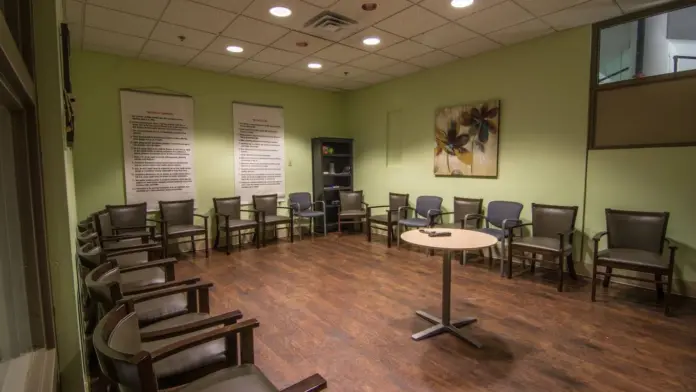
The facility you’ll be housed in has 46 beds and gender based dormitories. They offer specialized group sessions which may also include gender based groups. In gender based groups, counselors will be able to target the focus of treatment to your specific needs.
An additional service provided in the residential treatment program is case management. A case manager can work with you to coordinate your care and get you access to resources that can support your recovery, including legal services.
Facility Overview
 46
46 Number of Available Beds
 15 - 30
 Avg Length of Stay in Days
Latest Reviews
What an relaxing, comfort place for a rest and reset!
Response from the owner1 week ago
Thank you so much for the kind review! This is exactly what we love to hear.
My son came here 8 years ago. It was the best decision he could make! They were awesome! He’s doing great!
Response from the owner1 week ago
This kind review means so much, thanks for taking the time to share!
It's the best treatment center I've ever been to they helped me with everything I been there 3 times and had a great experience every time they even keep in touch with me to make sure I stay on the right path and take my recovery serious I love the work they does over at New Day recovery it was a blessing to go there you just have to want what they have and it's a brighter future so I want to thank the staff at the new day rehab facilitys
Response from the owner1 week ago
Thank you so much for the kind review! This is exactly what we love to hear. 
Rehab Score
 Our Methodology
Scoring is assigned by a proprietary system which helps surface key metrics that determine quality. The 10-point scale factors in categories such as operations, customer satisfaction, and trust metrics. Read Full Methodology

6.5 / 10
Gallery


Other Forms of Payment
Self-pay involves paying for treatment out of your own pocket. You can use savings or credit, get a personal loan, or receive help from family and friends to fund your treatment. If you don't have insurance or your insurance plan doesn't cover a specific program, self-pay can help ensure you still get the care you need.
Private insurance refers to any kind of healthcare coverage that isn't from the state or federal government. This includes individual and family plans offered by an employer or purchased from the Insurance Marketplace. Every plan will have different requirements and out of pocket costs so be sure to get the full details before you start treatment.
Military members, veterans, and eligible dependents have access to specific insurance programs that help them get the care they need. TRICARE and VA insurance can help you access low cost or no cost addiction and mental health treatment. Programs that accept military insurance often have targeted treatment focused on the unique challenges military members, veterans, and their families face.
Medicaid is a state based program that helps lower-income individuals and families pay for healthcare. Medicaid covers addiction treatment so those enrolled can use their coverage to pay for rehab. When a program accepts Medicaid the client often pays very little or nothing out of their own pocket.
Addiction Treatments
Levels of Care
Outpatient Programs (OP) are for those seeking mental rehab or drug rehab, but who also stay at home every night. The main difference between outpatient treatment (OP) and intensive outpatient treatment (IOP) lies in the amount of hours the patient spends at the facility. Most of the time an outpatient program is designed for someone who has completed an inpatient stay and is looking to continue their growth in recovery. Outpatient is not meant to be the starting point, it is commonly referred to as aftercare.
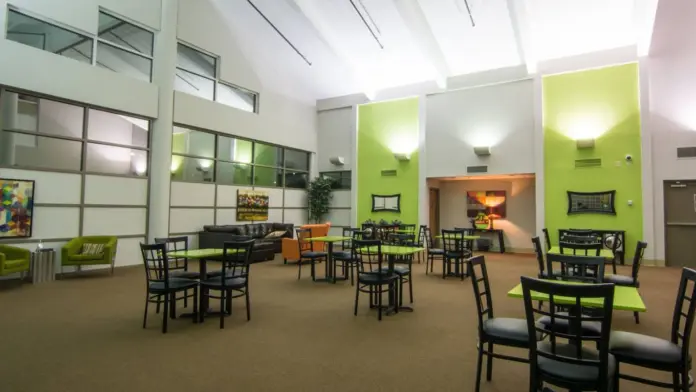
At New Day Recovery, they are positioned to help patients and families by beginning the rehabilitation process. When you come to New Day, you will experience a friendly staff that will work together to create a specialized and individualized plan of care for you or your loved one. From community meetings to small group therapy to one-on-one sessions, clients will work with their professional staff to learn about the addictions that they struggle with and how to cope with them going forward on a daily basis. Using evidenced-based practices, their staff, consisting of addiction-certified physicians, nurses, and counselors of various concentrations, will provide you with the tools that you will need to live a life in successful recovery. Their 16-bed facility, located in West Monroe, LA, provides clients with a clean and positive environment to get the best treatment possible. They believe in holistic treatment where clients receive not only cognitive therapy, but also physical and social interventions, as well. At New Day, their clients enjoy activities available on their campus from basketball to free weights to weekly massages. Their spacious campus provides plenty of room to spread out, and everyone enjoys the occasional trip to the park. They also offer involvement through off-site meetings with local AA/NA and Celebrate Recovery chapters.
Intensive Outpatient Programs (IOP) are for those who want or need a very structured treatment program but who also wish to live at home and continue with certain responsibilities (such as work or school). IOP substance abuse treatment programs vary in duration and intensity, and certain outpatient rehab centers will offer individualized treatment programs.
Clients enrolled in rehab aftercare programs have completed high-level treatment and are typically in the maintenance phase of their recovery, receiving customized services designed to support their sustained sobriety. Case managers and care teams typically begin to plan for the client's rehab aftercare services early in the treatment process to ensure the client's fluid reentry into their home, workplace, and community. These programs evolve as clients' needs change, and frequently include peer coaching, relapse prevention, and career counseling.
12-step programs are addiction recovery models based on Alcoholics Anonymous (AA). A number of substance abuse programs (including some drug and alcohol rehab centers) use the 12 steps as a basis for treatment. Beginning steps involve admitting powerlessness over the addiction and creating a spiritual basis for recovery. Middle steps including making direct amends to those who've been hurt by the addiction, and the final step is to assist others in addiction recovery in the same way. 12-Step offshoots including Narcotics Anonymous (NA), Cocaine Anonymous (CA), Dual Recovery Anonymous (DRA), Sex and Love Addicts Anonymous (SLAA) and Gamblers Anonymous (GA).
Collaboration between a professional treatment team and the family of an addicted loved one is an essential benefit of intervention services in Louisiana. Working together, they can develop the best strategies for a drug intervention. These experienced professionals know what protocols are most effective for interventions and provide expert insight that can improve the outcome of the intervention. An intervention specialist acts as a mediator during the intervention and a guide for next steps based on the outcome of the effort.
At New Day, their goal is to manage the physical changes that occur in the brain and body after repeated drug use, while providing the highest degree of comfort and support. Their detoxification program uses typical oral medications that aid in mitigating the uncomfortable physiological symptoms of withdrawal. This detoxification program is ideal for those who have abused a variety of substances including alcohol, intravenous drugs, opiates, stimulants, as well as prescription drugs. Most of their clients complete the detox program within 3 to 7 days of admission. However, they focus not on the length of the detox process, but rather on completing the program in a way that best prepares their clients for successful long-term recovery.
Initial phases of rehab treatment often require 24-hour clinical care in Louisiana. This supervised treatment offers three main benefits. Medical staff can provide medications to treat withdrawal. Clients can also benefit from having 24-hour nursing staff available to treat any other physical symptoms. Lastly, this setting ensures that professionals are constantly available to address any emotional or mental health issues related to the addiction or co-occurring disorders.
Treatments
The goal of treatment for alcoholism is abstinence. Those with poor social support, poor motivation, or psychiatric disorders tend to relapse within a few years of treatment. For these people, success is measured by longer periods of abstinence, reduced use of alcohol, better health, and improved social functioning. Recovery and Maintenance are usually based on 12 step programs and AA meetings.
While each drug rehab in Louisiana offers unique elements, recovery support often follows a similar pattern. Detox is followed by inpatient and/or outpatient care, then aftercare support is provided once the participant completes the initial program.
Many of those suffering from addiction also suffer from mental or emotional illnesses like schizophrenia, bipolar disorder, depression, or anxiety disorders. Rehab and other substance abuse facilities treating those with a dual diagnosis or co-occurring disorder administer psychiatric treatment to address the person's mental health issue in addition to drug and alcohol rehabilitation.
A combined mental health and substance abuse rehab has the staff and resources available to handle individuals with both mental health and substance abuse issues. It can be challenging to determine where a specific symptom stems from (a mental health issue or an issue related to substance abuse), so mental health and substance abuse professionals are helpful in detangling symptoms and keeping treatment on track.
Opioid rehabs specialize in supporting those recovering from opioid addiction. They treat those suffering from addiction to illegal opioids like heroin, as well as prescription drugs like oxycodone. These centers typically combine both physical as well as mental and emotional support to help stop addiction. Physical support often includes medical detox and subsequent medical support (including medication), and mental support includes in-depth therapy to address the underlying causes of addiction.
Programs
Adult rehab programs include therapies tailored to each client's specific needs, goals, and recovery progress. They are tailored to the specific challenges adult clients may face, including family and work pressures and commitments. From inpatient and residential treatment to various levels of outpatient services, there are many options available. Some facilities also help adults work through co-occurring conditions, like anxiety, that can accompany addiction.
Young adulthood can be an exciting, yet difficult, time of transition. Individuals in their late teens to mid-20s face unique stressors related to school, jobs, families, and social circles, which can lead to a rise in substance use. Rehab centers with dedicated young adult programs will include activities and amenities that cater to this age group, with an emphasis on specialized counseling, peer socialization, and ongoing aftercare.
Recovery is most successful when clients feel accepted and validated by their peers and treatment providers. Facilities that offer LGBTQ-inclusive programming are committed to creating a safe space where everyone can grow and recover without fear of judgment or discrimination. They will have dedicated policies in place to create a safe and supportive environment that fosters free expression.
Serving in the military is both mentally and physically challenging, and can result in trauma that persists even after combat ends. Military programs are tailored to the specific and often complex needs of active duty personnel, veterans, and military families. Clients often access these programs through the U.S. Department of Veterans Affairs (VA).
Clinical Services
If you undergo cognitive behavioral therapy in Louisiana, you may engage in role playing, face your fears, and learn to calm your mind and body. These techniques are designed to help you recognize unhealthy patterns of thinking and to learn healthy ways of coping with challenges.
When you participate in dialectical behavior therapy, you'll work on recognizing distorted thinking patterns that are guiding your emotions. You'll learn how to change these patterns to eliminate unproductive reactions. This involves developing better coping mechanisms to handle stressful situations.
Group therapy is any therapeutic work that happens in a group (not one-on-one). There are a number of different group therapy modalities, including support groups, experiential therapy, psycho-education, and more. Group therapy involves treatment as well as processing interaction between group members.
In individual therapy, a patient meets one-on-one with a trained psychologist or counselor. Therapy is a pivotal part of effective substance abuse treatment, as it often covers root causes of addiction, including challenges faced by the patient in their social, family, and work/school life.
If you are struggling with motivation to change, motivational interviewing is designed to help. This method typically involves one or two sessions with a therapist. The technique helps you understand your motivations and empowers you to make changes to reach your goals.
In Louisiana, trauma therapy helps you explore the impact that a traumatic event has had on your life. You can experience emotional and physical responses if you witness or experience a traumatic event. Your therapist guides you in processing the trauma and then developing coping strategies that improve your quality of life.
Couples therapy focuses on helping the couple develop skills that will improve the relationship. These include communication, conflict resolution, and anger management. Couples also identify dysfunctional behaviors and work to eliminate them.
Often accompanying those struggling with addiction, it is the family that is also affected with problems arising from the chaotic and damaging lifestyle that is brought on by a loved one’s substance abuse. Therefore, when the client receives treatment, the family can benefit and play an integral part in the recovery process. By being involved in their loved one’s care, the family is able to rebuild healthy relationships and establish a necessary understanding of addiction and its damaging impact. Family members can also learn valuable coping skills which can be significant in the long-term success of their loved one’s recovery from addiction. Their program at New Day includes a number of therapeutic approaches that can help make your family healthy again, including individualized family therapy sessions and educational support for families in a group setting. Besides the obvious benefits that come from therapy, family involvement helps in a number of other ways. At New Day, they have fully licensed family therapists on staff, in addition to other forms of family group programming which include couples counseling, family counselling, and parent-child therapy. Including the family in recovery improves the prognosis of most individuals and our licensed family therapists provide individuals with the very best opportunity for maximizing this aspect of their recovery process.
Amenities
-
 Private Setting
Staff & Accreditations
Staff
Ramona Sovol
Director of Business Development
Shenique Samuels
Supervisor
Accreditations

The Commission on Accreditation of Rehabilitation Facilities (CARF) is a non-profit organization that specifically accredits rehab organizations. Founded in 1966, CARF's, mission is to help service providers like rehab facilities maintain high standards of care.
CARF Accreditation: Yes
Rehab.com regularly reviews this listing for accuracy but changes may occur between updates. For the most up-to-date information, please contact New Day Recovery.
Contact Information

1416 Natchitoches St.
West Monroe, LA 71291
Get Help Now - 318-299-5969
Sponsored Helpline
Sponsored Helpline


