






























































































I didn’t them a five because they don’t offer virtual therapy options. Other than that, they offer great care and really helped me in my recovery. The staff was super supportive and used evidence based methods, which helped with the combo of addiction and mental health s ...
About New Life Recovery Centers
New Life Recovery Centers is an alcohol and drug rehabilitation facility in San Jose, California. The staff has been helping individuals overcome addiction for over 20 years. Some of the levels of care available at New Life Recovery Centers include residential treatment and intensive outpatient care.
Evidence Based and Personalized Recovery Services
In the residential treatment program, clients will receive personalized evidence based treatment that meets their specific needs. The facility offers gender specific groups so patients can feel comfortable communicating in their treatment sessions and receive targeted care that addresses the causes of their addiction.
In addition to therapy, the staff can introduce clients to community support networks to ensure they get the resources needed for their recovery. One thing that stood out to me about this location is they offer free lifetime aftercare to ensure you continue to maintain your sobriety.
Care Close To Downtown San Jose
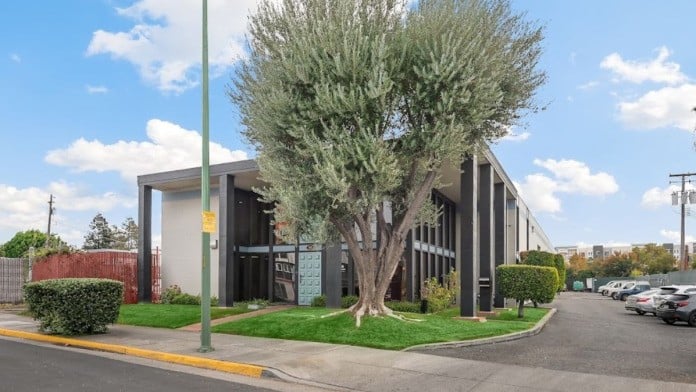
Located on Park Avenue, the facility is not far from parks, restaurants and other local attractions in downtown San Jose. One place you might like visiting in your spare time after treatment sessions is the San Jose Museum of Art. It features art from the 20th century along with a cafe and an education center.
A Program For Healing the Family
The Family Program helps clients and their families understand the negative impact of addiction and how to recover from it. Counselors will provide education on rebuilding health communication and creating supportive relationships. The goal is for every family member to feel supported as they work towards healing.
Latest Reviews
I went to New life recovery center when I was 19 and 20 and had a really really bad habit. I’m now 14 years sober and I truly have NLR To thank for that. They would go out of their way for me in ways that I’ve never seen a recovery center go out of their waiver addicts, and it made me believe in recovery again. Although this was not my last stop on the recovery train, it was my favorite stop, and I truly cherish everybody who was there. RIP Terri She gave me so much valuable knowledge that I could never forget. The staff always made me feel like family. I just wanted to drop my review since it’s been so very long since I visited this place but I am a success story! 3% Club. They’re sober living program was also And really put my butt into gear. The reality check that I needed was always sitting here. Thank you all for being a part of my recovery journey. I now have three beautiful children. And I think the staff and new life every day. - Brooke
Your words about the staff, the sober living program, and Terri mean more than we can express. Terri touched many lives, and we are grateful that her guidance has stayed with you throughout the years.
The strength, perseverance, and commitment behind your recovery belong to you. Hearing that you are now raising three beautiful children and continuing to carry recovery forward is truly inspiring. Thank you for coming back after so many years to share your success story. Everyone at New Life is celebrating this milestone with you and wishing you and your family continued happiness, health, and hope.
Response from the owner1 week ago
Brooke, thank you for sharing this incredibly meaningful update. Fourteen years of sobriety is an extraordinary accomplishment, and we are deeply honored that New Life Recovery Centers was part of your journey.Your words about the staff, the sober living program, and Terri mean more than we can express. Terri touched many lives, and we are grateful that her guidance has stayed with you throughout the years.
The strength, perseverance, and commitment behind your recovery belong to you. Hearing that you are now raising three beautiful children and continuing to carry recovery forward is truly inspiring. Thank you for coming back after so many years to share your success story. Everyone at New Life is celebrating this milestone with you and wishing you and your family continued happiness, health, and hope.
All I have to say is I could not have gotten clean with NLR! This place is amazing all the staff are excellent make you feel good about being there. Walking in to the gates I had so many emotions but seeing everyone smile and say hello gave me some ease. If you are looking to sleep all day and think you’re on vacation this definitely ain’t the place for you. You’re busy all day. The classes you take a lot from them Mitch and Rob man they really pump knowledge that will have like shit was it really that bad that I needed to be out there doing x y z. The chief Shilpa ABSOLUTELY AMAZING L!!! Meals amazing 5 star and she is just the sweetest. Lupe chief Shiloh’s assistant absolutely amazing!!! All the clinical techs all so cool very friendly they too started their journey with new life so they know exactly what you’re going through cause they come from the same life styles. I recommend new life too everyone in the addiction. Today I have 90 days clean by the grace of god and new life.
We’re grateful you trusted New Life Recovery Centers during such an emotional and uncertain time. Entering recovery isn’t easy when an addiction is active. It’s powerful to hear that the support, warmth, and genuine care from our team helped bring you some peace right from the start.
It’s especially meaningful to hear your recognition of the structure and purpose behind the program. Recovery is not about escaping: it’s about rebuilding. We’re glad the classes, guidance from Mitch and Rob, and the daily engagement made an impact and helped you reflect in a deeper way.
We’ll be sure to share your kind words with Chef Shilpa, Lupe, and the entire team. They put their hearts into what they do every day, and your appreciation means the world to them. The fact that many of our staff have walked a similar path is something we take great pride in. It creates a level of understanding and connection that truly matters.
Thank you again for your recommendation and for allowing us to be part of your story. We’re proud of you, and we’re here for you every step of the way.
— The New Life Recovery Centers Team
Response from the owner1 week ago
Thank you so much for taking the time to share this! It truly means a lot to our entire team. First, congratulations on 90 days clean. That is an incredible milestone, and we’re honored to have been part of your journey.We’re grateful you trusted New Life Recovery Centers during such an emotional and uncertain time. Entering recovery isn’t easy when an addiction is active. It’s powerful to hear that the support, warmth, and genuine care from our team helped bring you some peace right from the start.
It’s especially meaningful to hear your recognition of the structure and purpose behind the program. Recovery is not about escaping: it’s about rebuilding. We’re glad the classes, guidance from Mitch and Rob, and the daily engagement made an impact and helped you reflect in a deeper way.
We’ll be sure to share your kind words with Chef Shilpa, Lupe, and the entire team. They put their hearts into what they do every day, and your appreciation means the world to them. The fact that many of our staff have walked a similar path is something we take great pride in. It creates a level of understanding and connection that truly matters.
Thank you again for your recommendation and for allowing us to be part of your story. We’re proud of you, and we’re here for you every step of the way.
— The New Life Recovery Centers Team
I had a really positive experience at New Life Recovery Center. From day one, everyone made me feel welcome and not judged. It’s a calm, supportive place where you can actually focus on getting better and figuring things out.
What makes this place different is the staff. Every person I met has been through addiction themselves, so they truly get it. You’re not talking to people reading from a book. You’re talking to people who have lived it and come out the other side. That shows in the way they listen, the way they talk to you, and the patience and compassion they bring every day.
The groups were helpful and real. People share honestly and support each other. The counselors and techs are down to earth and always willing to talk if you’re having a rough day. You can tell they care and want you to succeed.
If you’re looking for a place where people understand recovery on a personal level and treat you with respect and kindness, I’d recommend New Life Recovery Center. It’s a solid, supportive community for anyone trying to get their life back on track.
We’re grateful you felt welcomed and not judged from day one. That’s something we work hard to create every single day. Recovery can feel overwhelming at first, and knowing you experienced a calm, supportive environment tells us we’re doing what matters most: making sure people feel safe enough to focus on healing.
We’re also glad the groups felt honest and supportive. Recovery happens in community, and when people show up authentically for one another, powerful change takes place. Hearing that our counselors and techs were there for you on the hard days means everything.
Most of all, thank you for recommending us. It takes courage to get your life back on track, and we’re honored you allowed us to be part of your journey. We wish you continued strength, growth, and peace in your recovery. And remember, you’ll always have a community here cheering you on. 💖
Response from the owner1 week ago
Thank you so much for taking the time to share your experience, VS! Your words truly mean a lot to our entire team.We’re grateful you felt welcomed and not judged from day one. That’s something we work hard to create every single day. Recovery can feel overwhelming at first, and knowing you experienced a calm, supportive environment tells us we’re doing what matters most: making sure people feel safe enough to focus on healing.
We’re also glad the groups felt honest and supportive. Recovery happens in community, and when people show up authentically for one another, powerful change takes place. Hearing that our counselors and techs were there for you on the hard days means everything.
Most of all, thank you for recommending us. It takes courage to get your life back on track, and we’re honored you allowed us to be part of your journey. We wish you continued strength, growth, and peace in your recovery. And remember, you’ll always have a community here cheering you on. 💖

Rehab Score
 Our Methodology
Scoring is assigned by a proprietary system which helps surface key metrics that determine quality. The 10-point scale factors in categories such as operations, customer satisfaction, and trust metrics. Read Full Methodology

8.3 / 10
Gallery


Accepted Insurance
Other Forms of Payment
Private insurance refers to any kind of healthcare coverage that isn't from the state or federal government. This includes individual and family plans offered by an employer or purchased from the Insurance Marketplace. Every plan will have different requirements and out of pocket costs so be sure to get the full details before you start treatment.
Self-pay involves paying for treatment out of your own pocket. You can use savings or credit, get a personal loan, or receive help from family and friends to fund your treatment. If you don't have insurance or your insurance plan doesn't cover a specific program, self-pay can help ensure you still get the care you need.
Addiction Treatments
Levels of Care
Outpatient programs are for those seeking mental rehab or drug rehab, but who also stay at home every night. The main difference between outpatient treatment (OP) and intensive outpatient treatment (IOP) lies in the amount of hours the patient spends at the facility. Most of the time an outpatient program is designed for someone who has completed an inpatient stay and is looking to continue their growth in recovery. Outpatient is not meant to be the starting point, it is commonly referred to as aftercare. The New Life Recovery Centers’ Outpatient Treatment program gives clients a chance to stay working or start functioning in a “real world” environment while still being part of a peer-oriented therapeutic outpatient program. In outpatient regular assessments are made on client progress by clinical staff to help determine the length of the outpatient program for each and every client.
Residential treatment programs are those that offer housing and meals in addition to substance abuse treatment. Rehab facilities that offer residential treatment allow patients to focus solely on recovery, in an environment totally separate from their lives. Some rehab centers specialize in short-term residential treatment (a few days to a week or two), while others solely provide treatment on a long-term basis (several weeks to months). Some offer both, and tailor treatment to the patient's individual requirements. At New Life Recovery Centers, clients receive the very best residential treatment for addiction and alcoholism. Their residential treatment program include realistic goal-oriented treatment planning, extensive one-on-one counseling, group therapy, informative and educational lectures, ongoing relapse prevention groups, and specific ongoing personalized treatment plans created for individual clients on a case-by-case basis. While in their residential treatment program clients are transported to 12-Step meetings within the community as well as 12 step meetings are facilitated in the residential treatment program. Their clinical staff of professionals consists of certified CAADAC counselors and psychologists. The competency levels of their clinical staff in their residential treatment program exceed international certification standards.
Intensive Outpatient Programs (IOP) are for those who want or need a very structured treatment program but who also wish to live at home and continue with certain responsibilities (such as work or school). IOP substance abuse treatment programs vary in duration and intensity, and certain outpatient rehab centers will offer individualized treatment programs.
Rehab aftercare programs offer clients in addiction recovery a robust continuum of care after clients have completed active treatment. These services address recovery as a life-long process and are designed to evolve with clients' changing needs. Clients may partner with their case managers and/or addiction recovery team to identify the rehab aftercare services that are right for them. They may receive career counseling, housing assistance, peer coaching, 12 step program induction, among many other services.
12-step programs are addiction recovery models based on Alcoholics Anonymous (AA). A number of substance abuse programs (including some drug and alcohol rehab centers) use the 12 steps as a basis for treatment. Beginning steps involve admitting powerlessness over the addiction and creating a spiritual basis for recovery. Middle steps including making direct amends to those who've been hurt by the addiction, and the final step is to assist others in addiction recovery in the same way. 12-Step offshoots including Narcotics Anonymous (NA), Cocaine Anonymous (CA), Dual Recovery Anonymous (DRA), Sex and Love Addicts Anonymous (SLAA) and Gamblers Anonymous (GA).
New Life Recovery Centers operates several Sober Living Homes in Northern California. Their Sober Living Homes provide clean, safe, drug-free living environments for clients in early recovery. This extensive network of Sober Living Homes are certified by the District Attorneys office in Santa Clara County, California and held to the highest standards in the industry. Besides helping ensure sobriety, Sober Living Homes can assist clients transitioning from residential treatment into a supportive, drug-free, safe place allowing them the freedom to start working on goals they have set in treatment to rebuild their lives. New Life Recovery Centers is proud to offer some of the most affordable fees for Sober Living Homes in all of California. They realize that a safe, structured, and economical approach is the proper support system needed for the recovering individual when entering a Sober Living Home.
Intervention Services helps family or friends of addicts stage an intervention, which is a meeting in which loved ones share their concerns and attempt to get an addict into treatment. Professional intervention specialists can help loved ones organize, gather, and communicate with an addict. They can guide intervention participants in describing the damage the addict’s behavior is causing and that outside help is necessary to address the addiction. The ideal outcome of an intervention is for the addict to go to rehab and get the help they need. New Life Recovery Centers intervention can help you confront the addiction sufferer in your life. Listening closely to your perspective and looking closely at the behaviors you convey, wthey can help you create a positive environment in which to bring your loved one’s problems to light with intervention from their staff.
Commonly known as "day treatment," a partial hospitalization program (PHP) is an intensive form of outpatient treatment where clients meet during the day and return home in the evening. PHP treatment doesn't require 24-hour care and often serves as an alternative to inpatient hospitalization or a step-down after a residential program. With PHP treatment, you can receive daily support for 6 to 8 hours which includes evidence-based therapies and medication management. The cost of PHP treatment typically varies but averages 90 days.
During the first phase of recovery – detox – it is crucial to have 24-hour clinical care in California. This care provides constant monitoring in order to ensure your safely and comfort as you progress through the withdrawal process for drug or alcohol addiction. Licensed professionals prescribe medications to treat withdrawal symptoms and provide frequent monitoring to ensure your safely as addictive toxins leave your system.
Drug and alcohol addiction often takes a heavy toll on one’s body. Over time, a physical dependence can develop, meaning the body physiologically needs the substance to function. Detox is the process of removing drugs and/or alcohol from the body, a process that can be lethal if mismanaged. Medical detox is done by licensed medical professionals who monitor vital signs and keep you safe, healthy, and as comfortable as possible as you go through detox and withdrawal. Detox is usually the fist level of care clients enter when coming to the New Life Recovery Centers. The detoxification (‘detox’) period varies in length and treatment depending on the individual and the drug they are using and severity of detox symptoms. New Life Recovery Centers provides 24 hours of non-medical services, and regularly consults with trained and credentialed medical professionals to develop health screenings, detoxification protocols, treatment plans, and medical advice based on client need.
Treatments
The goal of treatment for alcoholism is abstinence. Those with poor social support, poor motivation, or psychiatric disorders tend to relapse within a few years of treatment. For these people, success is measured by longer periods of abstinence, reduced use of alcohol, better health, and improved social functioning. Recovery and Maintenance are usually based on 12 step programs and AA meetings.
Drug rehab in California teaches participants constructive ways to stay clean and sober. Treatment revolves around helping individuals stop using the substance they are addicted to and learn healthy habits to avoid relapse.
Many of those suffering from addiction also suffer from mental or emotional illnesses like schizophrenia, bipolar disorder, depression, or anxiety disorders. Rehab and other substance abuse facilities treating those with a dual diagnosis or co-occurring disorder administer psychiatric treatment to address the person's mental health issue in addition to drug and alcohol rehabilitation.
A combined mental health and substance abuse rehab has the staff and resources available to handle individuals with both mental health and substance abuse issues. It can be challenging to determine where a specific symptom stems from (a mental health issue or an issue related to substance abuse), so mental health and substance abuse professionals are helpful in detangling symptoms and keeping treatment on track.
Opioid rehabs specialize in supporting those recovering from opioid addiction. They treat those suffering from addiction to illegal opioids like heroin, as well as prescription drugs like oxycodone. These centers typically combine both physical as well as mental and emotional support to help stop addiction. Physical support often includes medical detox and subsequent medical support (including medication), and mental support includes in-depth therapy to address the underlying causes of addiction.
Programs
Adult rehab programs include therapies tailored to each client's specific needs, goals, and recovery progress. They are tailored to the specific challenges adult clients may face, including family and work pressures and commitments. From inpatient and residential treatment to various levels of outpatient services, there are many options available. Some facilities also help adults work through co-occurring conditions, like anxiety, that can accompany addiction.
Young adulthood can be an exciting, yet difficult, time of transition. Individuals in their late teens to mid-20s face unique stressors related to school, jobs, families, and social circles, which can lead to a rise in substance use. Rehab centers with dedicated young adult programs will include activities and amenities that cater to this age group, with an emphasis on specialized counseling, peer socialization, and ongoing aftercare.
Clinical Services
Cognitive behavioral therapy in California is a method that therapists often use for the effective treatment of substance use disorders. It is based on the principle that substance abuse stems from unhelpful ways of thinking and patterns of behavior, which can be changed by helping the individual learn better ways of coping.
Group therapy is any therapeutic work that happens in a group (not one-on-one). There are a number of different group therapy modalities, including support groups, experiential therapy, psycho-education, and more. Group therapy involves treatment as well as processing interaction between group members.
In individual therapy, a patient meets one-on-one with a trained psychologist or counselor. Therapy is a pivotal part of effective substance abuse treatment, as it often covers root causes of addiction, including challenges faced by the patient in their social, family, and work/school life.
Trauma therapy is a structured approach used by therapists to help you heal from a past traumatic event. Your therapist works with you to identify the traumatic memory and process the information so you experience emotional healing and a sense of safety and stability.
The goal of couples therapy in California is to strengthen the couple's relationship. The therapist may take one or more approaches to counseling which may include the Gottman method, emotionally focused therapy, behavioral therapy, and psychodynamic couple's therapy.
Research clearly demonstrates that recovery is far more successful and sustainable when loved ones like family members participate in rehab and substance abuse treatment. Genetic factors may be at play when it comes to drug and alcohol addiction, as well as mental health issues. Family dynamics often play a critical role in addiction triggers, and if properly educated, family members can be a strong source of support when it comes to rehabilitation. New Life Recovery Center offers a four-week Family Program designed to help both clients and their family members recognize the effects addiction has on the family system and learn tools to bring about positive changes in their lives. Each week they will strive toward specific goals to help the families achieve healthier and happier relationships in their Family Program.
While in rehab treatment, you may work on developing various life skills to help you in long term recovery. These may include resilience, interpersonal skills, and self awareness. The focus will be on developing healthy habits for self care and relationships so you have the skills you need to manage day to day life.
Recreational therapy is included in alcohol and drug addiction treatment to focus on engaging you in healthy activities that reduce your cravings and improve your overall health and well being. When you participate in group sports, art, or nature walks, you develop new interests and find a meaningful way to spend your time and reduce your cravings.
Amenities
-
 Residential Setting
 -
 Private Rooms
Staff & Accreditations
Staff
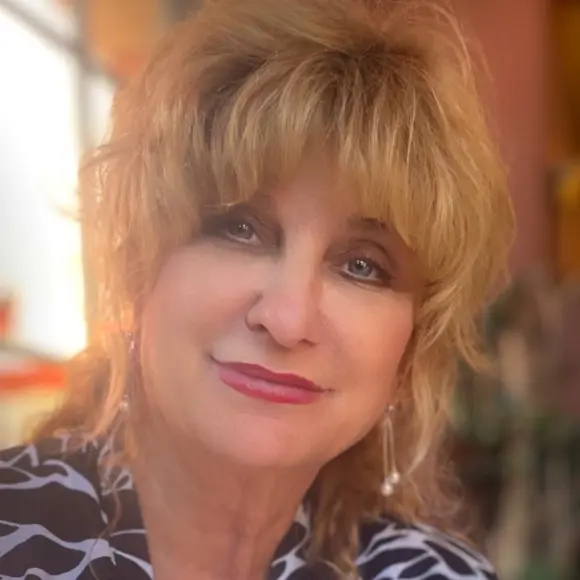
Linda Richardson
CEO
Accreditations

The Commission on Accreditation of Rehabilitation Facilities (CARF) is a non-profit organization that specifically accredits rehab organizations. Founded in 1966, CARF's, mission is to help service providers like rehab facilities maintain high standards of care.
CARF Accreditation: Yes

LegitScript has reviewed New Life Recovery Centers as part of their certification program, and has determined that it meets the LegitScript standards for legality, safety and transparency.
LegitScript verified in

State Licenses are permits issued by government agencies that allow rehab organizations to conduct business legally within a certain geographical area. Typically, the kind of program a rehab facility offers, along with its physical location, determines which licenses are required to operate legally.
State License: California
Rehab.com regularly reviews this listing for accuracy but changes may occur between updates. For the most up-to-date information, please contact New Life Recovery Centers.
Contact Information

782 Park Avenue
Suite 1
San Jose, CA 95126
Get Help Now - 669-208-3268
Sponsored Helpline
Sponsored Helpline


