



























































































They saved my life. They taught me how to live happy and free from alcohol and drugs. When I came here, I had nothing, not even hope, but when the program finished, I was able to walk out proud of whom I had become. Thank you New Valentine.
About New Valentine Alano Club
New Valentine Alano Club is a nonprofit recovery clubhouse in Chicago, Illinois, supporting a sober men’s recovery residence grounded in the principles of Alcoholics Anonymous.
The club serves men seeking sobriety through 12-step fellowship, daily meetings and community-based recovery support, with additional Al-Anon programming available for loved ones of those struggling with alcoholism.
Operating separately from AA but fully aligned with its 12 Steps and 12 Traditions, the club fosters an atmosphere where recovery is reinforced through connection, service and shared experience.
Sober Men’s Recovery Residence and 12 Step Fellowship
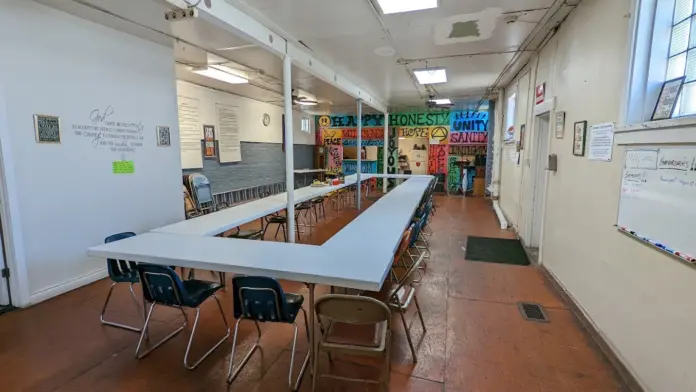
The heart of New Valentine Alano Club is its sober men’s house, which provides beds, food, lodging and a stable recovery environment for men committed to working a 12 step program.
The residence is designed for individuals ready to embrace sobriety within a supportive, structured community.
Daily life centers on fellowship, meeting attendance and service work, with traditional AA style meetings held throughout the day both in person and via Zoom.
Members frequently describe the club as welcoming, clean and life changing.
Community Hub for Recovery and Family Support
Beyond residential support, the club functions as a neighborhood recovery hub with Saturday morning breakfasts, volunteer opportunities and newcomer outreach.
An on-site Al-Anon meeting extends support to family members affected by a loved one’s alcohol use, strengthening the club’s role as a resource for the wider recovery community.
Visit the Club on Archer Avenue
New Valentine Alano Club is located on S Archer Ave in Chicago and is open daily, with online meeting access also available.
Club membership is offered through low cost monthly or annual dues, with self pay options referenced for residence participation.
Edited by:
Maygen Brockway, MTC
Latest Reviews
Saved my life 11/8/1987
Today was the first time I went there. They were holding a big book study, spacious and clean. The members were friendly and accepted me with open arms. The Insight got me threw another day. I highly recommend.
Response from the owner5 months ago
Thank You Amanda. It certainly is a wonderful place. ❤️
Good place. Website here doesn't work.

Rehab Score
 Our Methodology
Scoring is assigned by a proprietary system which helps surface key metrics that determine quality. The 10-point scale factors in categories such as operations, customer satisfaction, and trust metrics. Read Full Methodology

6 / 10
Gallery
Other Forms of Payment
Private insurance refers to any kind of healthcare coverage that isn't from the state or federal government. This includes individual and family plans offered by an employer or purchased from the Insurance Marketplace. Every plan will have different requirements and out of pocket costs so be sure to get the full details before you start treatment.
Self-pay involves paying for treatment out of your own pocket. You can use savings or credit, get a personal loan, or receive help from family and friends to fund your treatment. If you don't have insurance or your insurance plan doesn't cover a specific program, self-pay can help ensure you still get the care you need.
Sliding scale payments are based on a client's income and family size. The goal is to make treatment affordable to everyone. By taking these factors into account, addiction recovery care providers help ensure that your treatment does not become a financial burden to you or your family, eliminating one barrier to care.
 Free
FreeAddiction Treatments
Levels of Care
Outpatient Programs (OP) are for those seeking mental rehab or drug rehab, but who also stay at home every night. The main difference between outpatient treatment (OP) and intensive outpatient treatment (IOP) lies in the amount of hours the patient spends at the facility. Most of the time an outpatient program is designed for someone who has completed an inpatient stay and is looking to continue their growth in recovery. Outpatient is not meant to be the starting point, it is commonly referred to as aftercare.
Rehab aftercare programs provide a full continuum of care for clients who are exiting inpatient treatment. Though outpatient care is often considered an element of drug rehab aftercare, services typically continue for the remainder of the clients' life and long after formal treatment is completed. Clients work with their case managers and care team to formulate a customized portfolio of medical, mental health, and social service resources designed to evolve as the client's needs change.
12-step programs are addiction recovery models based on Alcoholics Anonymous (AA). A number of substance abuse programs (including some drug and alcohol rehab centers) use the 12 steps as a basis for treatment. Beginning steps involve admitting powerlessness over the addiction and creating a spiritual basis for recovery. Middle steps including making direct amends to those who've been hurt by the addiction, and the final step is to assist others in addiction recovery in the same way. 12-Step offshoots including Narcotics Anonymous (NA), Cocaine Anonymous (CA), Dual Recovery Anonymous (DRA), Sex and Love Addicts Anonymous (SLAA) and Gamblers Anonymous (GA).
Loved ones can utilize a drug intervention in Illinois to help with addressing a family member's problematic substance use. The goal of the intervention is to educate the individual about the negative effects of their substance use and encourage them to accept professional treatment. Intervention services can help families initiate this conversation and plan appropriate follow-up care, such as inpatient or outpatient rehab.
Sober Living Houses (SLHs), aka sober homes or halfway houses, are safe, substance-free, supportive living facilities for those recovering from substance abuse. Ideal for those who've just been through inpatient or outpatient treatment, SLHs are supervised environments with rules that support sobriety, such as curfews, shared chores, and therapeutic meetings. Residents are also often trained on life skills and coping skills to make it easier to transition into society. SLHs also provide a strong sense of community that can lead to the kind of deep and lasting connections with other sober individuals that supports a new, healthy lifestyle.
Treatments
The goal of treatment for alcoholism is abstinence. Those with poor social support, poor motivation, or psychiatric disorders tend to relapse within a few years of treatment. For these people, success is measured by longer periods of abstinence, reduced use of alcohol, better health, and improved social functioning. Recovery and Maintenance are usually based on 12 step programs and AA meetings.
Drug rehab in Illinois is designed to help people recover from addiction to a number of substances. The length of each program and its intensity tend to vary, and the plan of care is based on your individual needs.
Dual-diagnosis addiction treatment in Illinois focuses on integrated care for individuals with co-occurring substance use disorders and mental health conditions. These specialized rehab programs include detox, medication-assisted treatment, residential drug and alcohol rehab, and outpatient programs. Treatment incorporates a combination of trauma-informed and evidence-based therapies — like cognitive behavioral therapy, dialectical behavioral therapy, and motivational interviewing— support groups, and skills training to holistically address addiction and co-occurring disorders at the same time, enhancing your mental, physical, and emotional health.
Specialized dual-diagnosis rehabs in Illinois have the expertise to treat co-occurring mental health and substance abuse issues. Offered on an inpatient and outpatient basis, these comprehensive treatment programs include medical and psychological support, experiential therapies, counseling, and evidence-based therapeutic interventions aimed at addressing substance use disorders and improving mental health.
Opioid rehabs specialize in supporting those recovering from opioid addiction. They treat those suffering from addiction to illegal opioids like heroin, as well as prescription drugs like oxycodone. These centers typically combine both physical as well as mental and emotional support to help stop addiction. Physical support often includes medical detox and subsequent medical support (including medication), and mental support includes in-depth therapy to address the underlying causes of addiction.
Programs
Adult rehab programs include therapies tailored to each client's specific needs, goals, and recovery progress. They are tailored to the specific challenges adult clients may face, including family and work pressures and commitments. From inpatient and residential treatment to various levels of outpatient services, there are many options available. Some facilities also help adults work through co-occurring conditions, like anxiety, that can accompany addiction.
Young adulthood can be an exciting, yet difficult, time of transition. Individuals in their late teens to mid-20s face unique stressors related to school, jobs, families, and social circles, which can lead to a rise in substance use. Rehab centers with dedicated young adult programs will include activities and amenities that cater to this age group, with an emphasis on specialized counseling, peer socialization, and ongoing aftercare.
Clinical Services
Group therapy is any therapeutic work that happens in a group (not one-on-one). There are a number of different group therapy modalities, including support groups, experiential therapy, psycho-education, and more. Group therapy involves treatment as well as processing interaction between group members.
During one on one therapy sessions for drug and alcohol addiction, you and your therapist work collaboratively to develop effective relapse prevention plans and improve your self awareness. This helps address your specific needs, including the effectiveness of several evidence based treatment modalities that may work best for you.
Research clearly demonstrates that recovery is far more successful and sustainable when loved ones like family members participate in rehab and substance abuse treatment. Genetic factors may be at play when it comes to drug and alcohol addiction, as well as mental health issues. Family dynamics often play a critical role in addiction triggers, and if properly educated, family members can be a strong source of support when it comes to rehabilitation.
Amenities
-
 Residential Setting
 -
 Private Setting
Contact Information

2997 S Archer Ave
Chicago, IL 60608
Get Help Now - 708-470-6914
Sponsored Helpline
Sponsored Helpline


