










All In Solutions Counseling Center
1
Top 10 Rehab Centers In Boynton Beach



















































































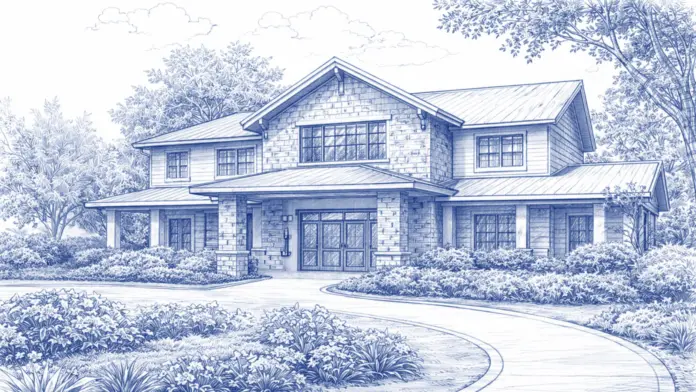
The Next Step Center in suburban Stuart, Florida, supports men with substance use disorders. This halfway home has specialty groups tailored for the needs of professionals and first responders The center started in 1994 and is near the St. Lucie River.
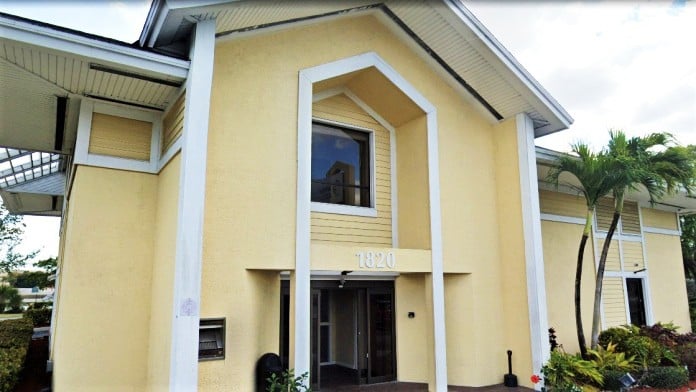
Upon arriving, clients find a welcoming residential home designed to provide a safe and confidential atmosphere with comfortable counseling and group therapy rooms. The halfway home offers space for spiritual and Christian fellowship so you can attend AA meetings and perform chores and other upkeep as you build healthy routines.
I really liked that previous clients describe Next Ste[p as supportive, compassionate, and dedicated. Many mention an individualized approach and genuine care from their peers. There is also positive feedback regarding the life skills and coping tools learned during treatment.
Staff emphasize a commitment to “meeting clients where they are” in their recovery journey, while focusing on helping clients “reclaim their lives and build healthy futures.” Group therapy and work therapy are core features. You learn daily living skills, financial management, and gain assistance as you look for work.
Counseling also includes relapse prevention planning and aftercare coordination. There is a focus on long term sobriety with life skills, coping mechanisms, and healthy lifestyle planning. I like that family involvement is encouraged as a part of the healing process. The center works with patients to explore payment and coverage arrangements.

 Our Methodology


Self-pay involves paying for treatment out of your own pocket. You can use savings or credit, get a personal loan, or receive help from family and friends to fund your treatment. If you don't have insurance or your insurance plan doesn't cover a specific program, self-pay can help ensure you still get the care you need.
Sliding scale payments are based on a client's income and family size. The goal is to make treatment affordable to everyone. By taking these factors into account, addiction recovery care providers help ensure that your treatment does not become a financial burden to you or your family, eliminating one barrier to care.
Residential treatment programs are those that offer housing and meals in addition to substance abuse treatment. Rehab facilities that offer residential treatment allow patients to focus solely on recovery, in an environment totally separate from their lives. Some rehab centers specialize in short-term residential treatment (a few days to a week or two), while others solely provide treatment on a long-term basis (several weeks to months). Some offer both, and tailor treatment to the patient's individual requirements.
Sober Living Houses (SLHs), aka sober homes or halfway houses, are safe, substance-free, supportive living facilities for those recovering from substance abuse. Ideal for those who've just been through inpatient or outpatient treatment, SLHs are supervised environments with rules that support sobriety, such as curfews, shared chores, and therapeutic meetings. Residents are also often trained on life skills and coping skills to make it easier to transition into society. SLHs also provide a strong sense of community that can lead to the kind of deep and lasting connections with other sober individuals that supports a new, healthy lifestyle.
Completing a drug or alcohol rehab program shouldn't spell the end of substance abuse treatment. Aftercare involves making a sustainable plan for recovery, including ongoing support. This can include sober living arrangements like halfway houses, career counseling, and setting a patient up with community programs like Alcoholics Anonymous (AA) or Narcotics Anonymous (NA).
The goal of treatment for alcoholism is abstinence. Those with poor social support, poor motivation, or psychiatric disorders tend to relapse within a few years of treatment. For these people, success is measured by longer periods of abstinence, reduced use of alcohol, better health, and improved social functioning. Recovery and Maintenance are usually based on 12 step programs and AA meetings.
Drug rehab in Florida provides quality treatment to help individuals overcome dependency related to a wide range of addictive substances. Programs address both the physical and mental aspects of addiction in order to help you make a full recovery.
Substance rehabs focus on helping individuals recover from substance abuse, including alcohol and drug addiction (both illegal and prescription drugs). They often include the opportunity to engage in both individual as well as group therapy.
Adult rehab programs include therapies tailored to each client's specific needs, goals, and recovery progress. They are tailored to the specific challenges adult clients may face, including family and work pressures and commitments. From inpatient and residential treatment to various levels of outpatient services, there are many options available. Some facilities also help adults work through co-occurring conditions, like anxiety, that can accompany addiction.
Young adulthood can be an exciting, yet difficult, time of transition. Individuals in their late teens to mid-20s face unique stressors related to school, jobs, families, and social circles, which can lead to a rise in substance use. Rehab centers with dedicated young adult programs will include activities and amenities that cater to this age group, with an emphasis on specialized counseling, peer socialization, and ongoing aftercare.
Group therapy is any therapeutic work that happens in a group (not one-on-one). There are a number of different group therapy modalities, including support groups, experiential therapy, psycho-education, and more. Group therapy involves treatment as well as processing interaction between group members.
Rehab.com regularly reviews this listing for accuracy but changes may occur between updates. For the most up-to-date information, please contact Next Step Center.

919 Northwest Fork Road
Stuart, FL 34994
Sponsored Helpline

I was there recently visiting a family member and I was very pleased with the care they were receiving. I especially liked Rose who came in to clean while I was there. The way she interacted with them was just wonderful. It is always easy to find the problem people but when you find one that makes your loved one feel so special it is heartwarming and worth sharing. Thank you Rose for being who you are.

The Goldton at Stuart is a wonderful assisted living community with a caring and compassionate staff who truly treat residents like family. The community is clean, welcoming, and offers great amenities, engaging activities, delicious meals, and personalized care to meet each resident’s needs. It’s clear that the team goes above and beyond to ensure everyone feels safe, respected, and well cared for. My grandmother just can’t get enough of this place. I would highly recommend The Goldton at Stuart to anyone looking for quality care for a loved one.

Amazing community

I had a wonderful visit at The Goldton at Stuart! From the moment I arrived, everyone was incredibly welcoming and kind. The staff was friendly, attentive, and genuinely helpful, making the entire experience enjoyable. The food was excellent, and one of the things that stood out most was seeing residents and team members actively engaging with one another. There was such a warm, positive atmosphere throughout the community, and it was clear that the people there truly care about creating a welcoming environment. I left with a great impression and would highly recommend The Goldton at Stuart to anyone looking for a caring and vibrant senior living community.
 Back
Back
Sharing your insights and experiences can help others learn more about this rehab center.
 Written By: Quentin Blount
Content Director
Written By: Quentin Blount
Content Director