















































































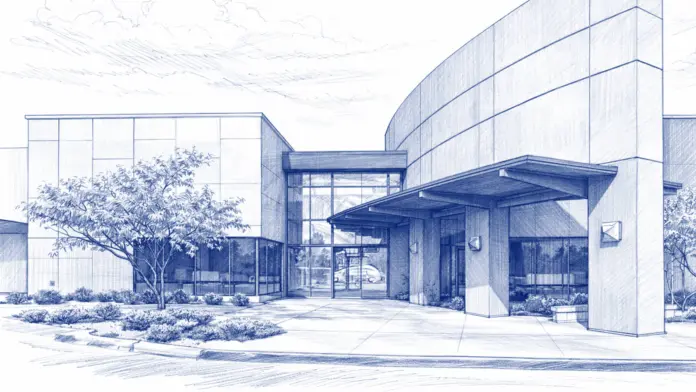



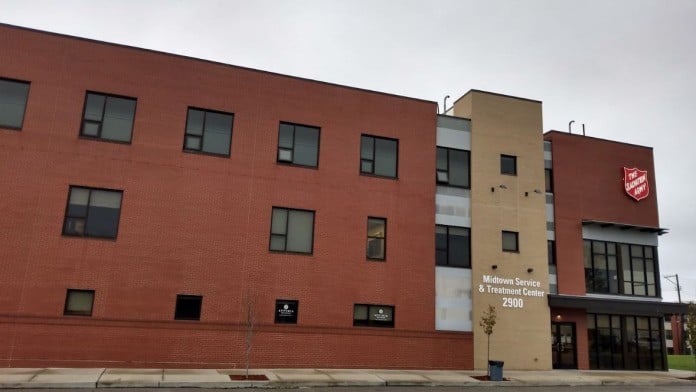
About Northstar Behavioral Health Network
Northstar Behavioral Health Network, located in Oakdale, Minnesota is a alcohol and drug rehab that offers treatment for a variety of substance abuse addictions including opiate addiction. They offer residential care providing long term support for addiction recovery, as well as flexible outpatient addiction therapy allowing patients to live at home while receiving regular treatment. Additional levels of care offered include relapse prevention.
Patients at Northstar Behavioral Health Network will find the residential setting creates an immersive environment promoting full engagement in recovery away from daily triggers.

Rehab Score
 Our Methodology
Scoring is assigned by a proprietary system which helps surface key metrics that determine quality. The 10-point scale factors in categories such as operations, customer satisfaction, and trust metrics. Read Full Methodology

0.9 / 10
Location
Other Forms of Payment
Medicaid is a state based program that helps lower-income individuals and families pay for healthcare. Medicaid covers addiction treatment so those enrolled can use their coverage to pay for rehab. When a program accepts Medicaid the client often pays very little or nothing out of their own pocket.
Addiction Treatments
Levels of Care
Clients typically enter inpatient rehab after they complete detox. Inpatient care is also designed for clients who are experiencing a crisis and are at an increased risk of relapse. Clients reside at the treatment center for the duration of their program. Clients engage in intensive addiction counseling, often using CBT, DBT, RBT, motivational interviewing or other proven modalities. Many inpatient rehabs offer recovery-focused life skills training. Evidence-based complementary therapies, such as meditation and yoga, may be included.
Outpatient rehabs typically provide a full continuum of care both for clients in early recovery and for those who are well advanced in their recovery journey. Their levels of care typically include partial hospitalization (PHP), intensive outpatient (IOP), sober living/halfway housing, and standard outpatient programming. Many outpatient facilities offer evening, night, and weekend services, including addiction counseling and recovery-focused life skills training, to accommodate clients' work and family schedules.
Rehab aftercare programs provide robust, wraparound care for clients who have completed detox and/or intensive inpatient rehab. Their services may vary widely, but typically include peer coaching, relapse prevention support, 12 step program induction, career counseling, and related community reintegration services. The client's case manager and recovery team coordinates with the client to identify the rehab aftercare services they need to promote their sustained sobriety.
Treatments
 Opioid Addiction
Substance abuse treatment programs in Minnesota are designed to support individuals to overcome addiction. These programs employ evidence-based therapies such as cognitive-behavioral therapy (CBT), dialectical behavior therapy (DBT), and eye movement desensitization and reprocessing (EMDR), together with individual and group therapy, and recovery meetings. With a variety of treatment options available, which typically include outpatient, inpatient, dual-diagnosis, and partial hospitalization, you'll be able to find a personalized treatment option that works for your individual needs.
Clinical Services
Qualified therapists in Minnesota offer individual therapy to men and women so they can receive customized care tailored to their needs. Your therapist works to understand your unique circumstances and provide you with targeted interventions and coping skills essential for long term recovery.
People benefit from group therapy sessions that offer them the chance to learn and practice conflict resolution skills with their peers. This helps you recognize your strengths and capabilities, which boosts your self confidence as you work toward overcoming addiction and building a healthier lifestyle.
Families in Minnesota use family therapy to understand the roles they play in addiction. Each member plays a role and contributes to a pattern of behavior. Families learn to interact in healthier ways that support each other and contribute to their loved one's journey to recovery.
Amenities
-
 Residential Setting
Contact Information

5713 Geneva Ave N, Oakdale, MN 55128
Get Help Now - 612-895-3267
Sponsored Helpline
Sponsored Helpline