If you’re here, you may be trying to understand what an opioid overdose actually does to the body, worried about someone who uses opioids, or attempting to make sense of a drug overdose that has already happened. The most important fact to consider is simple: opioids usually kill by slowing and then stopping breathing, and naloxone can reverse that effect if it is given in time.
It is important to recognize what an opioid overdose looks like, why fentanyl has made overdoses faster and more dangerous, how naloxone works, and what doctors and nurses do in the hospital after an overdose.
Key Points
- Opiates overdose kills by slowing breathing until it stops. Without oxygen, the brain begins sustaining damage within minutes.
- The classic signs are pinpoint pupils, unresponsiveness, and very slow or stopped breathing. Snoring or gurgling sounds during sleep are warning signs people often miss.
- Illicit fentanyl is involved in the majority of U.S. opioid overdose deaths and is now found in counterfeit pills, heroin, and even contaminated stimulants.
- Naloxone (Narcan) reverses an opioid overdose within minutes by displacing opioids from receptors in the brain. It is safe even when opioids are not involved.
- The weeks after an overdose are one of the highest-risk periods for a second overdose and also the highest-receptivity window for starting treatment.
What an Opioid Overdose Does to the Body
Opioids affect a part of your brainstem that controls your breathing. In normal situations, you don’t have to think about taking a breath; your brain does it for you. However, during an overdose, opioids suppress that signal. Your breaths become slower, shallower, and less effective until your body is no longer getting enough oxygen.
Respiratory depression is a distinctive sign of an opiates overdose. Stimulants more often kill by overwhelming the heart or triggering a stroke, whereas alcohol and other sedatives suppress the central nervous system more broadly.
Opioids, by contrast, are most dangerous because they directly shut down your drive to breathe. As your breathing slows, your oxygen level falls, carbon dioxide levels rise, and you may become limp, blue, or unconscious. If your breathing stops completely, cardiac arrest can follow within minutes because your heart and brain cannot survive without oxygen.
Naloxone works because it knocks opioids off those brain receptors, allowing your brain’s breathing signal to return.
How to Recognize an Opioid Overdose
The opioid toxidrome triad is pinpoint pupils, unresponsiveness, and dangerously slow or stopped breathing. These signs help distinguish an overdose from ordinary intoxication or sleep, with slowed or absent breathing being the most immediate life-threatening sign.
Pinpoint Pupils
Pinpoint pupils, which describe the pupil constricting to tiny black dots, are a hallmark of opiates overdose and one of its most reliable clinical signs, along with unresponsiveness and slowed breathing.
Decreased Level of Consciousness
A decreased level of consciousness describes being unresponsive to voice or to a sternal rub, a firm rubbing of the breastbone used as a painful stimulus.
Respiratory Depression
Respiratory depression describes a pattern of breathing that is dangerously slow, very shallow, or has stopped entirely. A rate of fewer than 10 breaths per minute is a common clinical threshold for concern in suspected opiates overdose.
Other Signs to Watch For
Other signs can appear alongside the triad. So, be aware of the following:
- Lips, fingertips, or fingernails may turn blue or gray from low oxygen
- Skin may look pale, feel cold, or become clammy
- The body may appear limp, with a slack jaw
- Vomiting
One of the most commonly missed warning signs of an opiates overdose is snoring, gurgling, or choking sounds while unconscious, which is sometimes described as the “death rattle.” In an opioid overdose, those sounds often mean the airway is partly blocked.
What Can Look Similar But Is Not Usually an Overdose?
If someone is very high but still responsive, they will react to a sternal rub and keep breathing. As well, being hard to wake from alcohol can appear similar, but normal breathing and skin color are reassuring. Snoring or gurgling while unconscious is a medical emergency, not something they can sleep off.
If these signs are present, the next step is to respond immediately, as this is likely an opioid overdose.
What Causes an Opioid Overdose?
An opiates overdose does not require taking “more than usual.” In fact, a dose that felt manageable a month ago can be lethal today due to several risk factors, including decreased tolerance, if the drug supply contains fentanyl, or if another sedating substance is already in your body.
Loss of Tolerance After a Break
The most underrecognized risk factor is tolerance loss after a period of abstinence. If you return to opioid use after detox, residential treatment, incarceration, hospitalization, or even a shorter break, your body may no longer handle the dose you used before. Research indicates that the danger of a fatal overdose is sharply elevated during this time.
Fentanyl in the Drug Supply
Another major driver of overdose is fentanyl in the illicit drug supply. Many people who believe they are using heroin, oxycodone, or another opioid are actually exposed to fentanyl or a fentanyl-mixed product. Because fentanyl is far more potent and the amount can vary from one pill or bag to the next, any single dose becomes harder to predict and easier to overdose on.
Mixing Opioids With Other Depressants
Stacking opioids is another driver of overdose. Alcohol, benzodiazepines, sleep medications, gabapentin, and Xylazine can all deepen sedation and compound respiratory depression. Even opioids used as part of medication-assisted treatment (MAT) may cause an overdose if mixed with other opioids. As such, a dose of opioids that you might otherwise survive can become lethal when combined with one or more of these substances.
Other risk factors include using alone, injecting rather than swallowing, trying an unknown product for the first time, having an underlying breathing disorder such as sleep apnea or COPD, and having overdosed before.
Specific Opioids and How They Drive Overdose
Different opioids carry different overdose profiles. In the United States, fentanyl is responsible for a majority of overdose deaths. However, heroin, prescription painkillers, and medications used in treatment, such as methadone and buprenorphine, can also cause overdose under specific conditions.
Fentanyl
Illicit fentanyl drives most U.S. opioid overdose deaths. Because it is 50 to 100 times more potent than morphine, even a tiny dose (micrograms) can be lethal if you do not have tolerance.
It is often mixed into heroin, counterfeit pills, cocaine, methamphetamine, and MDMA, so you may be exposed without knowing it. Because of its extreme potency, a single 4 mg naloxone spray may not fully reverse a fentanyl overdose, and multiple doses are often needed. Learn more from our full fentanyl guide.
Heroin
Heroin overdose risk depends heavily on purity, and purity is often impossible for you to judge by appearance alone. Today’s heroin supply is frequently mixed with fentanyl, which is now the main driver of many heroin overdose deaths.
Route matters too: if you inject heroin, your overdose risk is highest because the drug reaches your brain faster and produces a higher peak blood level than swallowing or snorting.
Prescription Painkillers
Prescription opioids can cause a fatal overdose, too. This is especially true if you do not have tolerance, if a child gets into them, or if they are mixed with alcohol or benzodiazepines. This includes oxycodone, hydrocodone, morphine, codeine, and combination products such as Percocet, Vicodin, and Norco.
Some of those combination products contain acetaminophen, like Percocet or Vicodin, which means an overdose can cause not only respiratory failure but also serious liver toxicity.
Methadone and Tramadol
Methadone and tramadol each carry distinct overdose risks. Methadone has a long and variable half-life. Because of this, an overdose can happen gradually or even days into treatment if the dose increases outpace your body’s ability to clear it.
Tramadol acts on opioid receptors, but it also affects serotonin levels. So an overdose on Tramadol can include seizures or serotonin toxicity in addition to slowed breathing.
Buprenorphine (Suboxone, Subutex)
Buprenorphine, most commonly known as Suboxone, has a ceiling effect on respiratory depression, which makes fatal overdose from buprenorphine alone relatively uncommon in opioid-tolerant adults.
That does not make it risk-free, though. Your overdose risk rises sharply if buprenorphine is combined with benzodiazepines, alcohol, or other sedatives, and it can be especially dangerous if a child accidentally ingests it.
How Naloxone Reverses an Opioid Overdose
Naloxone, sold over the counter as Narcan, is an opioid antagonist. It works by attaching to the same receptors that opioids do, but without activating them. Basically, it fits into the same lock but does not turn the key, and then pushes the opioid out of the way. When that happens, your brain’s signal to breathe resumes.
Forms Available
Naloxone comes as a nasal spray, including Narcan, Kloxxado, and other generic forms. It is also available as an intramuscular injection. Nasal versions are sold in 4 mg and 8 mg strengths. They have been available over the counter since 2023, and they are often free or low-cost through state and local programs.
How Fast Does Naloxone Work and For How Long?
Naloxone usually works within two to three minutes when given as a nasal spray, and often faster when given by intramuscular injection. But it does not last very long. Its effects typically wear off in about 30 to 90 minutes, which matters because fentanyl and long-acting opioids can outlast a single dose, allowing overdose symptoms to return after you initially improve.
2-3 Minutes
Naloxone typically reverses an opioid overdose within 2 to 3 minutes when given as a nasal spray.
30-90 Minutes
Naloxone’s effects wear off in 30 to 90 minutes. Fentanyl and long-acting opioids can outlast one dose, so overdose symptoms may return.
Dosing for a Fentanyl Overdose
One spray of Narcan may not be enough, especially in a fentanyl overdose. If there is no response after two to three minutes, give another dose and keep giving additional doses until breathing improves or emergency help arrives.
Keep in mind that naloxone can also trigger sudden or precipitated withdrawal in someone with opioid dependence. This reaction can be intense and deeply uncomfortable, but it is not usually life-threatening.
It’s important to note that naloxone will not cause harm if opioids are not involved, so if an overdose is suspected, giving it is the right call.
Call A Treatment Provider
For a conversation about what treatment options are available to you.
Make a Call
 800-985-8516
 Sponsored Helpline
Emergency Medical Treatment for Opioid Overdose
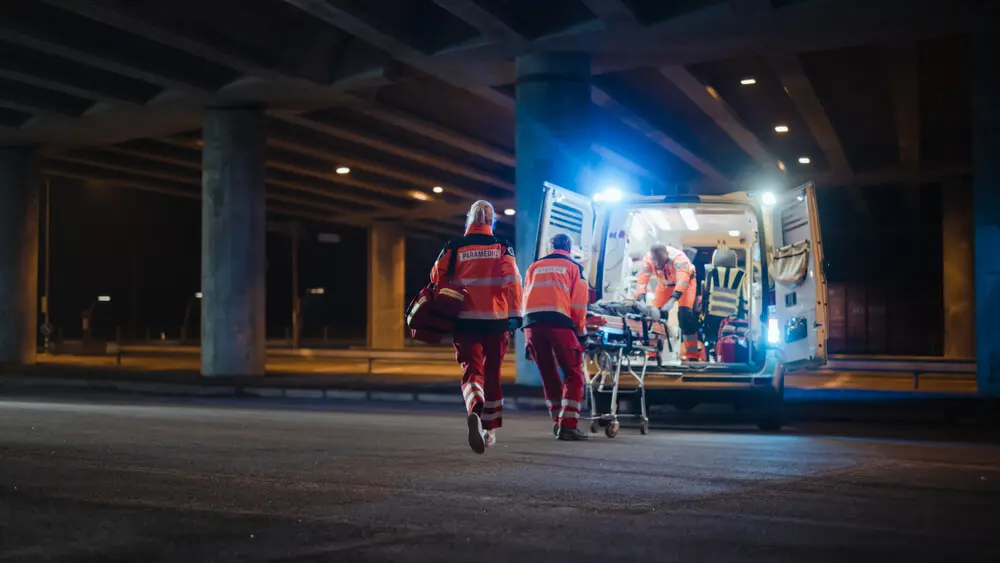
Once paramedics or hospital staff take over, the treatment focus includes the following:
- Opening your airway, breathing, and giving you oxygen
- Administering naloxone (if you do not respond fully to the first dose, clinicians may give repeated naloxone through your nose or directly into a vein)
- Observation for at least several hours after your last naloxone dose to make sure symptoms of overdose do not return and evaluate you for appropriate levels of care
Common complications seen in the ER can include aspiration pneumonia, acute lung injury, and rhabdomyolysis. Some individuals may even experience cardiac events and hypoxic brain injury after an overdose.
What Happens After an Opioid Overdose?
Surviving an opioid overdose does not mean your body is unharmed. Prolonged oxygen loss can cause hypoxic brain injury, and other complications can include aspiration pneumonia, rhabdomyolysis, kidney injury, pressure injuries, nerve injuries, and cardiac events.
The risk does not disappear when you wake up. In the days after an overdose, your tolerance may be lower than it was before, especially after naloxone reversal and time in the hospital. That means going back to the same dose you used before the overdose can be fatal.
This period is also one of the most important in terms of treatment windows. The days and weeks after an overdose are when many people are most open to starting care, especially MAT with buprenorphine or methadone. Some emergency departments now begin buprenorphine during the same visit to aid with detox, turning a near-fatal event into a chance to reduce the risk of another.

Opioid Overdose in the United States
100,000+ Deaths/Year
More than 100,000 people have died in recent annual U.S. drug overdose counts, making it a leading cause of accidental death.1
~70% Involve Fentanyl
About 70% of U.S. overdose deaths involve synthetic opioids, primarily illicit fentanyl, which is frequently found in other drugs without the user’s knowledge.1
Opioid overdose remains a leading cause of accidental death in the U.S. In fact, more than 100,000 people have died in recent annual overdose counts, and about 70% of those deaths involve synthetic opioids, mainly illicit fentanyl.1
Additionally, fentanyl has made overdoses more lethal and less predictable, while stimulant-related deaths increasingly involve fentanyl-contaminated cocaine or methamphetamine.
Call A Treatment Provider
For a conversation about what treatment options are available to you.
Make a Call
800-985-8516Sponsored Helpline
Frequently Asked Questions About Opioid Overdose
Without intervention, breathing can stop within minutes once the opioid effect peaks. Naloxone typically reverses the effect in two to three minutes, but the reversal lasts only 30 to 90 minutes.
Overdose symptoms can return if the opioid involved is longer-acting than the naloxone dose, which is common with fentanyl and methadone.
Yes. Fentanyl is roughly 50 to 100 times more potent than morphine. A dose measured in micrograms can be lethal in someone without opioid tolerance.
DEA testing has found that a substantial share of counterfeit pills contain a potentially lethal amount of fentanyl, which is why a single counterfeit pill can cause a fatal overdose.
Yes. Naloxone does not affect someone who has not used opioids. Current SAMHSA and harm reduction guidance is to give naloxone whenever an overdose is suspected and the substance is unknown.
This is especially important now because illicit stimulants are often contaminated with fentanyl.
Pinpoint pupils (the black center of the eye constricted to a tiny dot) are one of the three classic signs of an opioid overdose, alongside unresponsiveness and slowed breathing.
Pinpoint pupils are not definitive on their own, but combined with the other signs, they strongly suggest opioid involvement.
Yes. The brain begins sustaining injury after roughly 4 to 6 minutes without adequate oxygen. The severity of hypoxic brain injury depends mostly on how long breathing was suppressed before help arrived. Many survivors recover fully, while others experience lasting cognitive or neurological effects.
Yes, significantly. Tolerance drops quickly during any period of opioid abstinence. Returning to the dose used before treatment is a leading cause of fatal opioid overdose.
This is one of the strongest arguments for medication-assisted treatment with buprenorphine or methadone, which substantially reduces overdose mortality.
Find Treatment for Opioid Use Disorder
Surviving an opioid overdose can be a turning point. Effective treatment exists, and starting it soon after an overdose can significantly reduce your risk of another one. Medications such as buprenorphine and methadone are the most effective treatments for opioid use disorder, and many programs can begin them during detox or immediately afterward.
Rehab.com lists treatment centers across the country that can help you start care quickly, including programs that offer medication-based treatment. Insurance coverage for opioid use disorder treatment is also widely available, which can make treatment more accessible at the moment it matters most.
Find Addiction Treatment Centers
Finding facilities near you…
You Might Also Like
- Opiates and Opioids: The Complete Guide
- Fentanyl: Effects, Risks, and Overdose
- What Is Medication-Assisted Treatment (MAT)?
- Medical Detox Treatment
References
- Lundstrom EW, Macmadu A, Steege AL, Groenewold M. Synthetic opioid and stimulant co-involved overdose deaths by occupation and industry — United States, 2022. MMWR Morb Mortal Wkly Rep. 2025;74:173-178. https://www.cdc.gov/mmwr/volumes/74/wr/mm7410a3.htm. Accessed June 18, 2026.