If you’re worried about your own polysubstance use, concerned about someone you love, or recently learned that a drug may have contained unexpected ingredients, you’re not alone. Today, nearly half of the overdose deaths in the United States involve more than one substance, making polysubstance use a major driver of the ongoing overdose crisis.
This drug addiction overview explains what polysubstance use means, why people combine drugs, the dangers of common drug combinations, and how to recognize an overdose. It also offers information on what treatment options are available, practical harm reduction strategies and how to find professional help.
Key Points
- Polysubstance use means using two or more drugs together or within a short period, either intentionally or unintentionally.
- Nearly half of recent U.S. overdose deaths have involved more than one substance.
- Fentanyl and xylazine increasingly contaminate cocaine, methamphetamine, heroin and counterfeit pills, exposing people to dangerous drug combinations without their knowledge.
- Mixing stimulants and depressants does not cancel out each drug’s effects and can mask overdose warning signs until breathing slows or stops.
- Polysubstance use disorder is treatable, and medical detox is often recommended because withdrawal from multiple substances can be unpredictable and potentially dangerous.
What Polysubstance Use Means
Polysubstance use is the use of two or more substances at the same time or within a relatively short period. The substances may be taken together, such as drinking alcohol while taking prescription sedatives, or used one after another during the same day.
Intentional Polysubstance Use
Sometimes people intentionally mix drugs to intensify a high, reduce unpleasant side effects, ease withdrawal symptoms or substitute a drug that is unavailable. For example, someone may use a stimulant to feel more alert after drinking alcohol or take a sedative to lessen anxiety following stimulant use.
Although these choices may seem logical in the moment, each drug continues to affect the brain and body independently, increasing the risk of dangerous drug interactions.
Unintentional Polysubstance Use
Increasingly, polysubstance use is unintentional. Illicit drugs may contain substances the person never intended to take.
Fentanyl in the drug supply is a deadly problem, and the drug has been found in cocaine, methamphetamine, heroin and counterfeit prescription pills. Xylazine has also become a common adulterant in parts of the illicit opioid supply. A person may believe they are using only one drug but unknowingly consume a combination that dramatically increases the risk of overdose.
Polysubstance Use vs. Polysubstance Abuse
Public health organizations such as the Agency for Healthcare Research and Quality now prefer the term polysubstance use because it is more accurate and less stigmatizing. The older term polysubstance abuse still appears in medical literature and online searches, while polysubstance use disorder generally refers to a harmful pattern of repeatedly using multiple substances.
It’s important to note that the DSM-5-TR does not recognize polysubstance use disorder as a standalone diagnosis. Instead, clinicians diagnose each disorder separately based on signs of substance use disorder, then develop a treatment plan that addresses every substance involved.
How Common Polysubstance Use Is
Polysubstance use has become one of the defining features of the U.S. overdose crisis. According to the Centers for Disease Control and Prevention (CDC), nearly half of recent overdose deaths have involved more than one substance.
Share of recent U.S. overdose deaths that involve more than one substance (CDC).
Share of overdose deaths that involved both opioids and stimulants, 2021–2024 (CDC).
Public health experts often describe the current overdose epidemic as the “fourth wave.” The first wave was driven by prescription opioids, followed by heroin and then illicitly manufactured fentanyl.
Today, fentanyl is increasingly found alongside stimulants such as cocaine and methamphetamine, creating a new phase of the crisis in which multiple substances are involved in many fatal fentanyl addiction and overdose cases. These combinations can occur intentionally, but they’re also becoming more common because the illicit drug supply is increasingly contaminated.
One of the biggest concerns is the growing presence of fentanyl in drugs that people may not associate with opioids. Cocaine, methamphetamine, counterfeit prescription pills and other illicit drugs may contain fentanyl without the user’s knowledge.
Another emerging concern is xylazine, a veterinary sedative that suppliers are increasingly mixing into illicit fentanyl. These xylazine drug combinations can deepen sedation and complicate overdose treatment because naloxone does not reverse the effects of xylazine.

Why People Combine Drugs
People combine drugs for many different reasons, and those reasons often make sense to them at the time. Someone may be trying to avoid withdrawal, stay awake, sleep or change the way another substance feels. Understanding these motivations can help reduce stigma and make it easier for people to seek treatment without fear of judgment.
- Enhance or change the experience: Some drug combinations produce a stronger or different high than either drug alone. For example, combining heroin and cocaine (often called a speedball) creates simultaneous stimulant and depressant effects that some people intentionally seek, despite the significant risk of overdose.
- Counteract side effects: A person may take a benzodiazepine or drink alcohol to ease anxiety, agitation, or insomnia after using cocaine or methamphetamine. Conversely, someone may use a stimulant to feel more alert after drinking alcohol or taking sedating medications.
Although these combinations may seem to balance each other, they do not cancel out each other’s effects. Instead, both substances continue acting on the brain and body on their own pathways. This is part of what makes combinations so dangerous.
- Substitute: If the drug a person typically uses cannot be obtained, they may substitute another substance with similar effects or combine multiple drugs in hopes of achieving a comparable experience.
- Manage withdrawal: Some use additional substances to manage withdrawal symptoms, particularly during opioid or benzodiazepine withdrawal, hoping to reduce discomfort without medical care. This is often how addiction develops for more than one substance.
- Self-medicate: People living with anxiety, depression, post-traumatic stress disorder (PTSD), attention-deficit/hyperactivity disorder (ADHD), chronic pain or other untreated conditions may use multiple substances in an attempt to relieve symptoms or cope with emotional distress.
When addiction and co-occurring mental health conditions occur together, treating both at the same time (dual diagnosis treatment) can improve the chances of long-term recovery.
Why Mixing Drugs Is Dangerous
Mixing drugs can increase the risk of overdose in ways that are difficult to predict. The danger depends on the types of substances involved, how much was taken, and the person’s overall health and tolerance.
Some drug combinations amplify the effects of each substance, while others appear to balance each other out even though dangerous changes are still occurring inside the body.
Two Depressants Together
Depressants slow activity in the brain and central nervous system. Opioids, benzodiazepines, alcohol, sleep medications and xylazine all have depressant effects. When two or more depressants are used together (like mixing benzodiazepines and alcohol), their effects can stack, causing breathing to become dangerously slow or stop altogether.
Respiratory depression is the greatest concern because the brain may no longer send enough signals to maintain normal breathing. This is why combinations such as opioids and benzodiazepines carry an FDA boxed warning, and why mixing opioids with alcohol is also considered especially dangerous. Even small amounts of each drug can become life-threatening when combined.
Two Stimulants Together
Stimulants such as cocaine, methamphetamine, prescription amphetamines, and MDMA increase heart rate, blood pressure, body temperature and alertness. Taking multiple stimulants together places even greater strain on the cardiovascular system.
As stimulant effects build, the risk of heart attack, stroke, abnormal heart rhythms, seizures and dangerous overheating increases. Another concern is that stimulants purchased on the illicit market may contain fentanyl without the user’s knowledge, turning what appears to be a stimulant overdose into an opioid emergency.
Stimulants and Depressants Together
Combining a stimulant with a depressant creates a particularly dangerous situation because each drug can temporarily mask the effects of the other. A person may feel less sedated because of the stimulant or less overstimulated because of the depressant, leading them to believe they can safely take more.
Examples include cocaine and heroin, cocaine and alcohol, or amphetamines and benzodiazepines. When the stimulant wears off before the depressant, the depressant’s effects can become overwhelming, causing breathing to slow or stop. Cocaine and alcohol also create cocaethylene, a compound that places additional stress on the heart and increases the risk of serious cardiovascular complications.
Unintentional Polysubstance Exposure
Not all polysubstance use is intentional. Increasingly, people experience dangerous drug combinations because the illicit drug supply has become contaminated.
As they face cocaine addiction or methamphetamine addiction, users also face the risk of fentanyl, which has been found in these drugs as well as heroin and counterfeit prescription pills. Xylazine and tranq dope are yet another deadly combination that involves fentanyl.
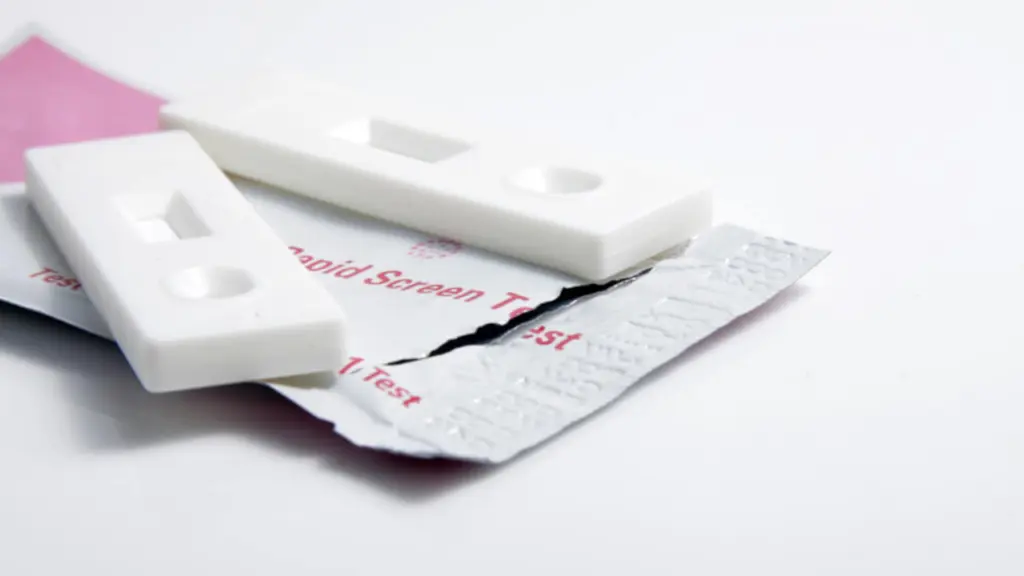
Since there is no way to tell whether a drug contains additional substances by sight, smell, or taste, many harm reduction organizations recommend using fentanyl and xylazine test strips to identify unexpected substances in the drugs.
Common Polysubstance Combinations
Some drug combinations appear in overdose reports and addiction treatment programs more often than others. Each carries its own risks depending on how the substances affect the brain and body. The examples below provide a general overview, while the linked substance pages offer more detailed information about each combination.
| Combination | Why It’s Dangerous | Learn More |
|---|---|---|
| Opioids + benzodiazepines | Both are central nervous system depressants that slow breathing. Using them together greatly increases the risk of respiratory depression and fatal overdose and carries an FDA boxed warning. | Explore more about benzodiazepine addiction. |
| Opioids + cocaine (speedball) | The stimulant can mask opioid sedation, while the opioid may reduce feelings of overstimulation. This makes it easier to take larger doses, with overdose risks increasing as the stimulant wears off. | Learn about how cocaine addiction can affect your quality of life. |
| Opioids + methamphetamine (goofball) | This combination creates the same dangerous stimulant-depressant interaction as a speedball but often lasts longer because methamphetamine’s effects persist for many hours. | Learn about the effects of meth addiction. |
| Alcohol + benzodiazepines | Both depress the central nervous system, increasing the risk of extreme drowsiness, slowed breathing, impaired coordination, and overdose. | Explore the signs and symptoms of alcohol use disorder. |
| Alcohol + opioids | Alcohol can intensify the sedating effects of opioids, significantly increasing the risk of respiratory depression and death. | Learn about the risks of opiate addiction. |
| Alcohol + cocaine | The liver converts these substances into cocaethylene, a compound associated with greater strain on the heart and a higher risk of serious cardiovascular complications than cocaine alone. | Learn how cocaine addiction can affect your mind and body. |
| Fentanyl + xylazine (tranq dope) | Both substances slow the central nervous system. Naloxone reverses opioid effects but does not reverse xylazine, so sedation and breathing problems may continue even after naloxone is given. | Explore the dangers of xylazine drug combinations. |
| Stimulants + fentanyl-contaminated drugs | Cocaine, methamphetamine, and counterfeit pills may contain fentanyl without the user’s knowledge, creating an unexpected opioid overdose risk. | Learn more about why fentanyl in the drug supply is such a dangerous problem. |
Signs of Polysubstance Use
The signs of polysubstance use can look similar to those of a single substance use disorder, but they are often less predictable because different drugs produce different effects. Someone may appear energetic and alert at one point, then become unusually sleepy or confused later. These rapid changes in mood, energy, or behavior can make it difficult to recognize that more than one substance is involved.
One clue is the presence of multiple drugs or different types of drug paraphernalia. Family members or friends may notice prescription medications alongside illicit drugs, empty alcohol containers with pills, or equipment associated with different methods of drug use. A person may also have difficulty remembering what they took, when they took it, or how much they used, especially if multiple substances were involved.
Withdrawal can also be more complicated. Someone may stop using one drug but continue experiencing symptoms because another substance is still active, or because withdrawal from multiple drugs is occurring at the same time. This can make symptoms seem unpredictable or unusually severe.
Behavioral changes are often among the first signs of addiction that loved ones notice. These may include:
- Frequent mood swings or sudden changes in energy
- Hiding substance use or becoming secretive about daily activities
- Withdrawing from family, friends, work, or school
- Neglecting personal hygiene or other responsibilities
- Financial problems or unexplained spending
- Confusion about what substances were taken or how much was used
These signs do not necessarily mean someone is experiencing polysubstance use, but they can indicate that substance use has become more complex and potentially more dangerous.
If you’re concerned about someone you love, speaking with a healthcare provider or addiction treatment professional can help you better understand the situation and identify appropriate next steps. This may include dual diagnosis treatment and mental health support.
Call A Treatment Provider
For a conversation about what treatment options are available to you.
Make a Call
 800-985-8516
 Sponsored Helpline
Recognizing a Polysubstance Overdose
Since more than one drug is involved in a polysubstance overdose, the signs do not always match the symptoms of a typical opioid, stimulant or alcohol overdose. A person may show a combination of symptoms that can make it difficult to tell exactly what they have taken.
Regardless of symptoms, a polysubstance overdose is a medical emergency. If you suspect someone is overdosing, call 911 immediately. Do not wait to see if their condition improves.
Some of the most serious warning signs include:
- Slow, shallow or stopped breathing
- Loss of consciousness or inability to wake up
- Gurgling, choking or snoring sounds
- Pinpoint pupils
- Blue, gray or pale lips and fingernails
- A limp body or inability to respond
- Seizures or severe agitation
Call 911
A suspected polysubstance overdose is a medical emergency. Call 911 even if you give naloxone or the person seems to recover.
Give Naloxone
Give naloxone even if you believe only cocaine, methamphetamine, or other non-opioid drugs were involved. Fentanyl contamination is increasingly common in the illicit drug supply.
Fentanyl contamination is now common in many illicit drugs, so it’s important to give naloxone, if it’s available, even if you believe the person only used cocaine, methamphetamine, counterfeit pills or other non-opioid drugs. Naloxone won’t be effective for a xylazine overdose response or for overdoses caused by alcohol, benzodiazepines or stimulants, but it can restore breathing if an opioid is contributing to the overdose.
If you don’t have naloxone, it’s smart to reach out to local harm reduction resources to learn more about carrying the drug in the event that you encounter a person experiencing an overdose.
After administering naloxone, provide rescue breathing if you know how, place the person in the recovery position if they are breathing but unconscious, and stay with them until emergency medical services arrive.
Most states have Good Samaritan laws that provide legal protections for people who call 911 to report a suspected overdose. These laws are designed to encourage people to seek emergency medical help without fearing prosecution for simple drug possession. Acting quickly can save a life.
Treatment for Polysubstance Use Disorder
Treatment for polysubstance use usually begins with a comprehensive assessment to determine which substances a person has been using, how often they use them, whether they have co-occurring mental health conditions, and whether medical detox is necessary.
Since different drugs affect the body in different ways, treatment for polysubstance use is often more complex than treatment for a single substance use disorder. Most people benefit from a step-by-step approach that includes polysubstance detox, ongoing treatment, and long-term recovery support.
Medical Detox
Medical detox is often the safest way to begin treatment because withdrawal from multiple substances can be difficult to predict. Symptoms from one drug may overlap with or mask symptoms from another, making it harder to identify potentially life-threatening complications.
In an inpatient medical detox program, healthcare providers can monitor vital signs, manage symptoms, and adjust treatment as withdrawal progresses.
For some people, the medical team may need to manage their withdrawal in stages or through tapering. For example, a treatment team may stabilize someone experiencing benzodiazepine withdrawal while also using medications to treat opioid withdrawal. Individualized care helps reduce complications and improves safety throughout the polysubstance detox process.

Medications
Medication can play an important role in recovery, although available treatments vary depending on the substances involved. Medications for opioid use disorder include buprenorphine, methadone and naltrexone, while alcohol use disorder may be treated with naltrexone, acamprosate or disulfiram.
Healthcare providers may also prescribe short-term medications during polysubstance detox to manage symptoms such as nausea, elevated blood pressure, anxiety or difficulty sleeping. These medications are different from long-term medication-assisted treatment (MAT), which is designed to support ongoing recovery from specific substance use disorders.
Therapy and Behavioral Care
After polysubstance detox, treatment typically focuses on helping people understand the factors that contributed to polysubstance use and on developing healthier coping strategies. Cognitive behavioral therapy (CBT), motivational interviewing (MI), contingency management, group therapy and family therapy all have important roles in recovery.
Since different substances often produce different cravings and triggers, treatment plans for polysubstance use frequently change over time. Your care provider may recommend inpatient rehab or intensive outpatient programs to support your recovery. As recovery progresses, clinicians can adjust therapy goals to address each substance individually while helping the person build long-term relapse-prevention skills.
Dual Diagnosis Care
Many people who experience polysubstance use also live with mental health conditions such as anxiety, depression, PTSD, bipolar disorder or ADHD. In some cases, untreated symptoms contribute to substance use as people attempt to manage emotional distress on their own.
Integrated dual diagnosis treatment addresses both substance use and mental health conditions at the same time rather than treating them separately. Research suggests that this coordinated approach can improve treatment engagement and long-term recovery outcomes.
Harm Reduction for Polysubstance Use
Treatment is the safest long-term solution for polysubstance use, but harm reduction can help lower the risk of overdose and other serious health consequences for people who are still using drugs. Harm reduction does not replace treatment. Instead, harm reduction resources focus on keeping people as safe as possible while creating opportunities to access care when they are ready.
Several practical steps can reduce the risk of accidental polysubstance overdose:
- Carry naloxone (Narcan). Naloxone is available over the counter in many pharmacies and through community distribution programs.
- Use fentanyl and xylazine test strips when available. Testing drugs before use may identify unexpected substances that increase overdose risk.
- Avoid using alone. If an overdose occurs, another person can call 911, administer naloxone, and provide rescue breathing if needed. When using with another person is not possible, services such as the Never Use Alone hotline at 1-800-484-3731 can help ensure someone is available to contact emergency services if communications stop.
- Start with a small amount. Illicit drugs can vary widely in strength and may contain unexpected substances. Using a smaller amount first may help reduce the risk of a severe reaction.
- Avoid intentionally mixing drugs. Combining depressants such as opioids, alcohol or benzodiazepines significantly increases the risk of respiratory depression, while mixing stimulants and depressants can mask overdose warning signs.
- Know the signs of an overdose. Make sure the people around you know how to recognize an overdose, administer naloxone, and call 911 immediately if someone becomes unresponsive or has trouble breathing.
Frequently Asked Questions About Polysubstance Use
Polysubstance use is the current, preferred term used by public health organizations to describe using two or more substances at the same time or within a short period. Polysubstance abuse is an older term that still appears in medical literature and online searches, but is used less often because it can be stigmatizing.
Polysubstance use disorder refers to a harmful pattern of repeated polysubstance use that affects a person’s health or daily life, although the DSM-5-TR does not recognize it as a standalone diagnosis. Instead, clinicians diagnose each substance use disorder separately.
Any combination can be dangerous, but some are associated with particularly high overdose risk. These include opioids and benzodiazepines, opioids and alcohol, opioids and stimulants such as cocaine or methamphetamine, and fentanyl mixed with xylazine.
Combining two depressants greatly increases the risk of respiratory depression, while stimulants purchased on the illicit market may contain fentanyl without the user’s knowledge.
Naloxone only reverses the effects of opioids. It does not reverse overdoses caused by alcohol, benzodiazepines, stimulants, or xylazine.
However, because fentanyl contamination is now common in many illicit drugs, naloxone should still be given whenever an overdose is suspected. Reversing the opioid component of an overdose can save a person’s life while emergency medical care is on the way.
Withdrawal from multiple substances can be more difficult to predict because symptoms may overlap or occur at different times. For example, alcohol and benzodiazepine withdrawal can cause seizures, opioid withdrawal often causes severe physical discomfort, and stimulant withdrawal primarily affects mood and energy.
Because the interactions are hard to predict, medical detox is strongly recommended for anyone withdrawing from more than one substance.
Yes. Treatment often includes medical detox, medications when appropriate, behavioral therapies, and treatment for any co-occurring mental health conditions. Recovery may take longer than treatment for a single substance use disorder because each substance has its own withdrawal symptoms, triggers, and relapse risks.
A relapse does not mean treatment has failed. It often signals that the treatment plan needs to be adjusted or that dual diagnosis treatment may be needed.
Keep naloxone available in case of an emergency and learn the signs of overdose.
Research treatment options so you understand how to talk to a loved one about treatment. Choose a time to talk when your loved one is sober and approach the conversation with concern rather than blame.
Encourage them to seek a professional evaluation and offer to help them find treatment if they are willing. And remember that family members can also benefit from support and guidance, even if their loved one is not yet ready to enter treatment.
Find Treatment for Polysubstance Use
If you or a loved one is using more than one substance, help is available. Treatment programs that specialize in polysubstance use can provide medical detox, evidence-based therapies, medications when appropriate, and treatment for co-occurring mental health conditions.
If cost is a concern, know that insurance and rehab coverage actually go hand in hand. Most major insurance plans cover detox and inpatient treatment for polysubstance use disorder.
Taking the first step can feel overwhelming, but you don’t have to figure it out alone. A treatment provider can assess your needs, recommend the appropriate level of care, and help you begin recovery.
Use Rehab.com’s treatment center directory to find a treatment center that specializes in polysubstance use disorder and dual diagnosis treatment near you.
Find Addiction Treatment Centers
Finding facilities near you…