


































































































Compassionate staff, they truly helped me get to a better, healthier place. Yes, the program is strict (I mean would you trust a center that didn't have rules?), but you just have to trust the process.
About The Renfrew Center for Eating Disorders – Paramus, NJ
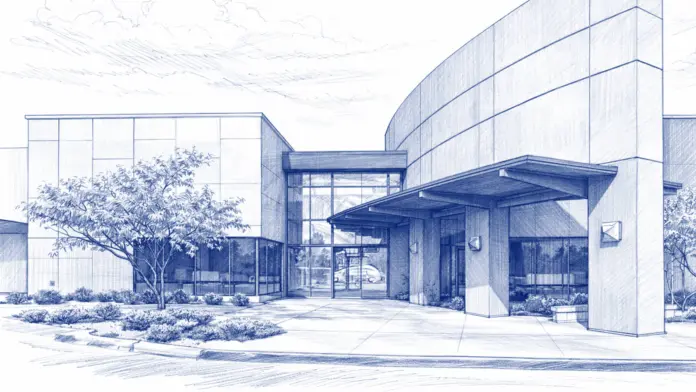
The Renfrew Center for Eating Disorders offers treatment for eating disorders and co-occurring substance use and mental health disorders. In other words this treatment center could be an excellent option if you have both an eating disorder and substance use disorder (SUD), but they do not address SUD alone. They have several locations throughout the region. This particular facility is in Paramus, New Jersey.
Multi-tiered Outpatient Treatment Options
The Paramus location is an outpatient facility. They have different levels of outpatient programs here including day treatment or partial hospitalization programs. They have intensive outpatient programs or IOPs, too, and they have traditional outpatient therapy. I think it’s important to note that they also have a residential treatment center about two hours away in Spring Lane, Pennsylvania. This way you can transition through various levels of care with the same organization as your recovery progresses.
Your program here will be personalized to your needs in a way that benefits both your addiction recovery and your eating disorder recovery. Your therapy sessions will include individual sessions as well as group and family therapy formats. They also have more unique services like creative arts therapy and nutritional counseling. They can also help with other co-occurring mental health concerns such as trauma and body image issues.
Positive Client Feedback
Clients who have participated in this program have said that it was life changing for them. They report that the program was well developed and the staff were compassionate and knowledgeable.
Fact checked and written by:
Nikki Wisher, BA
Edited by:
Kerry Nenn, BSW
Latest Reviews
Renfrew in Paramus, NJ has been spectacularly helpful in my recovery from a 25 year eating disorder. Every staff member is respectful, empathetic, and insightful. I felt welcome from the moment I walked through the doors. And, the assistance began with my first contact with Renfrew personnel. I immediately knew I had chosen the right place for my recovery. I recommend Renfrew to anyone facing the challenges of ED.
Thank you for taking the time to leave us a 5-star review! We’re grateful to be a part of your recovery journey and appreciate your support.
Response from the owner1 month ago
Hi Jennifer, Thank you for taking the time to leave us a 5-star review! We’re grateful to be a part of your recovery journey and appreciate your support.
I struggled with an eating disorder for years and years. I left university to go to Renfrew, and it changed my life for the better. One thing about eating disorders is that if you don’t want help, you will not be open to receiving any help. All of the negative reviews seem to be people forced into getting treatment. When you are ready to make the decision, renfrew is something I would highly recommend. Yes, it is intensive. Yes, it will make you cry. Yes, a lot will be brought up. But facing your eating disorder is the only way to go through it. My team was Alyssa for a therapist and Ethan for a dietician, and they helped me in ways I did not know they could. I am back in university and I don’t have my eating disorder controlling my life anymore. If you are reading this and need more insight or have any questions, please reach out!
Response from the owner1 month ago
Hi Julie, thank you for taking the time to leave us a 5-star review and for allowing Renfrew to be a part of your recovery journey. Wishing you continued success!
Reviewed on 10/28/2019
Compassionate staff, they truly helped me get to a better, healthier place. Yes, the program is strict (I mean would you trust a center that didn't have rules?), but you just have to trust the process.

Rehab Score
 Our Methodology
Scoring is assigned by a proprietary system which helps surface key metrics that determine quality. The 10-point scale factors in categories such as operations, customer satisfaction, and trust metrics. Read Full Methodology

5 / 10
Gallery
Accepted Insurance
Other Forms of Payment
Private insurance refers to any kind of healthcare coverage that isn't from the state or federal government. This includes individual and family plans offered by an employer or purchased from the Insurance Marketplace. Every plan will have different requirements and out of pocket costs so be sure to get the full details before you start treatment.
Self-pay involves paying for treatment out of your own pocket. You can use savings or credit, get a personal loan, or receive help from family and friends to fund your treatment. If you don't have insurance or your insurance plan doesn't cover a specific program, self-pay can help ensure you still get the care you need.
Addiction Treatments
Levels of Care
Outpatient Programs (OP) are for those seeking mental rehab or drug rehab, but who also stay at home every night. The main difference between outpatient treatment (OP) and intensive outpatient treatment (IOP) lies in the amount of hours the patient spends at the facility. Most of the time an outpatient program is designed for someone who has completed an inpatient stay and is looking to continue their growth in recovery. Outpatient is not meant to be the starting point, it is commonly referred to as aftercare.
Clients who are exiting inpatient rehab, those who are experiencing crisis, and those who prefer to live at home while in treatment typically enroll in intensive inpatient programs (IOP). These programs feature frequent and robust care, generally requiring clients to participate in at least nine hours of care weekly, though many intensive outpatient rehabs offer up to 20 treatment hours per week. IOP services typically combine individual, group, and family counseling with recovery education and holistic therapies.
Treatments
Many of those suffering from addiction also suffer from mental or emotional illnesses like schizophrenia, bipolar disorder, depression, or anxiety disorders. Rehab and other substance abuse facilities treating those with a dual diagnosis or co-occurring disorder administer psychiatric treatment to address the person's mental health issue in addition to drug and alcohol rehabilitation.
Mental health rehabs focus on helping individuals recover from mental illnesses like bipolar disorder, clinical depression, anxiety disorders, schizophrenia, and more. Mental health professionals at these facilities are trained to understand and treat mental health issues, both in individual and group settings.
Programs
Adult rehab programs include therapies tailored to each client's specific needs, goals, and recovery progress. They are tailored to the specific challenges adult clients may face, including family and work pressures and commitments. From inpatient and residential treatment to various levels of outpatient services, there are many options available. Some facilities also help adults work through co-occurring conditions, like anxiety, that can accompany addiction.
Young adulthood can be an exciting, yet difficult, time of transition. Individuals in their late teens to mid-20s face unique stressors related to school, jobs, families, and social circles, which can lead to a rise in substance use. Rehab centers with dedicated young adult programs will include activities and amenities that cater to this age group, with an emphasis on specialized counseling, peer socialization, and ongoing aftercare.
Recovery is most successful when clients feel accepted and validated by their peers and treatment providers. Facilities that offer LGBTQ-inclusive programming are committed to creating a safe space where everyone can grow and recover without fear of judgment or discrimination. They will have dedicated policies in place to create a safe and supportive environment that fosters free expression.
Clinical Services
Cognitive Behavioral Therapy (CBT) is a therapy modality that focuses on the relationship between one's thoughts, feelings, and behaviors. It is used to establish and allow for healthy responses to thoughts and feelings (instead of unhealthy responses, like using drugs or alcohol). CBT has been proven effective for recovering addicts of all kinds, and is used to strengthen a patient's own self-awareness and ability to self-regulate. CBT allows individuals to monitor their own emotional state, become more adept at communicating with others, and manage stress without needing to engage in substance abuse.
Dialectical Behavior Therapy (DBT) is a modified form of Cognitive Behavioral Therapy (CBT), a treatment designed to help people understand and ultimately affect the relationship between their thoughts, feelings, and behaviors. DBT is often used for individuals who struggle with self-harm behaviors, such as self-mutilation (cutting) and suicidal thoughts, urges, or attempts. It has been proven clinically effective for those who struggle with out-of-control emotions and mental health illnesses like Borderline Personality Disorder.
Group therapy is any therapeutic work that happens in a group (not one-on-one). There are a number of different group therapy modalities, including support groups, experiential therapy, psycho-education, and more. Group therapy involves treatment as well as processing interaction between group members.
In individual therapy, a patient meets one-on-one with a trained psychologist or counselor. Therapy is a pivotal part of effective substance abuse treatment, as it often covers root causes of addiction, including challenges faced by the patient in their social, family, and work/school life.
Trauma therapy provides a structure to approach healing from past traumatic events that you may have witnessed or experienced. Your therapist will work with you to identify and process these memories. This helps promote a sense of safety and stability and helps you heal emotionally.
Research clearly demonstrates that recovery is far more successful and sustainable when loved ones like family members participate in rehab and substance abuse treatment. Genetic factors may be at play when it comes to drug and alcohol addiction, as well as mental health issues. Family dynamics often play a critical role in addiction triggers, and if properly educated, family members can be a strong source of support when it comes to rehabilitation.
Nutrition therapy is more than a simple meal plan during rehab. It's designed to facilitate a faster recovery by giving your body the nutrients it needs to heal. It aids in strengthening your systems and giving you the energy you need for daily functioning and success in other therapies.
The main types of creative arts therapy in New Jersey are dance, art, drama, and music. Through creative processes and active art making, this treatment provides a safe setting free of judgment for participants to explore and express their challenging thoughts and emotions.
Experiential therapy is a form of therapy in which clients are encouraged to surface and work through subconscious issues by engaging in real-time experiences. Experiential therapy departs from traditional talk therapy by involving the body, and having clients engage in activities, movements, and physical and emotional expression. This can involve role-play or using props (which can include other people). Experiential therapy can help people process trauma, memories, and emotion quickly, deeply, and in a lasting fashion, leading to substantial and impactful healing.
Staff

Samuel E. Menaged, JD
Founder & President
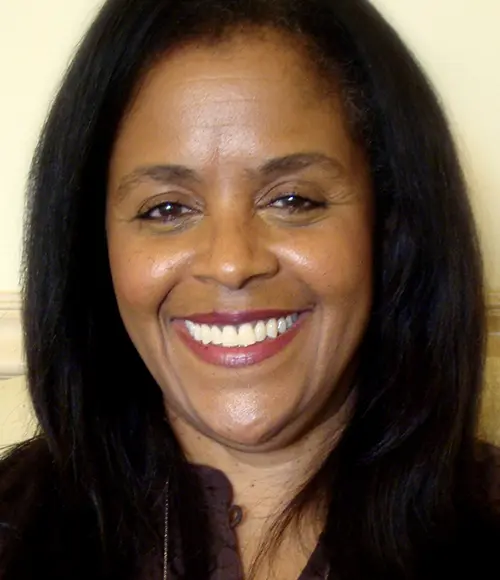
Gayle Brooks, PhD, CEDS-S
VP & CCO
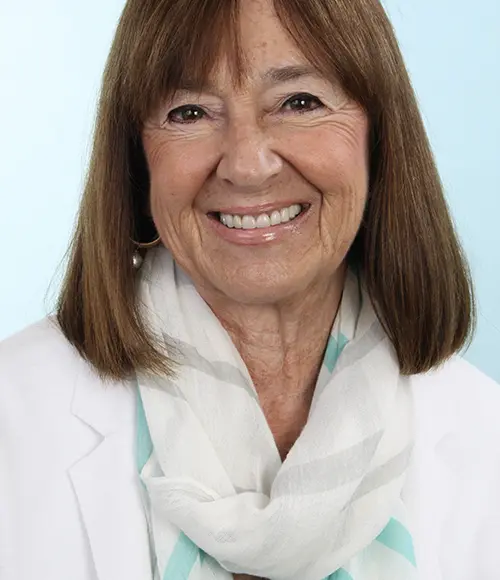
Judi Goldstein, MSS, LSW
Vice President, Renfrew Center Foundation
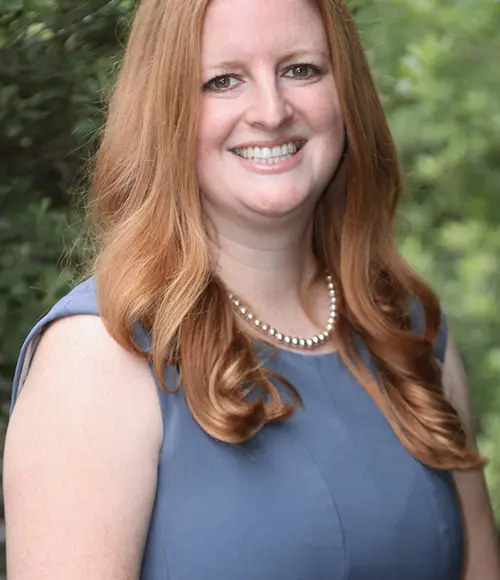
Vanessa Menaged
Chief Marketing and Admissions Officer
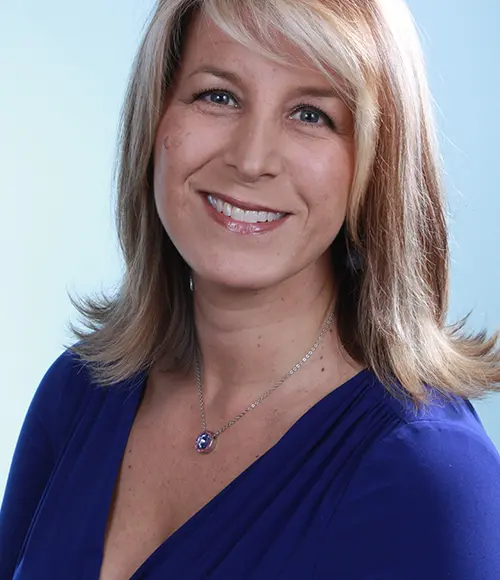
Lori Ciotti, LICSW, CEDS-C
VP of Outpatient Operations
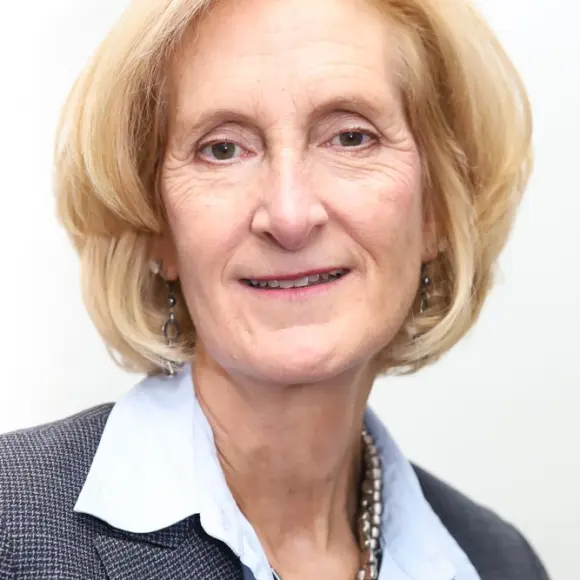
Keri Lorenson
CFO
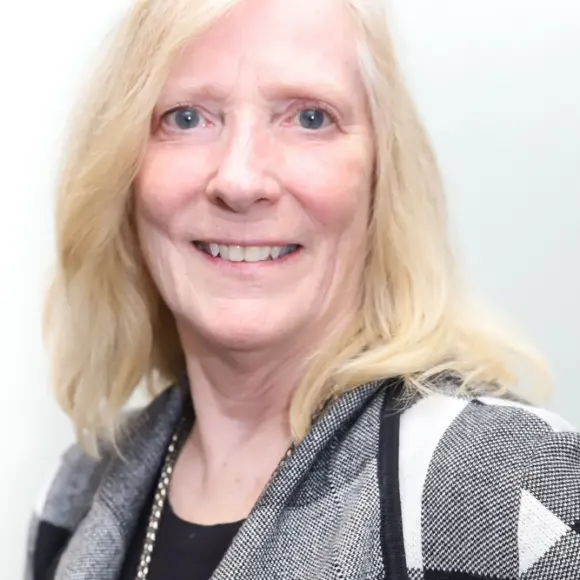
Kim Edgin, MPA, SHRM-SCP, SPHR, PHR-CA
Chief Human Resource Officer
Rehab.com regularly reviews this listing for accuracy but changes may occur between updates. For the most up-to-date information, please contact The Renfrew Center for Eating Disorders – Paramus, NJ.
Contact Information

1 Kalisa Way
Suite 211
Paramus, NJ 07652
Get Help Now - 973-969-2144
Sponsored Helpline
Sponsored Helpline


