






























































































It was a decent enough place for someone to get better but that person it is up to the person to want to get better sometimes you reach a point in your life when you know there's no other way sure there are court ordered people to go but the people that step inside on their ...
About Sacred Heart Rehabilitation Center Serenity Hills Recovery & Wellness Center
This facility offers detox that is medically monitored and has a nursing staff on site around the clock. They can help keep you comfortable during withdrawal and safe during the dangerous physical withdrawal symptoms. They also offer medication assisted treatment which helps with withdrawal symptoms and cravings. Both of these services are supervised by a physician.
This center will evaluate you and develop a plan together with you to help you be successful on your quest to sobriety. They understand that recovery is personal and tailor the program to best assist you. They offer evidenced based treatment along with a 12 Step program and peer support.
Here you can participate in residential treatment, outpatient treatment, or telehealth services. The residential treatment gives you a safe place with 24 hour support. This treatment provides housing, education, community engagement, and peer support. During residential therapy, you will attend lectures, activities, and daily groups.
After finishing residential care, you can transition to outpatient care. They offer in person outpatient care and telehealth outpatient services. This is to help you continue on a successful journey to recovery. During outpatient care, you will continue having group and individual therapy, along with specialized therapies, as needed. You’ll also engage in family therapy.
Several former clients have said that the staff have personal experience with addiction and are truly caring and genuinely want to help you. They understand what you are going through and can help you get to where you want to be.

Rehab Score
 Our Methodology
Scoring is assigned by a proprietary system which helps surface key metrics that determine quality. The 10-point scale factors in categories such as operations, customer satisfaction, and trust metrics. Read Full Methodology

6.3 / 10
Gallery
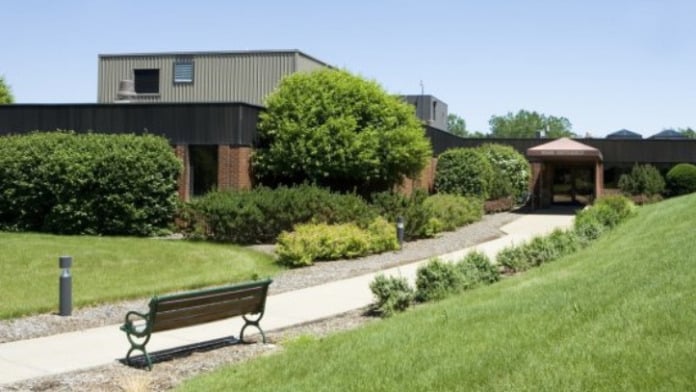
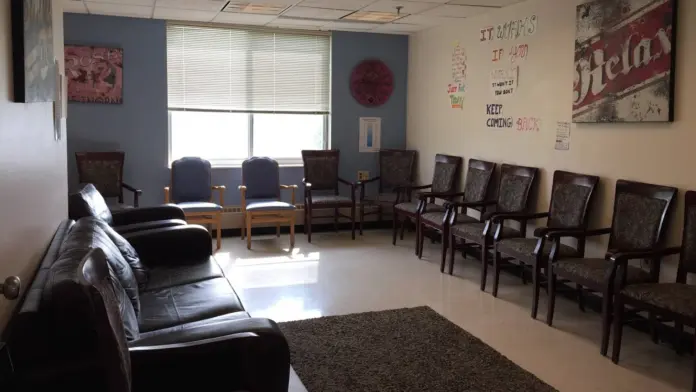
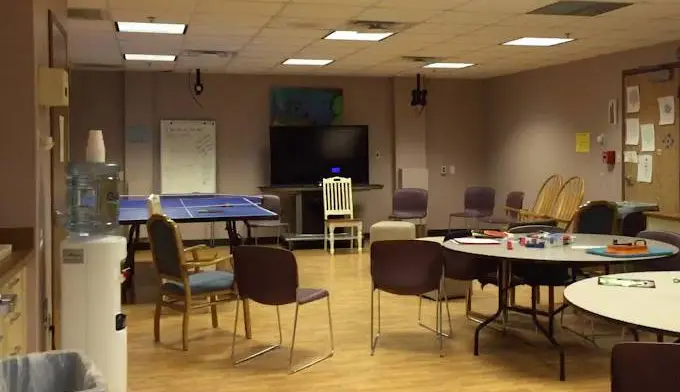
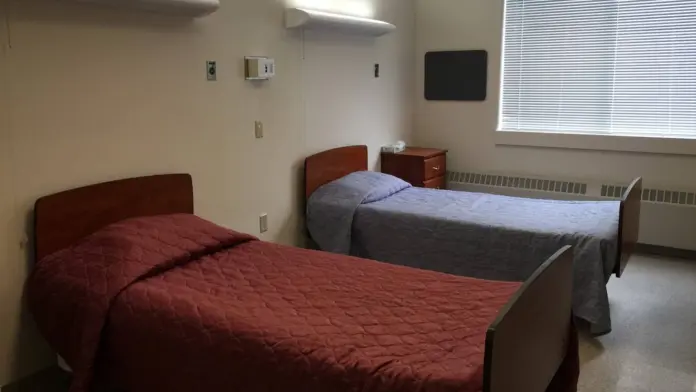
Accepted Insurance
Other Forms of Payment
Private insurance refers to any kind of healthcare coverage that isn't from the state or federal government. This includes individual and family plans offered by an employer or purchased from the Insurance Marketplace. Every plan will have different requirements and out of pocket costs so be sure to get the full details before you start treatment.
Self-pay involves paying for treatment out of your own pocket. You can use savings or credit, get a personal loan, or receive help from family and friends to fund your treatment. If you don't have insurance or your insurance plan doesn't cover a specific program, self-pay can help ensure you still get the care you need.
Financial aid can take many forms. Centers may have grants or scholarships available to clients who meet eligibility requirements. Programs that receive SAMHSA grants may have financial aid available for those who need treatment as well. Grants and scholarships can help you pai for treatment without having to repay.
Medicare is a federal program that provides health insurance for those 65 and older. It also serves people under 65 with chronic and disabling health challenges. To use Medicare for addiction treatment you need to find a program that accepts Medicare and is in network with your plan. Out of pocket costs and preauthorization requirements vary, so always check with your provider.
Military members, veterans, and eligible dependents have access to specific insurance programs that help them get the care they need. TRICARE and VA insurance can help you access low cost or no cost addiction and mental health treatment. Programs that accept military insurance often have targeted treatment focused on the unique challenges military members, veterans, and their families face.
Medicaid is a state based program that helps lower-income individuals and families pay for healthcare. Medicaid covers addiction treatment so those enrolled can use their coverage to pay for rehab. When a program accepts Medicaid the client often pays very little or nothing out of their own pocket.
Addiction Treatments
Levels of Care
Clients receiving care at an outpatient rehab remain in their own homes and attend treatment as often as daily, depending on the level of need. Outpatient care generally consists of psychotherapy, addiction education, life skills training, and community reintegration support. Many outpatient treatment centers provide step-down care, including partial hospitalization (PHP), intensive outpatient (IOP), sober living, and standard outpatient services. Some outpatient rehabs also offer ambulatory medical detox and medication assisted treatment (MAT).
Residential treatment programs are those that offer housing and meals in addition to substance abuse treatment. Rehab facilities that offer residential treatment allow patients to focus solely on recovery, in an environment totally separate from their lives. Some rehab centers specialize in short-term residential treatment (a few days to a week or two), while others solely provide treatment on a long-term basis (several weeks to months). Some offer both, and tailor treatment to the patient's individual requirements.
Clients engaged in a rehab aftercare program have already completed high-level treatment and have begun to develop essential recovery skills. Rehab aftercare services are designed to support clients' sustained sobriety as they reintegrate into their home, workplace, and community. Case managers, care teams, and clients design the customized service portfolio that will best support the client's long-term sobriety. Clients may receive peer coaching, 12 step program induction, vocational training, and relapse prevention services.
12-step programs are addiction recovery models based on Alcoholics Anonymous (AA). A number of substance abuse programs (including some drug and alcohol rehab centers) use the 12 steps as a basis for treatment. Beginning steps involve admitting powerlessness over the addiction and creating a spiritual basis for recovery. Middle steps including making direct amends to those who've been hurt by the addiction, and the final step is to assist others in addiction recovery in the same way. 12-Step offshoots including Narcotics Anonymous (NA), Cocaine Anonymous (CA), Dual Recovery Anonymous (DRA), Sex and Love Addicts Anonymous (SLAA) and Gamblers Anonymous (GA).
Sober living homes in Michigan act as a bridge between an intensive level of care and the freedom of independent living. The primary rule in every sober living home is to stay sober. If a resident breaks this rule, they can be evicted. However, this environment is designed to prevent relapse, with mutual support, 12-step meetings, a structured schedule, and drug screenings.
During a drug intervention in Michigan, family, friends, and colleagues share in their own words how a person's substance abuse has affected their lives. An intervention must be carefully planned, with the goal of encouraging the individual to get treatment for their addiction. Many rehab programs offer intervention services to help families prepare for this confrontation and guide them through the recovery process.
While many people know it as "day treatment", a partial hospitalization program (PHP) offers treatment during the day and allows you to live at home. PHP treatment typically requires a commitment of at least 20 hours of treatment every week, with a program duration that spans approximately 90 days. While commuting is necessary, some programs offer telehealth options. PHP treatment plans usually include relapse prevention, medication management, and behavioral therapy.
At certain points in the recovery process, it's important to have support available 24/7. 24-hour clinical care offers a safe environment in which to recover from drug or alcohol addiction in peace, knowing medical detox and other treatment will happen with professionals on hand.
Sacred Heart addresses the need for safe, medically monitored detoxification that stems from the dangerous physical symptoms that can accompany withdrawal. Depending on the nature of the drug of choice, the pattern of use and the medical history of the client, withdrawal can be traumatic to critical body functions and systems. The facility can treat the symptoms of withdrawal in a safe environment that is equipped and staffed for the effective management of those symptoms. Providing these necessary elements we can assist a client in completing a safe detoxification.
Treatments
The goal of treatment for alcoholism is abstinence. Those with poor social support, poor motivation, or psychiatric disorders tend to relapse within a few years of treatment. For these people, success is measured by longer periods of abstinence, reduced use of alcohol, better health, and improved social functioning. Recovery and Maintenance are usually based on 12 step programs and AA meetings.
Drug rehab in Michigan provides personalized treatment to help individuals break this cycle and regain control of their lives. Treatment methods are used in various levels of care, including inpatient rehab, partial hospitalization programs, intensive outpatient programs, and standard outpatient treatment.
Many of those suffering from addiction also suffer from mental or emotional illnesses like schizophrenia, bipolar disorder, depression, or anxiety disorders. Rehab and other substance abuse facilities treating those with a dual diagnosis or co-occurring disorder administer psychiatric treatment to address the person's mental health issue in addition to drug and alcohol rehabilitation.
A combined mental health and substance abuse rehab has the staff and resources available to handle individuals with both mental health and substance abuse issues. It can be challenging to determine where a specific symptom stems from (a mental health issue or an issue related to substance abuse), so mental health and substance abuse professionals are helpful in detangling symptoms and keeping treatment on track.
Opioid rehabs specialize in supporting those recovering from opioid addiction. They treat those suffering from addiction to illegal opioids like heroin, as well as prescription drugs like oxycodone. These centers typically combine both physical as well as mental and emotional support to help stop addiction. Physical support often includes medical detox and subsequent medical support (including medication), and mental support includes in-depth therapy to address the underlying causes of addiction.
Programs
Adult rehab programs include therapies tailored to each client's specific needs, goals, and recovery progress. They are tailored to the specific challenges adult clients may face, including family and work pressures and commitments. From inpatient and residential treatment to various levels of outpatient services, there are many options available. Some facilities also help adults work through co-occurring conditions, like anxiety, that can accompany addiction.
Young adulthood can be an exciting, yet difficult, time of transition. Individuals in their late teens to mid-20s face unique stressors related to school, jobs, families, and social circles, which can lead to a rise in substance use. Rehab centers with dedicated young adult programs will include activities and amenities that cater to this age group, with an emphasis on specialized counseling, peer socialization, and ongoing aftercare.
Clinical Services
Cognitive Behavioral Therapy (CBT) is a therapy modality that focuses on the relationship between one's thoughts, feelings, and behaviors. It is used to establish and allow for healthy responses to thoughts and feelings (instead of unhealthy responses, like using drugs or alcohol). CBT has been proven effective for recovering addicts of all kinds, and is used to strengthen a patient's own self-awareness and ability to self-regulate. CBT allows individuals to monitor their own emotional state, become more adept at communicating with others, and manage stress without needing to engage in substance abuse.
Addiction often involves intense situations and emotions. Dialectical behavior therapy helps you understand and regulate your emotions and better manage the situations that evoke those feelings. You'll receive mindfulness training and stress management training to cope more effectively with difficult emotions.
Group therapy sessions in Michigan allow you to share responsibility with your peers in a group setting. This fosters a collective commitment to achieve sobriety and learn coping skills that are essential to improving your relationships and reducing your stress levels.
In individual therapy, a patient meets one-on-one with a trained psychologist or counselor. Therapy is a pivotal part of effective substance abuse treatment, as it often covers root causes of addiction, including challenges faced by the patient in their social, family, and work/school life.
Motivational Interviewing (MI) is a clinical approach to helping people with substance abuse issues and other conditions shift behavior in positive ways. It is more goal-oriented than traditional psychotherapy, as MI counselors directly attempt to get clients to consider making behavioral change (rather than wait for them to come to conclusions themselves). Its primary purpose is to resolve ambivalence and help clients become able to make healthy choices freely.
Trauma therapy addresses traumatic incidents from a client's past that are likely affecting their present-day experience. Trauma is often one of the primary triggers and potential causes of addiction, and can stem from child sexual abuse, domestic violence, having a parent with a mental illness, losing one or both parents at a young age, teenage or adult sexual assault, or any number of other factors. The purpose of trauma therapy is to allow a patient to process trauma and move through and past it, with the help of trained and compassionate mental health professionals.
Both internal and external factors can put stress on a relationship. Couples therapy helps you and your partner work through those stressors and find healthy ways to deal with challenges as they arise.
Amenities
-
 Private Transportation
 -
 Residential Setting
Staff & Accreditations
Staff
Paula Nelson
President & CEO
Pam Ardoin
CFO
Denise Verschure
COO
Carolyn Parasick
VP of Human Resources
Janice Romanik
Medical Director
Accreditations

The Substance Abuse and Mental Health Services Administration (SAMHSA) is a branch of the U.S. Department of Health and Human Services. Established in 1992 by congress, SAMHSA's mission is to reduce the impact of substance abuse and mental illness on American's communities.
SAMHSA Listed: Yes

The Commission on Accreditation of Rehabilitation Facilities (CARF) is a non-profit organization that specifically accredits rehab organizations. Founded in 1966, CARF's, mission is to help service providers like rehab facilities maintain high standards of care.
CARF Accreditation: Yes
Accreditation Number: 259777

State Licenses are permits issued by government agencies that allow rehab organizations to conduct business legally within a certain geographical area. Typically, the kind of program a rehab facility offers, along with its physical location, determines which licenses are required to operate legally.
State License: Michigan
License Number: SA0110109
Rehab.com regularly reviews this listing for accuracy but changes may occur between updates. For the most up-to-date information, please contact Sacred Heart Rehabilitation Center Serenity Hills Recovery & Wellness Center.
Contact Information

6418 Deans Hill Road
Berrien Center, MI 49102
Get Help Now - 269-266-3914
Sponsored Helpline
Sponsored Helpline

