An estimated 17.2 million drank alcohol that often, according to detailed tables from the National Survey on Drug Use and Health. For anyone comparing rehab centers, the useful signal is frequency rather than headcount.
What the Daily Marijuana Use Numbers Show
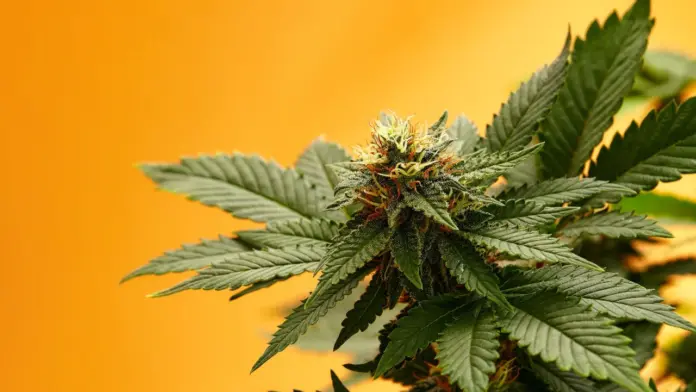
The federal definition of daily or almost daily use is consumption on at least 20 days in the past month, and it covers all forms of marijuana, including smoked, vaped, and edible products.
Measured that way, marijuana at 21.4 million exceeds alcohol at 17.2 million. Both figures use the same 20-day threshold, which makes the comparison a direct one.
The trend is also moving. Daily or near-daily marijuana use has grown by nearly 4 million people since 2021, while daily cigarette smoking has continued to fall.
This is a continuation rather than a turning point. Analysis published in the journal Addiction found that daily cannabis use first passed daily drinking in 2022, at 17.7 million against 14.7 million.
That work also found the median cannabis user reported using on 15 to 16 days per month, against 4 to 5 days for the median drinker.
Why the Cigarette Comparison Needs a Caveat
Coverage of this release has also reported that daily marijuana use exceeds daily cigarette smoking, at 21.4 million against 19.9 million. That comparison is less solid than it looks.
NSDUH measures daily cigarette smoking as use on all 30 days, a stricter threshold than the 20-day standard applied to marijuana and alcohol.
Measured at 20 days, the cigarette figure would be higher than 19.9 million. The marijuana-versus-alcohol gap survives that scrutiny. The marijuana-versus-cigarette gap depends on which definition you apply.
Past-Month Use Tells a Different Story
Frequency and prevalence point in opposite directions here, and treating them as one number is the most common way this data gets misread.
Among people aged 12 or older in 2025, 56.0 percent, or 162.8 million people, used tobacco, vaped nicotine, drank alcohol, or used an illicit drug in the past month. Within that:
- 129.1 million reported past-month alcohol use
- 46.9 million used a tobacco product
- 43.8 million used marijuana
- 29.3 million vaped nicotine
Alcohol still has roughly three times as many past-month users as marijuana. Among those 129.1 million drinkers, 56.8 million, or 44.0 percent, reported binge drinking in the past month.
Marijuana remained the most commonly used illicit drug, with 61.6 million people, or 21.2 percent, reporting past-year use. That is up from 19.0 percent, or 53.2 million, in 2021, with increases among adults aged 26 and older.
Substance Use Disorder Prevalence and Alcohol’s Decline
Nearly 45 million people aged 12 or older, or 15.3 percent, met diagnostic criteria for a substance use disorder in the past year.
Alcohol use disorder moved down over the five-year window, from 10.6 percent, or 29.7 million people, in 2021 to 8.9 percent, or 25.7 million, in 2025. The rate of drug use disorder was largely unchanged across the same period.
Read alongside the frequency data, that combination is worth sitting with. Fewer people met criteria for alcohol use disorder, while marijuana use grew in both reach and frequency.
Youth and Young Adult Trends Continued Downward
SAMHSA reported that adolescents aged 12 to 17 and young adults aged 18 to 25 continued downward or stable trends across most behavioral health indicators.
Among 12- to 17-year-olds, declines appeared in past-month tobacco, alcohol, binge drinking, and marijuana use, in past-year illicit drug use, and in first-time use of alcohol, nicotine vaping, and marijuana, along with declines in past-year substance use disorder, alcohol use disorder, and drug use disorder.
Among 18- to 25-year-olds, declines covered past-month nicotine products, cigarettes, vaping, alcohol, binge drinking, and marijuana, plus past-year cocaine, hallucinogens, and prescription misuse.
Serious mental illness and co-occurring mental illness with substance use disorder also fell. Suicide-related measures declined for both age groups.
What This Means for Treatment Seekers
Frequency matters clinically because regular use is what builds tolerance and withdrawal, and those are the features that turn use into a disorder.
A pattern of near-daily cannabis use is worth raising with a clinician even when it looks unremarkable next to a friend’s drinking.
Cannabis treatment also works differently. No medication is approved for marijuana use disorder, so care rests on behavioral therapies including cognitive behavioral therapy, motivational enhancement, and contingency management.
That contrasts with alcohol and opioid use disorder, where medication combined with counseling has the strongest evidence.
The practical implication is to ask directly whether a program treats cannabis, since many orient primarily around alcohol and opioids.
Finding the Right Rehab
There are a few steps you can take to find the right rehab:
- Compare rehab centers by the specific substances and conditions they list.
- Verify insurance coverage for addiction treatment before admission, including which levels of care are included.
- Ask which behavioral therapies are used for cannabis specifically.
- Ask about co-occurring mental health treatment, which the survey shows frequently accompanies substance use disorder.
- Confirm state licensing, accreditation, and clinician credentials.
Rehab.com’s directory lists verified treatment centers nationwide with Rehab Score rankings, insurance details, accreditations and levels of care on each listing. Call
800-985-8516
(  Sponsored Helpline )
to speak with a treatment advisor today.
Sponsored Helpline )
to speak with a treatment advisor today.