





























































































About Seacrest Recovery Center Ohio
Seacrest Recovery Center Ohio, located in Columbus, Ohio, provides dedicated programs to those who struggle with drug addiction and mental health issues. This drug rehab facility offers residential treatment, a partial hospitalization program (PHP), an intensive outpatient program (IOP), and standard outpatient services.
Clients may enter the residential program after completing a detox program, or they can begin their recovery journey here. This facility assigns a clinician to each individual who works with them throughout the program. Every clinician provides person-focused care to address both addiction and mental health issues. Seacreast implements holistic therapies such as yoga and meditation to treat clients’ body, mind, and spirit.
This facility provides outpatient services with varying levels of care. At the most intense level, clients attend treatment on a full-time schedule, with treatment every day for several hours each day. As progress is made, hours of treatment are reduced, moving the client through a continuum of care from partial hospitalization, to intensive outpatient, to regular outpatient, and then discharge. During the program, clients undergo individual and group therapy where they develop vital coping and life skills that promote a substance-free lifestyle.
Seacrest Recovery Center accepts a wide variety of insurance providers. Approved insurance providers may include Kaiser Permanente, Bright Health, Wellmark, HCSC, and TRICARE. Individuals with out-of-network benefits are advised to contact their provider to verify insurance coverage.
Latest Reviews



Rehab Score
 Our Methodology


Gallery
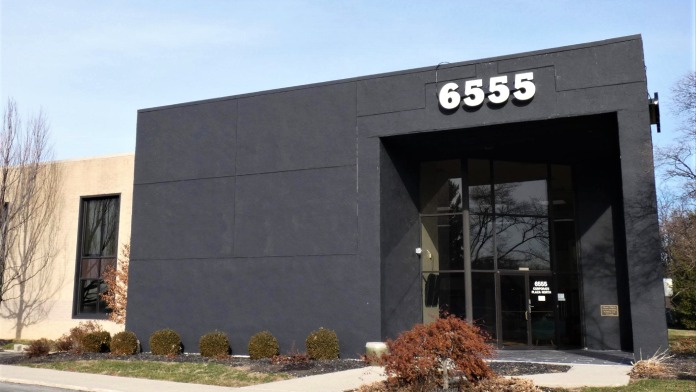
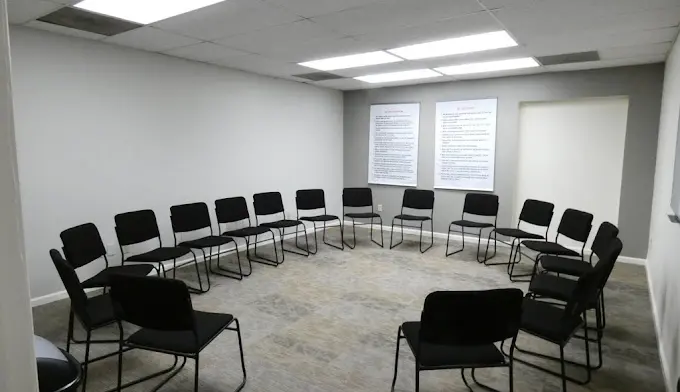
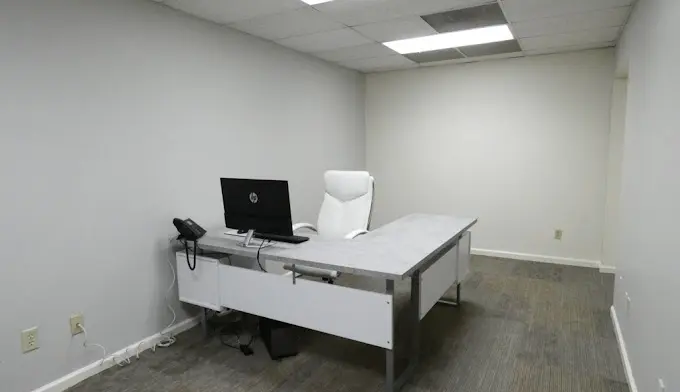
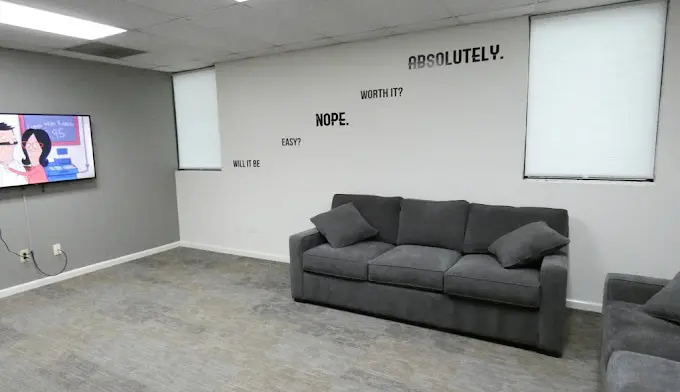
Accepted Insurance
Other Forms of Payment
Private insurance refers to any kind of healthcare coverage that isn't from the state or federal government. This includes individual and family plans offered by an employer or purchased from the Insurance Marketplace. Every plan will have different requirements and out of pocket costs so be sure to get the full details before you start treatment.
Military members, veterans, and eligible dependents have access to specific insurance programs that help them get the care they need. TRICARE and VA insurance can help you access low cost or no cost addiction and mental health treatment. Programs that accept military insurance often have targeted treatment focused on the unique challenges military members, veterans, and their families face.
Addiction Treatments
Levels of Care
Outpatient Programs (OP) are for those seeking mental rehab or drug rehab, but who also stay at home every night. The main difference between outpatient treatment (OP) and intensive outpatient treatment (IOP) lies in the amount of hours the patient spends at the facility. Most of the time an outpatient program is designed for someone who has completed an inpatient stay and is looking to continue their growth in recovery. Outpatient is not meant to be the starting point, it is commonly referred to as aftercare.
Residential treatment programs are those that offer housing and meals in addition to substance abuse treatment. Rehab facilities that offer residential treatment allow patients to focus solely on recovery, in an environment totally separate from their lives. Some rehab centers specialize in short-term residential treatment (a few days to a week or two), while others solely provide treatment on a long-term basis (several weeks to months). Some offer both, and tailor treatment to the patient's individual requirements.
Intensive Outpatient programs are for those who want or need a very structured treatment program but who also wish to live at home and continue with certain responsibilities (such as work or school). IOP substance abuse treatment programs vary in duration and intensity, and certain outpatient rehab centers will offer individualized treatment programs. The Intensive Outpatient Program gives patients the chance to participate in a structured treatment plan part-time while they transition back to home and work or other responsibilities.
Rehab aftercare programs are designed to ensure clients receive continuing care while in the maintenance phase of recovery. Some clients may be in outpatient treatment, which is generally considered to be an element of drug rehab aftercare. The specific services provided in these programs are often determined by the client's case manager and care team in consultation with the client. Common services include peer coaching, career counseling, and 12 step program induction.
A partial hospitalization program (PHP) is a short-term form of intensive rehab, usually for those with acute symptoms that are hard to manage but don’t require 24-hour care. PHPs have structured programming (i.e. individual and/or group therapy), and usually meet 3-5 days a week for around 6 hours (i.e. 9am-3m). Some PHPs are residential (patients sleep on site) and some are not, so patients sleep at home. PHPs can last from 1-6 months, and some offer transportation and meals.
During initial recovery, withdrawal from alcohol, opiates, and benzodiazepines can involve high health risk. Attempting detox outside of 24-hour clinical care in Ohio is not recommended. This can be life-threatening because medical staff are not available to treat severe symptoms of withdrawal that often occur. Such symptoms can include seizures, delirium tremens, and extreme dehydration. In a clinical setting, staff are on-site to immediately care for your physical, emotional, and mental health needs.
Medical detox involves clearing your body of drugs and/or alcohol under the 24/7 care of licensed medical professionals. If you've become dependent on alcohol or drugs (like benzodiazepines or opioids), quitting abruptly can have uncomfortable and even dangerous side effects. The purpose of medically assisted detox is to keep you as safe and comfortable as possible during this process. Medications like Suboxone or Vivitrol may be provided if necessary to mitigate any withdrawal symptoms.
Programs
Adult rehab programs include therapies tailored to each client's specific needs, goals, and recovery progress. They are tailored to the specific challenges adult clients may face, including family and work pressures and commitments. From inpatient and residential treatment to various levels of outpatient services, there are many options available. Some facilities also help adults work through co-occurring conditions, like anxiety, that can accompany addiction.
Clinical Services
Participants of group therapy sessions typically learn coping skills, communication techniques, and relapse prevention strategies. This unique set of skills helps you to navigate the challenges you find in the community and supports your long term sobriety.
Individual therapy for drug and alcohol addiction treatment gives you a safe space to discuss your emotional, mental, and physical challenges. Your therapist will guide and support you as you collaborate to develop personalized strategies to manage your stress and navigate the challenges of your recovery.
Family therapy offers a group time to collectively make an effort to understand and combat the issues and challenges associated with addiction. Therapists work with family members to establish healthy boundaries between each other and their loved one who is addicted, improve emotional support systems, and work together toward a sustained long term recovery.
Life skills provide stability. They increase the strengths that you bring to recovery by equipping you with the tools you need to navigate daily life. During rehab, you'll develop these strengths through life skills training that focuses on both cognitive and behavioral abilities.
Staff & Accreditations
Staff
Josh Fenster
Co-founder & CEO

Jared Pruzan
Co-founder & CEO

Eric Foster
Chief Investment Officer & Partner
Jared Silver
COO

Megan Wells
Director of Quality Assurance

Jamie Jackman
National Director of Admissions
Accreditations

The Joint Commission, formerly known as JCAHO, is a nonprofit organization that accredits rehab organizations and programs. Founded in 1951, the Joint Commision's mission is to improve the quality of patient care and demonstrating the quality of patient care.
Joint Commission Accreditation: Yes

The National Association of Addiction Treatment Providers (NAATP) is a professional association that represents organizations in the field of addiction services. Founded in 1978, NAATP's mission is to advance addiction services and ensure that high-quality addiction treatment is available and accessible.
NAATP Member: Yes
Rehab.com regularly reviews this listing for accuracy but changes may occur between updates. For the most up-to-date information, please contact Seacrest Recovery Center Ohio.
Contact Information


6555 Busch Blvd
Suite 100
Columbus, OH 43229
Sponsored Helpline

