





























































































 Claimed


This is the right place for people who are going through a crisis, the staff of this center did everything possible to help me from the first day I visited them. They helped me to have confidence in myself again and they gave me hope to have a better future, I am eternally g ...
About Second Nature Family Therapy
During their time here, your child will have traditional therapy like group counseling and individual therapy for their addiction and other behavioral health needs. But they’ll also use nature as a learning and growth experience. They’ll spend time in outdoor activities like hiking and learn outdoor skills while also using these activities as therapeutic and confidence building experiences.
This treatment center combines evidence based techniques like cognitive behavioral therapy and psychodynamic therapy with holistic treatments like mindfulness and outdoor therapy for a well rounded experience. Your child will receive treatment while also learning life skills and independence as well as gaining a sense of accomplishment and confidence.
Some clients report that the experiences here were not very therapeutic. However, there are also plenty of clients and parents who say they were happy with the results here. It’s always a good idea to look further into the practices and strategies used by a facility to determine if it’s a good fit for your needs.
Latest Reviews
This place is amazing, it’s been transformative for my teenage son and our family. We have seen several therapist to help our son and our family and nothing beats the therapists at this program. They truly understand teen boys and the social/emotional struggles our boys encounter in this electronic day and age.
Spoke to their logistics coordinator he was really nice told me all the rules and what their all about!
I don’t know what all these other people are talking about. I was there twice, once in April-July of 2021 and again in June-September in 2022. I also went to 3 other places. Maybe I didn’t have bad mental problems, and it was more just my parents not knowing what to do with me, but as far as teen therapy goes, second nature is absolutely amazing. Spending time outdoors can truly heal a person. I always felt like the food was nutritious, and there was plenty of it. I felt like the clothing was more than adequate for the conditions at hand. I always felt like the staff and therapists were top notch and outshined all the staff and therapists at the other places I was at. Yes, they do send like 90% of kids to “aftercare” or long term RTCs. Those suck, they are generally abusive, and will do damage to your mind. So, to any parents considering, please just send your kid here and then bring them home. But as far as second nature goes, i actually look back on my experiences there in a very positive light. I enjoyed being outside, I enjoyed hiking. I enjoyed the food, and honestly if I was still a minor I would probably go back just for fun. Because myself and a lot of the other kids I was with really enjoyed it. Maybe not all of it, but as a whole, I feel as though it was a very positive experience and helped me a lot. I found that I love camping and hiking, and I spend a weekend or two a month camping to this day. It has helped me deal with the stress of being an adult. I can’t speak for the people leaving negative reviews, and I don’t want to invalidate anyone, but that was the complete opposite of my experience. It’s definitely not a “concentration camp” or whatever.

Rehab Score
 Our Methodology
Scoring is assigned by a proprietary system which helps surface key metrics that determine quality. The 10-point scale factors in categories such as operations, customer satisfaction, and trust metrics. Read Full Methodology

4.4 / 10
Gallery
Other Forms of Payment
Self-pay involves paying for treatment out of your own pocket. You can use savings or credit, get a personal loan, or receive help from family and friends to fund your treatment. If you don't have insurance or your insurance plan doesn't cover a specific program, self-pay can help ensure you still get the care you need.
Private insurance refers to any kind of healthcare coverage that isn't from the state or federal government. This includes individual and family plans offered by an employer or purchased from the Insurance Marketplace. Every plan will have different requirements and out of pocket costs so be sure to get the full details before you start treatment.
Addiction Treatments
Levels of Care
Outpatient rehab programs enable clients to integrate addiction treatment with their routine work and home life. Many facilities offer virtual services and evening, night, and weekend sessions to accommodate clients' schedules. Outpatient care typically includes rigorous psychotherapy, including group and family counseling. Most programs also prioritize addiction education and recovery-focused life skills training. Medication assisted treatment (MAT) is common for clients with alcohol and/or opioid dependency.
Residential treatment programs are those that offer housing and meals in addition to substance abuse treatment. Rehab facilities that offer residential treatment allow patients to focus solely on recovery, in an environment totally separate from their lives. Some rehab centers specialize in short-term residential treatment (a few days to a week or two), while others solely provide treatment on a long-term basis (several weeks to months). Some offer both, and tailor treatment to the patient's individual requirements.
Clients often choose to enter intensive outpatient programs (IOP) when they exit inpatient rehab. Others turn to IOP as an alternative to hospitalization. Intensive outpatient rehabs offer high-level care for clients in early recovery and those at an elevated risk of relapse, typically requiring them to commit to between nine and 20 hours of treatment per week. The most prevalent treatment modalities include psychotherapy, recovery education, medication assisted treatment (MAT), and holistic therapies, such as meditation.
Clients receiving services in a rehab aftercare program have generally been stable and sober for a period of weeks and months and no longer require high intensity treatment. Many have stepped down from inpatient rehab to outpatient treatment. Others have been discharged from formal treatment but need support in maintaining their sobriety. Clients typically work with their case manager and care team to develop a long-term care plan that aligns with their unique needs and goals.
12-step programs are addiction recovery models based on Alcoholics Anonymous (AA). A number of substance abuse programs (including some drug and alcohol rehab centers) use the 12 steps as a basis for treatment. Beginning steps involve admitting powerlessness over the addiction and creating a spiritual basis for recovery. Middle steps including making direct amends to those who've been hurt by the addiction, and the final step is to assist others in addiction recovery in the same way. 12-Step offshoots including Narcotics Anonymous (NA), Cocaine Anonymous (CA), Dual Recovery Anonymous (DRA), Sex and Love Addicts Anonymous (SLAA) and Gamblers Anonymous (GA).
Each sober living home in Utah is a residence, not a treatment center. This setting does not provide clinical or medical treatment, but many residents attend recovery groups or outpatient rehab while staying at the home. The setting, also called a halfway house, offers a balance between structure and accountability and living in the "real world," to help people transition from treatment to everyday life.
If your friend or family member is suffering physically or psychologically from substance use but denies there is a problem, it might be time for a drug intervention in Utah. This process involves meeting with an intervention specialist from a facility's intervention services program. This specialist will interview family members to gain an understanding of the situation, then facilitate the intervention. Their expertise can prove invaluable in navigating this complex confrontation.
Medical detox is the safest way to remove addictive substances from your body under the care of medical professionals. In an inpatient environment, you'll be monitored 24/7 by doctors, nurses, and clinical experts, who will help keep you as safe and comfortable as possible and administer medication if needed to treat any withdrawal symptoms. The process may take up to a week or longer depending on your needs, and is often at least partially covered by insurance.
Treatments
The goal of treatment for alcoholism is abstinence. Those with poor social support, poor motivation, or psychiatric disorders tend to relapse within a few years of treatment. For these people, success is measured by longer periods of abstinence, reduced use of alcohol, better health, and improved social functioning. Recovery and Maintenance are usually based on 12 step programs and AA meetings.
When you enter a drug rehab in Utah, the process usually involves four stages: treatment initiation, early abstinence, maintaining abstinence, and advanced recovery. Treatment methods can rely on medications, counseling, or both, in either an outpatient or inpatient setting.
Many of those suffering from addiction also suffer from mental or emotional illnesses like schizophrenia, bipolar disorder, depression, or anxiety disorders. Rehab and other substance abuse facilities treating those with a dual diagnosis or co-occurring disorder administer psychiatric treatment to address the person's mental health issue in addition to drug and alcohol rehabilitation.
A combined mental health and substance abuse rehab has the staff and resources available to handle individuals with both mental health and substance abuse issues. It can be challenging to determine where a specific symptom stems from (a mental health issue or an issue related to substance abuse), so mental health and substance abuse professionals are helpful in detangling symptoms and keeping treatment on track.
Opioid rehabs specialize in supporting those recovering from opioid addiction. They treat those suffering from addiction to illegal opioids like heroin, as well as prescription drugs like oxycodone. These centers typically combine both physical as well as mental and emotional support to help stop addiction. Physical support often includes medical detox and subsequent medical support (including medication), and mental support includes in-depth therapy to address the underlying causes of addiction.
Programs
Adult rehab programs include therapies tailored to each client's specific needs, goals, and recovery progress. They are tailored to the specific challenges adult clients may face, including family and work pressures and commitments. From inpatient and residential treatment to various levels of outpatient services, there are many options available. Some facilities also help adults work through co-occurring conditions, like anxiety, that can accompany addiction.
Young adulthood can be an exciting, yet difficult, time of transition. Individuals in their late teens to mid-20s face unique stressors related to school, jobs, families, and social circles, which can lead to a rise in substance use. Rehab centers with dedicated young adult programs will include activities and amenities that cater to this age group, with an emphasis on specialized counseling, peer socialization, and ongoing aftercare.
Recovery is most successful when clients feel accepted and validated by their peers and treatment providers. Facilities that offer LGBTQ-inclusive programming are committed to creating a safe space where everyone can grow and recover without fear of judgment or discrimination. They will have dedicated policies in place to create a safe and supportive environment that fosters free expression.
Clinical Services
Therapists may use cognitive behavioral therapy (CBT) in Utah to address substance use and mental health disorders. The main focus is to change thinking patterns, which leads to behavioral change. Subtypes of CBT include exposure therapy, dialectical behavior therapy, and acceptance commitment therapy.
Group therapy is any therapeutic work that happens in a group (not one-on-one). There are a number of different group therapy modalities, including support groups, experiential therapy, psycho-education, and more. Group therapy involves treatment as well as processing interaction between group members. The facility provides Milan group, this form of group therapy was derived from a therapeutic school in Italy renowned for its effective intervention techniques, including one where clients listened behind a one-way mirror as the therapists discussed their case. At Second Nature, Milan Group includes staff both entering and leaving the field at the culmination of the week for a full exchange of information about the student. Feedback and narratives for each of the students are presented with students listening. Student participation varies as appropriate. A Standing Group is a spontaneous group called by any student, therapist or Field Instructor. This is usually a short ,while everyone is standing in a circle, exchange where emotions are appropriately expressed and peers practice reflecting another's perspective without judgment. Interpersonal problem-solving skills are developed.
In individual therapy, a patient meets one-on-one with a trained psychologist or counselor. Therapy is a pivotal part of effective substance abuse treatment, as it often covers root causes of addiction, including challenges faced by the patient in their social, family, and work/school life. The therapist conducts a formal individual session each week ,1-2 hours, with each student. Family letters the staff report for the week, historical issues, and in-the-moment issues are discussed. The therapist usually invites the Field Instructor assigned to supervise the child for the week into the session. The therapist updates the student’s treatment plan with written notes, assignments, and themes for the following week.
The foundation of motivational interviewing in Utah rests on four pillars: partnership, evocation, acceptance, and compassion. The therapist collaborates with the client, encouraging them to explore their options and make informed decisions about making changes in their lives.
Couples at any stage of their relationship may benefit from couples therapy in Utah. It is designed to keep relationships on the right path by teaching both partners healthy forms of communication and conflict resolution.
Research clearly demonstrates that recovery is far more successful and sustainable when loved ones like family members participate in rehab and substance abuse treatment. Genetic factors may be at play when it comes to drug and alcohol addiction, as well as mental health issues. Family dynamics often play a critical role in addiction triggers, and if properly educated, family members can be a strong source of support when it comes to rehabilitation.
Life skills trainings involve all the skills a person must have in order to function successfully in the world. These include time management, career guidance, money management, and effective communication. Truly successful addiction recovery is based on the ability to not only live substance-free, but to thrive. Life skills teaches the practical necessities of functioning in society, which sets clients up for success in life, and therefore sobriety.
Active addiction can quickly lead to malnutrition. This makes recovery even harder because your body doesn't have the nutrients it needs to function. During nutrition therapy, you'll learn about the effects of substance use on the body, how food can help your mental health, and how to maintain a nutritious diet.
Recreational therapy helps you in your addiction recovery program by improving your overall well being. Activities can include sports, music, and nature excursions that give you positive experiences, reduce your cravings, and offer the opportunity to reduce your stress. These aid in your addiction recovery.
Experiential therapy is a form of therapy in which clients are encouraged to surface and work through subconscious issues by engaging in real-time experiences. Experiential therapy departs from traditional talk therapy by involving the body, and having clients engage in activities, movements, and physical and emotional expression. This can involve role-play or using props (which can include other people). Experiential therapy can help people process trauma, memories, and emotion quickly, deeply, and in a lasting fashion, leading to substantial and impactful healing.
Amenities
-
 Yoga Studio
 -
 Private Rooms
 -
 Hiking
 -
 Spa
Spa -
 Mountain Views
 -
 Gardens
 -
 Walking Trails
Staff
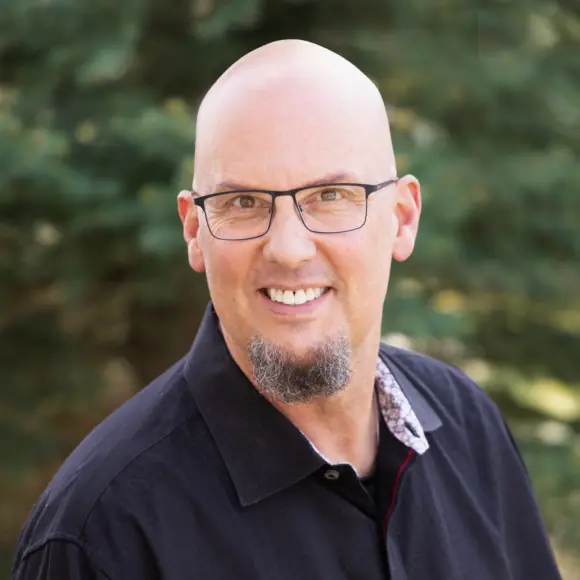
Devan Glissmeyer, Ph.D.
Co-Founder Primary Therapist
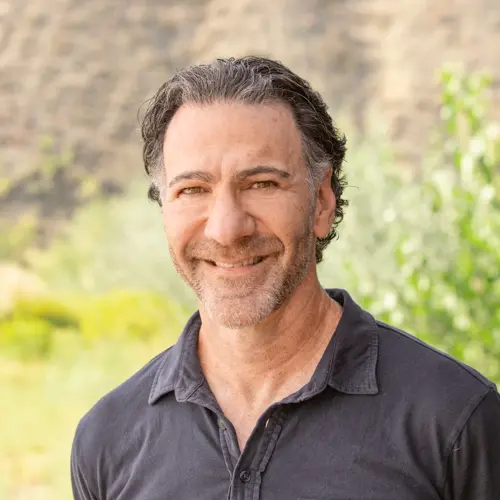
Steve Debois, Ph.D.
Primary Therapist Clinical Director
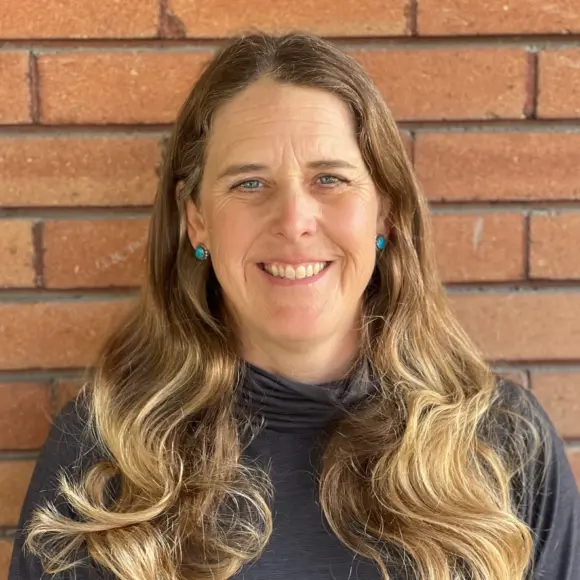
Jamie Kaczmarek, LCSW
Primary Therapist
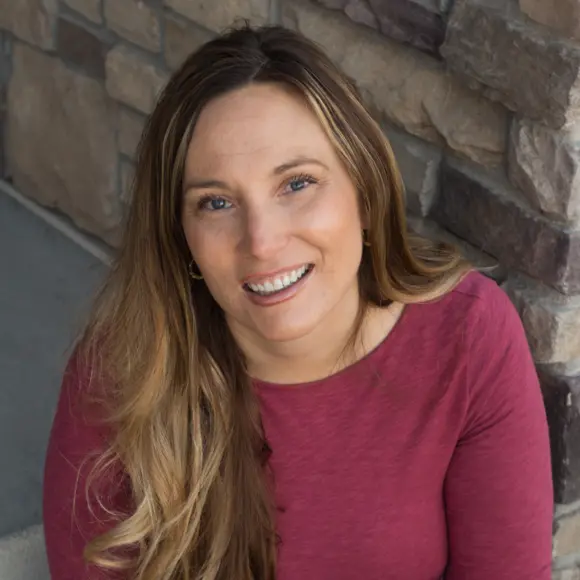
Reva Rasband, DNP, FNP, APRN
Psychiatric Nurse Practitioner
Rehab.com regularly reviews this listing for accuracy but changes may occur between updates. For the most up-to-date information, please contact Second Nature Family Therapy.
Contact Information

382 West Main Street
Duchesne, UT 84021
Get Help Now - 385-390-3465
Sponsored Helpline
Sponsored Helpline



