
































































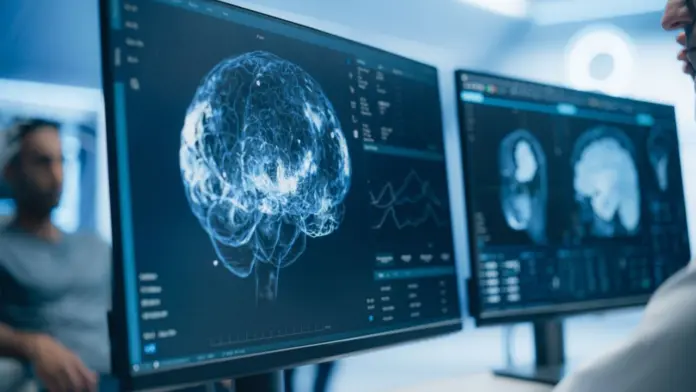
The findings revealed both shared damage and distinct patterns that separate opioid, cannabis and nicotine dependence.
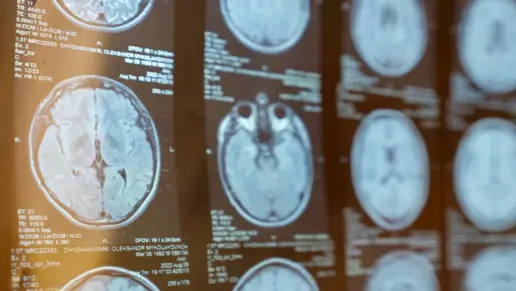
Researchers at two German centers, the Central Institute of Mental Health in Mannheim and Charite in Berlin, scanned 87 people diagnosed with opioid, cannabis or nicotine dependence. They scanned them alongside 53 healthy nonsmoking controls.
They tracked the microstructure of the brain’s wiring across every major pathway by using advanced diffusion MRI. All participants met ICD-10 criteria for dependence, which corresponds to severe substance use disorder under DSM-5.
Opioid dependence carried the broadest white matter alterations that spread across fronto-temporo-parietal pathways and midline structures. Cannabis dependence had a similar pattern that was less extensive.
By contrast, nicotine dependence produced a much more circumscribed set of changes that was concentrated in anterior and callosal regions.
Cannabis Dependence Linked to Impulsive Choice
The study’s most striking finding concerns the middle longitudinal fasciculus, which connects temporal and parietal regions to the prefrontal cortex.
Greater disruption of this tract’s microstructure was significantly associated with steeper delay discounting in people with cannabis dependence, which means the users had a stronger preference for small immediate rewards over larger delayed ones.
The association was strongest in daily users, and statistical modeling suggested the link ran through consumption itself.
Higher tract disruption tracked with heavier cannabis use. The connection to impulsive choice appeared only among daily users of cannabis. The amount of cannabis consumed correlated with impulsivity at a level that researchers described as strong.
The inability to weigh future consequences against immediate reward is what turns use into compulsion. A measurable brain pathway tied to that behavior gives researchers a target for understanding how cannabis dependence takes hold, and potentially for how well treatment is working.
The researchers were careful about emphasizing the limits of these findings. The study was cross-sectional. That indicates it shows association but not causation. The opioid group was also small.
No equivalent tract-behavior link appeared there. The authors attributed that in part to limited statistical power. The findings should be read as a map of where addiction leaves its marks and not a verdict on any individual.
Why Brain Research Matters for Treatment
Studies like this one underscore the point that addiction is a brain condition, not a failure of character.
The same pathways that govern impulse control and future planning show measurable disruption in dependence. Heavier use tracks with greater disruption.
That framing has practical value, because it supports treating substance use disorders with the same seriousness as other chronic conditions.
It also explains why relapse is a feature of the illness rather than proof that treatment failed. A damaged reward and control system takes time to heal.
The study also reinforces the stakes of early intervention. White matter changes were widespread in groups with severe dependence. The cannabis findings suggest daily use carries distinct risks.
In particular with young people, the argument for addressing cannabis use disorder early is stronger with each study like this one.
Reading the Findings Carefully
Science moves one study at a time. This particular one is a contribution rather than a conclusion. Its value lies in comparing substances directly in the same study, and in connecting brain structure to a real behavioral measure.
Future longitudinal work will be needed to determine whether the white matter changes precede heavy use, follow it or feed a cycle of both.
If you or someone you love is struggling with drug addiction, the biology says the condition deserves real treatment. The growing science says outcomes improve when help arrives early.
You can find addiction treatment centers through searching Rehab.com’s directory or calling
800-985-8516
(  Sponsored Helpline )
.