The findings could shape how clinicians think about long-term recovery planning.
What the Study Found About Addiction Treatment and Brain Aging
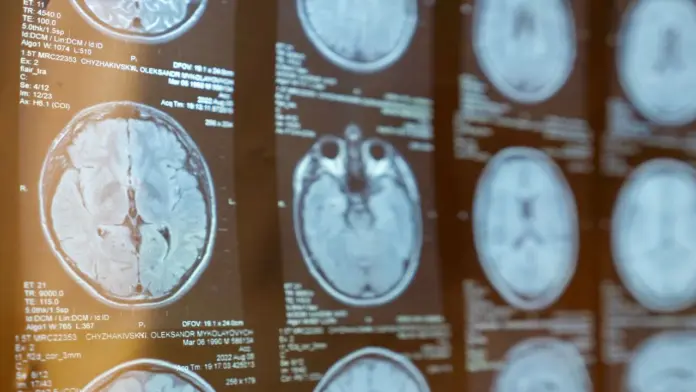
Researchers led by Shile Qi of the Nanjing University of Aeronautics and Astronautics analyzed nearly 49,000 brain MRI scans, comparing roughly 45,900 healthy adults with about 2,700 patients diagnosed with one of nine neurological or psychiatric conditions.
The study, published July 21 in PLOS Medicine, used a measure called predictive age difference, or PAD, which compares a person’s actual age with the age their brain appears to be based on imaging.
A positive PAD means the brain looks older than the person’s chronological age. The researchers found elevated PAD in Alzheimer’s disease, mild cognitive impairment, alcohol and tobacco use disorders, schizophrenia, bipolar disorder, and major depressive disorder.
Notably, ADHD and autism spectrum disorder showed no meaningful difference from healthy controls, suggesting accelerated brain aging is not a universal feature of every condition affecting the brain.
Addiction Ranked Second Only to Dementia
Among the conditions studied, dementia related disorders showed the strongest association with accelerated brain aging, followed by addiction, then other psychiatric disorders.
The prefrontal cortex, a region tied to decision making and impulse control, showed consistently elevated aging signatures across nearly every condition studied, while addiction specifically was linked to changes concentrated in the brain’s default mode network.
The researchers were careful to note that the results are correlational, not causal. Addiction and psychiatric disorders frequently co-occur, which can make it difficult to isolate the specific contribution of substance use itself.
Still, the authors suggested that different conditions appear to leave distinct signatures on what they call the brain’s aging clock, a finding that could eventually support new biomarkers for diagnosis.
This kind of research adds to a growing body of evidence supporting the value of comprehensive addiction treatment that addresses both substance use and any co-occurring mental health conditions, since the same brain regions implicated in accelerated aging are often involved in both.
What This Means for Treatment Seekers
For people currently in addiction treatment or considering it, this study is a reminder that untreated substance use disorders may carry effects that extend well beyond the immediate risks of use.
It also reinforces why many addiction treatment programs now screen for co-occurring mental health conditions rather than treating substance use in isolation, since depression, bipolar disorder, and schizophrenia showed similar aging patterns in this research.
The findings do not suggest that brain aging from addiction is permanent or untreatable. Research on brain plasticity has repeatedly shown that structural and functional brain changes can improve with sustained recovery, appropriate medical care, and, when relevant, medication assisted treatment.
Why Early Addiction Treatment May Matter More
Because the study found a dose-like relationship between certain conditions and brain aging severity, some addiction medicine specialists have pointed to research like this as one more reason early intervention matters.
Delaying addiction treatment gives a substance use disorder more time to affect the same brain regions tied to memory, mood regulation, and executive function, the same regions the researchers flagged as most affected across nearly every condition studied.
For people weighing inpatient versus outpatient addiction treatment, this research does not change the basic guidance that level of care should match the severity of the substance use disorder and any co-occurring conditions.
Medication assisted treatment for opioid or alcohol use disorder, paired with therapy that addresses underlying depression or anxiety, remains the standard of care recommended by federal health agencies including SAMHSA and NIH.
Exploring Treatment Options
Anyone concerned about how substance use may be affecting their brain health has options. Evidence-based addiction treatment, including medically supervised detox when needed and therapies that address co-occurring mental health conditions, remains the most reliable path toward recovery.
Rehab.com’s directory includes verified treatment centers where people can compare levels of care, confirm accepted insurance, and ask providers directly about how they screen for and treat co-occurring conditions. Call
800-985-8516
(  Sponsored Helpline )
to learn more about your treatment options.
Sponsored Helpline )
to learn more about your treatment options.